
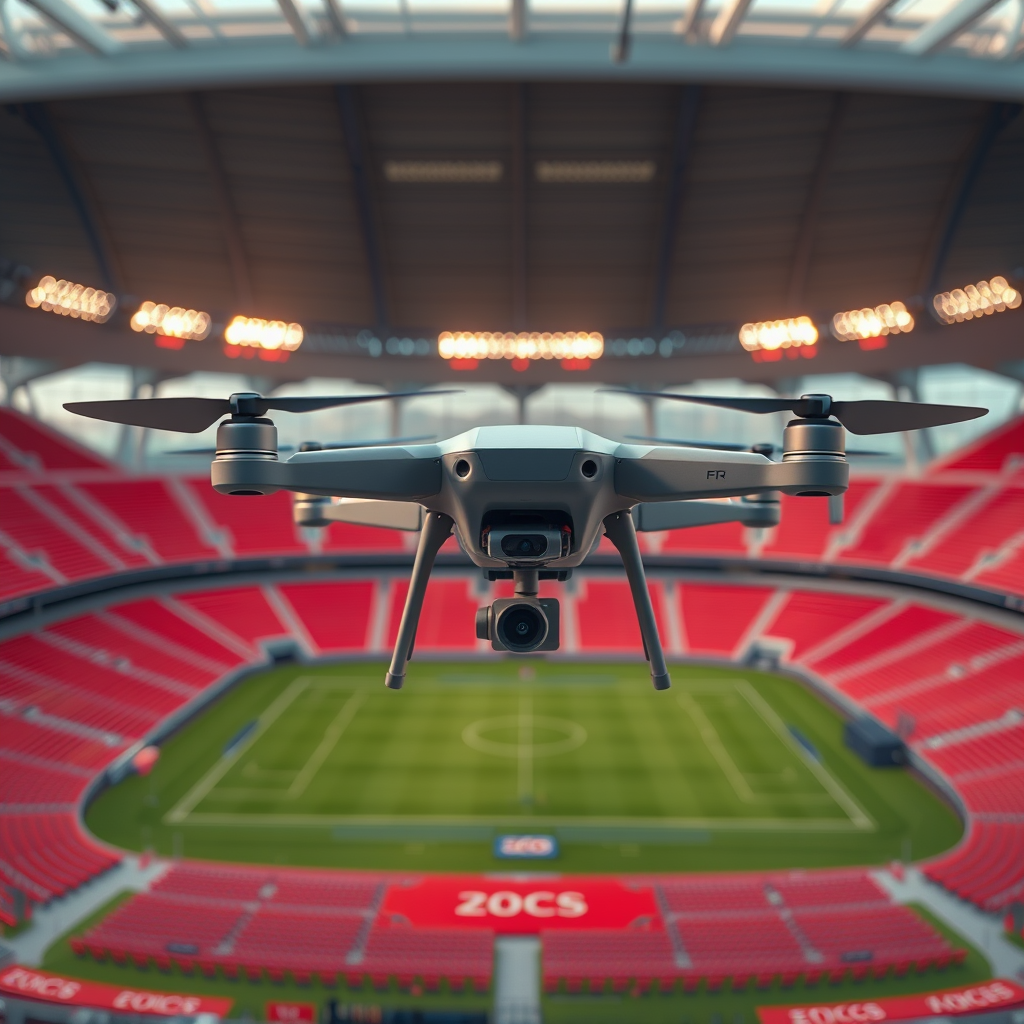
Yes, you can fly a drone over an empty stadium, provided you adhere to local regulations and safety guidelines. Flying a drone in such an environment can yield stunning aerial footage and allow for unique perspectives typically unavailable to ground-level cameras. However, understanding the legal landscape and following safety protocols is crucial to ensure a successful and compliant flight.
Understanding Drone Regulations
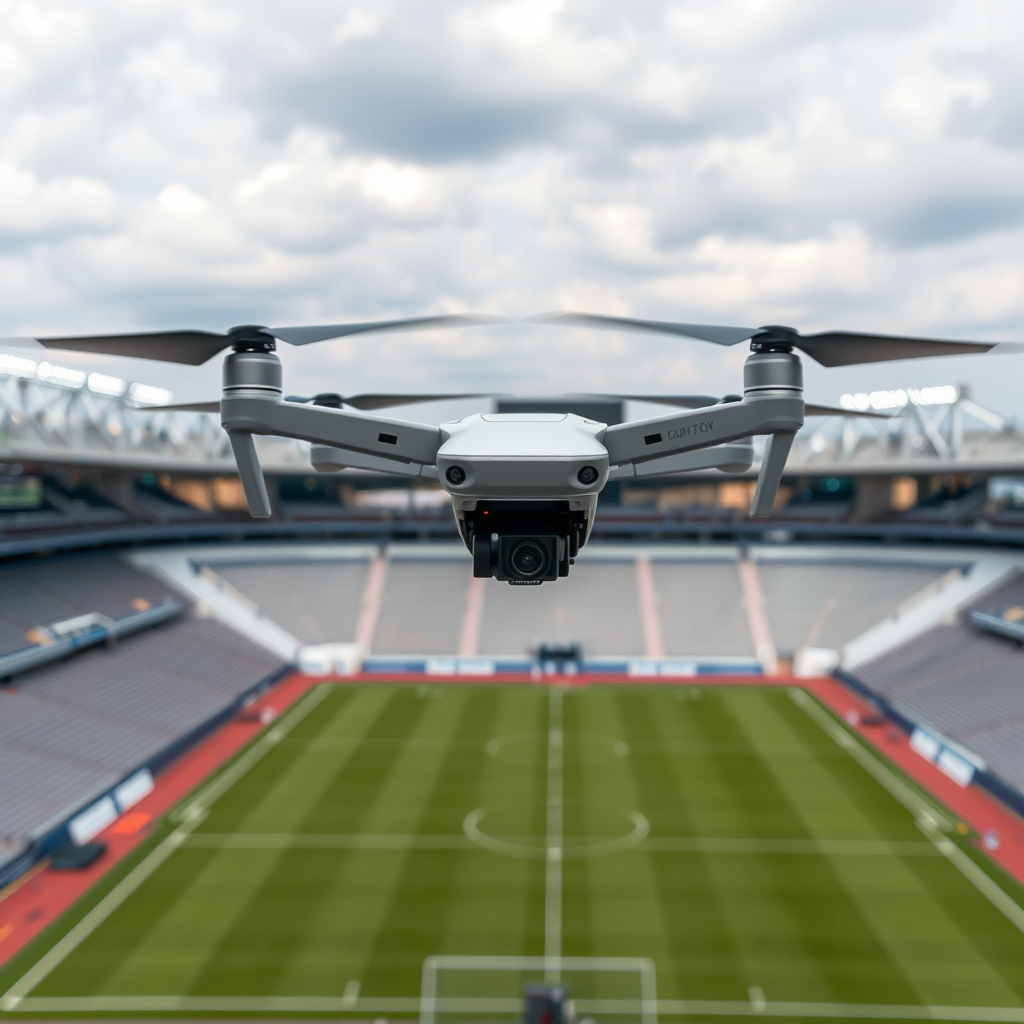
Before taking to the skies, it is vital to familiarize yourself with the Federal Aviation Administration (FAA) regulations regarding drone flights in the United States. The FAA mandates that drone operators must fly their aircraft below 400 feet, maintain visual line of sight, and avoid flying near airports and controlled airspace without proper authorization. It’s also important to register your drone if it weighs more than 0.55 pounds and ensure that you have the necessary Remote Pilot Certificate if you plan to use your drone for commercial purposes.
In addition to federal regulations, local laws may impose additional restrictions, particularly in urban settings or near large venues like stadiums. Many stadiums have their own specific rules regarding drone usage. For instance, some may prohibit drone flights altogether, while others might require you to seek permission from stadium management. Always check the stadium’s website or contact them directly for any guidelines before planning your flight.
Safety Considerations
Safety is paramount when flying a drone, especially in environments that can have potential hazards. First and foremost, ensure that the area is clear of people, animals, and obstacles before launching. Though a stadium may be empty, be aware of surrounding structures, power lines, and other aerial obstacles that could pose a risk during flight.
Maintaining a visual line of sight with your drone is essential. This means you should always be able to see your drone without the aid of binoculars or other devices. This practice not only helps you avoid obstacles but also allows you to respond quickly in case of an emergency. Additionally, consider conducting a pre-flight checklist to confirm that your drone is functioning correctly and that your batteries are charged.
Ideal Conditions for Flying
Choosing the right conditions for your drone flight can significantly impact the quality of your footage and the safety of your operation. Ideal weather for flying includes calm winds (below 10 mph) and clear skies. High winds can make controlling your drone difficult, while inclement weather conditions such as rain or fog can impair visibility and affect drone performance.
Moreover, it is advisable to avoid flying during events, even if the stadium appears empty. Maintenance crews or security personnel may be present, and their unexpected movements could pose risks. Planning your flight during off-peak hours—such as early morning or late afternoon—can also help avoid potential conflicts.
Equipment Recommendations
The choice of drone can greatly influence your flying experience and the quality of the footage you capture. Drones equipped with GPS ensure better stability and control, which is especially useful when flying over large open spaces like a stadium. Models such as the DJI Mavic Air 2 or the Phantom 4 Pro are popular choices for aerial photography due to their high-quality cameras and reliable flight performance.
Considering drones with obstacle avoidance features can further enhance safety during your flight. These models can detect obstacles in their path and automatically adjust their flight path to avoid collisions, providing peace of mind while capturing breathtaking images. Additionally, using drones with longer battery life can allow for extended flight times, giving you more opportunities to capture the perfect shot.
Capturing Stunning Footage
To maximize your aerial photography experience, planning your flight path is essential. Identify key areas of the stadium that you want to capture, such as the field, seating areas, and any unique architectural features. Developing a flight plan that includes various altitudes and angles will help you create dynamic and engaging footage.
Experimenting with different camera settings can also enhance the quality of your shots. Consider using a higher frame rate for capturing fast-moving subjects or adjusting the exposure settings to balance light conditions. A combination of wide shots to showcase the stadium’s grandeur and close-ups that capture intricate details will provide a well-rounded visual narrative.
Drone Insurance and Liability
While flying a drone can be exhilarating, it also comes with inherent risks. Accidents can happen, and it’s essential to protect yourself against potential liabilities. Obtaining drone insurance can help cover damages to property or injuries that may occur during your flight. Look for policies specifically designed for drone operators, which often include coverage for accidental damage, personal liability, and theft.
Understanding your liability is crucial, especially if you are flying in a public space like a stadium. If your drone causes damage to property or injures someone, you could be held responsible for the resulting costs. Familiarizing yourself with the legal ramifications of your flight and taking the necessary precautions can mitigate these risks.
Flying a drone over an empty stadium can be a rewarding experience, but it’s essential to follow regulations and safety measures. Always plan your flight carefully and take the necessary precautions to ensure a smooth operation. Happy flying!
Frequently Asked Questions
Can you legally fly a drone over an empty stadium?
Yes, you can legally fly a drone over an empty stadium, provided you adhere to the regulations set by the Federal Aviation Administration (FAA) and any local laws. It’s crucial to maintain a safe altitude, avoid restricted airspace, and ensure you have any necessary permits. Always check if the stadium has specific drone policies, as some venues may have their own restrictions regardless of FAA guidelines.
What are the safety considerations when flying a drone over an empty stadium?
When flying a drone over an empty stadium, safety considerations include maintaining a safe distance from the structure and avoiding any potential hazards such as people, vehicles, or wildlife. Ensure that your drone is well-maintained and that you have a clear line of sight to control it effectively. Additionally, be aware of changing weather conditions that could impact your flight.
How can you capture the best aerial footage of an empty stadium using a drone?
To capture the best aerial footage of an empty stadium, plan your flight path in advance, focusing on key angles and lighting conditions. Utilize features like the drone’s gimbal for stable shots and adjust your camera settings to optimize for bright conditions typically found in open spaces. Experiment with different altitudes and distances to find the most visually appealing perspectives.
Why would someone want to fly a drone over an empty stadium?
Flying a drone over an empty stadium can serve various purposes, including capturing stunning aerial photography or video for promotional content, event planning, or personal projects. Additionally, it can be used for surveying the venue for maintenance or safety assessments. Drones provide a unique viewpoint that traditional photography cannot replicate, making them valuable tools for creative and practical applications.
Which drones are best suited for flying over large structures like stadiums?
The best drones for flying over large structures like stadiums typically include models with strong stability, high-resolution cameras, and extended flight times. Popular choices include the DJI Mavic Air 2 for its portability and advanced features, or the DJI Phantom 4 Pro for its superior camera quality and obstacle avoidance capabilities. Always consider the weight, battery life, and ease of control when selecting a drone for such tasks.
References
- https://en.wikipedia.org/wiki/Drone_flight_regulations
- https://www.faa.gov/uas/getting_started/fly_for_work/business_operations
- https://www.faa.gov/uas/getting_started/fly_for_fun/
- https://www.nytimes.com/2021/03/29/us/drone-flying-regulations.html
- https://www.theguardian.com/technology/2021/jun/08/drone-laws-uk
- https://www.ncbi.nlm.nih.gov/pmc/articles/PMC6887051/
- https://www.ama-assn.org/delivering-care/public-health/understanding-drones-public-health-uses-and-regulations
