
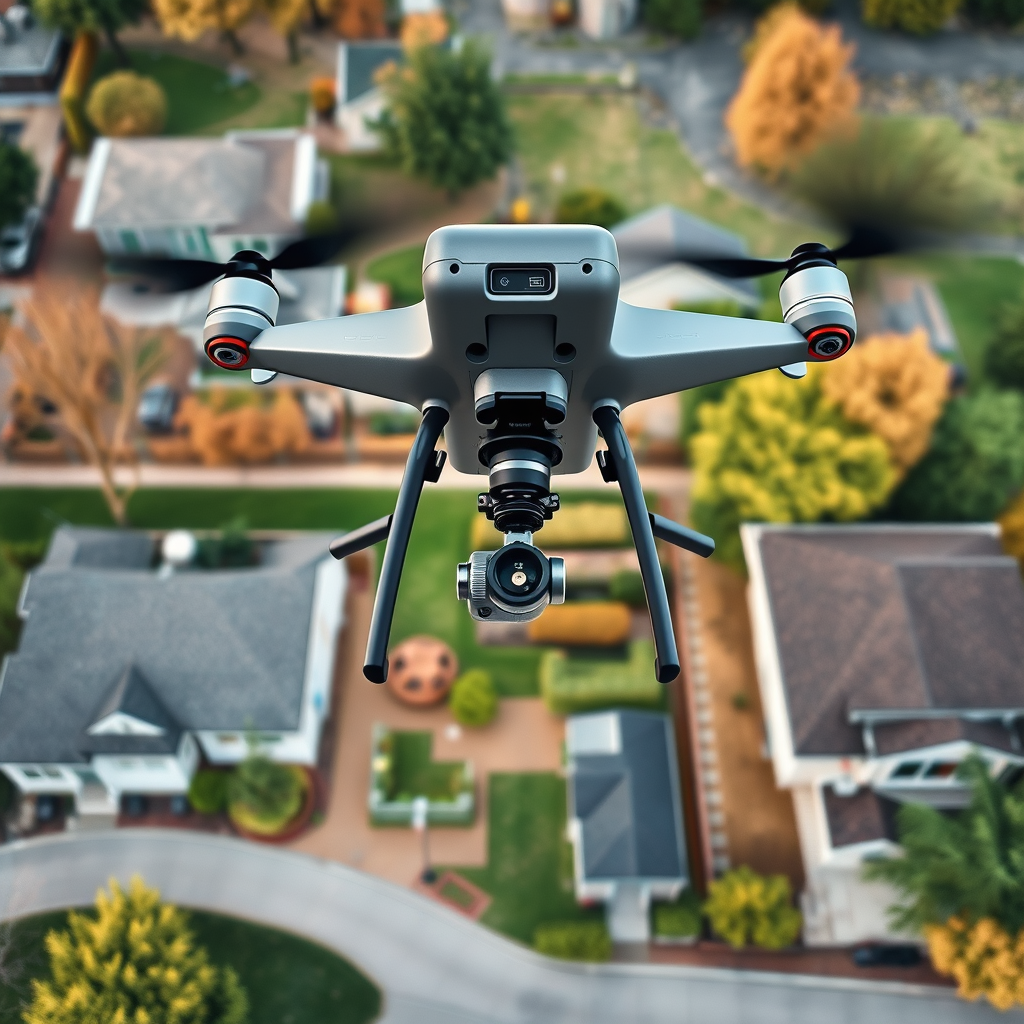
Yes, you can fly a drone over private property in Canada, but there are important regulations and considerations to keep in mind. Understanding the legal framework and respecting privacy rights is essential for responsible drone operation. With the increasing popularity of drones for recreational and commercial use, it is crucial to navigate the complex legal landscape effectively to avoid potential conflicts and ensure safe flying practices.
Understanding Canadian Drone Regulations
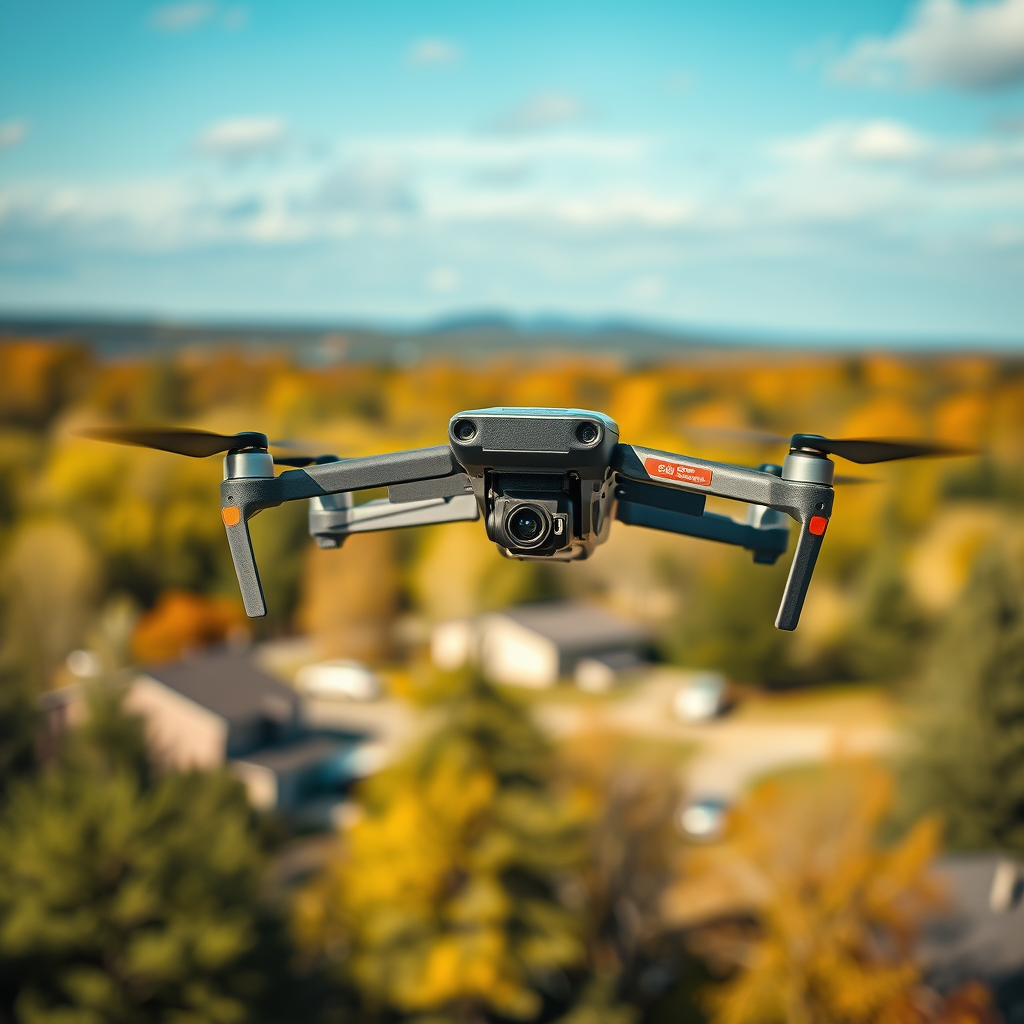
Transport Canada is the governing body responsible for regulating drone usage in Canada. According to the Canadian Aviation Regulations (CARs), drone operators must adhere to specific rules designed to ensure safe and responsible flying. The regulations categorize drones based on weight and intended use, which determines the requirements for registration and pilot licensing.
For drones weighing between 250 grams and 25 kilograms, registration is mandatory. Operators must also obtain a pilot certificate, specifically a Basic or Advanced Pilot Certificate, depending on their flying activities. The Basic Pilot Certificate allows for flying in uncontrolled airspace, while the Advanced Certificate permits operations in controlled airspace, near people, and at night. This regulatory framework aims to enhance safety and accountability among drone users, emphasizing that compliance is non-negotiable for anyone wishing to operate a drone legally in Canada.
The Concept of Airspace Ownership
The concept of airspace ownership is nuanced and varies across jurisdictions. Generally, property owners have rights to the airspace above their land up to a certain height, often referred to as the “navigable airspace.” In Canada, the threshold for airspace rights typically extends to around 100 feet (30 meters) above ground level; however, this can differ depending on local laws and regulations.
The legal interpretation of these airspace rights can be complex. For instance, while a property owner may have the right to the airspace above their land, the Canadian government maintains sovereignty over navigable airspace, which is essential for aviation safety. This duality can lead to ambiguity, particularly when drones operate in proximity to private property. Thus, understanding these nuances is critical for drone operators to navigate potential legal conflicts effectively.
Respecting Privacy Laws
Flying a drone over private property may infringe on privacy rights, leading to potential legal issues. Canadian privacy laws, such as the Personal Information Protection and Electronic Documents Act (PIPEDA), govern how personal data, including visual recordings, should be handled. When operating a drone, it is crucial to be mindful of capturing images or videos that could violate privacy expectations.
For example, if a drone pilot captures footage of individuals in their backyard without consent, this could be deemed an invasion of privacy. To mitigate such risks, drone operators should familiarize themselves with local privacy regulations and consider obtaining explicit permission from property owners before flying over their land. Engaging in open communication can foster good relationships and reduce the likelihood of complaints or disputes.
Height Restrictions and Flight Zones
Height restrictions and designated flight zones are critical aspects of drone operation in Canada. Transport Canada outlines specific altitude limits for drone usage, which generally do not exceed 400 feet (122 meters) above ground level in uncontrolled airspace. This limit is in place to minimize the risk of collisions with manned aircraft, which operate at higher altitudes.
Additionally, certain zones have stricter restrictions due to safety concerns. For instance, flying near airports, heliports, or in populated areas may require special permissions or adherence to additional regulations. Operators must also be aware of temporary flight restrictions that may arise due to events such as public gatherings or emergencies. Utilizing drone flight planning apps and resources can help operators stay informed about current regulations and avoid restricted areas.
Best Practices for Drone Operation
To ensure responsible drone operation, it is advisable to adopt several best practices. First and foremost, always inform property owners before flying over their land, if possible. This proactive approach not only demonstrates respect for their rights but can also lead to valuable insights regarding the property and any specific concerns the owner may have.
Furthermore, drone operators should use their equipment responsibly, avoiding intrusive maneuvers that could disturb or annoy property owners. For instance, flying at high altitudes or maintaining a respectful distance from residences can minimize any perceived invasion of privacy. Lastly, staying informed about evolving regulations and community guidelines is essential for maintaining good relationships with neighbors and local authorities.
Consequences of Violating Regulations
The consequences of violating drone regulations in Canada can be severe, ranging from potential fines to legal action. Transport Canada has the authority to impose penalties for non-compliance with aviation regulations, which can result in financial repercussions or the suspension of flying privileges. Moreover, drone operators may face civil lawsuits if their actions infringe on the rights of property owners or violate privacy laws.
Understanding and adhering to the rules not only prevents legal issues but also enhances community relations. Responsible drone operation fosters trust and encourages a culture of respect among neighbors and fellow pilots. Engaging with local drone communities can provide valuable insights and support for navigating the regulatory landscape effectively.
In conclusion, while it is possible to fly a drone over private property in Canada, operators must be aware of the legal implications and respect the privacy of others. By understanding Canadian drone regulations, the concept of airspace ownership, and privacy laws, as well as adhering to height restrictions and best practices, pilots can enjoy a positive flying experience. Being informed and considerate will ensure a harmonious relationship between drone pilots and property owners, ultimately contributing to the responsible use of drone technology in Canadian airspace.
Frequently Asked Questions
Can you legally fly a drone over private property in Canada?
In Canada, the legality of flying a drone over private property is nuanced. Under the Canadian Aviation Regulations, drone operators must respect the privacy rights of individuals. While there are no specific laws prohibiting flying over private property, if your drone captures images or videos of someone without their consent, it could lead to privacy violations. Always ensure you are aware of both aviation and privacy laws in your province to avoid potential conflicts.
What are the restrictions for flying drones near private homes in Canada?
When flying drones near private homes in Canada, operators must adhere to Transport Canada’s regulations, which include maintaining a minimum distance from people and buildings. Generally, you must stay at least 30 meters away from people and 5.5 kilometers from airports. Additionally, it’s advisable to avoid flying directly over residential areas to respect privacy and minimize disturbances.
How do privacy laws impact drone use over private property in Canada?
Privacy laws in Canada, particularly the Personal Information Protection and Electronic Documents Act (PIPEDA), can significantly impact drone use over private property. If you capture identifiable images or data of individuals without their consent while flying, you could be violating their privacy rights. To avoid legal issues, it’s best to seek permission from property owners before flying over their land and to be mindful of not intruding on their private space.
What should I do if I want to fly my drone over someone else’s property?
If you wish to fly your drone over someone else’s property in Canada, it’s wise to obtain consent from the property owner first. This not only helps avoid potential disputes but also demonstrates respect for their privacy. Additionally, familiarize yourself with local regulations regarding drone use, as some municipalities may have specific by-laws that could affect your flight plans.
Which drone flying rules should I follow to avoid conflicts with private property in Canada?
To avoid conflicts when flying drones over private property in Canada, adhere to Transport Canada’s safety regulations, which include flying below 122 meters (400 feet), keeping your drone within visual line-of-sight, and avoiding populated areas. Always respect the privacy of individuals, avoid capturing images without consent, and check for any local by-laws that may restrict drone use in specific areas. By following these guidelines, you can enjoy flying your drone while minimizing the risk of legal issues.
References
- https://www.canada.ca/en/transport-canada/services/drone-safety.html
- https://www.tc.gc.ca/en/services/drone-safety.html
- https://www.theglobeandmail.com/business/article-how-to-fly-a-drone-in-canada/
- https://www.nrcan.gc.ca/science-data/science-research/earth-sciences/geography/land-use-planning/drone-regulations/20261
- https://www.cbc.ca/news/canada/drone-regulations-1.4811238
- https://www.ontario.ca/page/drone-use-ontario
- https://www.wired.com/story/drone-flying-regulations-canada/
