
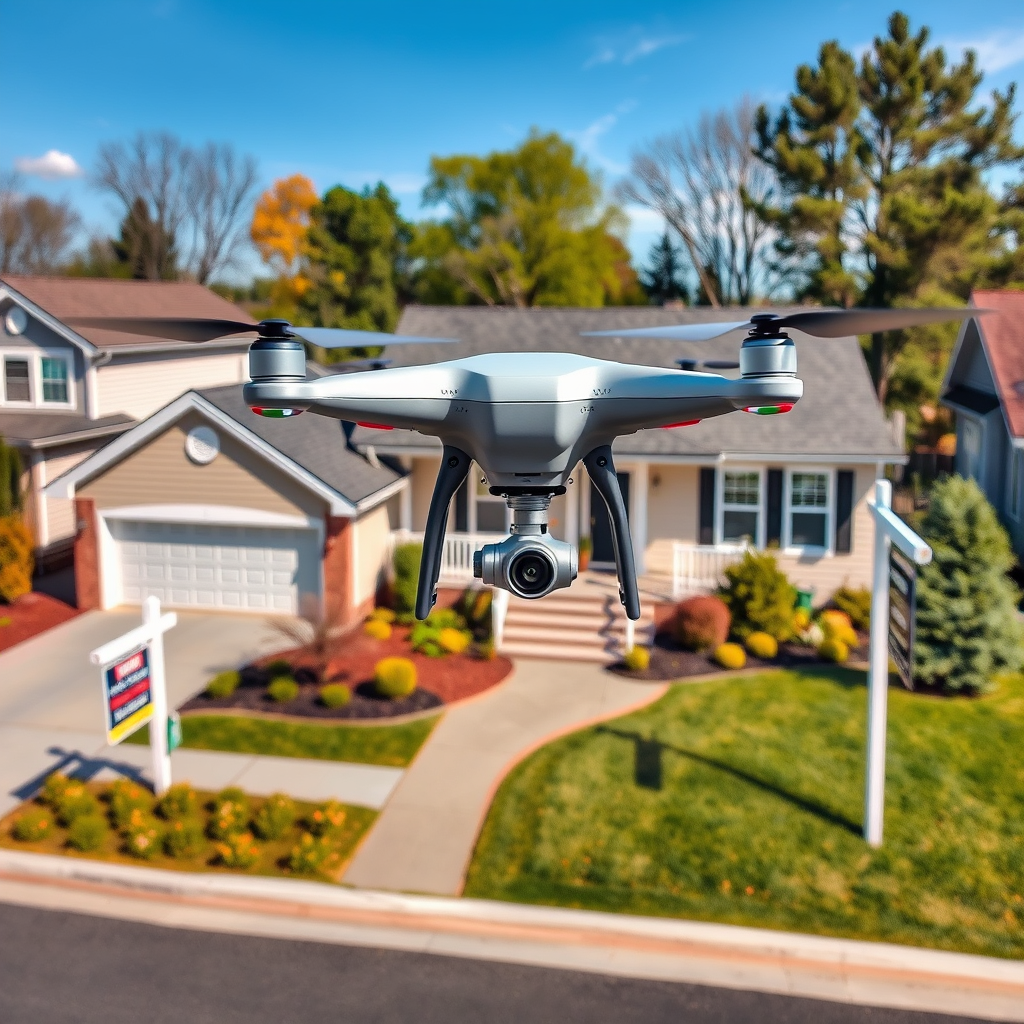
You cannot fly a drone over private property in Massachusetts without the owner’s permission. This restriction is rooted in both state and federal laws designed to protect the privacy and property rights of individuals. For drone operators, understanding these regulations is essential to avoid legal complications and to respect the rights of others. This blog post will delve into the regulations governing drone use in Massachusetts, the implications of property rights, and best practices for responsible drone operation.
Understanding Drone Regulations in Massachusetts
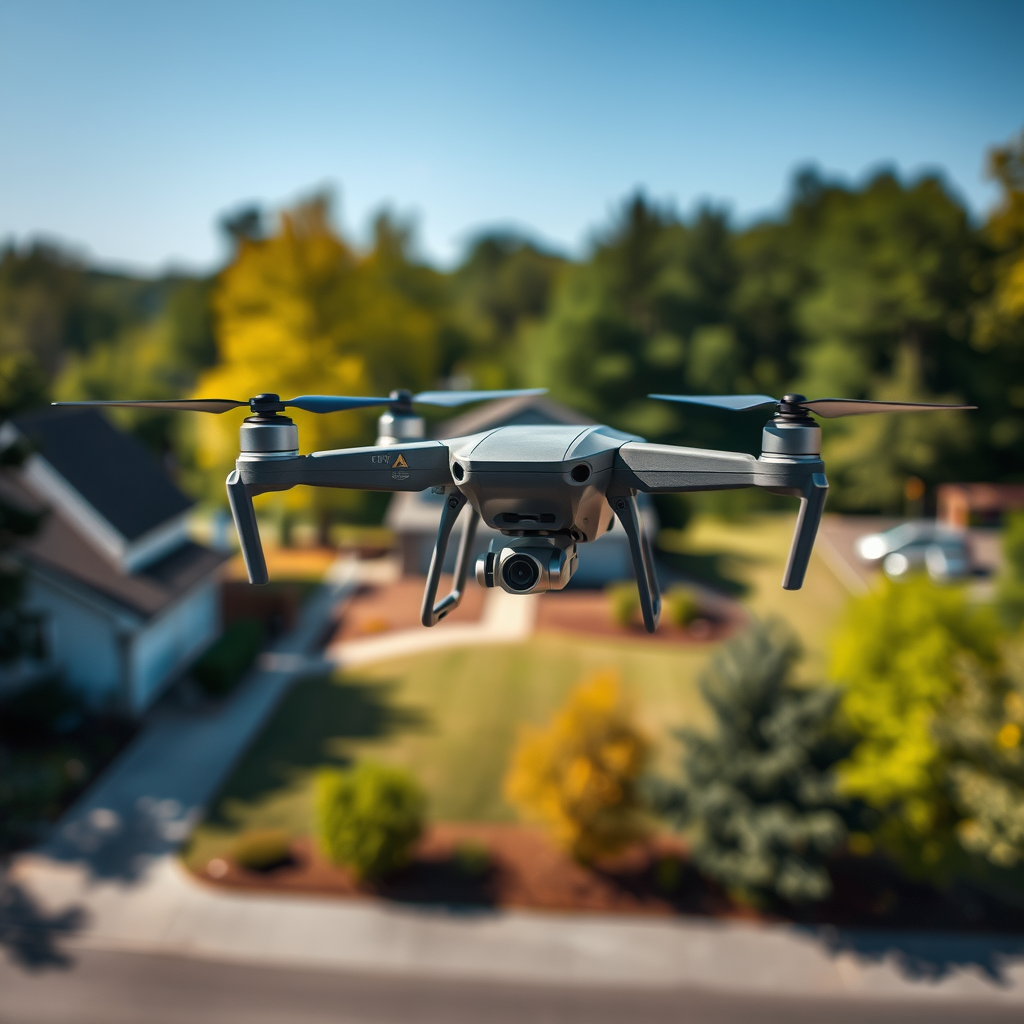
Massachusetts adheres to the federal guidelines established by the Federal Aviation Administration (FAA) concerning drone operation. The FAA has set forth clear regulations that dictate where and how drones can be flown, which include designated airspace classifications and altitude restrictions. For instance, drones are generally prohibited from flying above 400 feet in uncontrolled airspace.
In addition to federal regulations, Massachusetts has implemented state laws that further govern drone usage, particularly concerning privacy and property rights. These state laws often highlight the need for drone operators to respect the boundaries of private property, establishing a framework that protects property owners from unauthorized surveillance and intrusion. It is crucial for drone operators to familiarize themselves with both federal and state regulations to ensure compliance and avoid potential legal pitfalls.
Property Rights and Drones
Property owners in Massachusetts possess the right to control the airspace above their land, which means flying a drone without explicit permission can lead to claims of trespassing. This principle is grounded in the common law doctrine known as “nuisance,” which protects property owners from excessive interference with their use and enjoyment of their property.
For example, if a drone operator flies over a private residence and captures images or video without consent, the property owner may argue that their right to privacy has been violated. This scenario can escalate to legal action, potentially resulting in civil lawsuits against the drone operator. Therefore, it is imperative for drone pilots to understand that the airspace is not just an open field for operation; it is intricately linked to the rights of those who own the land below.
Federal Aviation Administration (FAA) Guidelines
The FAA plays a critical role in regulating drone flights across the United States, including Massachusetts. Under FAA guidelines, drone operators must adhere to specific regulations regarding altitude, airspace classifications, and operational limits. For instance, drones are prohibited from flying near airports and must maintain a visual line of sight during operation.
Moreover, the FAA has established rules for the remote identification of drones, which enhances accountability for drone operators. Compliance with these regulations is not only a legal obligation but also a means of contributing to the safety of the national airspace system. Operators must also register their drones with the FAA if they weigh more than 0.55 pounds. By adhering to FAA guidelines, drone pilots can ensure that their flights are both safe and lawful.
Privacy Concerns and Legal Implications
One of the most significant concerns surrounding drone usage is the potential invasion of privacy. Drones equipped with high-definition cameras can easily capture images and videos of individuals without their knowledge or consent. In Massachusetts, privacy laws protect individuals from unauthorized surveillance, and violations can lead to serious legal repercussions, including fines and lawsuits.
For instance, Massachusetts has enacted specific laws that prohibit the use of drones for voyeuristic purposes, which includes capturing images of individuals in private settings without their consent. If a drone operator is found to be in violation of these laws, they may face criminal charges in addition to civil liabilities. Consequently, it is essential for drone operators to remain vigilant and ensure that their operations do not infringe upon the privacy rights of others.
Best Practices for Drone Operators
To operate drones responsibly and legally in Massachusetts, it is crucial for operators to adopt best practices. First and foremost, always seek permission from property owners before flying over private land. This not only fosters goodwill but also helps prevent potential legal disputes.
Additionally, drone operators should familiarize themselves with local laws and regulations regarding drone use. Many municipalities have specific ordinances that may impose additional restrictions or requirements for drone flights. Joining a local drone club or association can also provide valuable insights and resources for navigating the complexities of drone operation.
Furthermore, maintaining a respectful distance from residential areas and avoiding flights over gatherings of people can mitigate privacy concerns and enhance community trust. Operators should also invest in proper training and education, which can improve their skills and knowledge of safe flying practices.
Consequences of Unauthorized Drone Flights
Engaging in unauthorized drone flights over private property can lead to severe consequences for the operator. Legal repercussions may include civil lawsuits filed by property owners claiming trespassing or invasion of privacy, which could result in significant financial liabilities. Additionally, regulatory penalties from the FAA, such as fines, can further compound the legal fallout of such actions.
Beyond the legal implications, unauthorized drone flights can damage an operator’s reputation within their community. Trust is essential for drone enthusiasts, and negative perceptions can hinder future opportunities for responsible drone use. Building positive relationships with the community and respecting property rights can go a long way in fostering a supportive environment for drone operations.
Resources for Drone Pilots
For those interested in flying drones in Massachusetts, several resources can provide guidance on local laws and FAA regulations. The Massachusetts government website offers a comprehensive overview of state-specific drone laws, while the FAA’s website provides essential information on national regulations, registration, and safety guidelines.
Additionally, local drone clubs and organizations can serve as valuable networks for pilots seeking to connect with fellow enthusiasts, share experiences, and gain insights on best practices. Engaging with these communities can not only enhance your knowledge but also ensure that you remain informed about any changes in drone regulations or local ordinances.
In summary, flying a drone over private property in Massachusetts necessitates obtaining the owner’s permission to avoid legal complications. Understanding the intricate web of regulations, property rights, and privacy concerns is vital for any responsible drone operator. By adhering to best practices and staying informed about the laws governing drone use, pilots can contribute positively to their communities while enjoying the benefits of this innovative technology. Always prioritize respect for others’ rights, and maintain a commitment to responsible drone operation.
Frequently Asked Questions
Can I legally fly a drone over private property in Massachusetts?
Yes, you can legally fly a drone over private property in Massachusetts, but there are important considerations to keep in mind. While federal law grants you the right to fly over private land, you should respect the property owner’s privacy and avoid flying at low altitudes that may intrude upon their space. Additionally, it’s wise to check local ordinances, as some municipalities may impose restrictions on drone usage.
What are the restrictions for flying drones in residential areas in Massachusetts?
In Massachusetts, flying drones in residential areas is subject to both federal and state regulations. You must adhere to the FAA’s guidelines, which include maintaining a minimum altitude of 400 feet and keeping your drone within visual line-of-sight. Additionally, be cautious of any local laws that may further restrict drone operations, such as no-fly zones around schools, parks, and airports.
How can I avoid conflict when flying a drone over someone else’s property in Massachusetts?
To avoid conflict when flying a drone over private property in Massachusetts, it’s best to communicate with the property owner beforehand. Inform them of your intentions, the purpose of your drone flight, and the duration. This proactive approach can help alleviate concerns and minimize potential disputes over privacy or safety.
What should I do if a property owner asks me to stop flying my drone over their land?
If a property owner requests that you stop flying your drone over their land, it’s important to comply with their wishes to avoid potential legal issues or conflicts. While you may have the legal right to fly in certain areas, respecting the property owner’s request is good practice and promotes positive relations. Consider relocating your flight path to avoid their property entirely.
Which drone regulations should I be aware of when flying in Massachusetts?
When flying a drone in Massachusetts, you should be aware of both FAA regulations and state-specific laws. Key FAA rules include registering your drone if it weighs over 0.55 pounds, flying below 400 feet, and avoiding restricted airspace. Additionally, Massachusetts law may have specific regulations regarding privacy and surveillance, so it’s wise to familiarize yourself with local laws to ensure compliance and responsible drone operation.
References
- https://www.mass.gov/guides/drone-law
- https://www.mass.gov/service-details/drones-and-the-law
- https://www.wbur.org/news/2021/06/29/drone-laws-massachusetts-private-property
- https://www.nytimes.com/2021/07/01/us/drone-laws-massachusetts.html
- https://www.nerc.com/pa/Stand/Pages/Drone-Operations.aspx
- https://www.faa.gov/uas/getting_started/registration/
- https://www.ama-assn.org/delivering-care/public-health/drone-laws-state-state-guide
- https://www.wired.com/story/drone-laws-in-every-state/
