
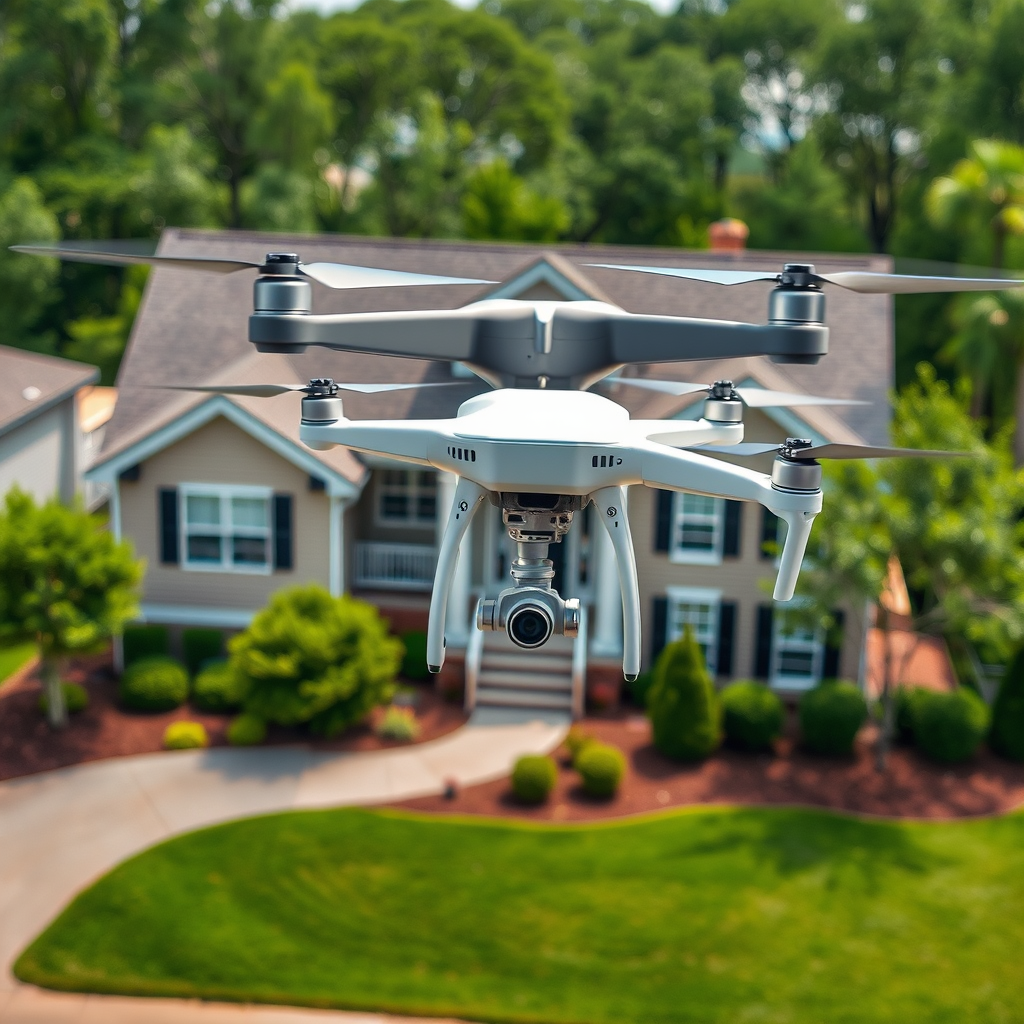
Yes, you can fly a drone over private property in North Carolina, but there are specific laws and regulations to consider. Understanding both state and federal guidelines is crucial to ensure that you operate your drone legally and respectfully. Drone operators must navigate a complex landscape of regulations to avoid legal pitfalls while also being mindful of the privacy rights of landowners. This article will delve into the intricacies of drone laws in North Carolina, offering insights into how to fly responsibly and legally.
Understanding North Carolina Drone Laws
North Carolina adheres closely to federal regulations set by the Federal Aviation Administration (FAA). This means that drone operators in the state are subject to the same rules that apply nationwide. However, it is important to note that local laws can vary significantly. Municipalities may enact their own regulations concerning drone flights, which can include restrictions on where and when drones can be flown. For instance, some cities have prohibited drone use in public parks or near schools. Therefore, it is imperative for drone pilots to familiarize themselves with both state and local regulations before taking to the skies. Checking with your local government or municipal office can provide clarity on any specific rules that may apply in your area.
Federal Regulations Governing Drones
At the federal level, the FAA mandates that all drones weighing over 0.55 pounds must be registered. This registration process is essential for accountability and safety, as it helps the FAA track drone usage. Moreover, commercial drone operators must adhere to Part 107 of the FAA regulations, which includes guidelines such as maintaining visual line-of-sight with the drone, flying at or below 400 feet, and avoiding flights over people without a waiver. Additionally, drone operators must ensure that their drones are equipped with necessary safety features, such as anti-collision lights if flying at night. Understanding these regulations is crucial for anyone looking to operate drones in a commercial capacity or even for recreational use.
Privacy Considerations
Flying a drone over private property can raise significant privacy concerns for landowners. In North Carolina, individuals have the right to enjoy their property without undue interference, which extends to aerial surveillance. Capturing images or videos without the property owner’s consent can lead to allegations of invasion of privacy. To avoid potential legal issues, it is best practice to seek permission from property owners before flying above their land. This not only fosters a respectful relationship but also helps to mitigate any misunderstandings or disputes. In some cases, property owners may be more open to drone flights if they understand the purpose, such as for real estate photography or agricultural monitoring.
Airspace Restrictions
There are also specific airspace restrictions that drone operators must be aware of when flying in North Carolina. Certain areas, particularly those surrounding airports, military bases, and other sensitive locations, have designated no-fly zones. For instance, the FAA regulates airspace around airports to ensure the safety of manned aircraft. Operators can utilize various apps and tools, such as the FAA’s B4UFLY app, to identify restricted airspace before planning their flights. These tools provide real-time data on airspace status, helping operators avoid inadvertent violations that could lead to serious consequences.
Best Practices for Flying Over Private Property
While it may be legal to fly over private property, adhering to best practices can enhance the flying experience and foster goodwill with landowners. Always seek permission from property owners before commencing your flight. This not only demonstrates respect but also helps in building trust within the community. Additionally, maintaining a safe distance from people and private structures is crucial for safety and to avoid potential legal disputes. Drone operators should avoid hovering over private property for extended periods, as this can be perceived as intrusive. By following these best practices, drone pilots can enjoy their hobby or profession while respecting the rights of others.
Consequences of Violating Drone Laws
Failing to comply with drone regulations can result in severe consequences, including fines and potential legal actions. The FAA can impose civil penalties for violations of airspace regulations or for operating a drone without proper registration. Beyond regulatory penalties, property owners may take action if they believe their privacy has been invaded, which can lead to lawsuits or claims for damages. Understanding the legal landscape is vital for drone operators to avoid these pitfalls and ensure a safe flying experience.
In summary, while you can fly a drone over private property in North Carolina, it is essential to be aware of and comply with all relevant laws and regulations. Always prioritize respect for privacy and seek permission when necessary to ensure a safe and lawful flying experience. By adhering to both federal and state guidelines, understanding privacy concerns, and practicing responsible flying, drone operators can enjoy the many benefits of aerial photography and exploration without infringing on the rights of others.
Frequently Asked Questions
Can you fly a drone over private property in North Carolina without permission?
In North Carolina, flying a drone over private property without permission can lead to legal issues. While the Federal Aviation Administration (FAA) regulates airspace and allows drone flights in many areas, state laws also apply. North Carolina law emphasizes the importance of respecting privacy rights, so it’s advisable to seek permission from property owners before flying to avoid potential conflicts and legal repercussions.
What are the laws regarding drone use over private property in NC?
In North Carolina, drone operators must adhere to both federal and state regulations. The FAA provides general guidelines for drone operation, while North Carolina has specific laws that protect individual privacy. For instance, using a drone to capture images or recordings of someone’s private property without consent could lead to trespassing charges. Always check for local laws and regulations to ensure compliance and avoid any legal issues.
How can you obtain permission to fly a drone over someone’s private property in NC?
To obtain permission to fly a drone over private property in North Carolina, you should start by directly contacting the property owner. A polite approach, explaining your intentions and the purpose of the flight, can often lead to a favorable response. It’s also beneficial to discuss any safety measures you plan to implement, which can help alleviate any concerns the property owner might have.
Why is it important to respect private property rights when flying drones in North Carolina?
Respecting private property rights when flying drones in North Carolina is crucial to maintaining good community relations and avoiding legal issues. Violating these rights can result in trespassing claims and possible civil liability. Additionally, fostering a respectful relationship with property owners encourages a positive environment for drone enthusiasts and can lead to more opportunities for collaboration and photography.
What are the best practices for flying a drone near private property in NC?
The best practices for flying a drone near private property in North Carolina include maintaining a safe distance from structures and people, adhering to FAA regulations, and obtaining permission when necessary. Always fly at a safe altitude, avoid capturing images of private property without consent, and be aware of your surroundings. Following these practices not only ensures compliance with the law but also promotes responsible drone use within the community.
References
- https://www.ncleg.gov/enactedlegislation/statutes/html/bysection/chapter_63/gs_63-95.html
- https://www.faa.gov/uas/
- https://www.nc.gov/news/press-releases/2019/06/20/governor-cooper-signs-drone-legislation
- https://www.ncbar.gov/public/consumer/faq/drone-law-in-north-carolina
- https://www.wral.com/n-c-drone-laws-what-you-need-to-know/18820307/
- https://www.nc.gov/documents/north-carolina-drone-law-guide
- https://www.c-span.org/video/?c4966233/drone-regulations-north-carolina
- https://www.thebalancecareers.com/drone-law-in-north-carolina-5079024
- https://www.usatoday.com/story/tech/talkingtech/2021/05/03/drones-north-carolina-legal-guidelines-what-you-need-know/7407640002/
