
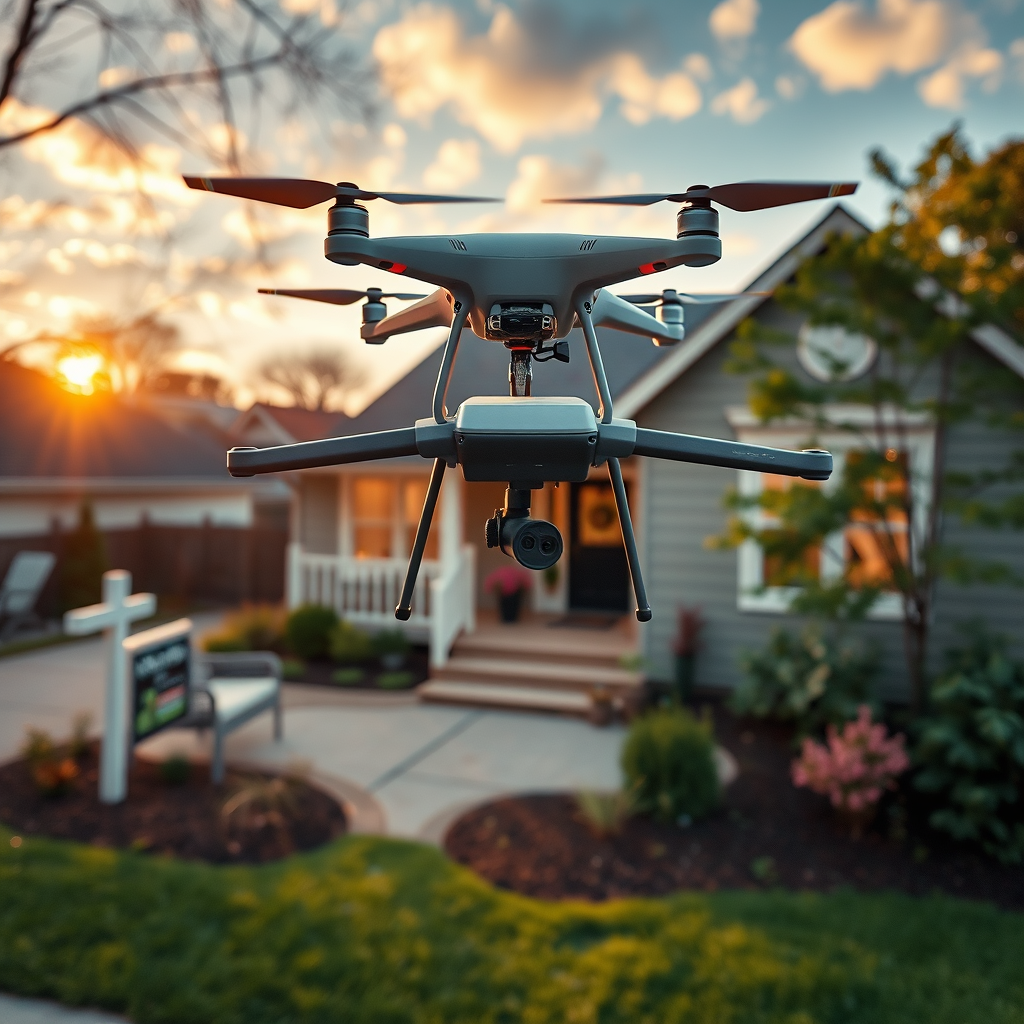
Yes, you can fly a drone over private property in Ohio, but there are specific regulations and considerations you must be aware of. Understanding these laws will help you navigate the complexities of drone usage while respecting property rights and aviation regulations. As drone technology continues to evolve, it is crucial for operators in Ohio to remain informed about both federal and state laws governing airspace, privacy, and local ordinances to ensure responsible and legal drone operation.
Understanding Ohio Drone Laws
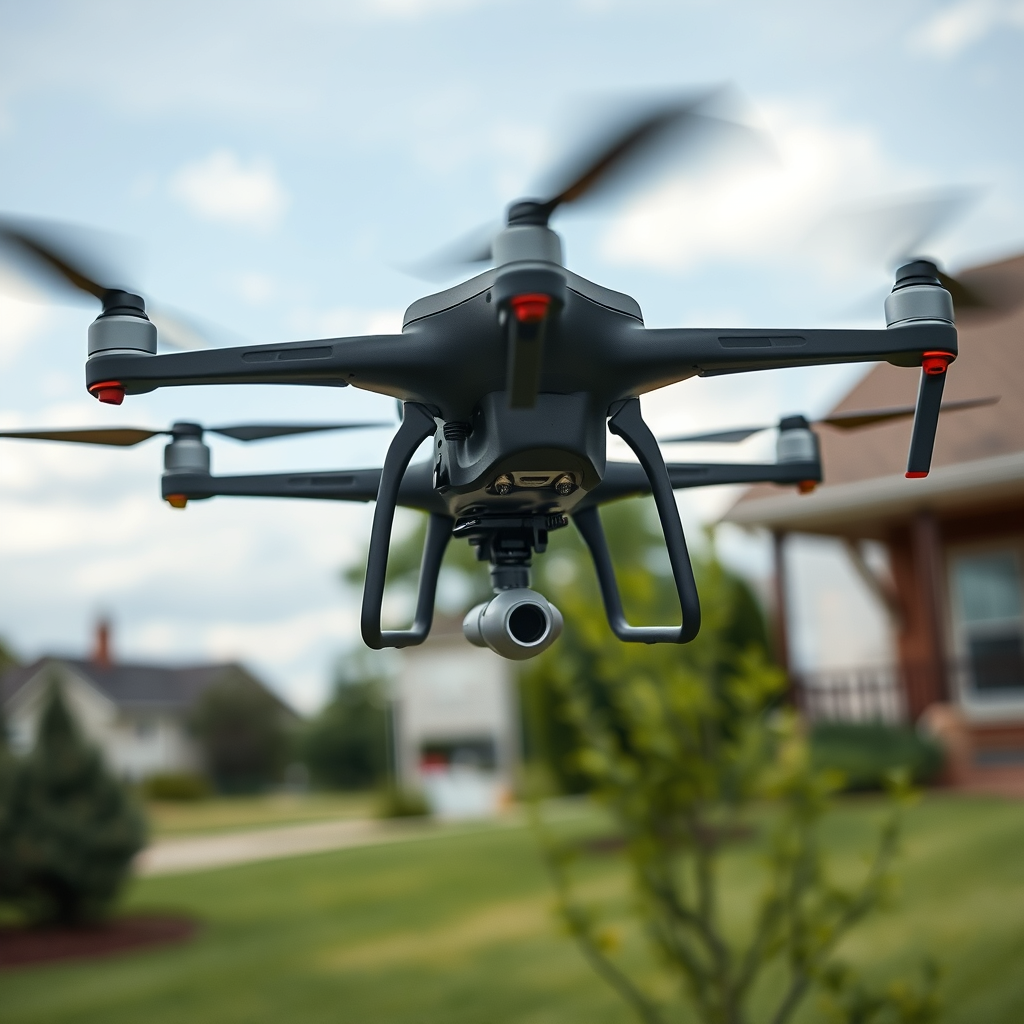
Ohio adheres to the federal aviation regulations set by the Federal Aviation Administration (FAA), which govern the use of unmanned aerial vehicles (UAVs) across the United States. According to FAA guidelines, drones must be flown at or below 400 feet above ground level to minimize the risk of collision with manned aircraft. Additionally, drone operators must maintain visual line-of-sight with their drones during flight, ensuring they can see and control the aircraft without the use of binoculars or other aids.
In Ohio, drone operators must also comply with the FAA’s Part 107 regulations if they are using drones for commercial purposes. This includes obtaining a Remote Pilot Certificate, registering the drone, and following specific operational limitations. Those flying drones for recreational purposes should adhere to the FAA’s safety guidelines, including not flying near airports or in restricted airspace.
Property Rights and Airspace
The law generally allows for drone operation over private property, provided that operators are not invading the privacy of individuals on the ground. In Ohio, landowners do have rights to the airspace above their property, although this right does not extend indefinitely. According to legal precedents, property owners typically control the airspace up to a height that is reasonable for their use, which is usually interpreted as the space necessary for the enjoyment of their property.
However, the FAA asserts that navigable airspace begins at 500 feet above ground level, meaning that drone operators can fly at lower altitudes without infringing on property rights, as long as they comply with other regulations. It is important to note that flying too low may lead to potential confrontations with property owners, especially if the drone captures images or recordings of their property or activities.
Privacy Concerns
Flying a drone that captures images or videos can raise significant privacy concerns. There is a widespread expectation of privacy in residential areas, and operators should exercise caution to avoid intruding on individuals’ private lives. For instance, capturing footage of private backyards, swimming pools, or outdoor gatherings without consent could lead to allegations of invasion of privacy.
To mitigate these concerns, drone operators should be mindful of where they are flying and the types of images they are capturing. It is advisable to avoid flying over private property where individuals have a reasonable expectation of privacy, such as homes, schools, and places of worship. Many drone operators choose to seek permission from property owners before flying over their land, which can foster goodwill and prevent potential legal issues.
Local Regulations and Restrictions
In addition to state and federal laws, some cities and counties in Ohio may have enacted their own regulations regarding drone flight. For example, certain municipalities might restrict drone usage in public parks, near schools, or in heavily populated areas. These local ordinances can vary significantly, making it essential for drone operators to conduct thorough research before flying in specific locations.
Always check local city or county websites for any drone-related regulations that may apply in your area. Additionally, some Ohio universities and other institutions have set their own restrictions on drone operations on their campuses, which further complicates the regulatory landscape. Being informed about these local regulations can help drone operators avoid fines or legal disputes.
Recommended Best Practices
To ensure a positive experience while flying drones over private property in Ohio, it is recommended that operators take several best practices into consideration. First and foremost, obtaining permission from property owners prior to flying over their land is advisable. This not only fosters a sense of community but also helps to protect the operator from potential legal repercussions.
Additionally, drone operators should strive to fly their drones in a manner that is respectful of the environment and those living around them. This includes avoiding noisy flights during late hours, maintaining a safe distance from people and animals, and being conscious of local wildlife and their habitats. By adhering to these best practices, drone operators can help to ensure that their hobby or profession is viewed positively by the public.
Consequences of Violating Drone Laws
Violating drone regulations can lead to serious consequences, including fines, legal actions from property owners, and potential criminal charges. The penalties can vary widely depending on the nature and severity of the violation. For instance, flying a drone in restricted airspace, such as near airports or military installations, can result in hefty fines imposed by the FAA.
Furthermore, property owners may pursue civil litigation if they feel their rights have been infringed upon, particularly in cases involving privacy invasion. Understanding the potential repercussions of violating drone laws is crucial for responsible flying. Operators should familiarize themselves with both federal and local laws and remain updated on any changes in regulations to avoid unintended violations.
In conclusion, while you can fly a drone over private property in Ohio, it is essential to adhere to both federal and local regulations and to be mindful of privacy concerns. Always do your research and consider reaching out to property owners before flying to ensure a positive experience. By following the established laws and recommended best practices, drone operators can enjoy their hobby responsibly while respecting the rights and privacy of others.
Frequently Asked Questions
Can you legally fly a drone over private property in Ohio?
Yes, you can legally fly a drone over private property in Ohio, but there are specific regulations you need to adhere to. The Federal Aviation Administration (FAA) allows drone operations as long as you maintain a safe distance and do not interfere with the privacy rights of property owners. It’s advisable to seek permission from the property owner to avoid potential disputes and ensure compliance with local laws.
What are the restrictions for flying drones over private property in Ohio?
In Ohio, while you can fly drones over private property, certain restrictions apply. Drones must be flown within visual line of sight, below 400 feet, and during daylight hours. Additionally, you should avoid flying over people, moving vehicles, and near airports. Always check for any local ordinances that might impose further restrictions on drone flights in specific areas.
How can I avoid conflicts when flying a drone over someone else’s property in Ohio?
To avoid conflicts when flying a drone over private property in Ohio, it’s best to communicate with the landowner prior to your flight. Inform them of your intentions and the purpose of your drone usage. Respect their wishes if they express concerns or ask you to refrain from flying above their property, as maintaining good relationships with neighbors is important.
Why is it important to check local laws before flying a drone over private property in Ohio?
Checking local laws before flying a drone over private property in Ohio is crucial because regulations can vary significantly between municipalities. Local ordinances may impose specific restrictions such as no-fly zones or require permits for certain types of drone activities. Being informed about these laws helps you avoid legal issues, fines, or conflicts with property owners.
What should I do if a property owner complains about my drone flying over their land in Ohio?
If a property owner complains about your drone flying over their land in Ohio, it’s important to respond politely and respectfully. Explain your intentions and be open to their concerns. If the property owner requests that you stop flying over their property, it’s best to comply to avoid escalation. Consider discussing the matter further and finding a mutually agreeable solution to prevent future conflicts.
References
- https://www.faa.gov/uas/getting_started/part_107
- https://www.ohio.gov/wps/portal/gov/site/home/
- https://www.ncsl.org/research/telecommunications-and-information-technology/state-drone-laws.aspx
- https://www.ohioattorneygeneral.gov/All-Articles/Articles/Drone-Laws-in-Ohio
- https://www.nytimes.com/2020/01/13/us/drone-laws.html
- https://www.wyso.org/post/understanding-drone-laws-ohio
- https://www.aviation.ohio.gov/
- https://www.dronepilotgroundschool.com/drone-laws-in-ohio/
