
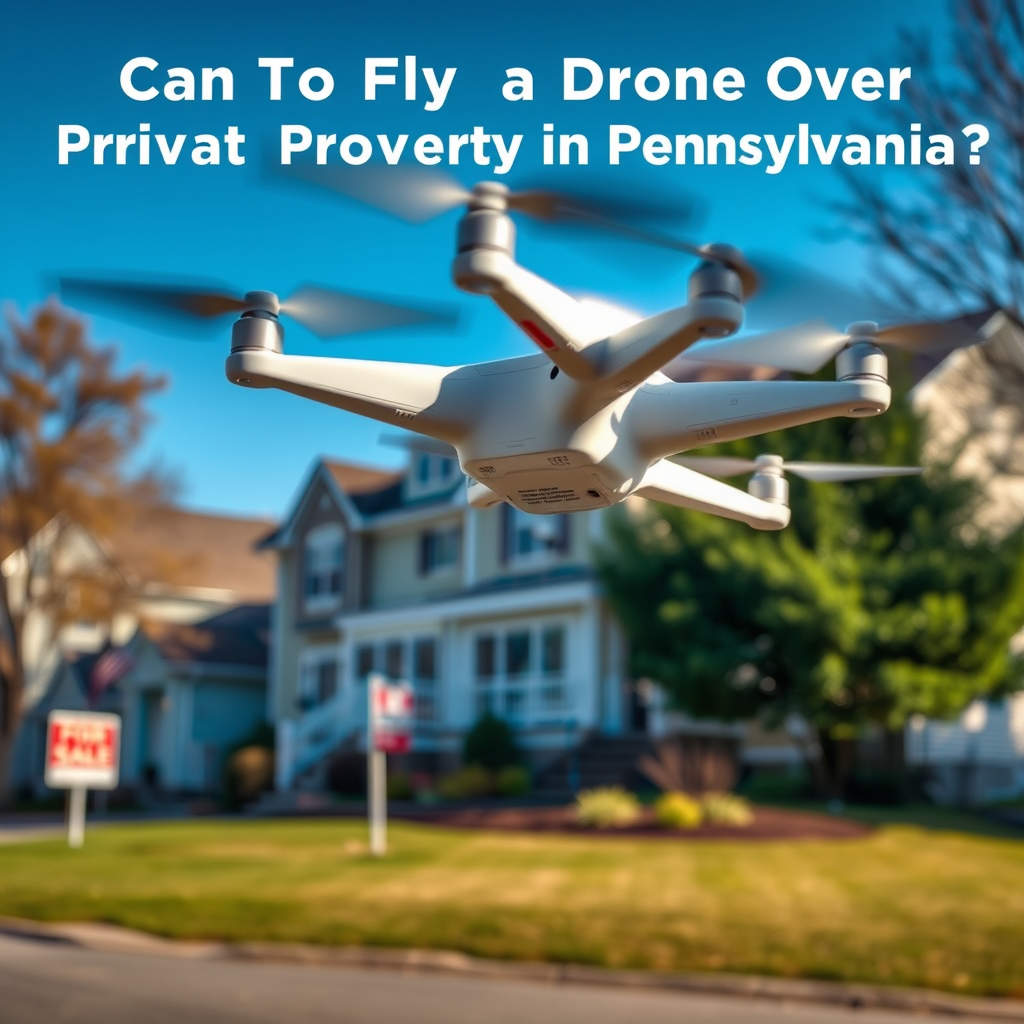
You cannot legally fly a drone over private property in Pennsylvania without the owner’s permission. This restriction is vital for respecting privacy rights and adhering to local laws. As drone technology becomes increasingly popular, understanding the legal framework surrounding drone usage in Pennsylvania is essential for operators to avoid potential conflicts. In this article, we will explore the legal landscape governing drone use in the state, the implications of flying over private property, and best practices for responsible drone operation.
Understanding Pennsylvania Drone Laws
Pennsylvania has established a comprehensive set of regulations governing drone usage, primarily aimed at ensuring public safety and protecting privacy rights. The Pennsylvania Unmanned Aircraft Systems (UAS) law outlines the state’s approach to drone operations, emphasizing that individuals must comply with both state-level regulations and federal guidelines. The Pennsylvania Department of Transportation (PennDOT) and the Pennsylvania Game Commission are key agencies involved in enforcing these laws. PennDOT oversees general drone operations, while the Game Commission enforces regulations specific to wildlife and conservation areas. Understanding these regulations is crucial for drone operators to remain compliant and avoid penalties.
Federal vs. State Regulations
Drones in the United States are primarily regulated by the Federal Aviation Administration (FAA), which establishes rules that apply nationwide. In Pennsylvania, these FAA regulations dictate that drone operators must adhere to guidelines such as maintaining visual line-of-sight and flying below 400 feet. However, state regulations add an additional layer of control, particularly concerning privacy and property rights. For instance, while federal law provides a framework for safe drone operations, Pennsylvania state law protects private property owners from potential aerial trespass. This interaction between federal and state laws creates a complex regulatory environment that drone operators must navigate carefully.
Rights of Property Owners
Property rights in Pennsylvania extend both horizontally and vertically, which includes the airspace above a property. The concept of aerial trespass arises when a drone flies over private land without the owner’s consent. This can lead to legal disputes, as property owners have the right to control the airspace above their property up to a certain altitude. If a drone operator flies over private land without permission, the property owner may seek legal remedies, including trespass claims or injunctions. As such, understanding the implications of aerial trespass is critical for drone operators who wish to avoid litigation and maintain good relationships with landowners.
Seeking Permission: Best Practices
To operate a drone legally over private property in Pennsylvania, obtaining permission from property owners is essential. Here are some best practices for seeking consent:
1. Identify Property Boundaries: Use mapping tools to determine the property lines before flying. This helps ensure you do not inadvertently violate someone’s airspace.
2. Communicate Clearly: Reach out to property owners directly, explaining your intentions and the purpose of your drone flight. A respectful approach can foster goodwill and increase the likelihood of obtaining permission.
3. Document Consent: If possible, obtain written consent from the property owner, which can serve as protection in case of future disputes.
4. Be Transparent: Let property owners know how you plan to operate the drone, including any safety measures you will take to protect their privacy.
5. Respect Their Decision: If a property owner declines permission, respect their wishes. Flying without consent can lead to legal repercussions and damage your reputation as a responsible drone operator.
Consequences of Violating Drone Laws
Violating drone laws in Pennsylvania can result in significant legal repercussions. Unauthorized flights over private property can lead to civil liabilities, including lawsuits for trespass or invasion of privacy. Property owners may file claims for damages, which can include compensation for emotional distress or loss of use of their property. Additionally, drone operators who disregard state and federal regulations may face fines and penalties from agencies like the FAA or PennDOT. Understanding the consequences of violating drone laws underscores the importance of compliance and responsible operation.
Safety and Privacy Considerations
When operating drones, it is crucial to prioritize safety and privacy. Respecting the privacy of individuals and property owners is a fundamental aspect of responsible drone operation. Here are some tips for flying responsibly:
1. Maintain Distance: Keep a safe distance from private properties, ensuring you do not invade anyone’s personal space.
2. Avoid Sensitive Areas: Steer clear of private events, schools, and other sensitive locations where individuals expect a certain level of privacy.
3. Stay Informed: Regularly update yourself on local laws and regulations regarding drone flights, as changes can occur frequently.
4. Use Technology Wisely: Leverage drone features such as geofencing and altitude limits to help ensure compliance with legal requirements.
5. Educate Others: Promote awareness about drone laws within your community, which can contribute to a more knowledgeable and respectful environment for all drone users.
Resources for Drone Operators in Pennsylvania
Drone operators in Pennsylvania have access to a variety of resources that can help them navigate the regulatory landscape:
– Pennsylvania Department of Transportation (PennDOT): Offers guidelines and resources specifically related to drone operation in the state. Visit their website for detailed information: [PennDOT UAS](https://www.penndot.gov/)
– Federal Aviation Administration (FAA): The FAA provides comprehensive information regarding federal drone regulations that apply nationwide. Access their resources here: [FAA Drone Regulations](https://www.faa.gov/uas/)
– Local Drone Clubs: Joining a local drone enthusiast group can provide networking opportunities and valuable insights into safe flying practices and local regulations.
– Educational Workshops: Look for workshops or courses offered by local organizations or universities that focus on drone operation and compliance.
In conclusion, flying a drone over private property in Pennsylvania requires the owner’s permission to avoid legal issues. Understanding the relevant laws and respecting property rights is essential for responsible drone operation. By following best practices for obtaining consent, adhering to safety and privacy considerations, and utilizing available resources, drone operators can enjoy their hobby while minimizing conflicts and contributing positively to their communities. For more information on drone regulations, consider checking local resources or joining a drone community.
Frequently Asked Questions
Can you legally fly a drone over private property in Pennsylvania?
Yes, in Pennsylvania, you can legally fly a drone over private property, but there are important considerations to keep in mind. Federal regulations from the FAA allow drone operators to fly in the national airspace, which includes the airspace above private lands. However, property owners may have certain rights regarding privacy and trespass, so it’s advisable to communicate with landowners before flying over their property to avoid potential disputes.
What are the privacy laws regarding drone flights over private property in Pennsylvania?
In Pennsylvania, privacy laws can be complex when it comes to drone use. While the FAA governs airspace and allows drone flights, the Pennsylvania Wiretapping and Electronic Surveillance Control Act prohibits the unlawful interception of communications. Additionally, flying a drone to capture images or recordings of people without their consent may lead to privacy violations, so it’s crucial to respect individuals’ privacy rights when operating a drone in residential areas.
How can I avoid legal issues when flying a drone over private property in Pennsylvania?
To avoid legal issues when flying a drone over private property in Pennsylvania, it’s best to obtain permission from the property owner before flying. Additionally, familiarize yourself with local laws and regulations regarding drone use, as municipalities may have specific ordinances. Respecting privacy, not capturing images without consent, and adhering to FAA guidelines will help mitigate potential conflicts and ensure responsible drone operation.
What should drone operators consider before flying over private property in Pennsylvania?
Before flying over private property in Pennsylvania, drone operators should consider several factors, including obtaining permission from the property owner, understanding local ordinances, and being aware of the potential for privacy complaints. It’s also important to check for any no-fly zones and ensure that you are flying within the legal altitude limits set by the FAA. Being respectful of the surrounding environment and residents can help foster good relationships with the community.
Which organizations regulate drone use in Pennsylvania?
Drone use in Pennsylvania is primarily regulated by the Federal Aviation Administration (FAA), which sets nationwide guidelines for flying drones. Additionally, state laws and local ordinances may impose further restrictions or requirements on drone operations. It’s essential for drone operators to be aware of both federal regulations and any specific rules established by the Pennsylvania Department of Transportation or local municipalities to ensure compliance and safe flying practices.
References
- https://www.ncsl.org/research/telecommunications-and-information-technology/state-drone-laws.aspx
- https://www.pennlawreview.com/print/vol-165/penn-law-review-pennsylvania-drone-law.pdf
- https://www.faa.gov/uas/resources/policy_library/
- https://www.paaudubon.org/conservation/drone-usage-in-pennsylvania
- https://www.dronelawjournal.com/2021/06/17/the-legal-implications-of-flying-drones-over-private-property/
- https://www.psba.org/2021/01/pennsylvania-drone-law-and-its-impact-on-schools/
