
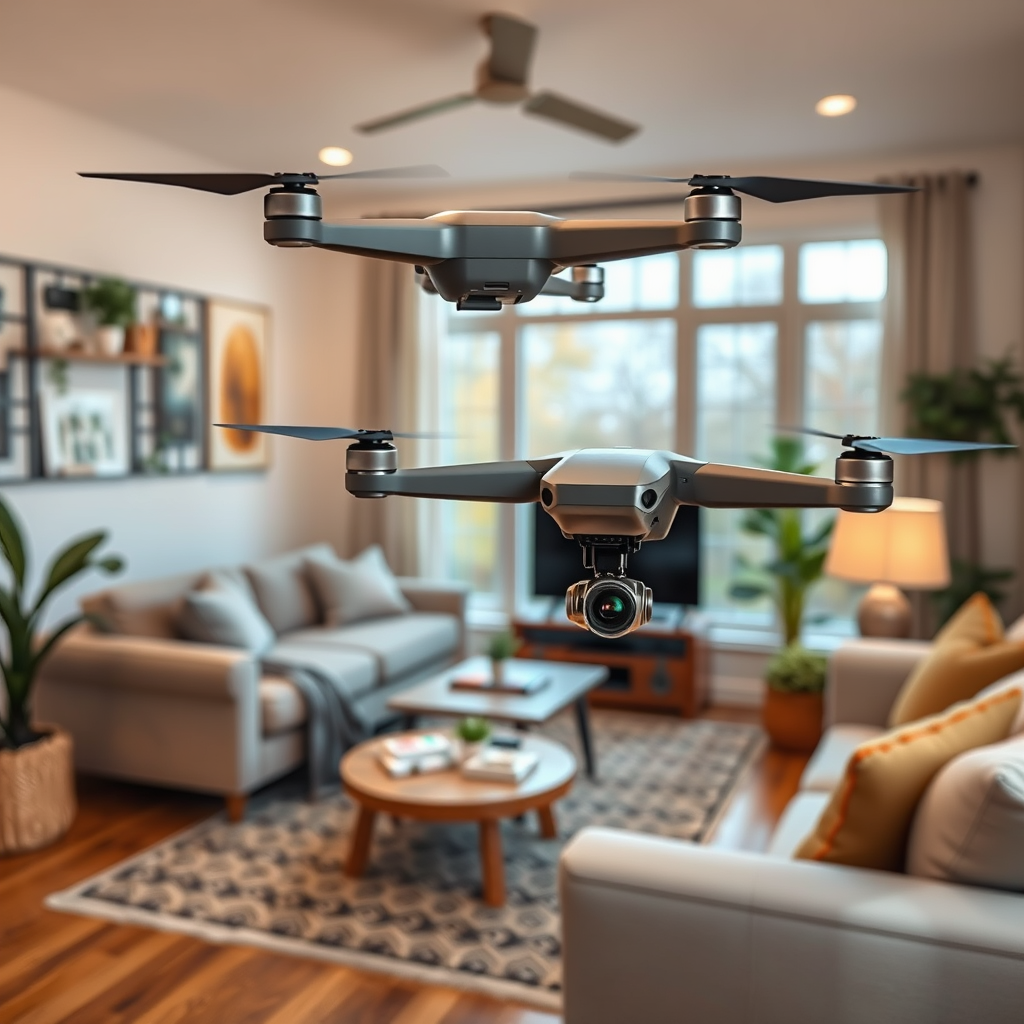
Yes, you can fly a drone over someone’s house, but there are important regulations and ethical considerations to keep in mind. Operating a drone in residential areas is governed by a complex framework of laws and social norms that prioritize safety, privacy, and community relations. Understanding these factors is essential for responsible drone operation, ensuring that you not only comply with legal standards but also foster goodwill among your neighbors.
Understanding the Legal Framework
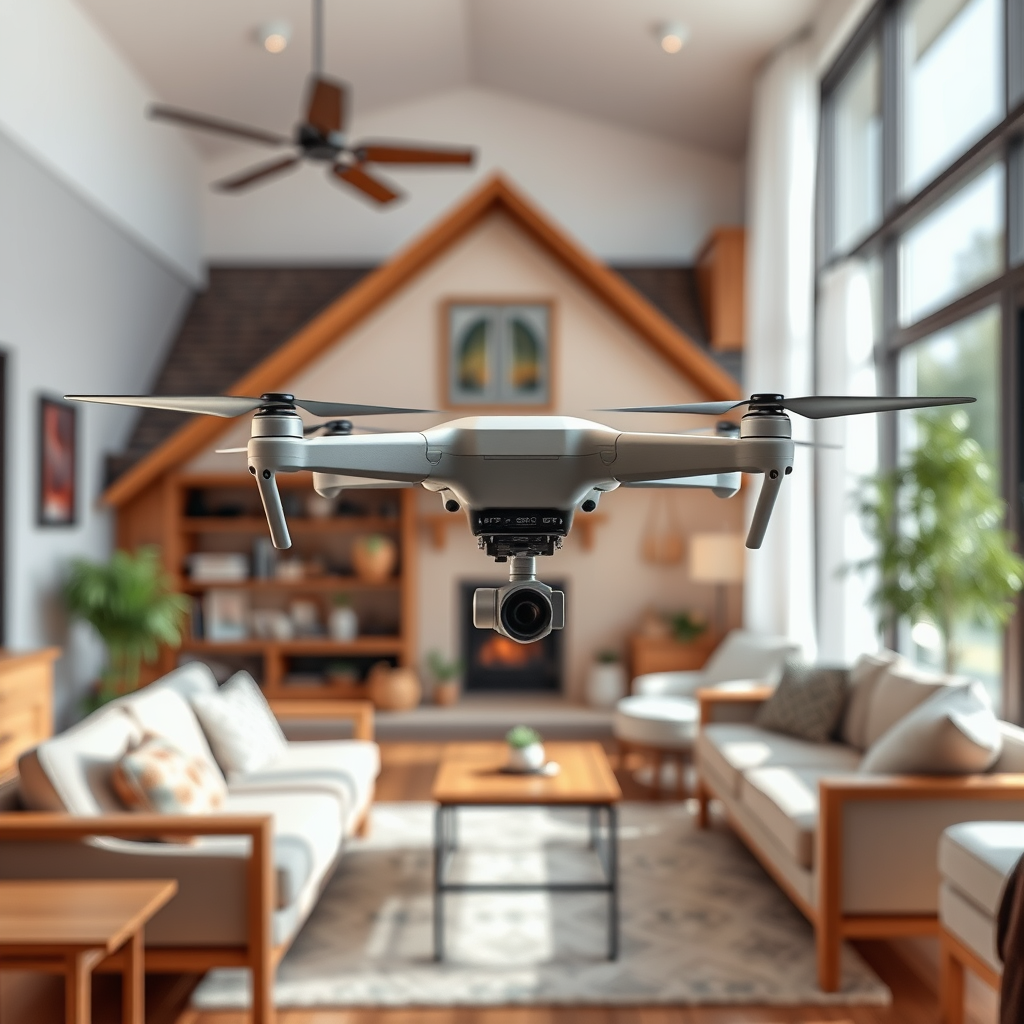
To legally fly a drone over private property, operators must comply with the Federal Aviation Administration (FAA) regulations, which include specific altitude restrictions and guidelines on no-fly zones. For instance, drones are typically required to maintain an altitude below 400 feet and to avoid flying within five miles of airports without prior authorization. Additionally, many cities and states have enacted local laws that impose further restrictions on drone operations, particularly in residential areas.
For example, in some jurisdictions, flying a drone over private property may be prohibited if it is deemed to violate local ordinances regarding noise or nuisance. It’s important to thoroughly research your local laws before operating a drone, as ignorance of these regulations can lead to hefty fines or other legal repercussions. Additionally, being aware of temporary flight restrictions, such as those imposed during public events or emergencies, is crucial for legal compliance.
Privacy Concerns
Flying a drone over someone’s house can raise significant privacy issues that merit careful consideration. Drones equipped with cameras have the potential to capture images and videos of private spaces, which can be intrusive and violate personal privacy. The mere presence of a drone hovering above a home may cause discomfort or anxiety for residents, leading to concerns about surveillance and unauthorized monitoring.
In many states, privacy laws protect individuals from being photographed or recorded without consent in areas where they have a reasonable expectation of privacy, such as their backyards. Therefore, drone operators must be mindful of the potential for emotional distress that could arise from their activities. Engaging in a conversation with property owners before flying can help mitigate these concerns and demonstrate respect for their personal space.
Best Practices for Drone Operation
To ensure a positive relationship with neighbors and the broader community, drone operators should adhere to best practices when flying over residential areas. One of the most effective strategies is to inform property owners in advance if you plan to fly over their property. Providing notice can foster goodwill and alleviate any fears they may have regarding privacy and safety.
Additionally, drone operators should respect personal boundaries by avoiding hovering directly over homes without permission. Instead, consider flying at a safe distance, ensuring that your operations do not interfere with the lives of those below. If you are using your drone for commercial purposes, such as real estate photography, obtaining explicit permission from property owners is not only courteous but often legally required.
Another best practice is to be aware of the time of day during which you choose to operate your drone. Flying during early morning or late evening hours can be disruptive, and adhering to local noise ordinances will help maintain a positive reputation among your neighbors.
Drone Insurance and Liability
As a responsible drone operator, it is crucial to consider obtaining insurance to protect against potential damages or liability claims resulting from drone operations. Many drone insurance policies cover damages to property and injuries to individuals, providing peace of mind in the event of an accident or disturbance.
Understanding your responsibilities as a drone operator is also vital. In the event of an incident, such as crashing into a neighbor’s property, an operator may be held liable for damages. This underscores the importance of flying responsibly, adhering to safety protocols, and maintaining an awareness of your surroundings at all times.
Before flying, familiarize yourself with your insurance policy’s coverage limits and exclusions. This knowledge will help you navigate any potential claims that could arise from your drone activities.
Community Guidelines and Etiquette
Engaging with local drone flying communities can provide valuable insights into established norms and best practices for flying in residential areas. Many communities have developed informal guidelines that promote safe and respectful flying, which can be beneficial for both new and experienced drone operators.
Participating in local drone meetups or forums allows operators to share experiences, discuss challenges, and learn from one another. These interactions can foster a sense of camaraderie among drone enthusiasts, encouraging a culture of responsibility and respect. Moreover, being an active member of the community creates a platform for discussing any concerns that residents may have regarding drone operations.
By building positive relationships with fellow drone operators and local residents, you contribute to a supportive environment that allows for the enjoyment of drone flying while minimizing conflicts.
Reporting Violations and Concerns
It is essential to know how to report any unlawful drone activity to local authorities. If you observe drone operations that appear to violate regulations or pose a safety risk, reaching out to the appropriate agencies can help address the issue effectively. Many local law enforcement agencies have dedicated resources for handling drone-related complaints, making it easier for residents to voice their concerns.
Encouraging community discussions about drone use can also be beneficial. By establishing open lines of communication among residents, drone operators, and local authorities, potential conflicts can be resolved before escalating into more significant issues. Creating community guidelines or hosting informational sessions can help demystify drone operations and promote a better understanding of the technology among those unfamiliar with it.
In addition to addressing concerns, these discussions can lead to the development of mutually agreed-upon guidelines that enhance safety and respect for privacy while allowing drone enthusiasts to enjoy their hobby.
In summary, while flying a drone over someone’s house is generally permissible, it is crucial to adhere to legal regulations and respect privacy. Drones can be a valuable tool for recreation and business, but responsible operation requires understanding the legal framework, addressing privacy concerns, and following best practices. By prioritizing safety, community relations, and open dialogue, drone operators can ensure a positive experience for both themselves and the residents in the areas they fly.
Frequently Asked Questions
Can you legally fly a drone over someone’s house?
In many countries, including the United States, flying a drone over someone’s house is generally legal, but there are specific regulations you must follow. The Federal Aviation Administration (FAA) requires drone operators to maintain a visual line of sight and not fly above 400 feet. Additionally, local laws may impose restrictions, especially in residential areas, so it’s essential to check local regulations before flying.
What are the privacy concerns of flying a drone over private property?
Privacy concerns arise when flying drones over private property due to the potential for surveillance and invasion of personal space. Many individuals feel uneasy about being filmed or monitored without their consent. To address these concerns, drone operators should be mindful of their flight paths and avoid capturing images or videos that could infringe on someone’s privacy, as this could lead to legal issues or complaints.
How can I find out if there are restrictions on flying drones in my area?
To determine if there are restrictions on flying drones in your area, you can use resources such as the FAA’s B4UFLY app, which provides real-time information on airspace restrictions and no-fly zones. Additionally, checking local government websites or contacting local law enforcement can provide information on any specific regulations or ordinances regarding drone use in residential neighborhoods.
Why do some people oppose flying drones over their houses?
Many people oppose flying drones over their houses primarily due to concerns about privacy, safety, and noise. Drones can capture images and videos without consent, causing anxiety about being surveilled. Furthermore, the potential for drones to crash or malfunction poses safety risks, while the noise from drone operations can be disruptive. Respecting neighbors’ concerns can help foster a positive relationship within the community.
What are the best practices for flying a drone near residential areas?
When flying a drone near residential areas, it’s essential to adhere to best practices to ensure safety and respect for privacy. Always maintain a safe distance from homes, avoid flying directly over people, and limit flight times to minimize noise disturbance. Additionally, consider informing neighbors about your drone activities and obtaining their consent if you plan to fly close to their property, as this can help alleviate concerns and build trust.
References
- https://www.faa.gov/uas/getting_started/part_107
- https://www.nolo.com/legal-encyclopedia/drone-law-what-you-need-know-29757.html
- https://www.wired.com/story/drone-flying-laws/
- https://www.bbc.com/news/technology-44683979
- https://www.theguardian.com/technology/2021/jun/17/drone-laws-uk-privacy
- https://www.lawfareblog.com/faq-drone-law-and-privacy
- https://www.privacyinternational.org/explainer/3009/drones-and-privacy
- https://www.nist.gov/news-events/news/2020/06/understanding-drone-privacy-and-security-issues
