
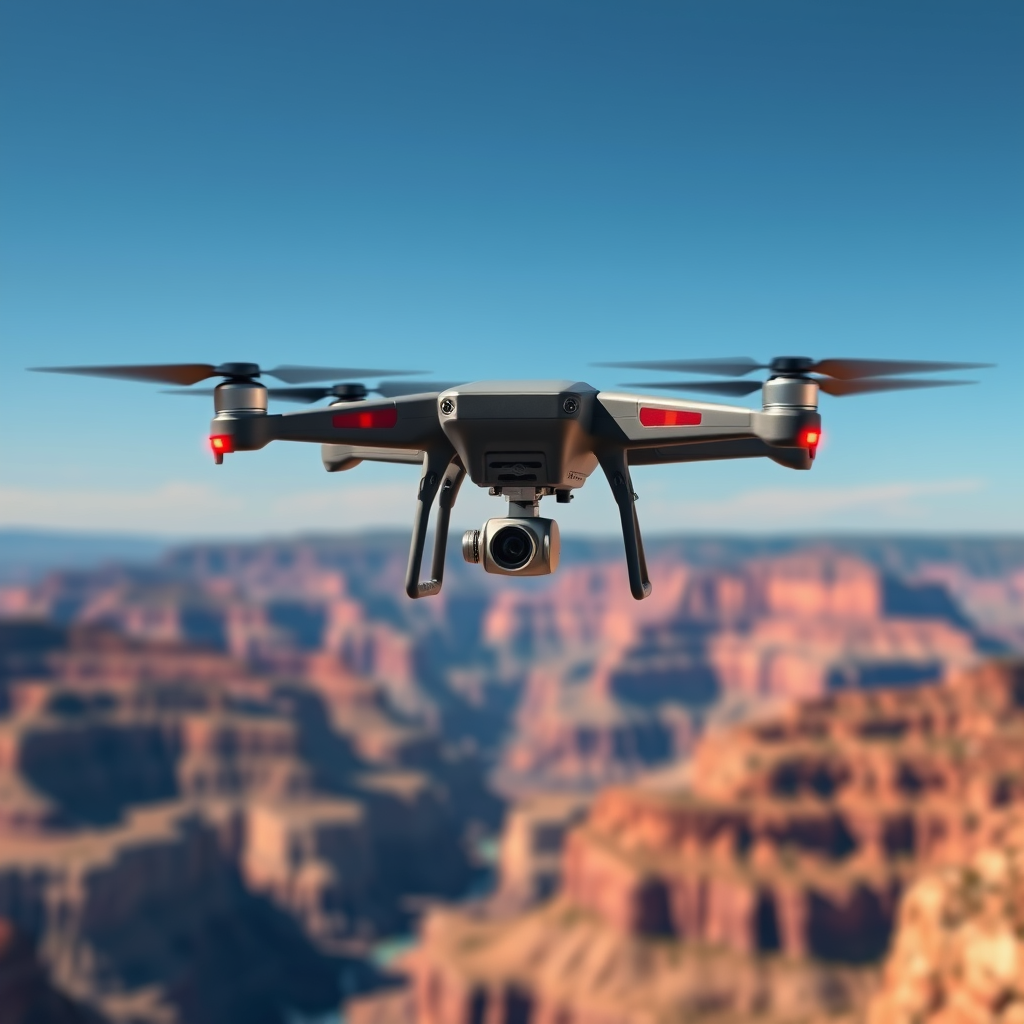
Yes, you can fly a drone over the Grand Canyon, but there are strict regulations and guidelines you must follow to ensure safety and compliance. The Grand Canyon National Park is a protected area with specific rules governing drone usage to preserve its natural beauty and the safety of visitors. Understanding these regulations is crucial for anyone looking to capture aerial views of this iconic landscape.
Understanding Drone Regulations
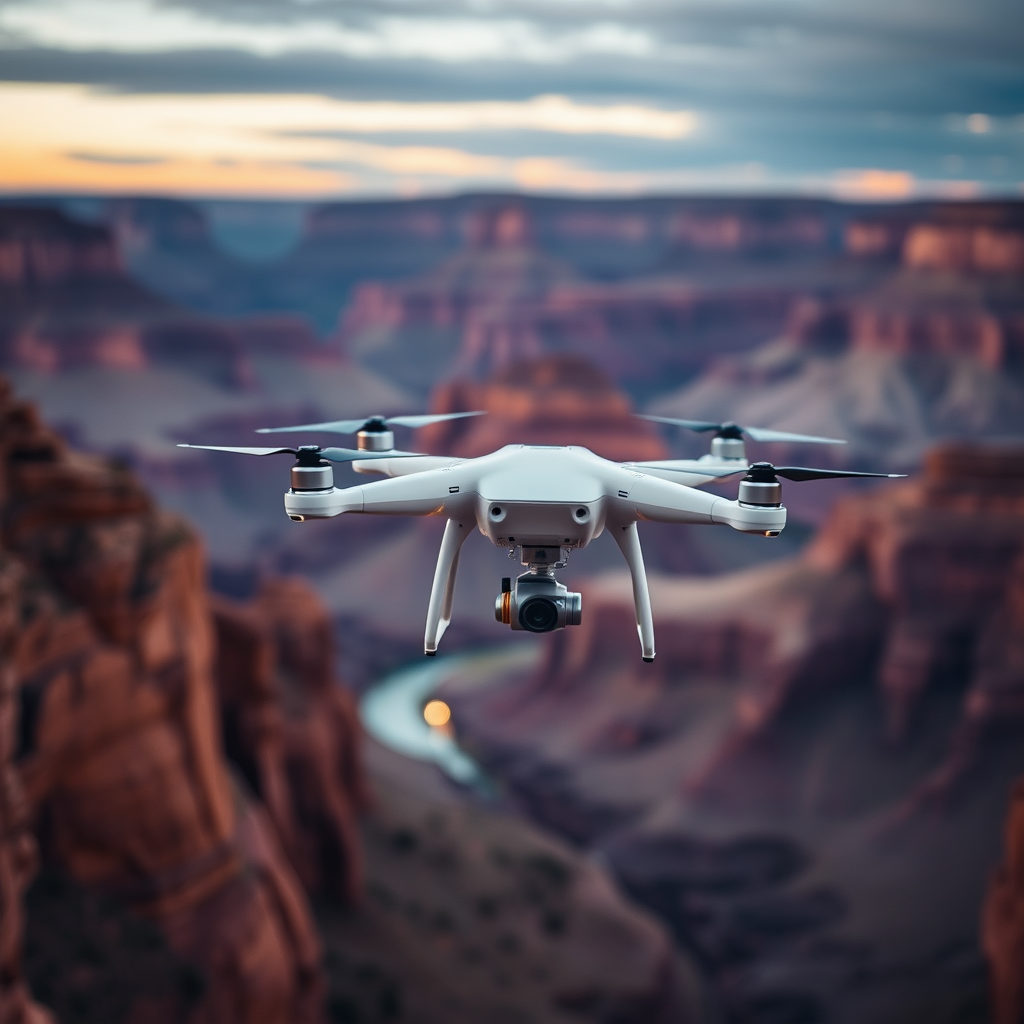
The Grand Canyon is a designated national park that attracts millions of visitors each year, making it imperative to maintain its natural environment and the safety of its guests. The National Park Service (NPS) has stringent regulations regarding drone flights to protect wildlife, minimize disturbances, and ensure the safety of all park visitors.
Currently, flying a drone is prohibited in most areas of the Grand Canyon unless you have obtained a special use permit. This prohibition is due to concerns over noise pollution, potential wildlife disturbances, and the risk of accidents involving visitors or other aircraft. As a drone operator, it is your responsibility to familiarize yourself with the specific regulations pertaining to drone use in the park, which can change frequently based on environmental assessments and park management policies.
Applying for a Permit
If you are a commercial drone operator who wishes to conduct flights for photography or videography purposes, obtaining a special use permit from the NPS is necessary. The application process can be lengthy, often requiring submission several months in advance of your planned flight date. The NPS evaluates each request on a case-by-case basis, and you must provide detailed information about your intended use, flight plans, and the safety measures you will implement.
For hobbyists, the situation is more restricted. Generally, hobbyists are not allowed to fly drones in the Grand Canyon National Park without a permit, especially in sensitive areas where wildlife and natural resources might be adversely affected. Therefore, anyone considering flying a drone in these regions should carefully assess their options and the associated regulatory requirements before proceeding.
Safety Considerations
Safety is paramount when flying a drone, particularly in an environment as unique and diverse as the Grand Canyon. First and foremost, you should always be aware of the wildlife in the area. The Grand Canyon is home to numerous species, some of which are endangered or sensitive to disturbances. Avoid flying near animals, as this can lead to stress or disruption of their natural behaviors.
Additionally, maintaining a safe distance from park visitors and structures is crucial to prevent accidents. The Grand Canyon can become crowded, especially during peak tourist seasons, so being vigilant about your surroundings is essential. Always operate your drone at a safe distance, ensuring that you have clear visibility and can react quickly to any sudden changes in the environment or visitor traffic.
Ideal Locations for Drone Use
While the Grand Canyon National Park itself has strict regulations concerning drone usage, there are alternative locations just outside its boundaries where drone use may be more permissible. Researching these areas thoroughly can help you identify ideal spots for drone flights while adhering to local regulations.
For instance, regions surrounding the park may offer stunning vistas that can be captured from above without the stringent restrictions imposed by the NPS. Additionally, some areas may allow drone use with a permit, so checking with local land management agencies or consulting park maps can provide valuable insights into potential locations for safe and lawful drone operation.
Best Practices for Drone Flight
Before heading to the Grand Canyon with your drone, ensure that it is in optimal working condition. This includes conducting thorough pre-flight checks to confirm that all components are functioning correctly and that the battery is fully charged. A well-maintained drone is less likely to malfunction during flight, reducing the risk of accidents.
Furthermore, adhering to the Federal Aviation Administration (FAA) guidelines for drone operation is essential. This includes observing altitude limits, maintaining visual line-of-sight during flight, and being aware of no-fly zones, such as those near airports or large gatherings. Engaging with the local drone community and staying updated on best practices can enhance your flying experience while ensuring compliance with legal requirements.
Capturing Stunning Footage
Flying a drone over the Grand Canyon offers an unparalleled opportunity to capture breathtaking aerial photography and video. The park’s dramatic landscapes, with their vibrant colors and intricate geological formations, provide a stunning backdrop for any drone operator. To maximize your shooting potential, plan your shots in advance, considering the time of day and lighting conditions that will best showcase the beauty of the canyon.
Additionally, familiarize yourself with the drone’s camera capabilities and settings to achieve the desired results. Experimenting with different angles and perspectives can lead to compelling content that highlights the grandeur of the Grand Canyon. Remember to respect the environment while you fly, ensuring that your activities do not disturb the natural beauty that draws so many visitors to this national treasure.
In conclusion, while it is possible to fly a drone over the Grand Canyon, adherence to regulations and safety protocols is crucial. Understanding the legal requirements, applying for the necessary permits, and prioritizing the safety of wildlife and visitors will contribute to a responsible and enjoyable flying experience. If you’re interested in capturing the magnificent views from above, make sure to do your research and follow the necessary steps to ensure a safe and legal flight.
Frequently Asked Questions
Can you fly a drone over the Grand Canyon?
No, flying a drone over the Grand Canyon is prohibited due to National Park Service regulations. The Grand Canyon is a protected area, and the use of drones can disturb wildlife, disrupt other visitors’ experiences, and pose safety risks. If you’re planning to capture aerial footage, consider alternative locations outside the park’s boundaries where drone usage is permitted.
What are the regulations for flying drones in national parks like the Grand Canyon?
Regulations for flying drones in national parks, including the Grand Canyon, are governed by the National Park Service, which prohibits drone use without a special permit. This policy is in place to protect the park’s natural and cultural resources as well as to ensure visitor safety. Always check the specific park’s website or contact park authorities for the most current rules and any potential permit requirements for commercial drone use.
Why are drones banned in the Grand Canyon National Park?
Drones are banned in Grand Canyon National Park primarily to protect wildlife, maintain the park’s natural soundscape, and ensure visitor safety. The presence of drones can disrupt nesting birds and other wildlife, while also detracting from the tranquil experience that many visitors seek. Additionally, the park’s vast and rugged terrain poses unique safety challenges for drone operations, making it difficult to manage potential accidents effectively.
What are the best alternative locations for flying drones near the Grand Canyon?
The best alternative locations for flying drones near the Grand Canyon are areas outside the park’s boundaries, such as nearby state parks or open public lands where drone regulations are more relaxed. For instance, the Kaibab National Forest and the Coconino National Forest offer expansive areas for drone flying with fewer restrictions. Always ensure you check local laws and regulations before flying your drone in these alternative locations.
How can I legally capture aerial footage of the Grand Canyon without using a drone?
To legally capture aerial footage of the Grand Canyon without using a drone, consider hiring a licensed aerial photography service that uses manned aircraft or helicopters. These services can provide stunning views of the canyon while adhering to legal requirements. Additionally, you can explore vantage points within the park or use ground-based photography techniques to capture the beauty of the Grand Canyon without violating drone regulations.
References
- https://www.nps.gov/grca/planyourvisit/drone.htm
- https://www.faa.gov/uas/
- https://www.grandcanyon.com/drone-regulations/
- https://www.colorado.edu/engineering/
- https://www.azcentral.com/story/news/local/arizona-breaking/2020/07/09/drone-use-grand-canyon-national-park/5395867002/
- https://www.nps.gov/grca/learn/news/drone-use-in-the-grand-canyon.htm
