
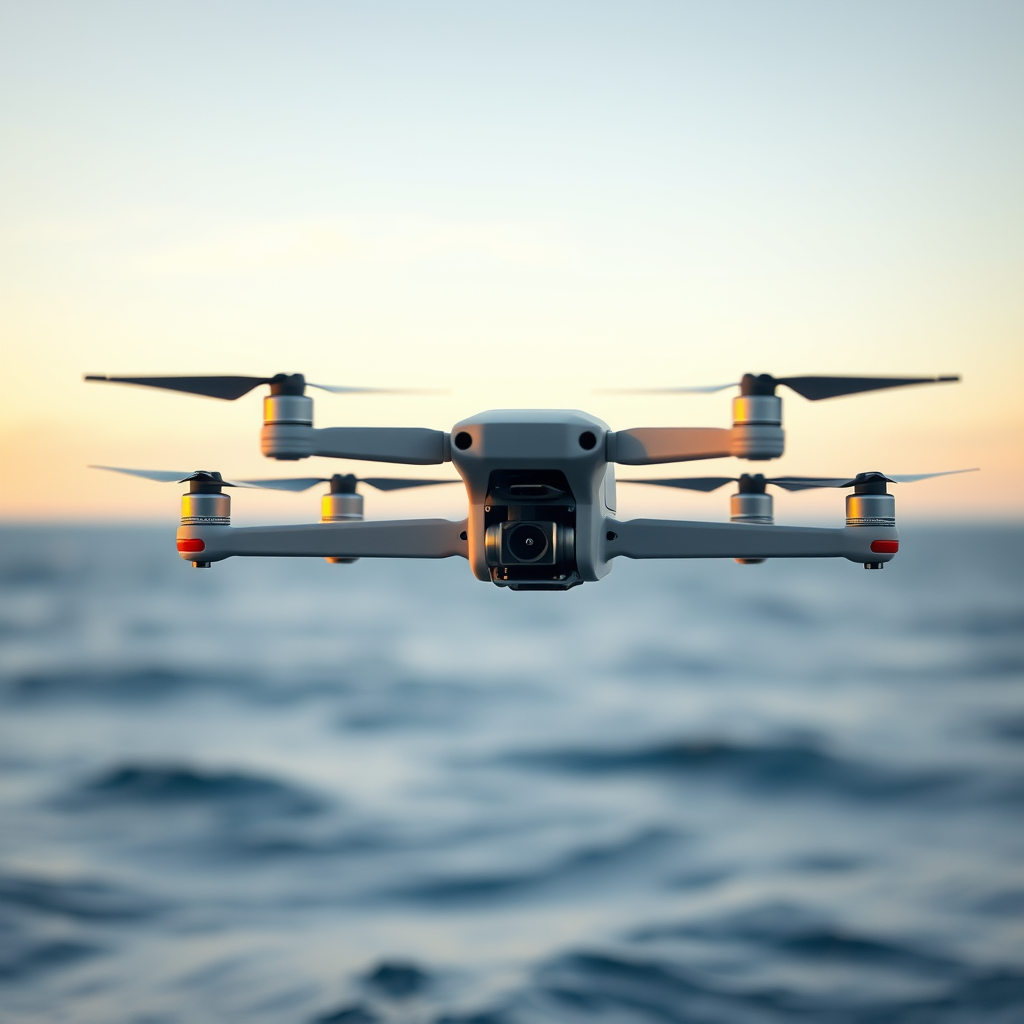
Yes, you can fly a drone over the ocean, but there are several important factors to consider, including regulations, safety, and equipment. Understanding these aspects is crucial for ensuring a safe and enjoyable flying experience. As drone technology becomes more accessible, many enthusiasts are keen to explore the breathtaking vistas that coastal landscapes offer. However, flying a drone over the ocean presents unique challenges—ranging from legalities to environmental factors—that must be addressed to avoid potential mishaps.
Understanding Drone Regulations
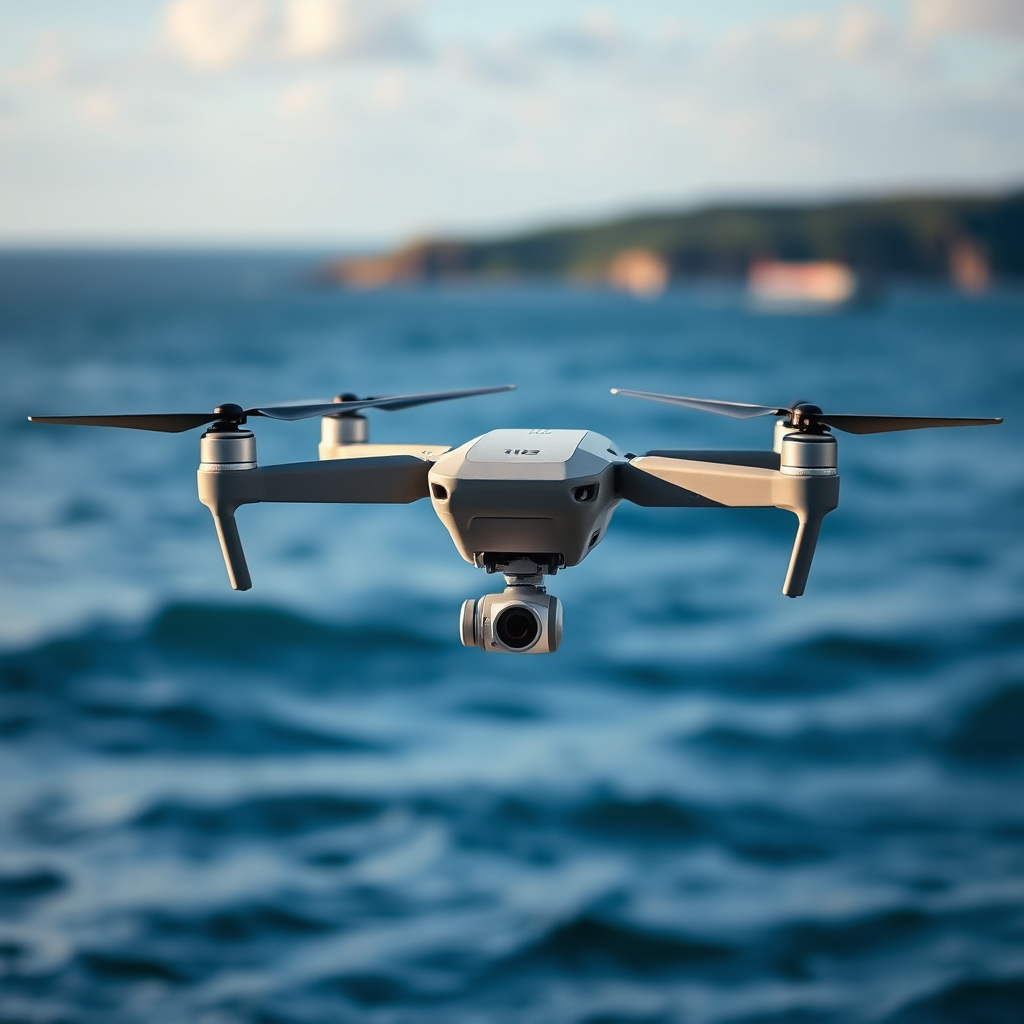
Before you embark on your oceanic drone adventure, it’s vital to familiarize yourself with local laws regarding drone flights over water. Regulations can vary significantly from one jurisdiction to another, and ignorance of the law is no excuse. In the United States, for instance, the Federal Aviation Administration (FAA) governs drone operations, and while there are broad guidelines, local governments may impose additional rules. In some coastal areas, certain zones may be off-limits due to wildlife protection or military operations.
For international travelers, regulations can be even more complex. Countries like Australia and Canada have stringent guidelines regarding drone operation, including specific restrictions for flying in national parks or along coastal regions. Always consult local authorities or official drone registries to ensure compliance with applicable laws. Failure to do so can result in hefty fines or confiscation of your equipment.
Safety Precautions
Safety is paramount when flying a drone, especially over the ocean. One of the primary safety precautions is maintaining visual line of sight with your drone at all times. The FAA mandates that operators keep their drones within sight, and this is particularly crucial over water, where retrieval can be challenging. If your drone flies beyond your visual range, you risk losing control, which could lead to crashes or the drone becoming irretrievable.
Prepare for potential loss of signal or battery failure, as these are common issues in drone operation. Flying over water can exacerbate these challenges. It is advisable to plan for a “return-to-home” feature, which many modern drones offer. This feature automatically brings the drone back to its launch point if it loses connection with the remote control or if the battery runs low. Regularly checking battery levels before and during your flight can also help mitigate these risks.
Equipment Considerations
When flying over the ocean, the type of equipment you use can greatly influence your experience. Opting for water-resistant or waterproof drones is highly recommended. Models such as the DJI Mavic Air 2 or the Swellpro Splash Drone are designed for aquatic environments, allowing for safe operation even in wet conditions. These drones often feature corrosion-resistant materials and sealed components to withstand exposure to saltwater.
Extended flight time is another critical factor. Drones designed for longer durations allow you to cover greater distances without the need for frequent landings to recharge. For instance, the DJI Mavic 3 boasts an impressive flight time of up to 46 minutes, making it suitable for long aerial surveys or stunning photography sessions along the coastline. Always assess your equipment’s capabilities in the context of ocean flights and prepare accordingly.
Weather Conditions
Weather can significantly affect drone performance, making it essential to monitor forecasts before your flight. Adverse conditions, such as rain, fog, or high winds, can impede visibility and drone stability. Wind is particularly concerning when flying over water, as ocean currents may create unpredictable turbulence. Ideally, choose days when the weather is calm, and visibility is high to ensure a smooth flight.
Moreover, be aware of sudden changes in weather, especially when on the coast. Coastal areas can experience rapid shifts in conditions due to sea breezes or unexpected storms, which can catch drone operators off guard. Carrying a portable weather radio or using smartphone apps designed for pilots can provide real-time updates and alerts, helping you make informed decisions about your flight.
Insurance and Liability
Drone insurance is an often-overlooked aspect of drone operation, particularly when planning to fly over the ocean. Obtaining insurance can provide peace of mind, covering potential damages to your drone or liability for any accidents that may occur. Companies like SkyWatch.AI and Verifly offer specialized drone insurance that can be tailored to your specific needs.
Understanding your liability in case of accidents is also crucial. If your drone accidentally injures someone or damages property, you could be held financially responsible. Insurance can mitigate these risks, but it’s wise to familiarize yourself with local laws regarding liability and insurance requirements for drone operations.
Best Practices for Ocean Drone Flying
To maximize your enjoyment and minimize risks while flying a drone over the ocean, it’s essential to adopt best practices. Start by planning your flight path and setting waypoints in advance. This not only enhances your efficiency but also helps you avoid restricted areas and navigational hazards. Utilizing mapping software or apps designed for drone operators can aid in plotting your course effectively.
Additionally, ensure that your drone’s firmware and software are updated. Manufacturers often release updates that improve performance, enhance safety features, and fix bugs. Regular updates can significantly reduce the likelihood of technical issues during flights, allowing you to focus on capturing stunning aerial footage and exploring new horizons.
Lastly, consider joining local drone clubs or online communities. Engaging with fellow drone enthusiasts can provide valuable insights, tips, and support. Experienced pilots often share their knowledge about specific locations, potential hazards, and optimal flight conditions, enriching your overall flying experience.
In summary, flying a drone over the ocean is indeed possible, but it necessitates careful planning and adherence to regulations. Understanding local laws, prioritizing safety, using the right equipment, monitoring weather conditions, and considering insurance are crucial for success. By following best practices, you can navigate the unique challenges of ocean drone flying and capture breathtaking imagery of coastal landscapes. Happy flying!
Frequently Asked Questions
Can I legally fly a drone over the ocean?
Yes, you can legally fly a drone over the ocean, but it is crucial to adhere to local laws and regulations. The Federal Aviation Administration (FAA) in the United States allows drone flights over water, but you must keep your drone within visual line-of-sight and comply with any specific restrictions for the area you are flying in. Additionally, check if there are any local laws or permits required, especially in protected marine areas.
What are the risks of flying a drone over the ocean?
Flying a drone over the ocean presents several risks, including loss of signal, battery failure, and adverse weather conditions which can lead to crashes. Saltwater can also damage drones if they crash in the ocean, as it can corrode sensitive electronic components. It’s essential to be prepared for these risks by ensuring your drone is in good condition and that you have a reliable return-to-home feature.
How can I prepare my drone for flying over the ocean?
To prepare your drone for flying over the ocean, ensure it is equipped with a fully charged battery and is in excellent working condition. Additionally, consider using a drone with a high IP rating for water resistance and prepare for potential saltwater exposure. Familiarize yourself with the flying area, check weather conditions, and plan your flight path to avoid hazards like strong winds or sudden waves.
Why do many drone pilots avoid flying over the ocean?
Many drone pilots avoid flying over the ocean due to the potential for losing the drone and the associated costs of replacing it. The risk of signal loss is higher in open water, and the likelihood of crashing due to strong winds or unpredictable weather is greater. Additionally, retrieving a drone from the ocean can be challenging and often impossible if it sinks or gets swept away.
Which drones are best for flying over the ocean?
The best drones for flying over the ocean are those designed for durability and water resistance. Models like the DJI Mavic series or the Autel Robotics EVO Lite are known for their robust build and reliable flight performance. Look for drones with long battery life, excellent camera capabilities for capturing seascapes, and features like GPS and obstacle avoidance to enhance your flying experience over the ocean.
References
- https://en.wikipedia.org/wiki/Drone_flying_regulations
- https://www.faa.gov/uas/getting_started/
- https://www.faa.gov/uas/
- https://www.nasa.gov/mission_pages/airborne/research/faq.html
- https://www.theguardian.com/technology/2021/may/07/drone-flying-regulations-uk
- https://www.reuters.com/article/us-usa-drone-regulations-insight-idUSKBN1XH1K7
- https://www.nytimes.com/2020/11/30/technology/drone-flying-rules.html
