
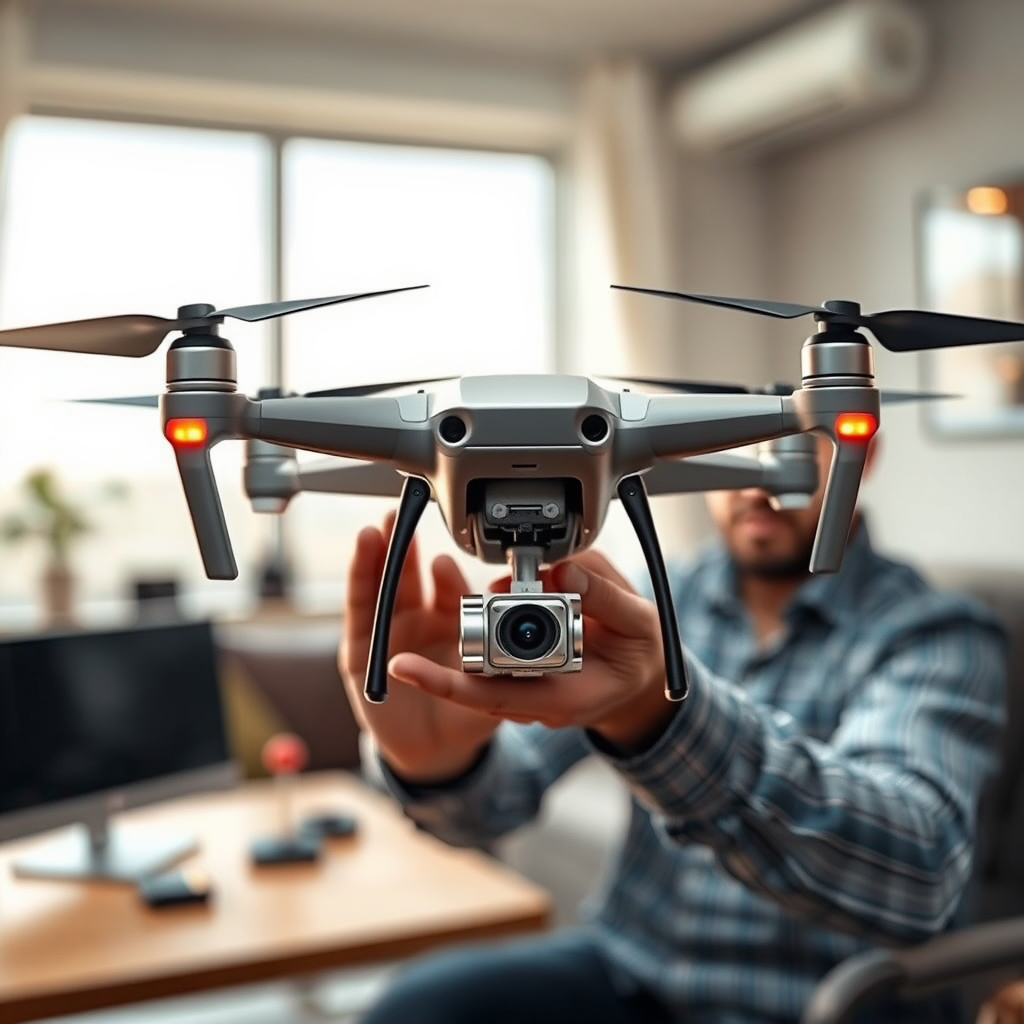
Yes, you can fly a drone without a license in certain circumstances. However, regulations vary depending on where you live, and it’s essential to understand the rules to ensure safe and legal flying. Drones have become increasingly popular for recreational use, but as their prevalence grows, so do the regulations governing their operation. This blog post aims to clarify the current drone regulations and provide insights into when a license is required, ensuring that drone enthusiasts can navigate the skies legally and responsibly.
Understanding Drone Regulations
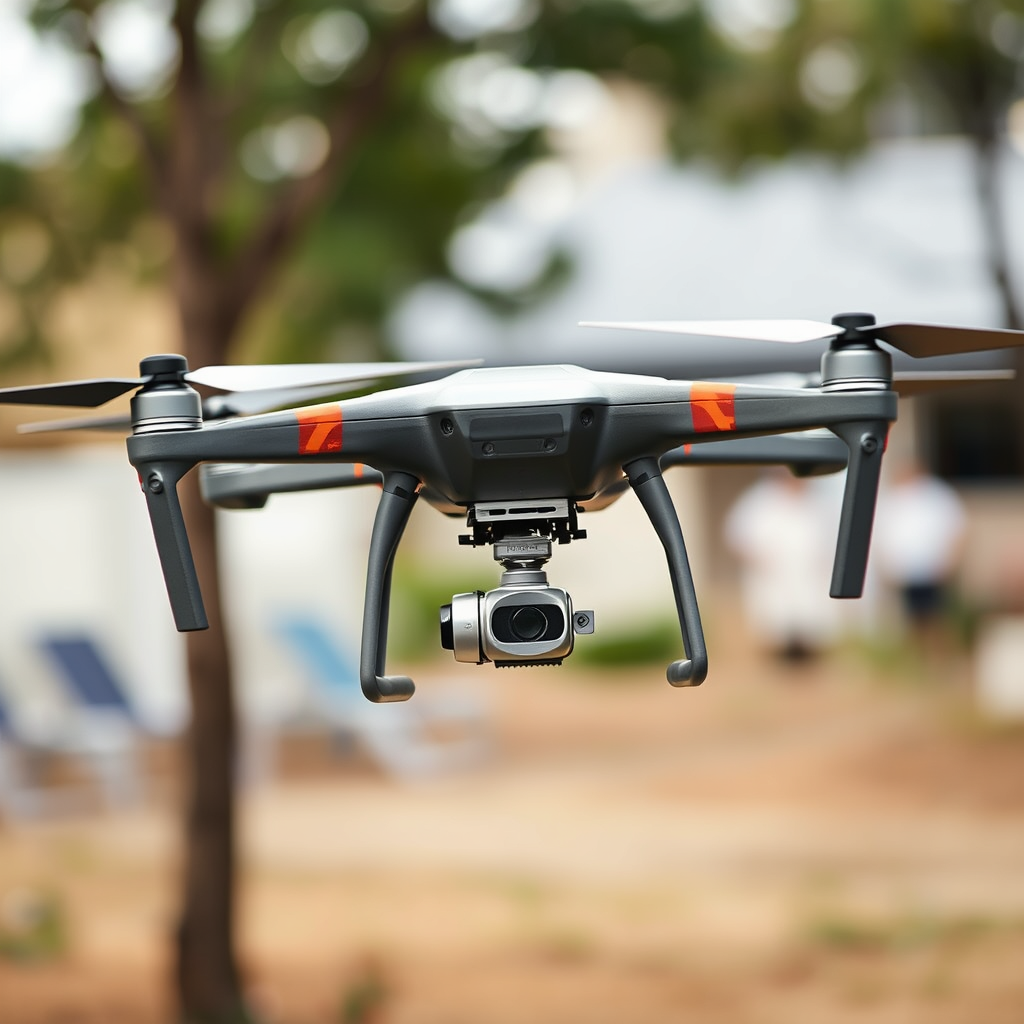
Drone regulations are not universal; they differ significantly from one country to another. For instance, in the United States, the Federal Aviation Administration (FAA) governs drone operations and has laid out specific guidelines that distinguish between recreational and commercial use. Under FAA rules, recreational drone pilots must adhere to the community-based guidelines established by organizations such as the Academy of Model Aeronautics. These regulations include flying only for enjoyment and not for any commercial purposes unless properly licensed.
In contrast, countries in Europe have a more harmonized approach through the European Union Aviation Safety Agency (EASA). They categorize drone operations into different classes based on the weight and intended use of the drone, imposing varying requirements for each category. It is crucial for drone operators to familiarize themselves with the governing bodies and regulations in their respective regions to avoid penalties and ensure safety.
Recreational Drone Flying
For those flying drones purely for leisure, the regulations can be quite lenient. In many regions, hobbyists can operate drones weighing less than 0.55 pounds (250 grams) without needing a license. This weight limit encourages safe flying practices while allowing enthusiasts to enjoy their hobby without unnecessary bureaucratic hurdles. However, even recreational pilots must adhere to certain guidelines, including flying below an altitude of 400 feet and maintaining a visual line of sight with their drone at all times.
Additionally, it is vital for recreational flyers to stay informed about local airspace restrictions, as flying near airports, emergency response locations, or large gatherings of people may be prohibited. Utilizing apps and online resources that provide real-time information about airspace restrictions can significantly enhance the safety and legality of recreational drone flying.
Commercial Drone Operations
When it comes to commercial drone operations, the landscape changes considerably. In the U.S., most commercial drone pilots are required to obtain a Part 107 license from the FAA. This licensing process involves passing a comprehensive knowledge test that covers topics such as airspace regulations, weather, drone operations, and emergency procedures. The Part 107 license ensures that commercial operators have a foundational understanding of aviation principles, which is crucial for safe and effective drone use.
Beyond obtaining the license, commercial drone operators must also adhere to strict operational rules, such as not flying drones over people, maintaining a visual line of sight, and avoiding flying at night unless special waivers are obtained. These regulations are designed to minimize risks associated with commercial drone operations, which can include everything from aerial photography to package delivery.
Local Laws and Restrictions
While federal regulations provide a broad framework for drone operations, local laws can impose additional restrictions that drone pilots must comply with. Many states and municipalities have enacted legislation that dictates where and how drones can be flown. For example, certain urban areas may have ordinances that prohibit drone flights over residential neighborhoods or public parks.
Moreover, no-fly zones are particularly important to note. Areas surrounding airports, military installations, and other sensitive locations are off-limits for drone operations, and violating these restrictions can lead to serious legal consequences. It is the responsibility of the drone pilot to research local regulations and ensure compliance to avoid potential fines or penalties.
Safety Guidelines for Drone Flying
Safety should always be a priority for drone pilots, regardless of whether they are flying recreationally or commercially. Before each flight, conducting a thorough pre-flight check is essential to identify any technical issues that could lead to accidents. This includes inspecting the drone’s battery levels, propellers, and camera equipment, as well as ensuring that the drone’s software is up to date.
Following best practices for safe flying can also mitigate risks. This includes flying in good weather conditions, avoiding crowded areas, and maintaining a safe distance from people and structures. Additionally, it is wise to familiarize oneself with emergency procedures, such as how to safely land the drone in the event of a malfunction. By adopting a proactive approach to safety, drone pilots can significantly reduce the likelihood of accidents and enhance their overall flying experience.
Consequences of Flying Without a License
Flying a drone without the necessary license can lead to severe consequences. In the U.S., penalties for unauthorized drone operation can include hefty fines, with some violations leading to civil penalties of up to $27,500 or even criminal charges in extreme cases. Moreover, operating a drone illegally can result in liability for damages if the drone causes property damage or personal injury, leading to costly lawsuits.
Additionally, the repercussions extend beyond financial penalties. Unauthorized drone operation can lead to the loss of your drone and the potential for a ban from flying in the future. Maintaining compliance with regulations is crucial to protecting oneself as a drone pilot and ensuring the continued enjoyment of flying.
Resources for Drone Pilots
For those looking to navigate the complex world of drone regulations, numerous resources are available. Online platforms, forums, and communities dedicated to drone enthusiasts provide valuable guidance, updates on regulatory changes, and best practices for safe flying. Websites like the FAA’s official page offer comprehensive information about licensing requirements and operational guidelines.
Furthermore, aspiring commercial drone pilots can benefit from various training programs and courses designed to prepare them for the Part 107 exam. These educational resources not only equip pilots with the necessary knowledge to pass the licensing test but also instill a deeper understanding of responsible flying practices and safety measures.
In conclusion, while it is possible to fly a drone without a license under certain conditions, understanding the regulations and ensuring safe practices is crucial. Staying informed about local laws, adhering to safety guidelines, and considering obtaining a license for commercial use are essential steps for any drone pilot. By prioritizing compliance and safety, individuals can enjoy the exciting world of drone flying while contributing to a responsible and legally sound flying community. Happy flying!
Frequently Asked Questions
Can you fly a drone without a license in the United States?
Yes, you can fly a drone without a license in the United States for recreational purposes, as long as your drone weighs less than 55 lbs and you follow the guidelines set by the Federal Aviation Administration (FAA). However, if you plan to use the drone for commercial purposes, you must obtain a Remote Pilot Certificate under the FAA’s Part 107 regulations, which requires passing a knowledge test.
What are the regulations for flying a drone without a license?
When flying a drone without a license, you must adhere to several regulations outlined by the FAA. Key rules include flying below 400 feet, keeping the drone within your visual line of sight, not flying over people, and avoiding restricted airspace. Additionally, recreational flyers must also register their drone if it weighs over 0.55 lbs and follow the community-based safety guidelines.
Why do I need a license to fly a drone commercially?
A license is required to fly a drone commercially primarily to ensure safety and compliance with federal regulations. The FAA mandates that commercial drone operators demonstrate their knowledge of airspace rules, weather conditions, and operational safety through a structured testing process. This requirement helps minimize risks to other aircraft and people on the ground.
How can I get a drone license in the United States?
To obtain a drone license, specifically the Remote Pilot Certificate, you’ll need to pass the FAA’s Aeronautical Knowledge Test at an approved testing center. The process involves studying for the exam, which covers airspace classification, weather effects, and drone operation regulations. Once you pass the test, you can apply for your certificate through the FAA, which involves a background check and other necessary paperwork.
Which drones do not require a license to fly?
Drones that weigh less than 55 lbs and are used for recreational purposes do not require a license to fly. However, even for these drones, pilots must follow FAA regulations and guidelines. Some manufacturers may also provide user manuals that outline the specific legal requirements for their models, helping users stay compliant while enjoying their flying experience.
References
- https://www.faa.gov/uas/getting_started/part_107
- https://www.faa.gov/uas/
- https://en.wikipedia.org/wiki/Unmanned_aerial_vehicle
- https://www.nist.gov/news-events/news/2020/03/drone-operations-what-you-need-know
- https://www.ama-assn.org/delivering-care/public-health/what-you-need-know-about-drone-operations
- https://www.reuters.com/article/us-usa-drone-laws-insight-idUSKBN1Z22NJ
- https://www.theguardian.com/technology/2021/jan/05/drone-laws-uk-regulations-licence
