
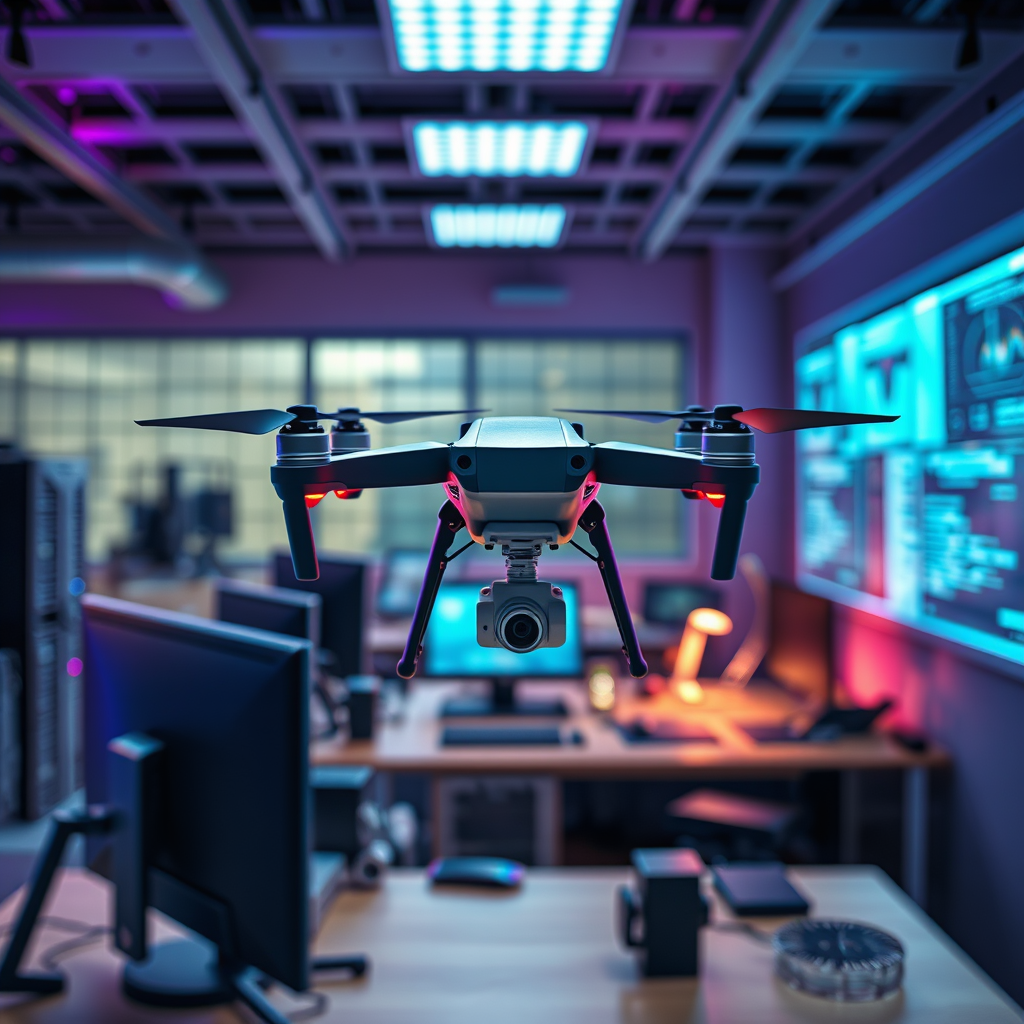
Yes, you can fly a drone without internet access. Many drones offer offline modes that allow you to operate them without needing a connection. However, the level of functionality may vary based on the drone model and its features. In this blog post, we will explore how drones can operate offline, the types of drones that can be flown without internet, the features that may be impacted, and essential safety considerations to keep in mind.
Understanding Drone Connectivity
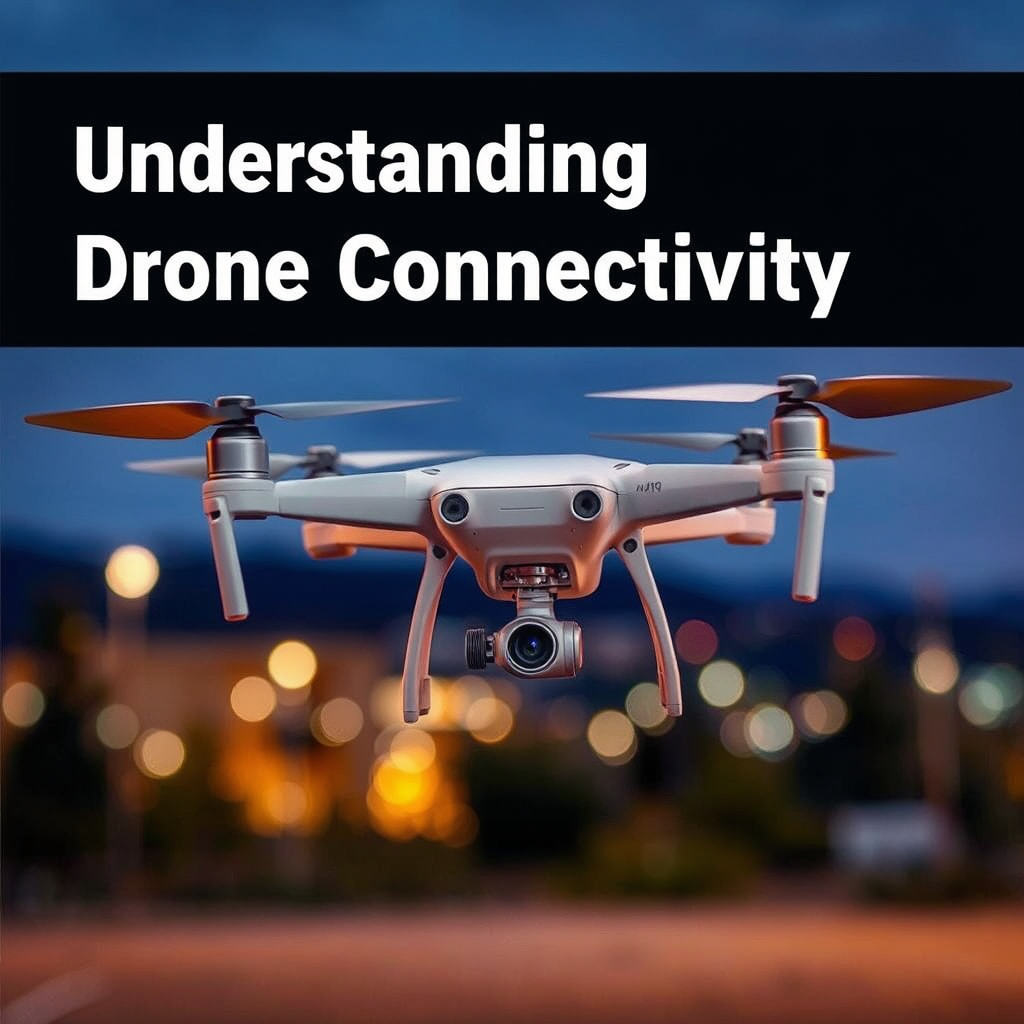
Drones typically rely on GPS and internal sensors for navigation, both of which do not require an internet connection. The GPS system helps the drone understand its location and maintain stability during flight. Internal sensors, such as accelerometers and gyroscopes, provide the necessary data to control the drone’s orientation and altitude. While basic flying operations can be handled without an internet connection, some advanced features may still demand online access. For instance, functionalities such as live video streaming from the drone’s camera or accessing updated maps for flight planning often require an active internet connection.
Moreover, many modern drones utilize companion mobile applications for enhanced control and navigation features. These apps may require internet access for initial setup, software updates, or utilizing specific functionalities. However, once the necessary data is downloaded and the drone is set up properly, users can operate their drones offline.
Types of Drones That Can Fly Offline
– GPS Drones: These drones are equipped with GPS technology, enabling them to fly autonomously based on pre-programmed flight paths. For example, drones like the DJI Phantom series can operate efficiently without an internet connection, provided that they have been set up with the necessary flight data beforehand. Users can program their flight routes using the drone’s onboard software while connected to the internet, and then save these routes for offline use.
– Toy Drones: Basic toy drones are often designed for casual users and may not have sophisticated features or internet dependency. These drones can be flown directly from a remote controller without any additional setup. Models such as the Holy Stone HS210 are excellent examples of toy drones that operate well offline, making them ideal for beginners who want to enjoy flying without the complexities of connectivity.
Features Impacted by Lack of Internet
When flying a drone without internet access, several features may be affected. Real-time data sharing and live video feeds, for instance, will not be available, limiting the pilot’s ability to monitor the drone’s surroundings or receive instant feedback from the camera. This restriction can be particularly important for videographers or drone enthusiasts who rely on live feeds for capturing dynamic shots.
Additionally, firmware updates and troubleshooting may not be possible without an internet connection. Many drone manufacturers release regular updates to improve performance, enhance security, and introduce new features. Without access to the internet, users may miss out on these updates, potentially affecting the drone’s functionality and safety features. Therefore, it’s crucial to ensure that all software is up-to-date before planning an offline flight.
Preparing Your Drone for Offline Use
Preparation is key to ensuring a successful offline flight. To effectively fly your drone without internet access, consider the following tips:
– Download Necessary Maps and Software Updates: Before heading out, take the time to download any relevant maps or software updates while connected to the internet. Many drones allow users to cache maps, ensuring that they have access to crucial navigational data even when offline.
– Check Battery Levels and Calibration: A fully charged battery is essential for a successful flight, particularly since you will not have access to any online resources for troubleshooting. Additionally, calibrate your drone before takeoff to ensure accurate navigation. Most drones have a straightforward calibration process that typically involves rotating the drone in various orientations.
– Create Flight Plans: If your drone supports waypoint navigation, create and save flight plans while online. This preparation will allow you to launch your drone with confidence, knowing that it has a predetermined flight path to follow.
Safety Considerations When Flying Offline
When flying a drone without internet, safety should be a top priority. Here are a few considerations to keep in mind:
– Familiarize Yourself with Range and Flight Limits: Understanding your drone’s range is crucial to avoid losing control. Most drones have specific distance limits based on their design and capabilities. Make sure you are aware of these limits and adhere to them to prevent fly-aways.
– Choose Open Spaces: When flying offline, opt for open areas away from crowds and obstacles. This choice reduces the risk of collisions and makes it easier to maintain visual contact with your drone.
– Be Aware of Local Regulations: Different regions have varying regulations regarding drone operation. Before flying, ensure you are compliant with local laws, especially regarding privacy and airspace restrictions.
Troubleshooting Common Issues
Even experienced drone pilots can encounter issues when flying offline. Here are some common problems and solutions:
– Loss of Connection: If your drone loses connection during flight, it is important to rely on pre-set return-to-home (RTH) functions. Most modern drones are equipped with this feature, which automatically guides the drone back to its launch point if it loses signal or runs low on battery.
– Battery Levels and Component Functionality: Before takeoff, conduct a thorough pre-flight check to ensure all components are functioning correctly. In the absence of internet prompts, you will need to manually verify battery levels and other essential systems to prevent in-flight issues.
In summary, flying a drone without internet is entirely possible, but it requires adequate preparation and knowledge about the drone’s features and limitations. By understanding the connectivity options available, selecting the right drone, and following safety guidelines, you can enjoy a fulfilling flying experience even in offline mode. Make sure to do your research on your specific drone model and prepare thoroughly, so you can take full advantage of your drone’s capabilities while enjoying the freedom of flying without needing an internet connection.
Frequently Asked Questions
Can you fly a drone without internet connection?
Yes, you can fly a drone without an internet connection. Most consumer drones utilize GPS and onboard sensors to navigate and operate independently of the internet. However, certain features, such as live streaming, real-time telemetry, or downloading maps for navigation, may require an internet connection prior to flight.
What are the limitations of flying a drone offline?
When flying a drone offline, users may face limitations such as the inability to access real-time updates, weather information, or emergency notifications. Additionally, features like geofencing and some automated flight modes might not work if the drone cannot connect to its server for data. It’s essential to pre-download any necessary maps or updates before your flight to optimize performance.
How do you prepare to fly a drone without internet access?
To prepare for flying a drone without internet access, ensure that you have downloaded all necessary updates and maps in advance. Check that your drone’s firmware is up to date and familiarize yourself with the drone’s settings to operate it manually. It’s also a good idea to pre-plan your flight path and identify any no-fly zones using previously downloaded maps or local regulations.
Why do some drone features require an internet connection?
Some drone features require an internet connection because they rely on cloud-based services for functionality. For example, features like real-time flight data tracking, live video streaming, and access to updated airspace information depend on continuous server communication. These features enhance safety and provide pilots with critical information but are not essential for basic flying operations.
What is the best drone to fly without internet?
The best drones to fly without internet are typically those that offer robust GPS functionality and manual control options. Models like the DJI Mini SE and the Parrot Anafi are popular choices, as they can operate efficiently without an internet connection, allowing for GPS navigation and stable flight. Additionally, ensure the drone allows you to plan and store flight routes directly on the device to enhance your flying experience offline.
References
- https://en.wikipedia.org/wiki/Drone
- https://www.faa.gov/uas/getting_started/
- https://www.nytimes.com/2020/05/04/technology/drones-coronavirus.html
- https://www.dronepilotgroundschool.com/can-you-fly-a-drone-without-internet/
- https://www.theverge.com/2019/1/10/18175304/drone-flying-without-internet-connection
- https://www.nasa.gov/feature/nasa-s-airborne-drones-could-help-map-the-planet-s-changing-climate
- https://www.wired.com/story/flying-drones-in-the-air-without-internet/
