
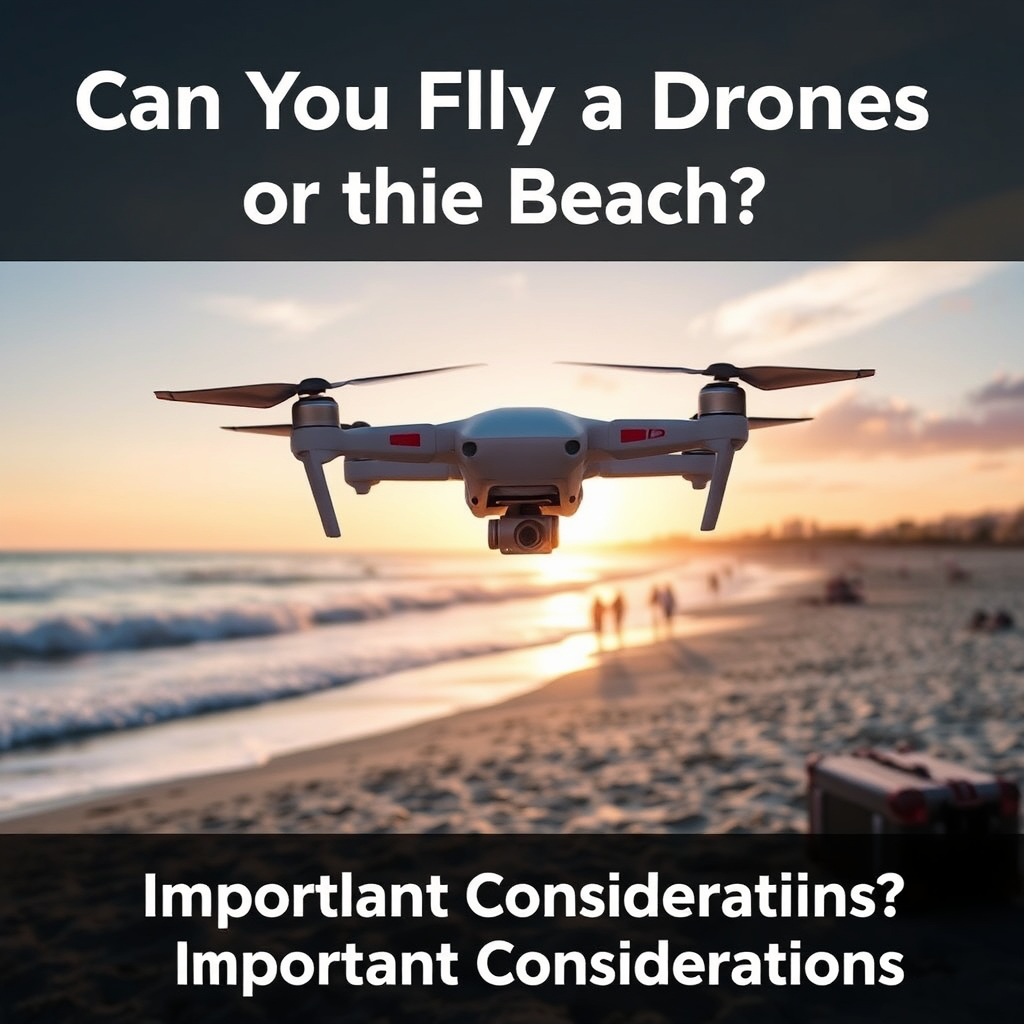
Yes, you can fly a drone at the beach, but there are several important factors to consider, including local regulations, safety concerns, and environmental impacts. Understanding these elements will not only ensure compliance with the law but also enhance your flying experience while protecting the environment and fellow beachgoers. This guide will help you navigate the rules and ensure a safe and enjoyable flying experience.
Understanding Local Regulations
Before taking your drone to the beach, it is essential to research local laws regarding drone usage, as regulations can significantly vary by location. Many coastal areas have specific rules in place for flying drones, especially during peak tourist seasons. For example, some beaches may restrict drone flights altogether, while others may designate specific zones where flying is permitted.
In the United States, the Federal Aviation Administration (FAA) governs drone use and mandates that all drone pilots adhere to its guidelines. However, state and local authorities may impose additional regulations, such as requiring permits or enforcing no-fly zones near airports or crowded areas. Additionally, some regions may implement restrictions to protect wildlife, particularly during nesting seasons for birds or marine life. Always check the applicable laws to avoid fines or confiscation of your equipment.
Safety Precautions
Safety should be your top priority while flying a drone at the beach. Always maintain a safe distance from people, animals, and property to prevent accidents. Drones can be unpredictable, and losing control in crowded areas can lead to unintended consequences. A good rule of thumb is to keep a minimum distance of 50 feet from individuals and structures.
Moreover, be vigilant about changing weather conditions, as the beach environment can quickly shift from calm to turbulent. Wind can have a significant impact on drone stability and control, especially when flying over open water. Before launching, check the weather forecast and adjust your plans accordingly. If strong winds or storms are predicted, it is best to postpone your flight until conditions improve.
Environmental Considerations
When flying at the beach, it is crucial to be considerate of the environment. Avoid flying over fragile ecosystems, such as nesting areas for birds or spots where marine life congregates. Many beaches are home to protected species, and disturbing their habitats can have detrimental effects on their populations. For example, drones can scare off nesting birds or disrupt sea turtle hatchlings making their way to the ocean.
Additionally, be mindful of noise pollution caused by drone motors. Excessive noise can disturb not only wildlife but also beachgoers seeking a peaceful experience. To mitigate these impacts, consider flying your drone at a reasonable distance from both wildlife and people, and fly during less busy times of the day, such as early morning or late afternoon.
Drone Specifications for Beach Flying
Selecting the right drone for beach flying is imperative for a successful experience. Choose a drone that is water-resistant or designed to withstand sandy conditions. Drones with IP ratings indicating water and dust resistance are ideal for beach environments, as they can better handle the elements.
Battery life is another crucial factor to consider when flying at the beach. Extended flying sessions in open areas often require a drone with reliable battery performance. Opt for models with a flight time of at least 20-30 minutes to maximize your aerial exploration. Additionally, consider bringing extra batteries to ensure you can capture all the stunning imagery without the constraint of limited flight time.
Best Practices for Flying at the Beach
To ensure a smooth and enjoyable flying experience, follow best practices for beach drone operations. Plan your flights during off-peak hours to minimize potential interference with beachgoers and to reduce the risk of accidents. Early mornings or late afternoons are not only less crowded but also provide optimal lighting for photography.
Utilizing safety features such as geofencing can also enhance your flying experience. Geofencing technology helps drone operators stay within designated flying areas, preventing you from unintentionally entering restricted zones. This technology, combined with pre-flight planning, can significantly reduce the risk of accidents or violations of local regulations.
Capturing Stunning Beach Imagery
Flying a drone at the beach offers incredible opportunities for capturing breathtaking aerial photography. To maximize your results, plan your shots during sunrise or sunset when the natural light is most favorable. The warm, golden hues during these times create dramatic contrasts and enhance the visual appeal of your images.
Experiment with different angles and heights to create unique perspectives of familiar beach landscapes. Aerial shots can showcase the vastness of the shoreline, the intricate patterns of waves, or the interplay of light and shadow on the sand. Additionally, consider including elements such as beach umbrellas, surfers, or wildlife to add depth and context to your photographs.
Resources and Community Support
Engaging with drone flying communities can provide valuable resources and support for beach flying. Online forums, social media groups, and local clubs can offer insights, tips, and shared experiences from other drone enthusiasts. Participating in these communities not only enhances your knowledge of drone operations but can also help you stay updated on any changes to local regulations or best practices.
Furthermore, consider following reputable websites and organizations that focus on drone technology and regulations. These resources can keep you informed about advancements in drone capabilities, safety guidelines, and environmental stewardship, ensuring that you remain a responsible and informed drone pilot.
In summary, flying a drone at the beach can be a rewarding experience, provided you are aware of and adhere to local regulations and safety practices. By respecting the environment and the safety of others, you can enjoy your drone flying adventures while capturing stunning imagery and making the most of your beach visits. Always prioritize responsible flying to ensure that this exhilarating activity can be enjoyed by all.
Frequently Asked Questions
Can you fly a drone at the beach legally?
Yes, you can fly a drone at the beach, but it’s essential to check local regulations and laws first. Many beaches have specific rules regarding drone usage due to safety and privacy concerns. Always ensure that you are flying within the guidelines set by the Federal Aviation Administration (FAA) and any local authorities to avoid fines or confiscation of your drone.
What are the best practices for flying a drone at the beach?
When flying a drone at the beach, it’s important to follow best practices to ensure safety and compliance. Always maintain a safe distance from people and wildlife, avoid flying during crowded times, and be mindful of wind conditions, as beaches can be windy. Additionally, make sure to keep your drone in sight and respect any no-fly zones in the area, such as near lifeguard stations.
Why is it important to check for no-fly zones before flying a drone at the beach?
Checking for no-fly zones is crucial because these areas are often designated to protect public safety and privacy. Flying in restricted zones can lead to legal repercussions, including fines or having your drone confiscated. Additionally, understanding these zones helps prevent accidents, particularly in crowded beach areas where people are present.
How can you ensure your drone is safe to fly before heading to the beach?
To ensure your drone is safe to fly at the beach, conduct a pre-flight checklist that includes checking battery levels, ensuring the drone’s firmware is up-to-date, and inspecting the propellers for damage. Additionally, consider using propeller guards to protect against any potential accidents, and remember to bring extra batteries, as the beach can drain them quickly due to wind and potential overheating.
Which drones are best suited for flying at the beach?
The best drones for flying at the beach are those with robust features such as wind resistance, waterproofing, and long battery life. Drones like the DJI Mavic Air 2 or the Parrot Anafi are popular choices due to their durability and high-quality cameras. It’s also advisable to choose models with good GPS capabilities to help maintain stability in windy conditions commonly found near the ocean.
References
- https://www.faa.gov/uas/getting_started/part_107
- https://www.nytimes.com/2020/07/20/us/drone-beach-flying.html
- https://www.wired.com/story/drone-regulations-2020/
- https://www.droneadvocacy.org/
- https://www.nps.gov/subjects/nature/drone-use-in-national-parks.htm
- https://www.cnbc.com/2021/05/07/drone-laws-what-you-need-to-know.html
