
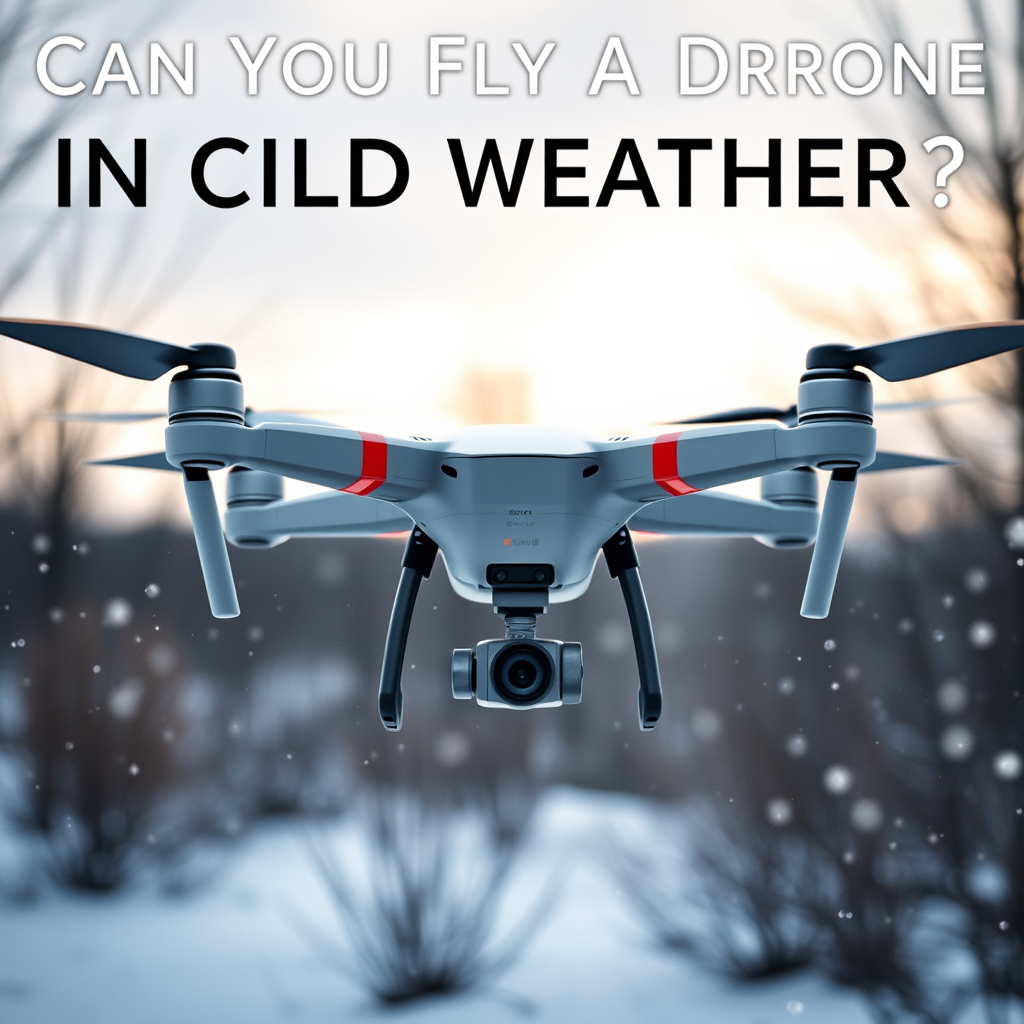
Yes, you can fly a drone in cold weather, but there are important factors to consider to ensure safe and optimal operation. Cold temperatures can significantly affect battery life, drone performance, and even the quality of your footage. Understanding these challenges is essential for drone enthusiasts and professionals alike, enabling them to capture stunning aerial images while maintaining the integrity and functionality of their equipment. This article will explore the key aspects of flying drones in colder climates, offering invaluable insights for a successful flying experience.
Understanding Drone Performance in Cold Weather
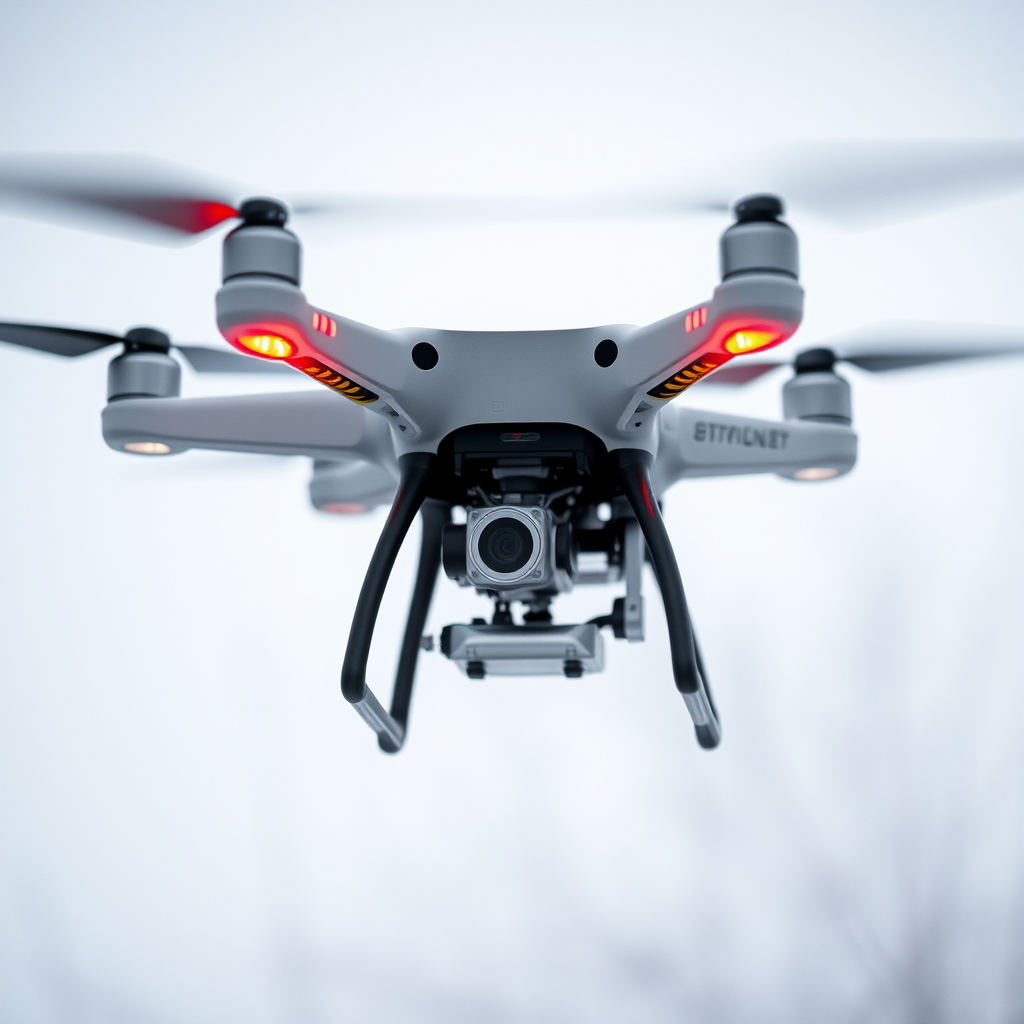
Drones are sophisticated machines that rely on various components to function effectively, and cold weather can pose unique challenges to their performance. One of the most significant effects of low temperatures is the reduction in battery efficiency. Lithium polymer (LiPo) batteries, which are commonly used in drones, tend to lose their capacity when exposed to cold conditions. This can lead to substantially shorter flight times—often reduced by 20% or more. Therefore, if you typically enjoy 25 minutes of flight time in milder weather, you may only achieve around 20 minutes or less when the temperature drops significantly.
Moreover, cold weather can impact the responsiveness and stability of a drone. Many drones use GPS and other sensors to navigate and maintain stability in the air. When temperatures drop, these sensors may not function optimally, potentially leading to erratic flight behavior or difficulty in maintaining a steady hover. Pilots should be aware of these changes and adjust their flying techniques accordingly to maintain control.
Battery Care and Management
Proper battery care and management are critical when flying a drone in cold weather. To mitigate the effects of low temperatures on battery performance, it is advisable to keep the batteries warm before use. Utilizing insulated bags or pouches can help maintain battery temperature. Some pilots even recommend using hand warmers placed in the battery bag to ensure the batteries remain at an optimal temperature prior to flight.
Furthermore, monitoring battery levels closely during cold weather operations is essential. Cold temperatures can lead to sudden drops in charge, which can catch pilots off guard. Maintaining a close watch on battery indicators and having a backup plan for battery replacement or recharging can prevent unexpected loss of power mid-flight. It is also wise to conduct a test flight at a low altitude to gauge battery performance in cold conditions before embarking on more extended missions.
Impact on Drone Components
Cold weather can have detrimental effects on various components of a drone. For instance, the motors may become less efficient in frigid temperatures, leading to a decrease in overall performance. Additionally, the drone’s sensors can be adversely affected, resulting in inaccurate readings and potential malfunctions. Before taking off, it is crucial to check for ice or snow buildup on propellers and other components, as this can hinder flight performance and safety.
Moreover, the materials used in some drones may become brittle in extremely low temperatures, increasing the risk of damage during crashes or rough landings. Inspecting your drone for any signs of wear or potential weaknesses prior to flying will help ensure a safer flying experience.
Pre-Flight Checks for Cold Conditions
A thorough pre-flight check is vital for any drone operation, but it becomes even more critical in cold weather. Pilots should conduct comprehensive inspections to identify any potential issues that could arise from the low temperatures. This includes checking the integrity of the drone’s structure, ensuring all connections are secure, and verifying that there are no signs of damage or wear.
Additionally, keeping firmware and software up to date is essential for optimal performance in cold weather. Manufacturers often release updates that improve battery efficiency, enhance sensor accuracy, and provide other critical functionality. Checking for updates before any flight can help ensure that your drone operates smoothly, even in challenging conditions.
Tips for Safe Cold Weather Flying
When flying a drone in cold weather, it is advisable to limit flight times to prevent battery drain. Planning shorter missions can help you avoid running out of power unexpectedly. Additionally, choosing the right time of day for flying is crucial; temperatures are often at their highest during the midday hours, which can reduce the adverse effects of cold on your drone.
Pilots should also consider flying in sheltered areas, away from harsh winds and snow. This can help maintain stability and reduce the risk of ice forming on the drone. Always be aware of local weather conditions and be prepared to land if the situation worsens.
Alternatives and Best Practices
For those who frequently fly in extreme weather conditions, it may be beneficial to invest in a drone specifically designed to withstand cold temperatures. These models often come equipped with enhanced battery systems and materials that offer better resistance to harsh environments. Researching and selecting the right drone for your needs can significantly improve your flying experience.
Furthermore, always having a backup plan is essential. Know your landing options should you encounter issues mid-flight. This preparation can help ensure a safe landing, even if conditions suddenly change.
In conclusion, while flying a drone in cold weather is possible, it requires extra precautions and preparation. By understanding the effects of cold on drone performance, following best practices for battery management, and conducting thorough pre-flight checks, you can still capture stunning aerial footage even in winter conditions. Staying informed and prepared will enable you to fly safely and effectively, regardless of the weather.
Frequently Asked Questions
Can you fly a drone in cold weather?
Yes, you can fly a drone in cold weather, but there are several factors to consider. Cold temperatures can affect battery performance and reduce flight time, as lithium-polymer batteries lose efficiency in low temperatures. Additionally, drones may experience less stability in windy conditions often present during cold weather, so it’s crucial to check weather forecasts and ensure your drone is rated for the temperatures you intend to fly in.
What are the effects of cold weather on drone batteries?
Cold weather significantly impacts drone batteries, primarily lithium-polymer (LiPo) batteries, which are commonly used in drones. When temperatures drop, the chemical reactions that generate power slow down, resulting in reduced battery life and performance. As a precaution, it’s advisable to keep batteries warm before and during use, and consider carrying a spare battery to ensure you can complete your flight without interruptions.
How do I prepare my drone for cold weather flying?
To prepare your drone for cold weather flying, start by ensuring your drone is fully charged, as cold temperatures can quickly drain batteries. Use insulating materials to keep the battery warm, and avoid exposing the drone to extreme cold for extended periods before flight. Additionally, check the drone’s propellers and motors for ice or snow buildup, as these can impair performance and safety.
Why should I avoid flying my drone in extremely cold conditions?
Flying your drone in extremely cold conditions can lead to several issues, including diminished battery life, increased risk of hardware failure, and reduced control sensitivity. Cold weather can also cause components to contract, making them more susceptible to damage. Lastly, the risk of ice accumulation on the drone can affect aerodynamics, leading to potential crashes, so it’s best to avoid flying when temperatures are significantly below freezing.
What are the best practices for flying a drone in winter conditions?
The best practices for flying a drone in winter conditions include monitoring the weather closely, ensuring all components are dry and free of ice, and keeping your batteries insulated and warm. It’s also wise to limit flight time to avoid significant battery drain and to maintain a close watch on your drone, as cold weather can alter its responsiveness. Always have a plan for safe landing and recovery in case conditions worsen unexpectedly.
References
- https://www.faa.gov/uas/getting_started/part_107/
- https://www.nasa.gov/feature/how-cold-weather-affects-drone-batteries
- https://www.dronepilotgroundschool.com/drone-flying-in-cold-weather/
- https://www.suasnews.com/2021/01/flying-your-drone-in-cold-weather/
- https://www.uavcoach.com/flying-drone-in-cold-weather/
- https://www.wired.com/story/drone-batteries-cold-weather/
