
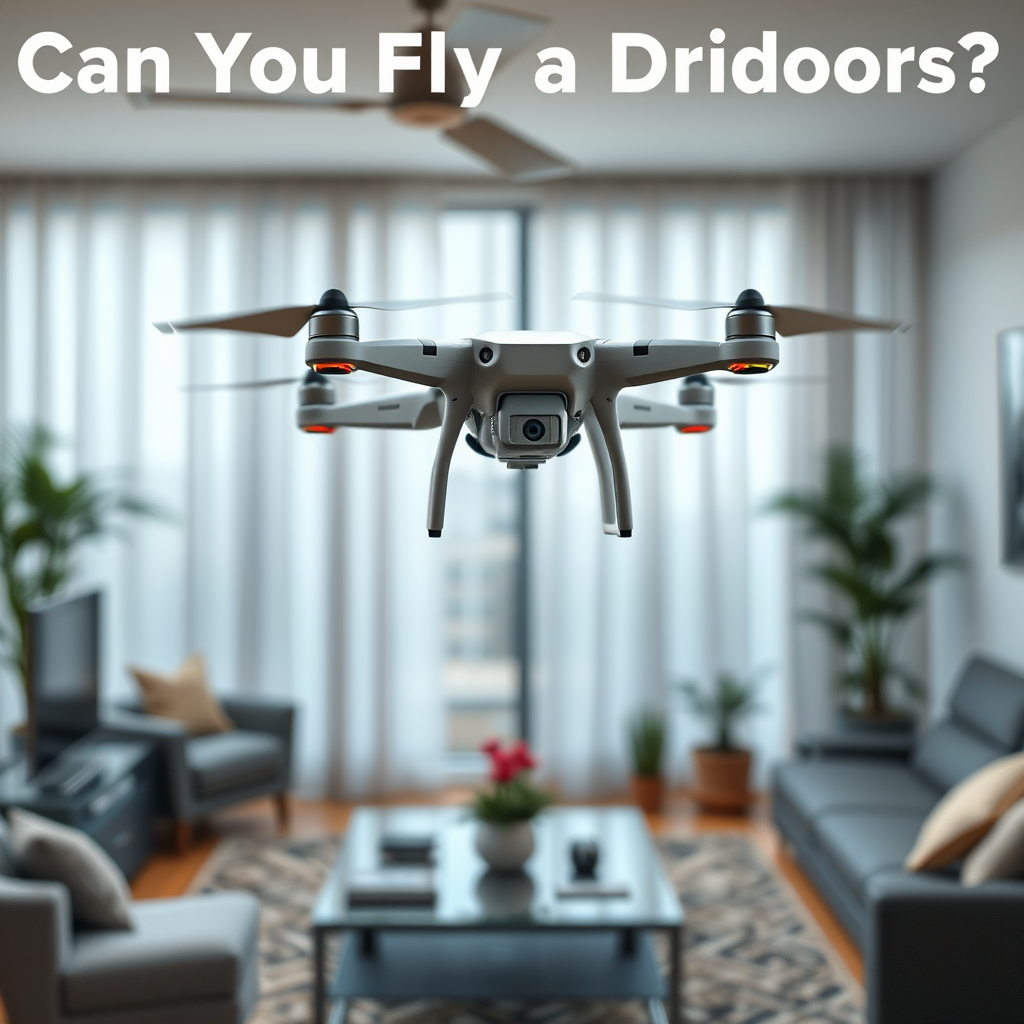
Yes, you can fly a drone indoors, provided you follow safety guidelines and understand the limitations of indoor flying. Indoor environments can present unique challenges due to space constraints, obstacles, and potential hazards, but with the right precautions, it can be a fun and exciting experience. Flying a drone indoors opens up opportunities for practice, creativity, and even indoor racing, making it a rewarding pursuit for both hobbyists and professionals. However, to ensure safety and enjoyment, it’s essential to be aware of regulations, choose the right equipment, and implement best practices for indoor flight.
Understanding Indoor Drone Regulations
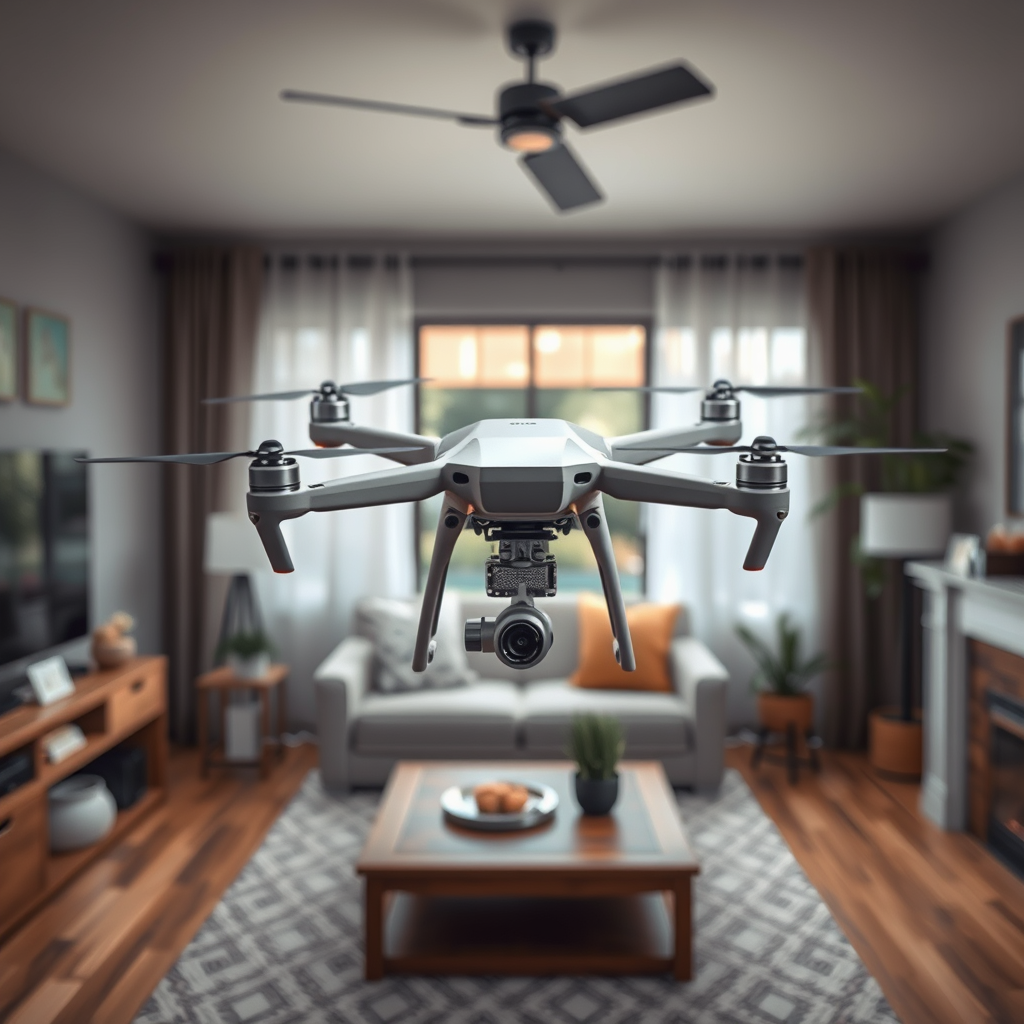
Before embarking on your indoor drone flying journey, it’s crucial to familiarize yourself with local laws and regulations regarding drone usage. While many regulations primarily focus on outdoor flying, some jurisdictions may have specific rules pertaining to indoor operations, especially in public spaces. For instance, flying a drone in a commercial or shared building might require permission from the property owner or management. Always ensure that you are compliant with any local restrictions or guidelines to avoid legal issues.
In addition, consider the type of indoor environment where you plan to fly. If you are flying in a private home, you typically have more freedom, but it’s wise to discuss your plans with household members to ensure everyone is on board with the activity. In contrast, flying in schools, offices, or other public buildings may come with stricter regulations and the need for formal approvals.
Choosing the Right Drone for Indoor Flying
Selecting the appropriate drone is a pivotal aspect of ensuring a successful indoor flying experience. Smaller, lightweight drones specifically designed for indoor use are generally the best options. These drones tend to have lower speeds and are easier to maneuver in confined spaces, reducing the likelihood of accidents. Models such as the DJI Tello or the Holy Stone HS210 are excellent examples of beginner-friendly drones that are well-suited for indoor flying.
Additionally, look for drones equipped with propeller guards, which can protect both the drone and your surroundings from damage during flight. These features significantly mitigate the risk of injury or property damage, allowing for a more relaxed flying experience. Furthermore, drones with advanced stabilization technologies can help maintain steady flight paths, making them easier to control even for novice pilots.
Safety Precautions When Flying Indoors
Safety should always be a top priority when flying drones indoors. Start by ensuring that the flight area is free from obstacles and hazards. Move furniture and other potential obstructions out of the way, and clear the space of fragile items that could be damaged by a crash. Designate a specific flying zone within your indoor environment to keep your flying organized and safe.
It’s also vital to keep pets and people at a safe distance during flight. Drones can be unpredictable, especially for inexperienced pilots, and having bystanders too close can lead to accidents. A good rule of thumb is to establish a minimum distance of at least ten feet from anyone who is not flying the drone. Additionally, consider using visual markers or boundaries to define the flight space more clearly.
Tips for Successful Indoor Drone Flight
To make the most of your indoor drone flying experience, practice basic maneuvers in a spacious area before attempting more complex flights. Familiarize yourself with the controls, and work on basic tasks such as takeoffs, landings, and simple turns. Many drones come equipped with features like altitude hold, which stabilizes the drone at a set height, and headless mode, which simplifies directional control. These features can be particularly beneficial for beginners, making it easier to focus on flying rather than constant adjustments.
Another great tip is to use a simulator app or software to practice your flying skills before taking to the skies. Many drone manufacturers offer simulation programs that allow you to refine your skills without the risk of crashing an actual drone. Additionally, consider flying during times when the indoor environment is less crowded to minimize distractions and potential safety hazards.
Common Challenges of Indoor Drone Flying
Indoor drone flying does come with its set of challenges. One of the most significant issues is limited space, which can lead to crashes and collisions. Always be aware of your surroundings, and maintain a conservative approach when flying close to walls or furniture. It’s advisable to fly at a lower altitude and lower speeds to give yourself more time to react to unforeseen obstacles.
Another common challenge is poor lighting conditions, which can affect the drone’s camera and sensors. Indoor environments often have varying light levels that can interfere with a drone’s stability and flight performance. Make sure to fly in well-lit areas to enhance visibility and sensor functionality. If you’re using a drone with a camera for photography or videography, consider bringing additional lighting to achieve better results.
Maintenance and Care for Indoor Drones
Regular maintenance and care for your indoor drone are essential to ensure its longevity and safe operation. After each flying session, conduct a thorough check for any signs of damage, such as bent propellers or cracks in the body. Addressing minor issues promptly can prevent more significant problems down the line.
Cleaning is another critical aspect of drone maintenance. Dust and debris can accumulate on the drone, potentially affecting its sensors and performance. Use a soft cloth to wipe down the exterior and ensure that the propellers are free from debris before each flight. Additionally, keep the drone’s battery charged and stored properly to maintain optimal performance levels for future flying sessions.
In conclusion, flying a drone indoors is possible and can be enjoyable if done safely and responsibly. By understanding local regulations, choosing the right drone, implementing safety precautions, and practicing essential flying skills, you can create a rewarding indoor flying experience. Remember to regularly maintain your drone to ensure it remains in peak condition, and always be mindful of your surroundings to prevent accidents. With these guidelines in place, happy flying!
Frequently Asked Questions
Can I fly a drone inside my house safely?
Yes, you can fly a drone inside your house, but safety precautions are essential. Ensure that your drone is small and lightweight, as larger drones may cause damage or injury if they collide with objects or people. Additionally, it’s vital to clear the area of fragile items and obstacles to prevent accidents during flight.
What are the best drones for indoor flying?
The best drones for indoor flying are typically small, lightweight models with stable flight capabilities. Some popular options include the DJI Tello, which has features like built-in sensors and a user-friendly app, and the Holy Stone HS210, known for its durability and ease of use. When choosing a drone, consider factors like battery life, ease of control, and safety features to enhance your indoor flying experience.
Why is it important to check for obstacles before flying a drone indoors?
Checking for obstacles before flying a drone indoors is crucial to avoid accidents and damage. Indoor environments often contain furniture, walls, and decorative items that can hinder flight paths and lead to collisions. By surveying the space and removing potential hazards, you can ensure a safer flying experience and prolong the lifespan of your drone.
How can I improve my indoor drone flying skills?
To improve your indoor drone flying skills, practice regularly in a controlled environment and utilize simulators that mimic indoor flying conditions. Start with simple maneuvers, such as hovering and gentle turns, before progressing to more complex tasks like flying through obstacles. Additionally, watching tutorial videos and joining online drone communities can provide valuable tips and techniques from experienced pilots.
Are there any legal restrictions on flying drones indoors?
Generally, there are no specific legal restrictions on flying drones indoors, as most regulations focus on outdoor use to ensure safety and airspace management. However, it’s essential to respect the property rights of others and any rules set by the building’s management if you’re flying in shared spaces. Always ensure that you have permission to fly in indoor locations, especially in public or commercial buildings.
References
- https://www.faa.gov/uas/getting_started/registry/
- https://www.faa.gov/uas/
- https://www.nytimes.com/2021/04/14/technology/drones-faa-regulations.html
- https://www.abc.net.au/news/2020-11-12/drone-flying-rules-explained/12883542
- https://www.wired.com/story/drone-flying-tips/
- https://www.ncbi.nlm.nih.gov/pmc/articles/PMC5500256/
- https://www.usc.edu/dept/publications/book/using-drones-in-urban-settings.pdf
- https://www.theguardian.com/technology/2020/aug/12/drone-technology-faa-regulations-privacy
- https://www.bbc.com/news/technology-61221036
