
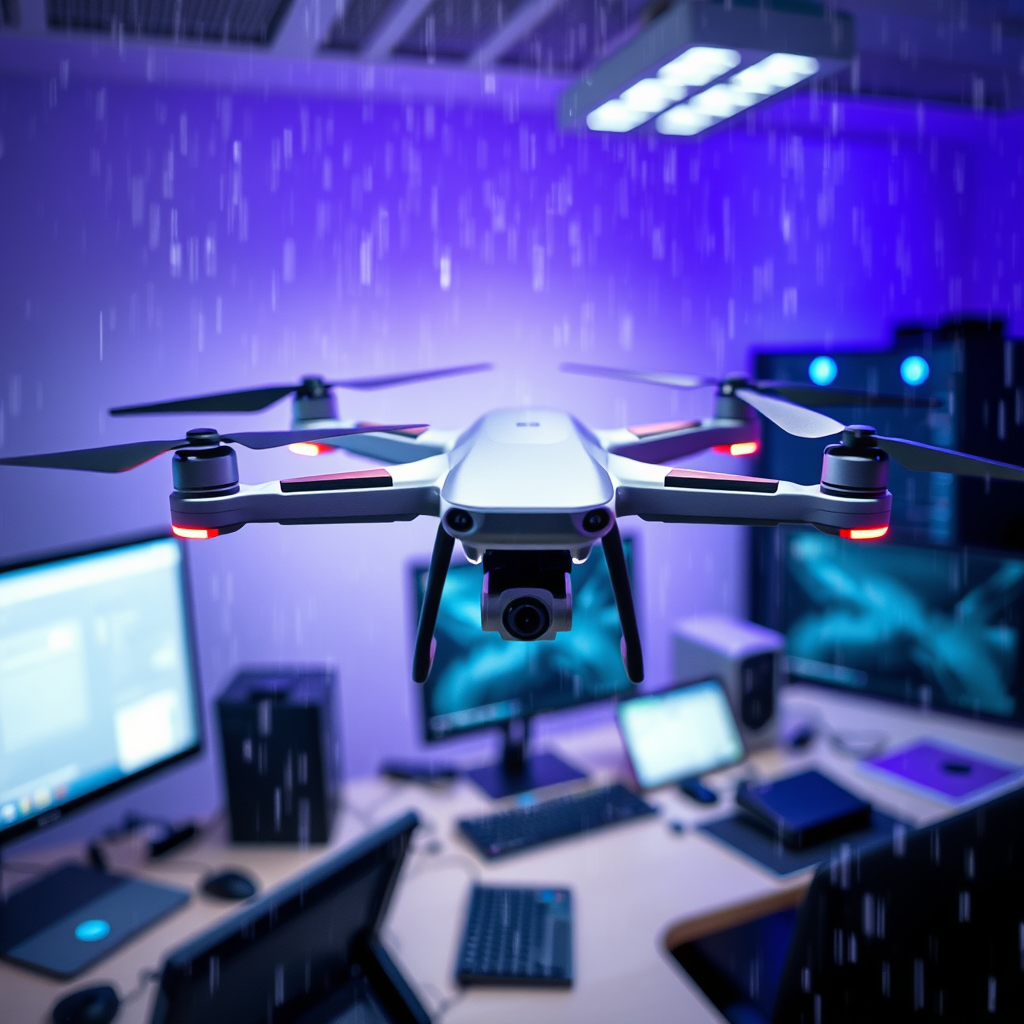
Yes, you can fly a drone in light rain, but it’s essential to consider the drone’s specifications and the potential risks involved. While some drones are designed to withstand light moisture, others may not be equipped for wet conditions. Understanding these factors can help you make an informed decision and ensure a safe flying experience.
Understanding Drone Waterproof Ratings
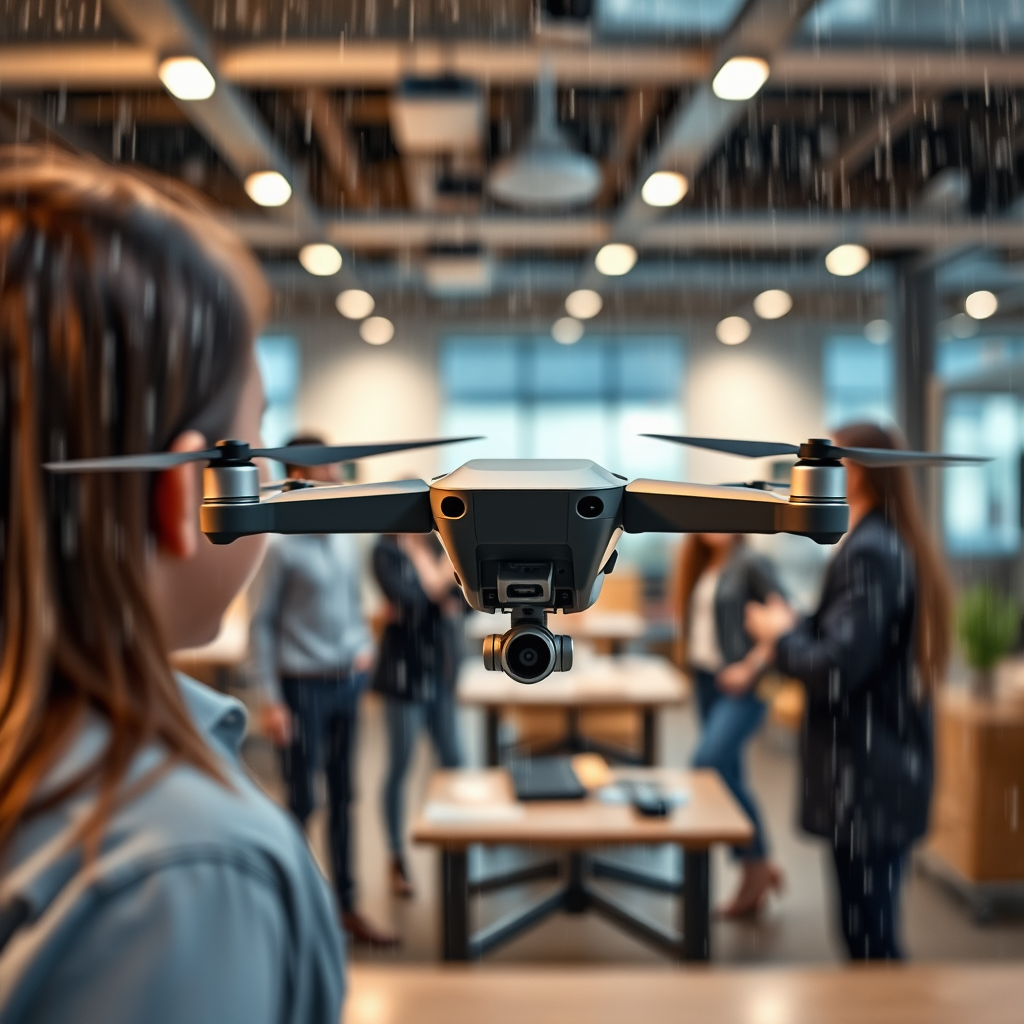
One of the key factors to consider when flying a drone in light rain is its waterproof rating. Many drones come with Ingress Protection (IP) ratings, which indicate their resistance to water and dust. The IP rating consists of two digits; the first digit represents dust protection, while the second digit defines water resistance. For example, a drone with an IP67 rating is dust-tight and can withstand immersion in water up to 1 meter for 30 minutes.
Drones with higher IP ratings, such as IP67 or IP68, are generally better suited for flying in light rain. These models are constructed with materials and designs that help prevent moisture from penetrating their internal components. Popular examples include the DJI Mavic 2 Enterprise and the Skydio 2, both of which feature robust waterproofing that enables them to function effectively in adverse weather conditions. However, it’s crucial to remember that even drones with high IP ratings can still be vulnerable to heavy rain or prolonged exposure to moisture.
Risks of Flying Drones in Rain
While flying a drone in light rain is possible, it is not without its risks. One of the primary concerns is the potential impact on the drone’s performance. Moisture can interfere with electronic systems, leading to reduced battery life and compromised GPS signal accuracy. This can result in erratic flight behavior, making it difficult to maintain control and navigate effectively.
Moreover, exposure to rain can cause damage to internal components, leading to costly repairs or even complete failure of the drone. Water can seep into sensitive areas such as the motors, battery compartments, and circuit boards, potentially causing short circuits, corrosion, or other long-term issues. As a result, even if the rain seems light, it is essential to weigh these risks against the benefits of flying in wet conditions.
Recommended Drone Models for Wet Conditions
When considering flying a drone in light rain, selecting a model specifically designed for rugged conditions is vital. Some drones come equipped with water-resistant features that enhance their performance in adverse weather. For instance, the DJI Mavic 2 Enterprise is fortified with advanced weatherproofing, making it a reliable choice for those who may encounter light rain during their flights. The Autel Robotics EVO Lite+ is another model that offers a degree of water resistance, allowing for safer operations in damp environments.
Additionally, drones designed for industrial applications, such as the senseFly eBee X, often have enhanced durability and weather resistance. These models are built to endure various outdoor conditions, including light rain. When researching potential drone models, look for specifications that highlight weather resistance, as well as user reviews that discuss performance in wet conditions.
Tips for Flying Drones in Light Rain
If you decide to fly your drone in light rain, there are several best practices to follow to ensure safety and performance. First and foremost, keep flight times short to minimize exposure to moisture. Limiting your flight duration will help protect critical components from prolonged contact with water.
Another important tip is to avoid flying in heavy rain or windy conditions. While light rain may be manageable, heavy downpours can increase the risk of water damage and complicate flight operations. Wind can exacerbate the effects of rain and make it challenging to control your drone effectively.
Before launching, it’s also advisable to inspect your drone for any signs of wear or damage that may compromise its water resistance. Additionally, make sure to calibrate your drone’s sensors before flying, as moisture can interfere with sensor readings and impact navigation.
Legal Considerations for Flying Drones in Rain
Before taking your drone out in light rain, it’s crucial to familiarize yourself with local regulations regarding drone operations in adverse weather conditions. Different jurisdictions may have specific laws governing the use of drones during rain or low visibility. For example, some areas may prohibit flying in conditions where visibility is compromised, regardless of the drone’s capabilities.
Additionally, it’s important to be aware of any restrictions related to flying near populated areas, as wet conditions can increase risks to both the drone and individuals on the ground. Always check your local aviation authority’s guidelines, as well as any relevant drone-specific regulations, to ensure compliance and avoid potential fines or penalties.
Maintenance After Flying in Rain
Proper maintenance is essential after flying a drone in light rain to ensure its longevity and maintain optimal performance. After your flight, inspect the drone for any signs of moisture, particularly around the battery compartment, motors, and camera. If you notice any dampness, gently dry the affected areas with a soft, lint-free cloth.
It’s also a good practice to allow your drone to air dry in a well-ventilated area for a few hours to ensure any trapped moisture evaporates. Regular maintenance, such as cleaning and inspecting seals and gaskets, can help prevent water from entering critical components during future flights.
Additionally, consider applying a waterproofing spray specifically designed for electronics to enhance your drone’s water resistance. This preventive measure can help safeguard against moisture damage in the future, especially if you frequently fly in challenging weather conditions.
In summary, while flying a drone in light rain is possible, it comes with risks that require careful consideration. Always assess your drone’s capabilities, the weather conditions, and your local regulations before taking to the skies. By understanding waterproof ratings, recognizing potential risks, choosing the right drone models, and following proper maintenance practices, you can enjoy a safe and enjoyable drone flying experience, even in less than ideal weather. Stay informed and proactive to make the most out of your aerial adventures!
Frequently Asked Questions
Can you fly a drone in light rain?
Flying a drone in light rain is generally not recommended, as most consumer drones are not designed to be water-resistant. Moisture can damage the electronic components and motors of the drone, leading to malfunction or failure during flight. If you must fly in light rain, it’s crucial to ensure your drone is specifically rated for such conditions and to take extra precautions, like using waterproof covers.
What are the risks of flying a drone in light rain?
The primary risks of flying a drone in light rain include potential water damage to sensitive electronics, reduced visibility, and compromised battery performance. Even light rain can affect the drone’s gyroscope and compass, leading to unstable flight. Additionally, water on the drone’s lens can hinder camera quality, ultimately affecting your footage.
How can I protect my drone from rain while flying?
To protect your drone from rain, consider using a waterproof drone cover or case designed for your specific model. Additionally, you can apply a water-resistant coating to critical electronic components, but this may void your warranty. If you decide to fly in light rain, ensure that you keep your flight time short to minimize exposure and land the drone promptly if the weather worsens.
Why do some drones handle light rain better than others?
Some drones are specifically engineered for adverse weather conditions and come with water-resistant or waterproof features, such as sealed components and protective coatings. Drones designed for professional use, like those used in aerial photography or surveying, often have better protection against moisture compared to hobbyist models. It’s essential to check the manufacturer’s specifications regarding weather resistance for your particular drone.
What should I do if my drone gets wet in light rain?
If your drone gets wet while flying in light rain, immediately land it in a safe area to prevent further exposure to moisture. Once on the ground, power it off and remove the battery to prevent short circuits. Allow the drone to dry completely before attempting to power it on again; placing it in a dry, warm area or using silica gel packets can help absorb moisture. Always check for any signs of damage before flying again.
References
- https://www.faa.gov/uas/getting_started/flight_operations/weather_conditions
- https://www.dronepilotgroundschool.com/drone-flying-in-the-rain/
- https://www.suasnews.com/2020/01/flying-drones-in-the-rain-what-you-need-to-know/
- https://www.cnet.com/tech/mobile/how-to-fly-a-drone-in-the-rain/
- https://www.dronedj.com/2021/07/21/flying-drones-in-the-rain-what-you-need-to-know/
- https://www.techradar.com/how-to/flying-a-drone-in-the-rain-what-you-need-to-know
- https://www.nasa.gov/centers/dryden/pdf/80860.pdf
- https://www.safewise.com/resources/drones-in-rain-safety-guide/
- https://www.theverge.com/2020/9/14/21435362/drone-flying-in-rain-tips-tech-issues-safety
