
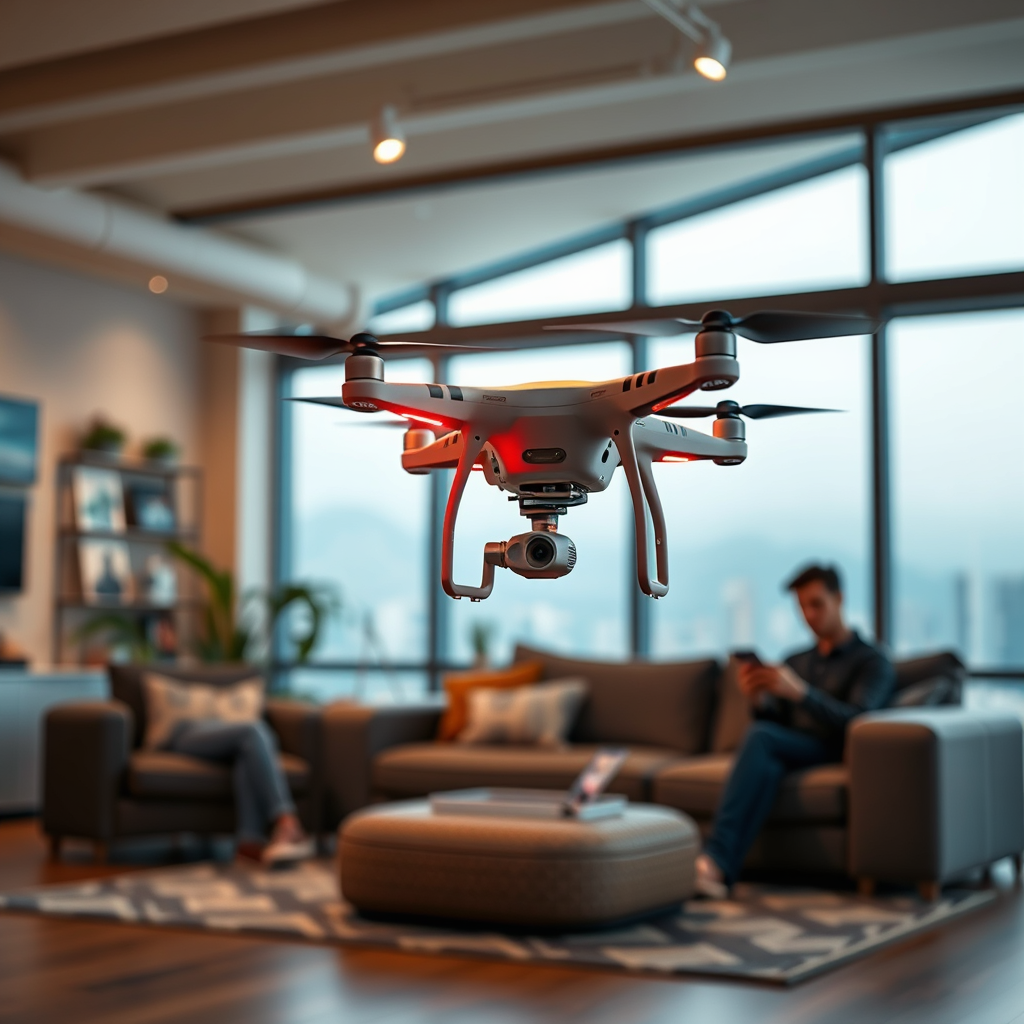
Yes, you can fly a drone without a license in certain cases, but there are specific regulations you must follow. The Federal Aviation Administration (FAA) has established guidelines that delineate when a license is required, particularly distinguishing between recreational and commercial drone use. Understanding these rules is vital for drone enthusiasts to ensure compliance while enjoying their flying experience.
Understanding Drone Regulations
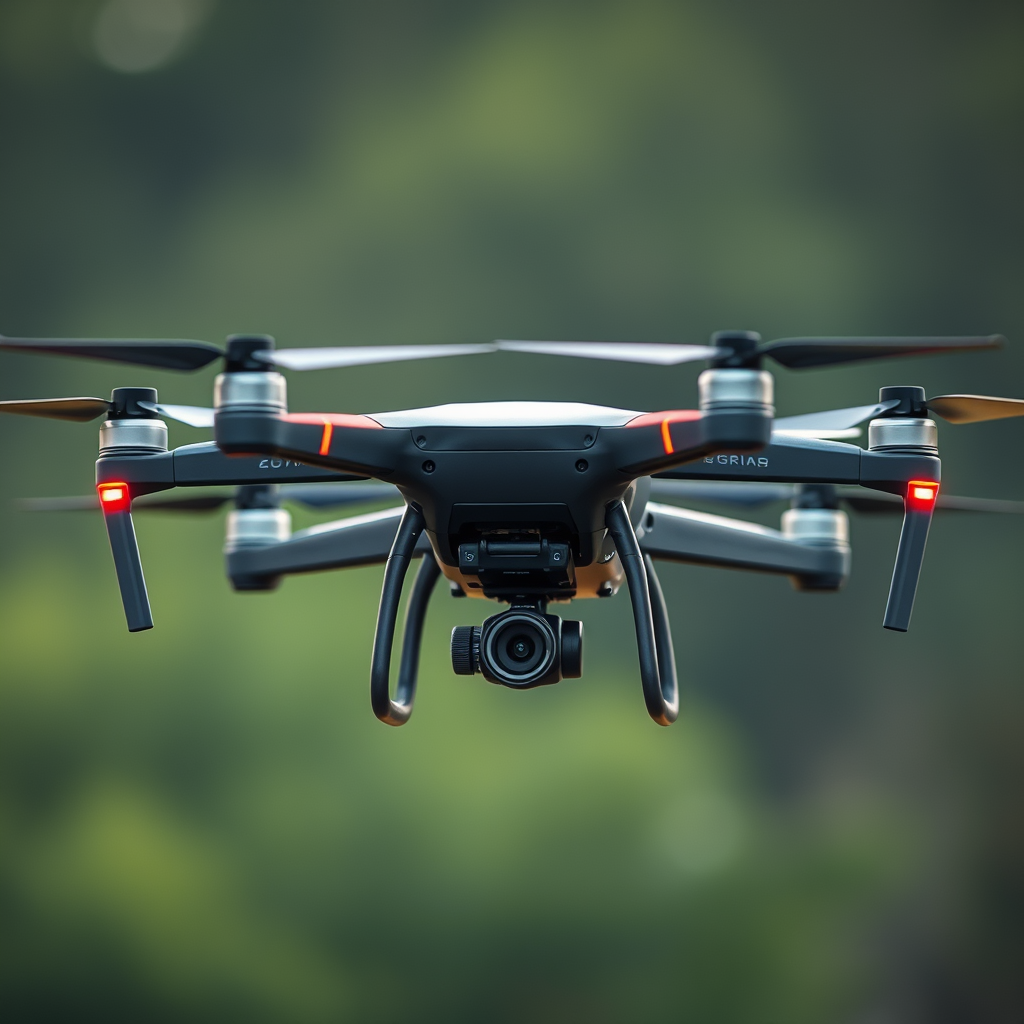
The FAA regulates drone operations in the United States to ensure safety in the airspace. Their regulations apply to all unmanned aircraft systems (UAS), including drones. Under these regulations, drone pilots must adhere to various rules based on the intended use of their drones.
The primary distinction lies between recreational flying and commercial flying. Recreational drone users operate under the Special Rule for Model Aircraft, which allows them to fly without a license as long as they follow specific guidelines. These guidelines include keeping the drone within visual line-of-sight, flying only for hobby purposes, and flying at or below 400 feet. Conversely, commercial drone operations, which include any business-related use, require pilots to obtain a Part 107 certificate, ensuring that they are trained and knowledgeable about the regulations, airspace, and safety requirements.
When a License is Not Required
You can fly a drone without a license if you meet certain conditions set forth by the FAA. To qualify as a recreational drone pilot, you must follow these criteria:
1. Weight Limits: Your drone must weigh less than 55 pounds, including any payload.
2. Altitude Restrictions: You are permitted to fly your drone at a maximum altitude of 400 feet above ground level.
3. Visual Line-of-Sight: You must maintain direct visual contact with your drone at all times during flight.
4. No Commercial Use: The flight must be strictly for recreational purposes; any commercial use necessitates a Part 107 license.
Additionally, if you plan to fly in controlled airspace, you are required to obtain authorization from the FAA, even as a recreational pilot. Utilizing tools such as the FAA’s B4UFLY app can help you determine if you are in an area where you need permission.
Responsibilities of the Drone Pilot
While flying a drone without a license is permissible under certain conditions, it carries the responsibility of adhering to regulations and understanding airspace classifications. Airspace is divided into different categories, including controlled and uncontrolled airspace, with specific rules governing each.
Pilots must be aware of their surroundings and ensure they are not flying in restricted areas, such as near airports or military installations. Local laws and community guidelines also play a crucial role in drone operations. Some municipalities may have additional regulations that restrict drone use in public parks or residential areas. Thus, it is imperative for drone pilots to familiarize themselves with both federal and local regulations to avoid potential legal issues.
Consequences of Flying Without a License
Flying a drone without a required license can result in serious consequences. The FAA is empowered to impose significant fines and penalties for non-compliance with regulations. Depending on the severity of the violation, these fines can range from hundreds to thousands of dollars. For instance, unauthorized drone use in controlled airspace can lead to hefty penalties due to the potential for collisions with manned aircraft.
Additionally, flying in restricted areas not only poses risks to the pilot but also to the safety of the public. If a drone were to interfere with airport operations or cause harm, the pilot could face civil liability or criminal charges, further underscoring the importance of understanding and adhering to all regulations.
How to Obtain a Drone License
For those looking to fly drones for commercial purposes, obtaining a Part 107 license is essential. The process involves several key steps:
1. Eligibility: Applicants must be at least 16 years old and able to read, speak, write, and understand English.
2. Knowledge Test: Candidates must pass the FAA’s Aeronautical Knowledge Test, which covers topics such as airspace regulations, weather implications, and drone operation safety.
3. Application: After passing the test, applicants must submit a completed FAA Form 8710-13 for a remote pilot certificate.
4. Background Check: The FAA will conduct a security background check on the applicant.
Once obtained, the Part 107 license must be renewed every two years, which includes passing a recurrent knowledge test to ensure that pilots remain knowledgeable about evolving regulations and safety practices.
Tips for Safe Drone Flying
To maintain safety and compliance while flying drones, consider the following best practices:
1. Pre-Flight Check: Always conduct a thorough pre-flight inspection of your drone to ensure it is in good working condition.
2. Stay Informed: Regularly check for updates on FAA regulations and local laws, as these can change frequently. The FAA website and drone community forums are excellent resources.
3. Use Technology: Utilize drone management applications that provide real-time airspace information, weather conditions, and no-fly zone alerts.
4. Practice Responsible Flying: Respect privacy concerns by not flying over private properties without permission and maintaining a safe distance from crowds.
By adhering to these practices, drone pilots can enhance safety and ensure compliance with regulations, allowing for enjoyable and responsible flying experiences.
In conclusion, while it is possible to fly a drone without a license under specific conditions, it is essential to fully understand and comply with FAA regulations and local laws to avoid penalties. For those intending to operate drones for commercial purposes, pursuing a Part 107 license is highly advisable to ensure legal compliance and enhance safety. By remaining informed and practicing safe flying techniques, drone enthusiasts can enjoy their hobby while contributing to a responsible drone culture.
Frequently Asked Questions
Can you fly a drone without a license in the United States?
Yes, you can fly a drone without a license in the United States, provided you follow specific regulations. For recreational use, you do not need a Remote Pilot Certificate, but you must adhere to the FAA’s guidelines, such as flying below 400 feet, maintaining visual line-of-sight, and avoiding restricted airspace. However, if you plan to use your drone for commercial purposes, you must obtain a Part 107 license from the FAA.
What are the consequences of flying a drone without a license?
Flying a drone without the required license can lead to several consequences, including hefty fines, legal action, and confiscation of your drone. The FAA can impose penalties that range from $1,000 to $10,000, depending on the severity of the violation. Furthermore, unauthorized drone flights can compromise safety and privacy, leading to potential civil lawsuits from affected parties.
How can I check if I need a license to fly my drone?
To determine if you need a license to fly your drone, assess your purpose for flying. If you’re flying for recreational use, you’re generally not required to have a license, but you must comply with FAA regulations. For commercial use, you need to pass the FAA’s Part 107 exam to obtain your Remote Pilot Certificate. Additionally, you can visit the FAA’s website, which offers detailed information on drone operations and licensing requirements.
Why is it important to have a drone license for commercial flying?
Having a drone license for commercial flying is crucial for ensuring safety, legality, and credibility. A Part 107 certificate not only demonstrates that you understand the FAA regulations but also helps you operate your drone safely in various environments, minimizing risks to people and property. Moreover, many clients and businesses require proof of certification before hiring drone services, making licensure vital for professional opportunities.
Which drones can be flown without a license?
Drones that weigh less than 250 grams (0.55 pounds) can typically be flown without a license for recreational purposes, as they are often classified as toys rather than UAVs by the FAA. Examples include smaller consumer drones like the DJI Tello or the Ryze Tech Tello. However, regardless of the drone’s weight, pilots must still adhere to safety guidelines, such as flying in uncontrolled airspace and avoiding crowded areas.
References
- https://www.faa.gov/uas/getting_started/know_before_you_fly
- https://www.faa.gov/uas/getting_started/registration
- https://www.npr.org/2021/04/07/985255213/what-to-know-about-flying-drones
- https://www.reuters.com/business/aerospace-defense/why-you-need-license-fly-drone-us-2021-12-06/
- https://www.wired.com/story/faa-drone-regulations/
- https://en.wikipedia.org/wiki/Drone_regulations_in_the_United_States
- https://www.abc.net.au/news/2021-05-17/drone-licensing-rules/100145764
- https://www.suasnews.com/2021/10/drone-flying-without-a-license-what-you-need-to-know/
