

Yes, you can fly drones in many places, but there are specific regulations and restrictions that dictate where and when you can operate them. Understanding these rules is crucial for safe and legal drone flying, especially as the popularity of drones continues to rise among hobbyists and commercial users alike. This blog post will delve into the various regulations, no-fly zones, height restrictions, privacy concerns, and best practices to ensure that your drone flying experience is both enjoyable and compliant with the law.
Understanding Drone Regulations
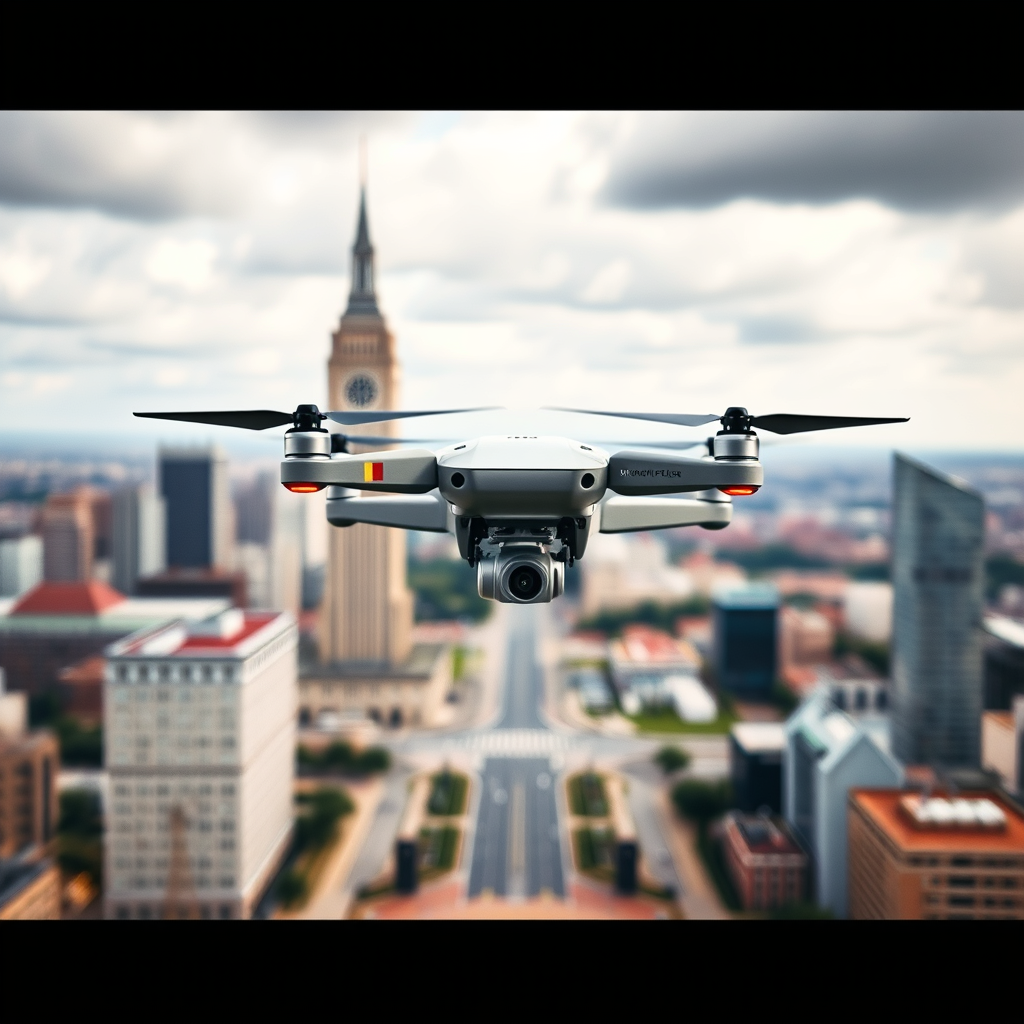
Federal Aviation Administration (FAA) guidelines govern drone usage in the U.S., outlining the necessary rules for recreational and commercial operators. The FAA categorizes drones into different classes, primarily focusing on weight and intended use. For instance, drones under 55 pounds used for recreational purposes must adhere to the Part 107 regulations, which include guidelines on maximum altitude, flight visibility, and operational limits. However, it is important to note that different countries have varying regulations. For example, in the European Union, the European Union Aviation Safety Agency (EASA) has implemented its own set of regulations, which may differ significantly from those in the U.S. Always check local laws and regulations before flying, as ignorance of the law will not exempt you from penalties.
No-Fly Zones
Certain locations are designated as no-fly zones, where drone operations are strictly prohibited or severely restricted. Airports, for instance, are critical no-fly zones due to the potential hazards drones pose to manned aircraft. The FAA establishes a five-mile radius around airports where drone operators must notify air traffic control before flying. Military bases are another example of restricted areas; unauthorized drone flights in these zones can lead to serious legal consequences. Additionally, national parks often have regulations in place to protect wildlife and natural resources, thereby limiting drone usage. Urban areas may introduce additional restrictions to safeguard privacy and public safety, necessitating a thorough understanding of local ordinances before flying your drone in cities.
Height Restrictions
Most regulations limit drones to a maximum altitude of 400 feet above ground level. This height restriction is in place to minimize the risk of collisions with manned aircraft, which typically operate at higher altitudes. In some cases, flying higher may require special permissions or licenses, especially for commercial operators. For example, a commercial pilot wishing to fly above the 400-foot limit for specific purposes, such as surveying or aerial photography, must seek authorization through the FAA’s Part 107 waiver process. Familiarizing yourself with these altitude restrictions is essential to avoid legal ramifications and ensure the safety of all airspace users.
Privacy Concerns
Drones equipped with cameras can raise significant privacy concerns, leading to legal repercussions for operators who ignore privacy laws. Many states and local jurisdictions have enacted laws that restrict or prohibit the use of drones for surveillance without consent. For instance, in California, the Unmanned Aircraft Systems (UAS) Act establishes that it is unlawful to use a drone to invade someone’s privacy. Therefore, it is crucial to always respect people’s privacy and avoid flying over private properties without explicit permission. This not only aligns with legal requirements but also fosters goodwill within the community of drone operators.
Special Permissions
Certain activities, such as commercial drone flying, require special permits. If you plan to use drones for business purposes, such as aerial photography, real estate marketing, or agricultural monitoring, you must obtain a Remote Pilot Certificate from the FAA under Part 107. This certification entails passing a knowledge test that covers regulations, airspace classification, weather effects, and drone operation. Additionally, some specific applications may require further permissions, such as flying at night or above populated areas. Researching and applying for the necessary licenses is crucial for ensuring compliance and avoiding potential fines.
Best Practices for Safe Flying
Adhering to best practices is essential for promoting safe drone flying. Always conduct a pre-flight check to ensure your drone is in good working condition, including checking battery levels, inspecting propellers, and ensuring that your GPS system is functioning correctly. Keeping your drone within your line of sight is not just a recommendation but a legal requirement under FAA regulations. Avoid flying in bad weather conditions, as adverse weather can significantly impair your control over the drone and increase the risk of accidents. Joining local drone clubs or organizations can provide valuable insights into best practices and a sense of community among fellow drone enthusiasts.
In conclusion, while you can fly drones in many places, it is essential to be aware of the regulations, no-fly zones, and safety practices to ensure a legal and enjoyable experience. Always stay informed about local laws, and consider taking a drone safety course to enhance your flying skills. By understanding the restrictions and adhering to best practices, you can contribute to the safe integration of drones into our airspace and enjoy all the benefits that this technology has to offer.
Frequently Asked Questions
Can you fly drones anywhere in the United States?
No, you cannot fly drones anywhere in the United States due to various regulations set by the Federal Aviation Administration (FAA). Drones are restricted from flying in certain areas such as near airports, over crowds, and in national parks. It’s essential to check local laws and regulations, as some states and municipalities may have additional restrictions on drone usage.
What are the best practices for flying drones in urban areas?
When flying drones in urban areas, always maintain a safe distance from people and property, keeping in mind the FAA’s guidelines. It’s advisable to fly below 400 feet and avoid flying over large crowds or vehicles. Additionally, be aware of no-fly zones, such as near airports or government buildings, and ensure you have the appropriate permissions or waivers if required.
Why are there restrictions on where you can fly drones?
Restrictions on drone flight locations are primarily in place to ensure safety and privacy. Drones can pose risks to manned aircraft, especially near airports, and can invade the privacy of individuals if flown over private property. Regulatory bodies like the FAA implement these rules to protect both drone operators and the general public from potential hazards.
How can I find out if a specific area is a no-fly zone for drones?
To determine if a specific area is a no-fly zone for drones, you can use resources like the FAA’s B4UFLY app, which provides real-time information about airspace restrictions. Additionally, websites like AirMap and DJI’s Fly Safe feature offer interactive maps that show restricted areas. Always check these resources before planning your drone flight to ensure compliance with local regulations.
Which types of drones are allowed to fly in restricted zones with special permissions?
In some cases, commercial drones that are registered and have obtained a Part 107 Remote Pilot Certificate may be allowed to fly in restricted zones with special permissions or waivers from the FAA. This includes operations like aerial photography, surveying, or inspection in controlled airspace, provided that the drone pilot adheres to the specific conditions outlined in the waiver. Always research and apply for the necessary permissions well in advance of your planned flight.
References
- https://www.faa.gov/uas/getting_started/where_to_fly
- https://www.faa.gov/uas/
- https://www.wired.com/story/drone-flying-regulations/
- https://en.wikipedia.org/wiki/Drone_regulation
- https://www.nytimes.com/2021/04/19/technology/drone-regulations.html
- https://www.cnet.com/tech/services-and-software/drone-laws-what-you-need-to-know/
- https://www.nps.gov/articles/drone-regulations-in-national-parks.htm
