
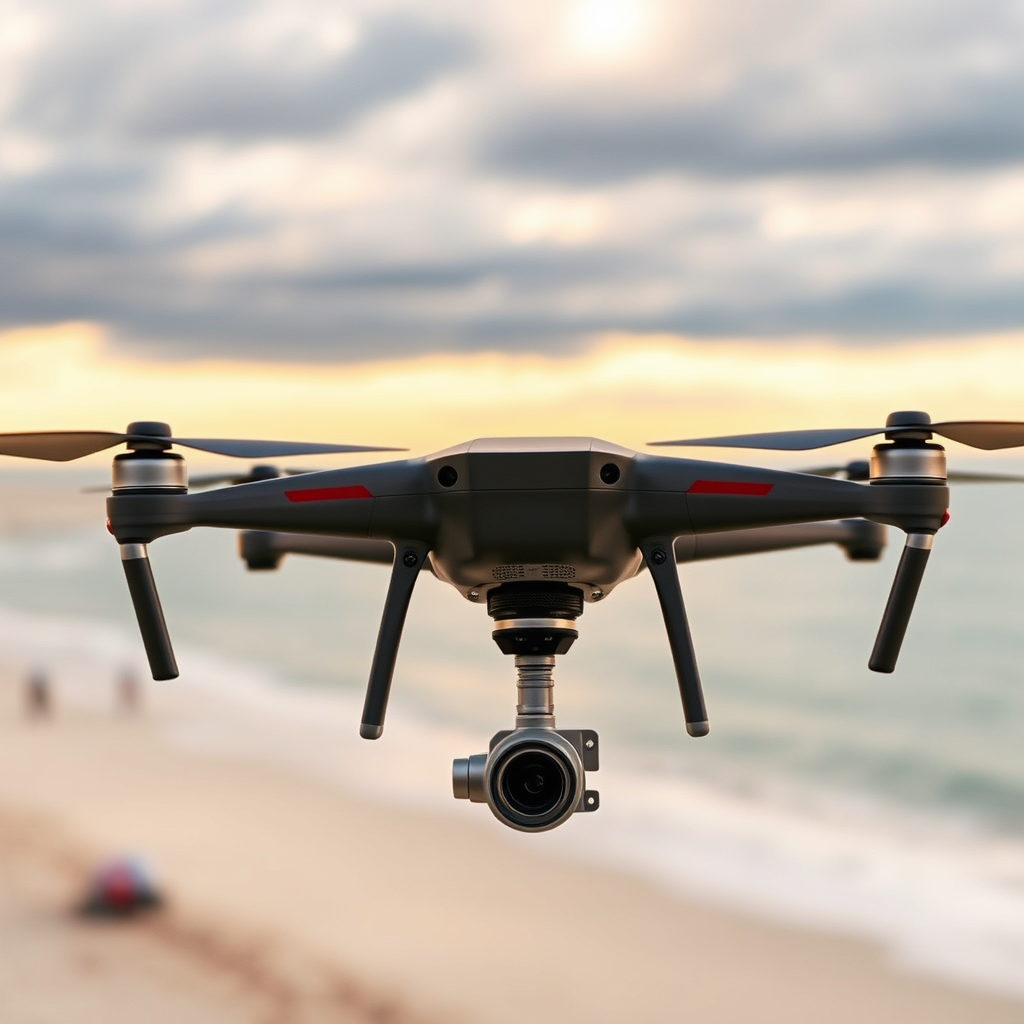
Yes, you can fly drones at Myrtle Beach, but there are specific regulations and guidelines you must follow to ensure safety and compliance. As a popular vacation destination, Myrtle Beach attracts both recreational and professional drone operators who wish to capture its stunning landscapes. However, adherence to local and federal regulations is crucial to avoid legal repercussions and ensure a safe flying experience for everyone.
Understanding Local Regulations

The Federal Aviation Administration (FAA) governs drone usage across the United States, which includes regulations regarding the registration and operation of unmanned aerial vehicles (UAVs). Any drone weighing over 0.55 pounds must be registered with the FAA, and operators must adhere to Part 107 regulations if they intend to use their drones for commercial purposes. This includes obtaining a Remote Pilot Certificate, which requires passing a knowledge test that covers airspace regulations, weather, and drone operation.
In addition to federal regulations, Myrtle Beach has implemented local ordinances that may further restrict where and how drones can be flown. Key areas such as state parks, public beaches, and the downtown district may have specific no-fly zones. The City of Myrtle Beach, for instance, has established rules that limit drone flights over certain public gatherings and events to ensure public safety and privacy. Therefore, it is essential to familiarize yourself with both the FAA guidelines and local laws before taking off.
Popular Drone Flying Areas
Myrtle Beach offers a variety of scenic locations that are suitable for flying drones, but it’s crucial to identify areas where drone operations are permitted. The beach itself is a popular spot for aerial photography, providing picturesque views of the coastline and the Atlantic Ocean. However, drone pilots should be cautious of designated no-fly zones that may exist in certain parts of the beach, particularly during peak tourist seasons and events.
For those seeking less crowded spaces, local parks and open areas may offer better opportunities for flying without interference. For example, the Huntington Beach State Park and the Myrtle Beach State Park provide expansive landscapes that are ideal for drone enthusiasts. These locations often have fewer restrictions than urban areas, making them excellent choices for capturing stunning aerial footage while respecting local regulations.
Safety Guidelines for Drone Operators
Safety should always be a priority for drone operators, especially in busy environments like Myrtle Beach. To ensure a safe flying experience, it is essential to follow several key guidelines. First and foremost, always maintain a visual line of sight with your drone, which allows you to control its movements effectively and avoid obstacles. This practice is not only a requirement under FAA regulations but also a fundamental safety measure.
Additionally, it is vital to avoid flying over crowds or private property. Respecting the privacy of others is not just a good practice; it can help prevent potential conflicts and legal issues. If you plan to fly in a populated area, consider using a drone with a geofencing feature that can alert you when you are entering restricted airspace or notify you of nearby structures and individuals.
Permits and Permissions
If you plan to use your drone for commercial purposes in Myrtle Beach, it is essential to check whether you need special permits. The FAA requires commercial drone operators to obtain a Remote Pilot Certificate and comply with additional regulations, which may include obtaining liability insurance. Furthermore, local authorities may require additional permissions for flying in specific areas or during special events, such as festivals or public gatherings.
Before your trip, it is advisable to contact local authorities, such as the city government or the Myrtle Beach Police Department, to inquire about any specific regulations or permits that may apply to your intended drone operations. Being proactive can save you from potential fines and help ensure a smooth flying experience.
Best Times to Fly Drones at Myrtle Beach
Timing can significantly impact your drone flying experience at Myrtle Beach. Early mornings or late evenings are often the best times to fly, as the light during these hours can enhance the quality of aerial photography. The soft, golden hues of sunrise and sunset provide dramatic lighting conditions that can elevate your shots.
Additionally, flying during weekdays may allow for a more peaceful experience, as the beach is typically less crowded compared to weekends. This reduced foot traffic can give drone operators greater flexibility in maneuvering their drones and capturing the breathtaking views without worrying about people in the vicinity.
Tips for Capturing Stunning Aerial Footage
To make the most of your drone flying experience at Myrtle Beach, it’s essential to familiarize yourself with your drone’s camera settings to achieve optimal results. Understanding how to adjust settings such as ISO, shutter speed, and white balance can dramatically enhance the quality of your aerial footage.
Moreover, planning your flight path is crucial for capturing iconic landmarks and scenic views along the coastline. For instance, consider flying along the shoreline to showcase the beautiful contrast between the sandy beaches and the vibrant blue ocean. Additionally, capturing footage of the famous Myrtle Beach Boardwalk or the SkyWheel can add an exciting element to your video content.
Experimenting with various angles and altitudes can also yield unique perspectives that will make your footage stand out. Utilizing techniques such as reveal shots, or flying upwards to unveil a larger scene, can create visually compelling narratives in your videos.
In conclusion, flying drones at Myrtle Beach is certainly possible, provided that you adhere to the applicable regulations and safety guidelines. Understanding local laws, selecting appropriate flying locations, and respecting the privacy of others are all essential components of a responsible drone flying experience. By preparing thoroughly and executing thoughtful flying practices, you can create stunning aerial footage while enjoying the beauty of this iconic destination. Happy flying!
Frequently Asked Questions
Can I fly drones at Myrtle Beach during peak tourist season?
Yes, you can fly drones at Myrtle Beach during peak tourist season, but there are specific regulations you must follow. The Federal Aviation Administration (FAA) guidelines apply, and you should avoid crowded areas and respect privacy laws. Additionally, be aware of local ordinances that may restrict drone usage in certain public spaces and beaches.
What are the rules for flying drones in Myrtle Beach?
When flying drones in Myrtle Beach, you must adhere to FAA regulations, which include keeping your drone within visual line of sight and not exceeding 400 feet in altitude. Local laws also require you to avoid flying over people and private property without permission. It’s advisable to check for any temporary flight restrictions (TFRs) that might be in place during events or emergencies.
Where are the best places to fly drones in Myrtle Beach?
Some of the best places to fly drones in Myrtle Beach include less crowded areas like parks and nature reserves, such as Myrtle Beach State Park or the North Myrtle Beach Park and Sports Complex. These locations often provide stunning landscapes and minimal foot traffic, making them ideal for capturing aerial footage. Always remember to check the local rules for drone flying at these sites.
Why should I register my drone before flying at Myrtle Beach?
Registering your drone is a legal requirement for all unmanned aircraft weighing over 0.55 pounds and less than 55 pounds in the United States, including Myrtle Beach. Registration not only ensures compliance with FAA regulations but also helps improve safety by allowing authorities to identify drone operators in case of accidents or violations. Additionally, it fosters responsible drone flying within the community.
What should I do if I encounter issues while flying my drone in Myrtle Beach?
If you encounter issues while flying your drone in Myrtle Beach, such as technical malfunctions or conflicts with local regulations, it’s essential to land your drone safely and assess the situation. If you accidentally fly into restricted airspace or have a confrontation with local authorities, remain calm and cooperative. Familiarizing yourself with the local drone laws and FAA guidelines beforehand can help you avoid potential problems and ensure a safe flying experience.
References
- https://www.faa.gov/uas/getting_started/registration
- https://www.ncdot.gov/divisions/aviation/Pages/drones.aspx
- https://www.myrtlebeach.gov/Departments/Planning-and-Zoning/Drone-Use.aspx
- https://www.abcnews.go.com/US/drone-laws-know-flying/story?id=67633725
- https://www.faa.gov/uas/resources/policy_library/
- https://www.nc.gov/DroneReg
- https://www.wmbfnews.com/2021/04/12/myrtle-beach-drones/
