
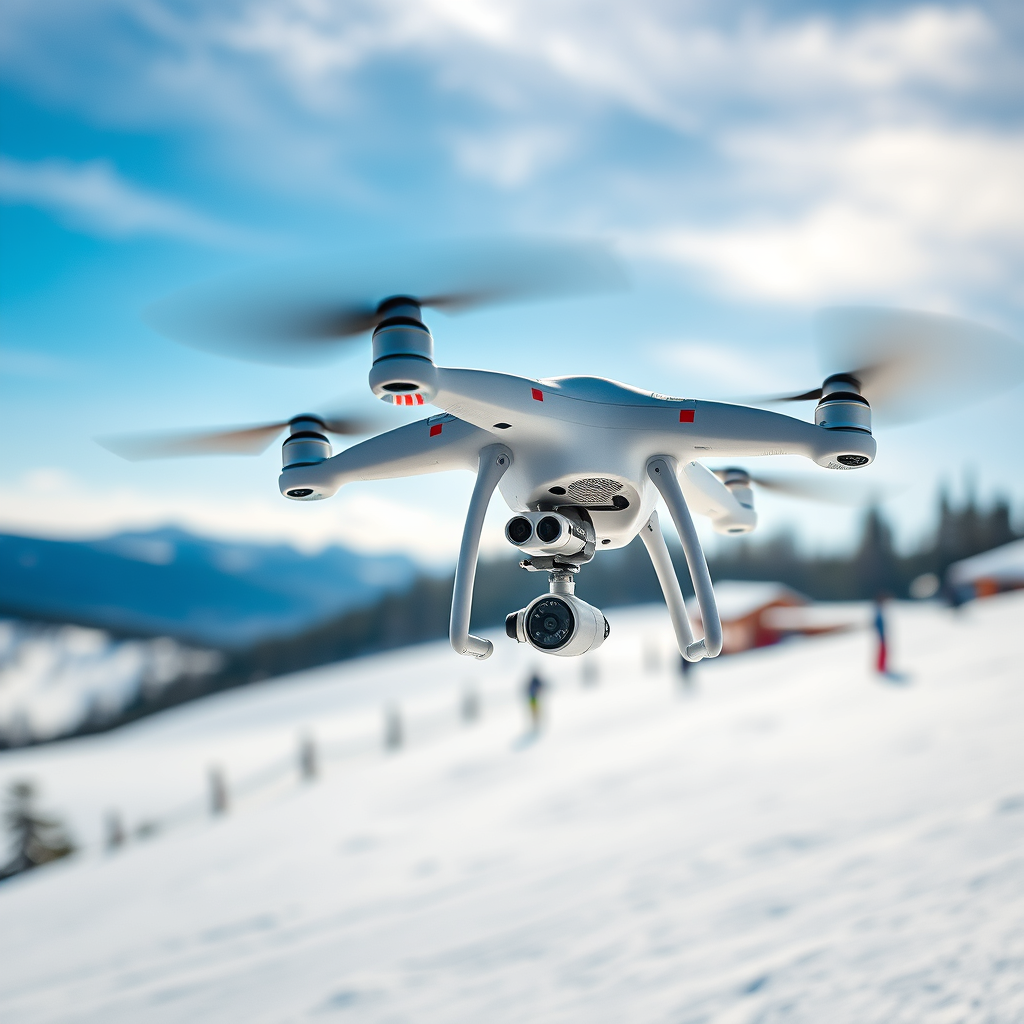
Yes, you can fly drones at some ski resorts, but regulations and restrictions vary by location. Each resort has its own specific policies regarding drone use, and understanding these guidelines is crucial for a safe and enjoyable experience. Additionally, local laws can further dictate where and how you can operate your drone, making it essential to do your homework before hitting the slopes.
Understanding Resort Regulations
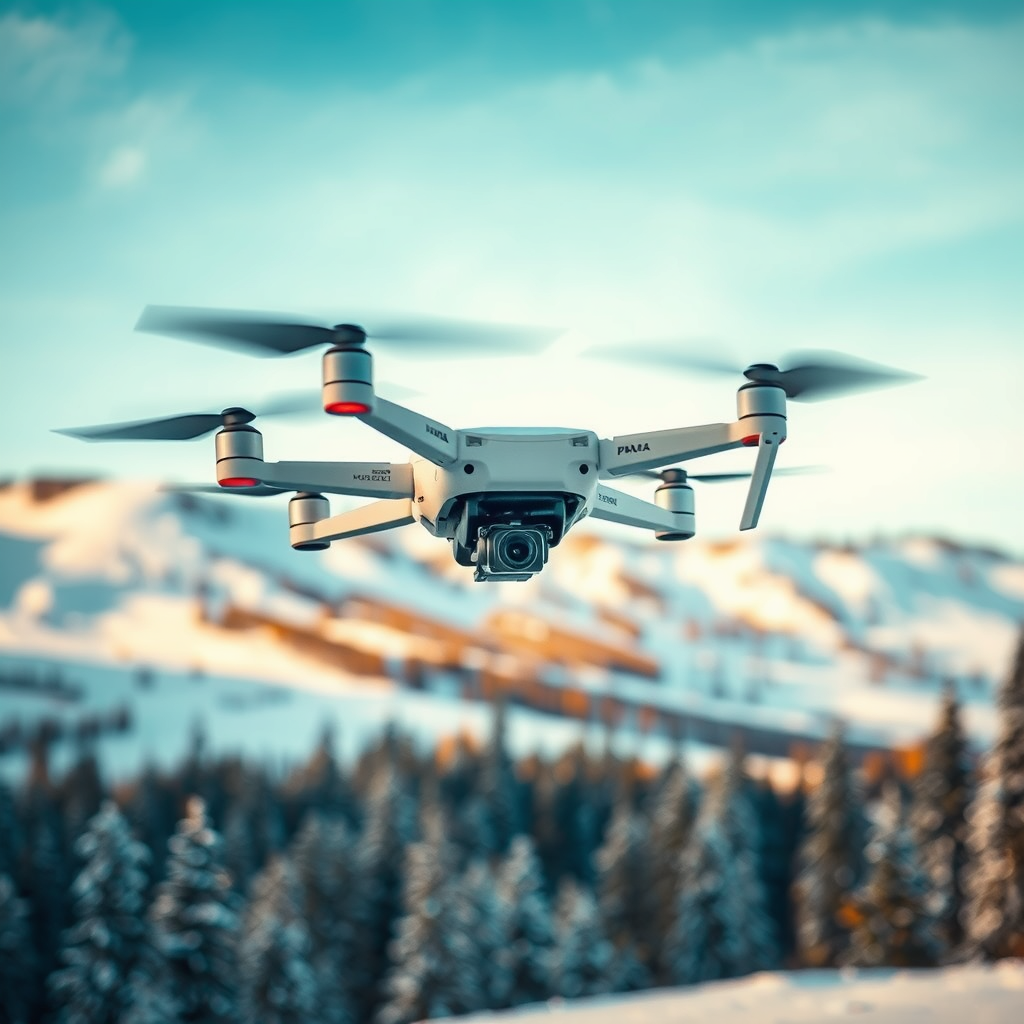
Many ski resorts have specific policies regarding drone use, largely influenced by safety concerns and the desire to maintain a pleasant experience for all guests. Some resorts may outright ban drone flying, while others may permit it in designated areas or during specific times. For example, resorts like Aspen Highlands and Telluride have been known to allow drone operations under certain conditions, while others, like Vail and Breckenridge, have stricter regulations or complete bans.
To avoid any misunderstandings, always check the resort’s official website or contact management directly prior to your visit. Resort policies can change, especially during peak seasons or due to evolving safety protocols, so ensure you have the most current information. Ignorance of these rules can lead to unnecessary confrontations and may even result in your removal from the property.
Federal and Local Drone Laws
The Federal Aviation Administration (FAA) regulates drone flights in the United States, and these regulations apply uniformly across ski resorts. As of October 2023, drone operators must adhere to rules such as keeping the drone within visual line of sight, flying below 400 feet, and avoiding restricted airspace. Additionally, commercial drone use requires a Part 107 certification from the FAA.
Local laws may impose additional restrictions, so familiarize yourself with them before flying. Some states or municipalities might have specific regulations regarding drone usage in public spaces, including parks and recreational areas like ski resorts. For instance, New York has stringent drone laws that could impact your ability to fly near popular ski areas. Always ensure you are compliant with both federal and local regulations to avoid penalties.
Safety Considerations
Flying a drone in crowded areas can pose safety risks to skiers and snowboarders, particularly in high-traffic zones. Collisions between drones and people or obstacles can lead to serious injuries and legal repercussions. Furthermore, skiing is often an unpredictable sport, and skiers may not be aware of a drone overhead, leading to potential accidents.
Be aware of your surroundings and avoid flying near people or obstacles. If you do decide to fly your drone at a resort, consider choosing less crowded times, such as early mornings or late afternoons, when fewer skiers are on the slopes. Additionally, using a drone with obstacle avoidance features can enhance safety and reduce the likelihood of accidents.
Best Practices for Flying Drones
To ensure a successful drone-flying experience at ski resorts, adhere to several best practices. Always keep your drone within visual line of sight, as this is not only a legal requirement but also a safety measure that allows you to maintain awareness of potential hazards.
Choose a drone that is suitable for cold weather and possesses good battery life, as the cold can significantly reduce battery performance. Drones like the DJI Mavic 3 or the Autel EVO Lite are known for their robust capabilities in various weather conditions and have long flight times, making them ideal for capturing stunning winter landscapes.
Moreover, familiarize yourself with the drone’s controls and settings before your trip. Practicing in a safe environment will help you feel confident when navigating the more challenging conditions often present in ski areas.
Popular Ski Resorts That Allow Drones
Some resorts are more drone-friendly than others, and researching which ones permit flying can enhance your trip. Notable locations that are known for their more accommodating drone policies include Mammoth Mountain in California and Park City in Utah. Mammoth Mountain has been recognized for its expansive terrain, allowing for designated drone zones that provide breathtaking aerial views without disturbing other guests.
In contrast, resorts like Jackson Hole and Whistler Blackcomb have strict no-drone policies due to safety concerns and environmental considerations. Before planning your visit, check forums or social media groups dedicated to drone flying at ski resorts, as these platforms can provide real-time updates and personal experiences from fellow drone enthusiasts.
Consequences of Violating Drone Policies
Flying a drone against resort rules can result in serious consequences, including fines, bans from the resort, or even legal action. Ski resorts take their policies seriously; violating them can not only lead to personal repercussions but may also spoil the experience for other guests.
Respecting the guidelines helps maintain safety and enjoyment for all visitors. By adhering to the established rules, you contribute to a positive environment where drone enthusiasts can coexist with skiers and snowboarders. If you’re unsure about a particular policy, it’s always best to err on the side of caution and refrain from flying until you have clear confirmation regarding the rules.
In conclusion, while flying drones at ski resorts can be exciting and provide unique perspectives of the stunning winter landscape, it’s essential to adhere to both resort-specific regulations and general drone laws. Prioritize safety and respect the rights of other visitors by being informed and responsible. Before you head out, make sure to do your research to ensure a smooth and enjoyable experience, allowing you to capture breathtaking moments while respecting the environment and fellow ski enthusiasts.
Frequently Asked Questions
Can you fly drones at ski resorts legally?
The legality of flying drones at ski resorts varies by location and the specific resort’s policies. Many ski resorts prohibit drone use to ensure safety and privacy for guests, as well as to comply with local regulations. Before flying a drone, it’s crucial to check with the resort management and understand any applicable FAA regulations regarding drone operations in recreational areas.
What are the safety concerns of flying drones at ski resorts?
Safety concerns when flying drones at ski resorts include potential collisions with skiers, snowboarders, and other drones, as well as the risk of causing injuries or property damage. Drones can also lose signal or battery power in mountainous terrain, leading to crashes. Additionally, adverse weather conditions, such as high winds or snow, can affect drone stability and performance, making it essential to assess the environment before taking off.
How can I find ski resorts that allow drone flying?
To find ski resorts that permit drone flying, start by researching individual resort policies on their official websites. Online forums and drone enthusiast communities can also provide insights from others who have flown at specific resorts. Additionally, contacting resort management directly can give you the most accurate and up-to-date information on their drone policies.
Why do some ski resorts ban drones?
Many ski resorts ban drones primarily to protect the safety and privacy of their visitors. Drones can pose risks to skiers and snowboarders, especially in crowded areas where they may collide with people or other objects. Moreover, concerns about privacy violations and the potential for drones to disturb wildlife also contribute to these bans, as resorts strive to maintain a safe and enjoyable environment for all guests.
Which drone models are best suited for flying at ski resorts?
When considering drones for use at ski resorts, look for models that are compact, lightweight, and equipped with robust GPS capabilities. Drones with obstacle avoidance technology are particularly beneficial in avoiding collisions in busy environments. Popular choices include the DJI Mavic Air 2 for its portability and excellent camera features, and the DJI Mini 2, known for its lightweight design and ease of use, making it ideal for capturing stunning aerial footage in snowy landscapes.
References
- https://www.faa.gov/uas/getting_started/part_107
- https://www.ski.com/blog/drone-use-at-ski-resorts/
- https://www.washingtonpost.com/transportation/2021/01/19/drone-ski-resorts/
- https://www.colorado.gov/pacific/sites/default/files/Drone%20Regulations%20at%20Ski%20Resorts.pdf
- https://www.nytimes.com/2020/01/03/us/drone-ski-resorts.html
- https://www.bbc.com/news/technology-58419825
- https://www.nps.gov/articles/drone-use-in-national-parks.htm
