
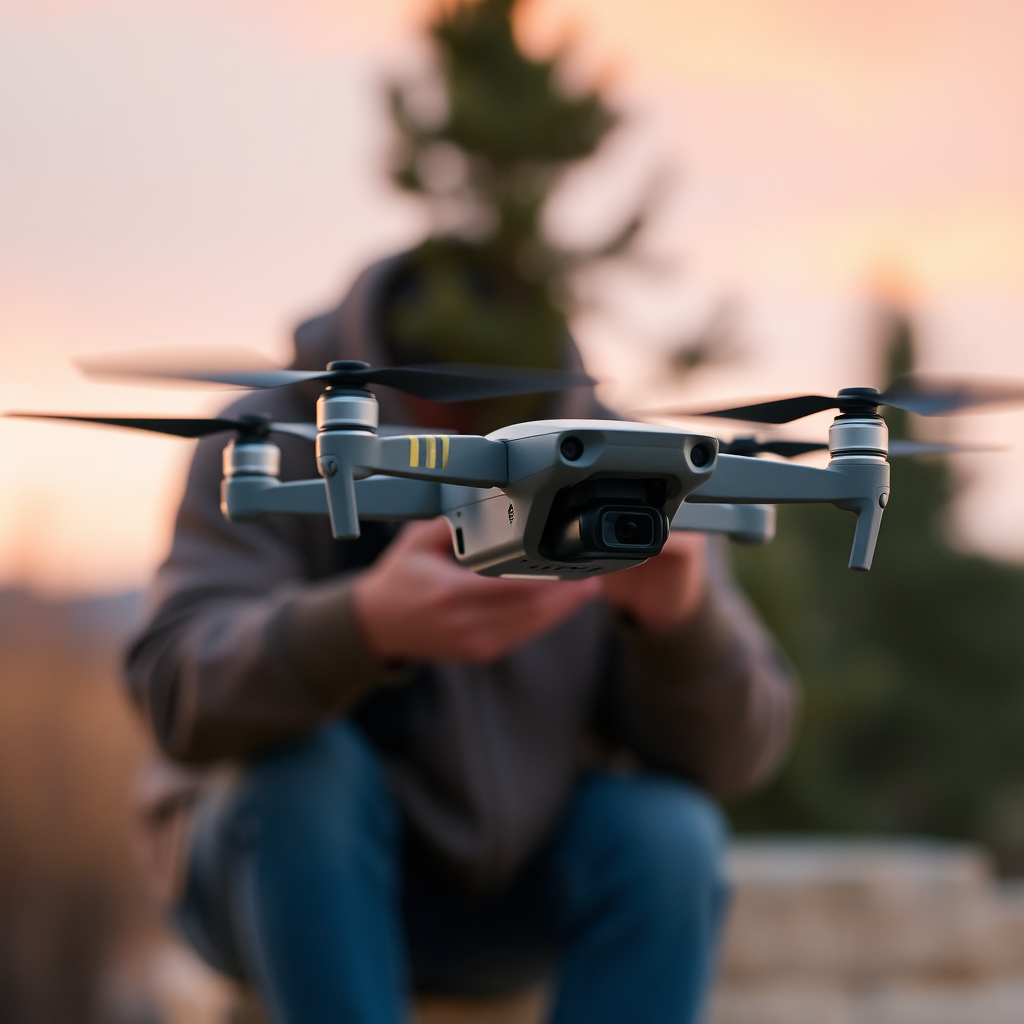
Yes, you can fly drones in California state parks, but there are strict regulations and permit requirements that must be followed. Understanding these rules is essential for a safe and compliant flying experience. The Golden State is home to diverse landscapes, making it a popular destination for drone enthusiasts. However, the natural beauty and ecological significance of state parks necessitate careful management of drone use to protect wildlife and ensure visitor safety.
Overview of Drone Regulations in California

California has specific laws governing drone use, including those that apply to state parks. The Federal Aviation Administration (FAA) regulates drone flights nationwide, and these regulations are supplemented by state laws to address local concerns. Under California law, drone operators must adhere to the FAA’s guidelines, which include not flying above 400 feet, maintaining visual line-of-sight, and avoiding restricted airspaces such as those near airports or military bases.
In state parks, additional regulations may apply. The California Department of Parks and Recreation (CDPR) has established rules specifically for drone operation within its jurisdiction. It is crucial for drone pilots to familiarize themselves with both federal and state regulations to avoid penalties. For instance, the California State Parks system has designated specific areas where drone flying is permissible and others where it is expressly prohibited. Understanding these distinctions is vital for compliant drone operation.
Permits and Permissions
Flying drones in state parks often requires a special permit from the California Department of Parks and Recreation. This permit process is in place to manage the impact of drone use on park ecosystems and ensure that all visitors can enjoy a peaceful experience. The application for a permit generally involves providing information about your intended flight, including the purpose, location, and duration of the operation.
It is essential to check for specific park rules, as some parks may have additional restrictions. For example, areas like the Anza-Borrego Desert State Park have strict regulations due to their sensitive desert ecosystems. Before planning your drone flight, visit the CDPR website or contact the park directly to confirm any necessary permits and to understand local regulations that may affect your plans.
Designated Areas for Drone Use
Some state parks have designated areas where drone flying is permitted. These areas are typically chosen to minimize disturbances to wildlife and other park visitors. For example, in parks with expansive open spaces such as the California State Parks system, certain sections may be allocated for drone operation, while others, particularly those with high visitor traffic or critical wildlife habitats, remain off-limits.
Research these areas ahead of time to avoid fines or penalties. The CDPR maintains an updated list of parks and their respective drone-use policies, which can typically be found on their official website. Additionally, engaging with local drone communities or forums can provide valuable insights into the best locations for drone flying while ensuring compliance with state regulations.
Safety Considerations
Always prioritize safety by maintaining a visual line of sight with your drone. This is not only a legal requirement but also an essential practice to avoid accidents. Drones can be unpredictable, and losing sight of your drone increases the risk of collisions with obstacles, wildlife, or even other park visitors. Operators should also be aware of their surroundings, including the presence of wildlife, to prevent disturbances that could harm animals or disrupt their natural behaviors.
Furthermore, it is advisable to check the weather conditions before flying. Strong winds or inclement weather can affect drone performance and increase the likelihood of accidents. Always ensure your drone is in good working condition and familiarize yourself with its controls before operating it in a public space.
Respecting Privacy and Public Spaces
When flying your drone, ensure you do not invade the privacy of others. This includes avoiding filming individuals without their consent and being mindful of personal spaces, such as campsites or picnic areas. Drones equipped with high-definition cameras can inadvertently capture images of individuals, leading to potential privacy violations.
Understanding the boundaries of public spaces is crucial when operating a drone. While state parks are public lands, there are still expectations regarding the respect of personal space and privacy. If you are unsure about whether a particular area is appropriate for drone use, it is best to err on the side of caution and seek guidance from park officials.
Consequences of Violating Drone Laws
Violating state park drone regulations can lead to fines and potential bans from park use. The penalties for non-compliance can vary depending on the severity of the violation, ranging from warnings to substantial fines. For instance, unauthorized drone use in restricted areas could result in fines that may exceed $1,000, emphasizing the importance of understanding and following the rules.
Repeat offenders may face more severe penalties, including legal action. In some cases, violators may even find themselves banned from returning to specific parks. It is crucial for drone pilots to take regulations seriously and prioritize compliance to ensure that they can enjoy the beauty of California’s state parks without facing repercussions.
Resources for Drone Flyers
Utilize online resources for up-to-date information on regulations and best practices. The California Department of Parks and Recreation website is an excellent starting point, offering comprehensive guidelines for drone use in state parks, including permit applications and designated flight areas. Additionally, the FAA’s website provides valuable resources related to federal drone regulations.
Joining local drone flying groups or forums can also enhance your understanding of drone operation within California state parks. Engaging with fellow enthusiasts allows for the sharing of experiences, tips, and advice. Many communities also organize meet-ups and workshops, providing opportunities to learn from seasoned pilots and improve your flying skills.
In conclusion, while flying drones in California state parks is possible, it is crucial to adhere to the regulations and guidelines laid out by the authorities. Ensuring compliance with both state and federal laws, obtaining necessary permits, and respecting the environment and fellow visitors will contribute to a safe and enjoyable flying experience. By staying informed and acting responsibly, drone enthusiasts can appreciate the stunning landscapes of California’s state parks while protecting the natural beauty that makes them special.
Frequently Asked Questions
Can I fly my drone in California state parks?
Flying drones in California state parks is generally prohibited. The California Department of Parks and Recreation has established regulations that restrict the use of unmanned aircraft systems (UAS) to protect wildlife and ensure public safety. It’s essential to check specific park regulations before your visit, as some parks may have designated areas where drone flying is allowed.
What are the penalties for flying a drone in a California state park?
If you fly a drone in a California state park without permission, you may face fines or penalties. Violations can result in citations that may range from $100 to $1,000, depending on the severity of the infraction. Additionally, park rangers have the authority to confiscate drones and suspend park access for violators, emphasizing the importance of adhering to park regulations.
How can I find out if drone flying is allowed in a specific California state park?
To determine if drone flying is allowed in a specific California state park, visit the official California State Parks website or contact the park directly. Each park may have its own set of rules regarding drone use, and the website often provides the most up-to-date information on regulations and any designated areas where drone flying might be permitted.
Why are drones restricted in California state parks?
Drones are restricted in California state parks primarily to protect natural resources and wildlife, as well as to ensure the safety and enjoyment of all park visitors. The noise and potential disturbances caused by drones can disrupt wildlife habitats and the tranquil environment that many visitors seek. Regulations aim to balance recreational drone use with conservation efforts and public safety.
What are the best alternatives for drone photography near California state parks?
If you’re looking for drone photography opportunities near California state parks, consider flying in designated drone-friendly areas or private lands where you have permission. Many local beaches, open spaces, and recreational areas allow drone use, providing stunning landscapes for aerial photography. Always check local regulations and obtain any necessary permits to ensure compliance with drone laws.
References
- https://www.parks.ca.gov/?page_id=29802
- https://www.nps.gov/articles/drone-use-in-national-parks.htm
- https://www.calparks.org/
- https://www.bbc.com/news/world-us-canada-46935009
- https://www.sfgate.com/california-news/article/california-state-parks-drone-regulations-16615809.php
- https://www.wildlife.ca.gov/News/2021-05-25/California-Drone-Regulations
- https://www.nps.gov/articles/what-you-need-to-know-about-flying-drones-in-national-parks.htm
