
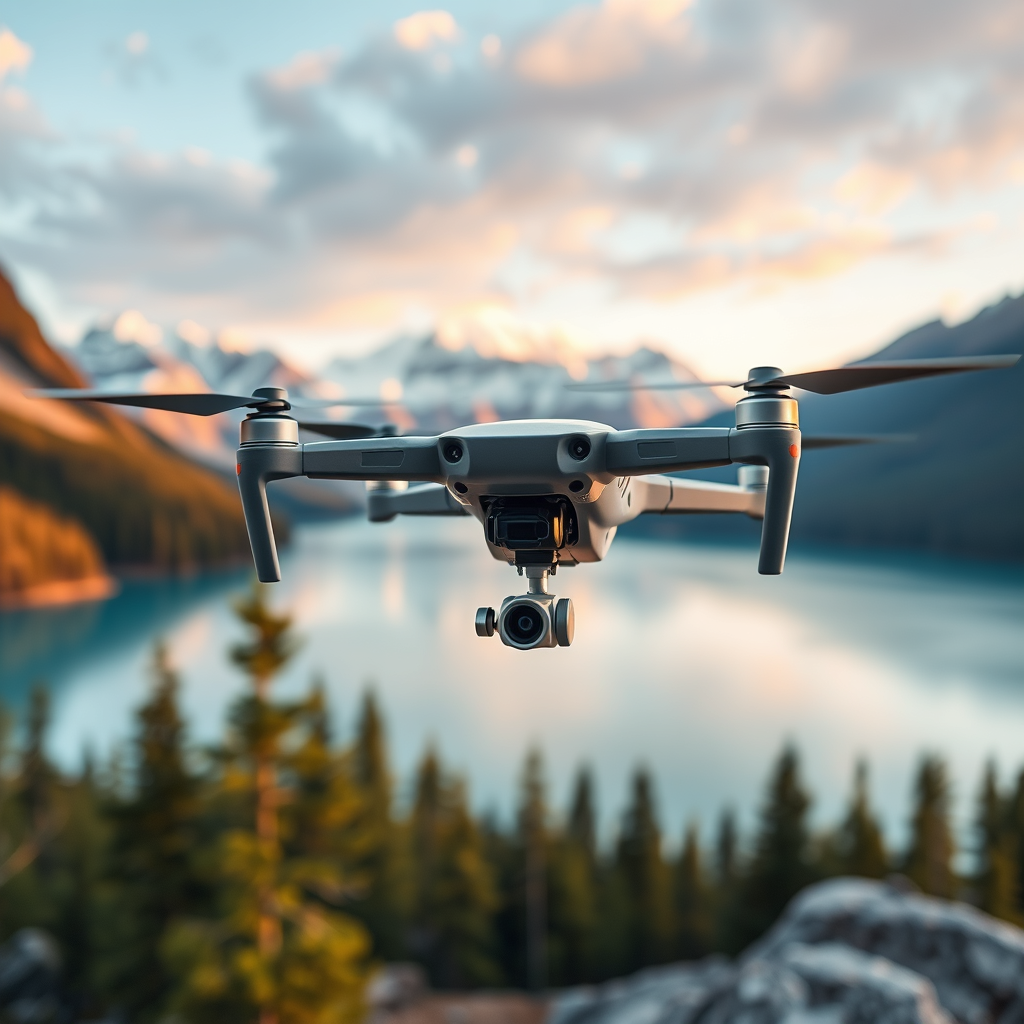
You cannot fly drones in Canada’s national parks without special permission. These regulations are in place to protect wildlife and preserve the natural beauty of these areas, which are vital to both ecological balance and the visitor experience. With the increasing popularity of drone technology, it is essential to understand the specific rules that govern their use in these protected environments. This article explores the details of drone usage in national parks across Canada, including regulations, application processes, and potential consequences for violations.
Overview of Drone Regulations in Canada

The use of drones in Canada is primarily regulated by Transport Canada under the Canadian Aviation Regulations (CARs). This framework ensures the safety and security of airspace while promoting responsible drone usage across the country. However, when it comes to national parks, these regulations are supplemented by stringent rules specific to these protected areas. Parks Canada maintains a strict prohibition on the use of drones within national parks unless express permission is granted. This is to uphold the integrity of ecosystems, protect wildlife habitats, and ensure that the natural beauty of these areas remains unspoiled.
Drones, while offering stunning aerial perspectives, can pose significant risks to the flora and fauna that thrive in these environments. Parks Canada emphasizes the importance of maintaining wildlife habitats and minimizing human impact, which is why they have established clear policies regarding drone usage. Visitors are advised to familiarize themselves with these regulations well in advance of their visits to avoid potential conflicts or penalties.
Reasons for Drone Restrictions
The restrictions on drone usage in national parks are rooted in various ecological and experiential concerns. Firstly, drones can significantly disturb wildlife, particularly during critical periods such as nesting season. Birds and other sensitive species may abandon their nests if they feel threatened by the noise and presence of drones, which can have dire consequences for their populations. This disruption extends beyond just birds; mammals and other wildlife can also be affected, leading to stress and changes in natural behaviors.
In addition to wildlife disruption, the presence of drones can detract from the experience of other park visitors. Many individuals visit national parks to immerse themselves in the tranquility and beauty of nature, seeking a peaceful retreat from urban life. The sound of a drone buzzing overhead can break this serenity, leading to frustration among other visitors. Parks Canada aims to create an environment where everyone can enjoy the natural landscapes without interference, highlighting the need for these restrictions.
How to Obtain Permission for Drone Use
For those determined to capture aerial footage within national parks, obtaining permission from Parks Canada is essential. The process typically involves submitting a detailed application that outlines the intended use of the drone, potential impacts on the environment, and how the applicant plans to mitigate those impacts.
Applicants may be required to present a comprehensive plan that demonstrates their understanding of the park’s ecological sensitivities and their commitment to preserving the natural environment. This could include information on the specific location, time of year, and duration of drone use, as well as any measures taken to minimize disturbances. The evaluation process may also consider the applicant’s experience with drone operation, ensuring that only knowledgeable individuals are granted permission to operate in sensitive areas.
It’s crucial to note that the application process can vary between different national parks, so it’s advisable to consult the specific guidelines for the park you wish to visit. Early planning and adherence to the application requirements can significantly enhance the chances of obtaining permission.
Consequences of Unauthorized Drone Flying
Operating a drone without the necessary permissions in a national park can lead to serious consequences. Parks Canada takes these violations seriously, and individuals caught flying drones without authorization may face substantial fines or even confiscation of the drone itself. The penalties can vary depending on the severity of the infraction, and repeat offenders may encounter even harsher penalties, including potential bans from all national parks.
These consequences are not merely punitive; they serve as a deterrent to protect the delicate ecosystems and ensure compliance with regulations designed to preserve natural spaces for future generations. By understanding and adhering to these rules, drone enthusiasts can contribute to the conservation efforts and maintain the integrity of Canada’s national parks.
Alternatives to Drone Flying in National Parks
For those who wish to capture stunning imagery of Canada’s breathtaking landscapes without contravening park regulations, several alternatives exist. One option is to participate in authorized drone photography workshops conducted by licensed operators. These workshops not only provide legal access to drone usage in certain areas but also offer valuable insights into photography techniques and best practices for minimizing environmental impact.
Additionally, aspiring photographers might explore other forms of photography and videography that comply with park regulations. Utilizing traditional cameras, smartphones, or even GoPro devices can yield impressive results without the need for drones. Hiking to vantage points or utilizing elevated landscapes can also provide unique perspectives without disrupting wildlife or infringing on park rules.
By embracing these alternatives, visitors can enjoy the beauty of Canada’s national parks while honoring the regulations in place to protect them.
Examples of Parks with Unique Drone Policies
While the general rule prohibits drone use in national parks, some parks may have designated areas or specific times when drone flying is permitted with prior approval. For example, parks such as Banff and Jasper may allow drone usage under controlled conditions, typically during off-peak seasons or in specific zones away from wildlife habitats and heavily-trafficked areas.
It is crucial for drone operators to check the individual guidelines of each national park, as policies can vary significantly across the country. Engaging with park authorities or visiting official park websites can provide updated information on any special allowances or restrictions regarding drone use.
In conclusion, flying drones in Canada’s national parks is generally prohibited to protect the environment and enhance the visitor experience. For those interested in capturing aerial footage, seeking permission through the appropriate channels or exploring alternative photographic methods is the best course of action. Staying informed about regulations and respecting the natural spaces we cherish is essential for preserving the beauty of Canada’s national parks for future generations.
Frequently Asked Questions
Can you fly drones in Canada’s national parks?
No, flying drones in Canada’s national parks is generally prohibited. The Parks Canada Agency has specific regulations that restrict drone use to protect wildlife, preserve natural landscapes, and ensure the safety of visitors. If you’re planning to fly a drone, it’s crucial to check the specific rules for the park you intend to visit, as violations can lead to fines and other penalties.
Why are drones restricted in national parks in Canada?
Drones are restricted in national parks in Canada primarily to protect the environment and wildlife. The noise and presence of drones can disturb animals, disrupt their habitats, and alter their natural behaviors. Additionally, drones can pose safety risks to park visitors and interfere with search and rescue operations, making these regulations essential for maintaining the integrity of the park experience.
What are the consequences of flying a drone in a Canadian national park?
Flying a drone in a Canadian national park can result in significant consequences, including hefty fines and potential legal action. Parks Canada enforces strict regulations, and drone operators caught violating these rules may face penalties ranging from warnings to fines of up to $25,000, depending on the severity of the infraction. It’s important to respect these rules to protect both the park and your own interests.
How can I find out about drone regulations specific to a Canadian national park?
To find out about drone regulations specific to a Canadian national park, visit the official Parks Canada website or contact the park directly. Each park may have unique guidelines and conditions that apply to drone use. Additionally, keeping informed through local visitor centers or park management can provide the latest updates on any changes to regulations.
Which areas in Canada allow drone flying near national parks?
While most national parks in Canada prohibit drone flying, some areas surrounding these parks may permit drone use, provided you adhere to Transport Canada’s regulations. Always ensure you are flying your drone at least 5.6 kilometers away from airports and avoid flying over people or private property without permission. Checking local bylaws and obtaining any necessary permits is also essential before operating your drone near national parks.
References
- https://www.pc.gc.ca/en/voyage-travel/experiences/drone
- https://www.canada.ca/en/services/environment/conservation/parks.html
- https://www.cbc.ca/news/canada/drone-use-national-parks-1.6532000
- https://www.nps.gov/subjects/drones/index.htm
- https://www.ontario.ca/page/drone-use-ontario-parks
- https://www.parkscanada.gc.ca/index.html
- https://www.nrcan.gc.ca/earth-sciences/geography/geo-information/drones/10036
- https://www.rcmp-grc.gc.ca/en/drone-use-and-regulations-canada
- https://www.trentonschools.org/Page/5290
