
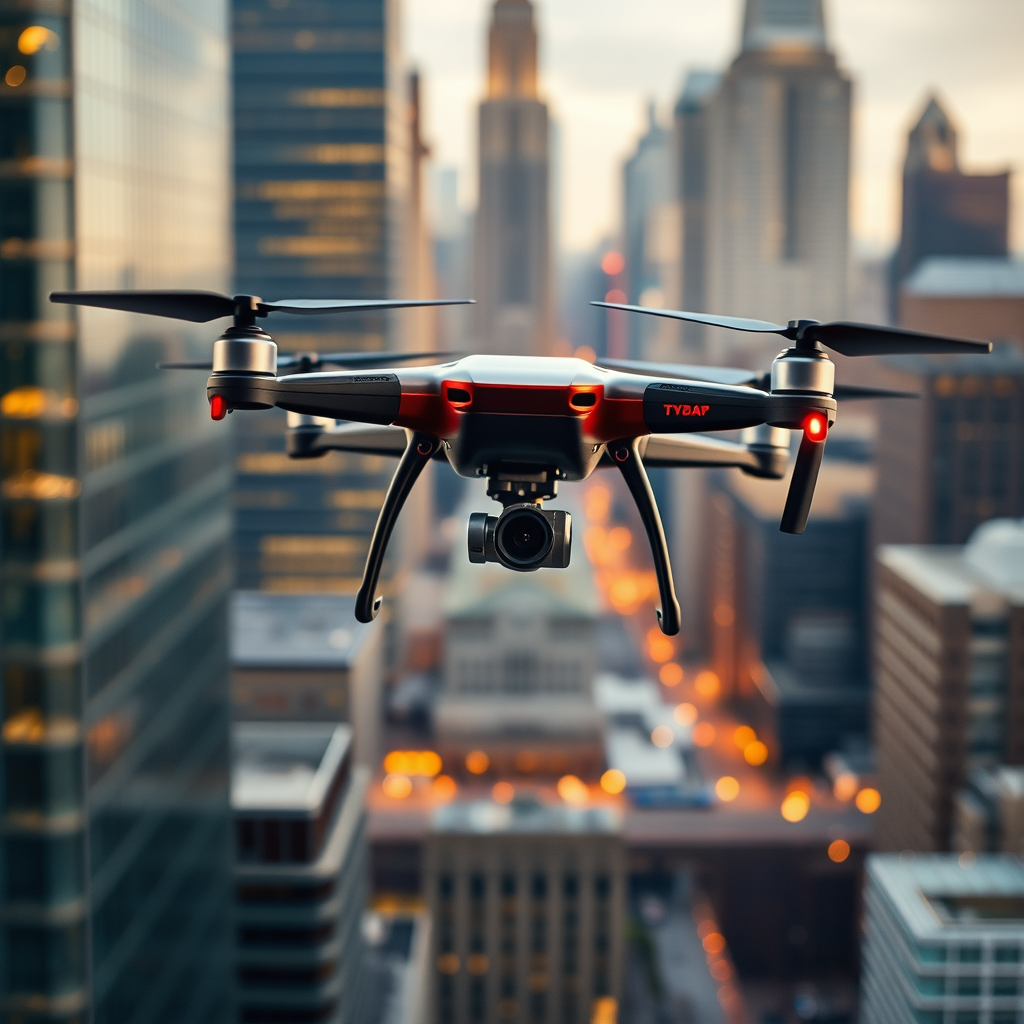
Yes, you can fly drones in Chicago, but there are specific regulations and guidelines you must follow to ensure compliance with local laws and safety standards. The Windy City offers a vibrant landscape for drone enthusiasts, but understanding the legal framework is crucial for avoiding fines and ensuring the safety of both the operator and the public. This article will guide you through the key points you need to know before flying your drone in Chicago.
Understanding Local Regulations
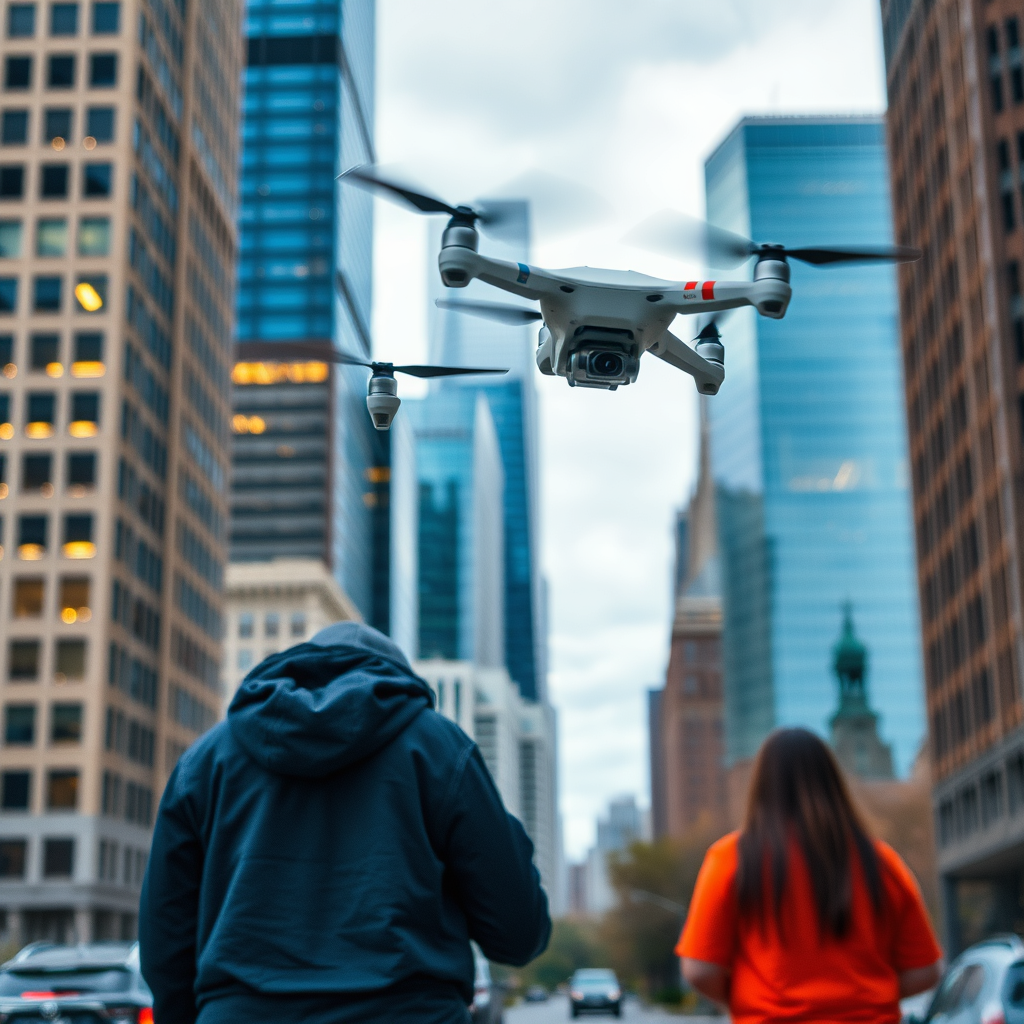
Chicago has strict laws regarding drone operations, which are designed to ensure public safety and privacy. One of the most significant considerations is the existence of designated no-fly zones, particularly around sensitive areas such as airports, government buildings, and busy urban centers. The Chicago Municipal Code outlines these restrictions, specifying areas where drone flying is prohibited or heavily regulated.
For instance, flying a drone within a five-mile radius of Chicago Midway International Airport or O’Hare International Airport is restricted, and operators must notify the FAA prior to flying in these areas. Additionally, the city has implemented laws to protect the privacy of its residents, making it essential for drone operators to familiarize themselves with these regulations to avoid potential legal issues. Resources like the official City of Chicago website and local drone advocacy groups can provide current information on these regulations.
FAA Regulations for Drone Use
In addition to local laws, all drone operators in Chicago must comply with Federal Aviation Administration (FAA) regulations. This includes registering your drone if it weighs more than 0.55 pounds (approximately 250 grams). The registration process is straightforward and can be completed online through the FAA’s website. Once registered, operators must display their registration number on their drone, ensuring accountability and traceability.
Moreover, FAA regulations mandate that drone operators follow specific operational guidelines. For instance, drones must be flown below 400 feet, during daylight hours, and within the operator’s visual line of sight. Understanding these regulations is critical not only for legal compliance but also for the safety of people, property, and other aircraft in the vicinity.
Popular Drone Flying Locations in Chicago
Chicago is home to numerous parks and open spaces that offer fantastic opportunities for drone enthusiasts. Locations such as Lincoln Park, Grant Park, and the expansive Montrose Harbor are popular among hobbyists looking to capture breathtaking aerial views of the city’s skyline and natural beauty.
However, it’s crucial to check for any restrictions or permits required at specific locations before flying. For example, while some parks may allow drone flying, they might require a special permit or have designated areas for takeoff and landing. Engaging with local drone communities or checking with the Chicago Park District can provide valuable insights into the best spots for flying your drone legally and responsibly.
Safety Guidelines for Flying Drones
Safety should always be a top priority when flying drones, especially in urban environments like Chicago. To ensure safe operations, drone operators should maintain a visual line of sight with their drones at all times. This practice helps avoid collisions with people, buildings, and other aircraft.
Additionally, it is important to avoid flying near heavily populated areas, busy roadways, and sensitive locations such as schools and hospitals. Operators should be particularly cautious around events or gatherings where large crowds are present. Furthermore, adhering to weather conditions is essential; flying during high winds, rain, or low visibility can increase the risk of accidents.
Establishing a pre-flight checklist can also enhance safety. This should include checking battery levels, ensuring all components are functioning properly, and reviewing the flight area for any potential hazards.
Insurance and Liability Considerations
As a drone operator, understanding your liability in case of accidents is vital. While insurance is not legally required, obtaining drone insurance can provide peace of mind and financial protection in the event of damages or injuries caused by your drone. Various insurance providers offer policies specifically designed for drone operators, covering aspects such as property damage and bodily injury.
Moreover, being aware of your liability as a drone operator is crucial. If your drone causes damage to property or injures someone, you may be held financially responsible. Engaging in responsible flying practices and understanding your legal obligations can help mitigate risks associated with drone operations.
Community and Resources for Drone Enthusiasts
Connecting with fellow drone enthusiasts can enhance your flying experience and provide valuable insights into best practices and local regulations. Joining local drone flying clubs or online forums allows you to share experiences, learn from others, and stay updated on the latest developments in drone technology and legislation.
Additionally, utilizing resources such as the FAA website can help you stay informed about any changes in drone regulations, safety tips, and educational materials. Participating in local events or workshops can also provide opportunities to improve your flying skills and expand your network within the drone community.
In conclusion, while flying drones in Chicago is possible, adhering to local and federal regulations is crucial for safe and responsible operation. By understanding the legal framework, prioritizing safety, and engaging with the drone community, you can enjoy a fulfilling experience while respecting the city and its residents. Always stay informed and practice good flying habits to make the most of your time in the skies above the Windy City.
Frequently Asked Questions
Can you fly drones in Chicago’s city parks?
Yes, you can fly drones in some of Chicago’s city parks, but there are specific regulations you must follow. The Chicago Park District requires drone operators to obtain a permit for recreational use, and certain areas may be restricted due to safety concerns or events. Always check the local park rules and the FAA regulations before flying your drone to ensure compliance.
What are the FAA regulations for flying drones in Chicago?
The Federal Aviation Administration (FAA) regulations for flying drones in Chicago include maintaining a maximum altitude of 400 feet, keeping your drone within visual line-of-sight, and avoiding flying near airports and populated areas. Additionally, if you’re flying for commercial purposes, you’ll need to obtain a Part 107 certification. Familiarizing yourself with these regulations is crucial to fly safely and legally in Chicago.
Where are the best places to fly drones in Chicago?
Some of the best places to fly drones in Chicago include the expansive Lincoln Park, the picturesque Montrose Harbor, and the scenic views over Lake Michigan. It’s essential to choose locations that are away from crowded areas and airports to comply with regulations. Always verify local rules and consider flying during off-peak hours to minimize disturbances to others.
How do I obtain a drone flying permit in Chicago?
To obtain a drone flying permit in Chicago, you need to submit a request to the Chicago Park District for recreational use or apply for a commercial drone operation permit if you’re flying for business. This often involves providing details about the purpose of your flight, the location, and demonstrating compliance with FAA regulations. Be sure to allow sufficient time for processing your application prior to your planned flight.
Why are there restrictions on flying drones in Chicago?
Restrictions on flying drones in Chicago are primarily in place to ensure public safety and privacy. Drones can pose risks to manned aircraft, especially in urban areas with heavy air traffic, and can intrude on the privacy of residents. By adhering to local and federal regulations, drone operators help maintain a safe environment for everyone while enjoying their flying experience.
References
- https://www.faa.gov/uas/getting_started/registration
- https://www.chicago.gov/city/en/depts/bac/provdrs/drone.html
- https://www.wisconsin.edu/uw-experts/faq-drone-use-in-chicago/
- https://www.nytimes.com/2020/07/02/us/chicago-police-drones.html
- https://www.theverge.com/2020/7/3/21309025/chicago-police-drone-faa-rules-privacy-issues
- https://www.nationalgeographic.com/science/article/what-you-need-to-know-about-flying-drones-in-the-united-states
- https://www.chicagotribune.com/news/breaking/ct-drone-flying-rules-chicago-20210129-2n3fslxgqff77m3am6m5c4x5hu-story.html
