
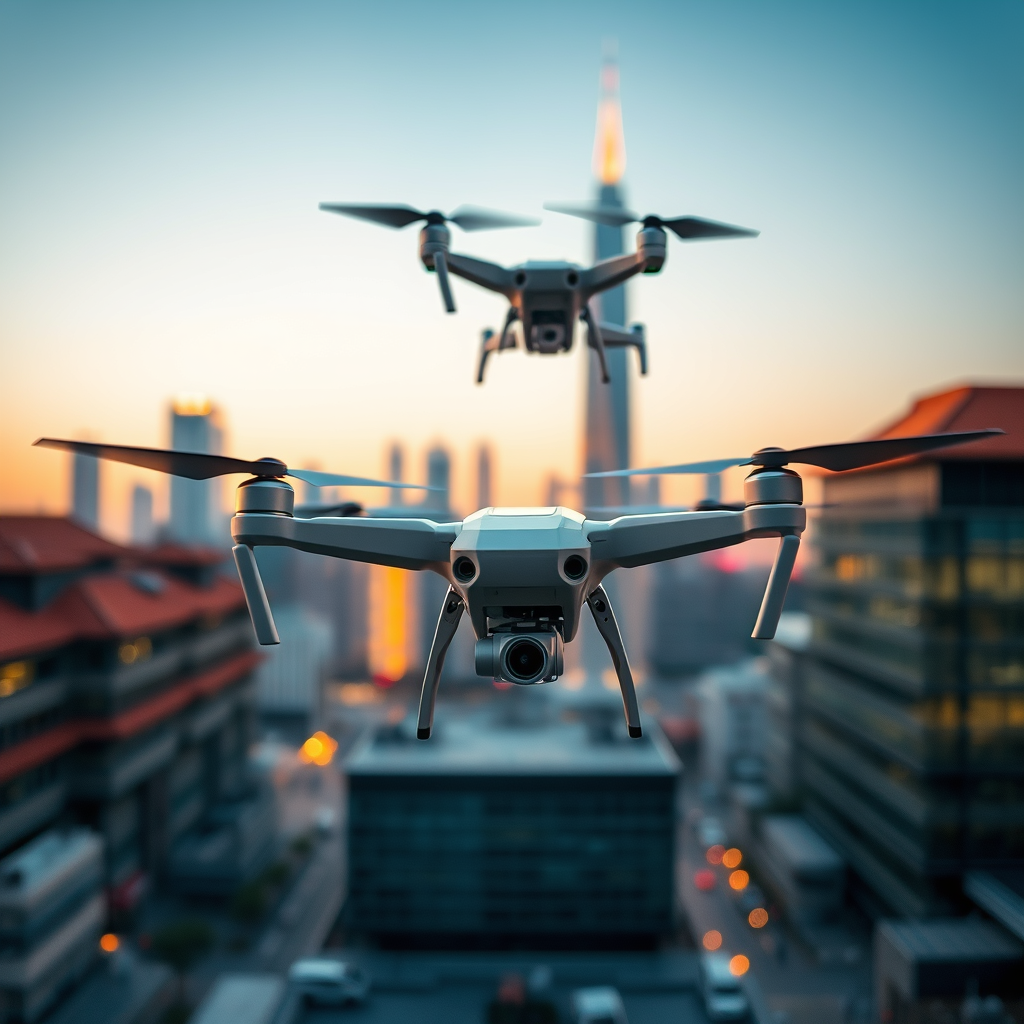
Yes, you can fly drones in China, but there are strict regulations that must be followed. Understanding these laws is crucial for both hobbyists and commercial operators to ensure compliance and avoid penalties. The rapidly evolving landscape of drone technology necessitates that operators stay updated on the legal framework governing drone flights in China, which is overseen by the Civil Aviation Administration of China (CAAC). This blog post delves into the essential regulations, documentation requirements, safety guidelines, and the future of drone legislation in China.
Overview of Chinese Drone Regulations
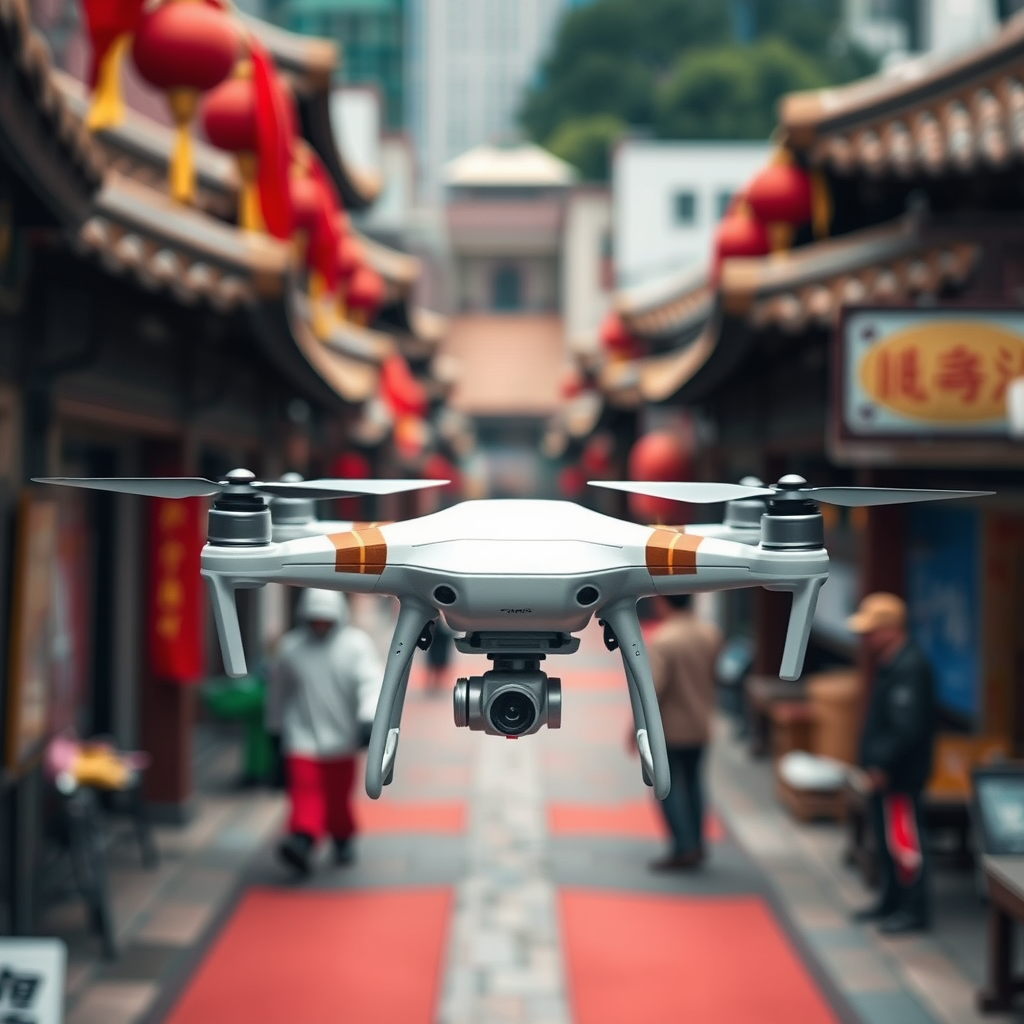
In China, the regulation of drone operations is primarily governed by the CAAC. All drones weighing over 250 grams must be registered with this authority. This registration process helps in tracking drone usage and ensuring that operators adhere to the established safety protocols. Moreover, for drones that exceed 4 kilograms, operators must obtain a Remote Pilot License. This license demonstrates that the operator has the necessary training and understanding of safe drone operation practices. The licensing process includes both theoretical and practical examinations, ensuring that only qualified individuals are permitted to operate larger drones.
It is also important to note that drone regulations in China are dynamic and can evolve quickly. Therefore, drone operators should frequently check for updates from the CAAC to remain compliant with any new requirements or changes in legislation. Additionally, local laws may impose further restrictions, emphasizing the importance of thorough research before operating a drone in any specific area.
Restricted Areas for Drone Flight
China has designated numerous restricted areas where drone flying is prohibited to ensure public safety and national security. Major metropolitan areas, including Beijing and Shanghai, feature no-fly zones that cover a significant portion of the urban landscape. These restrictions are particularly stringent during events of national importance or large public gatherings, where the risk of accidents or security threats is heightened.
Sensitive locations such as military installations, airports, and government buildings are also off-limits to drone operators. For instance, flying near Beijing Capital International Airport is strictly regulated, and any unauthorized drone activity can lead to severe penalties. Operators are encouraged to familiarize themselves with local maps that outline no-fly zones, which can typically be found on the CAAC website or through drone-specific apps. Adhering to these restrictions not only ensures compliance with the law but also promotes safe operations and protects the privacy and safety of others.
Required Documentation for Flying Drones
Before taking to the skies, drone operators must ensure they have the appropriate documentation. All operators are required to present valid identification and proof of drone registration when flying. This includes carrying registration papers that detail the drone model and its specifications. For commercial drone users, additional permits may be necessary, particularly for specialized operations such as aerial photography, surveying, or drone delivery services.
Commercial operators should also be aware that certain locations may require specific permissions beyond standard registration. For example, flying in urban areas or near sensitive sites often necessitates a comprehensive flight plan submitted to local authorities. This ensures that operations are conducted safely and in accordance with local laws. It is advisable for operators to maintain a well-organized file of all necessary documentation to avoid potential complications during inspections or inquiries.
Safety Guidelines for Drone Operation
Safety is paramount when operating drones in China. Operators are required to maintain a visual line of sight with their drones at all times during flight. This guideline is crucial for avoiding collisions with other aircraft, buildings, or obstacles that could pose risks to people on the ground.
Another essential safety guideline is adhering to altitude restrictions; generally, drone flights are capped at 120 meters (394 feet). This limitation helps to minimize interference with manned aircraft, which typically operate at higher altitudes. Furthermore, operators should conduct pre-flight checks to ensure their drones are in good working condition and free of any mechanical issues.
Weather conditions also play a critical role in safe drone operations. Operators should refrain from flying in adverse weather conditions such as heavy rain, strong winds, or fog, which can impair visibility and control. By prioritizing safety and adhering to established guidelines, drone operators can contribute to a safer airspace for all users.
Penalties for Non-Compliance
Non-compliance with drone regulations in China can result in severe penalties. Authorities may impose fines, confiscate drones, and even pursue criminal charges for significant infractions, especially when violations occur in restricted zones. For instance, unauthorized flights near airports or military installations can lead to immediate legal repercussions, reflecting the serious nature of these infractions.
In addition to financial penalties, operators may also face civil liability for any damages caused by their drones. This could include property damage or personal injury, resulting in costly lawsuits. It is crucial for operators to understand the risks associated with non-compliance and to ensure they are fully aware of the regulations governing their drone flights.
Drone Insurance and Liability
While drone insurance is not mandatory in China, obtaining a policy is highly recommended. Insurance can provide valuable coverage against potential damages or liabilities that may arise from drone operations. With the increasing number of drone-related incidents, having insurance can protect operators from significant financial burdens in the event of accidents or injuries.
Operators may be held liable for damages caused by their drones, including property damage or injury to individuals. In some cases, liability may extend to third parties, making it imperative for operators to consider the implications of their drone usage carefully. By investing in comprehensive insurance, operators can mitigate risks and ensure they are prepared for unforeseen circumstances.
Future of Drone Regulations in China
The future of drone regulations in China appears to be continuously evolving as technology advances. The CAAC is actively updating regulations to accommodate new developments in the drone industry, which includes integrating more sophisticated drones into commercial operations. As the demand for drone services, such as delivery and agricultural monitoring, grows, it is likely that regulatory frameworks will adapt accordingly.
Potential changes may include more flexible rules that allow for the safe integration of drones into urban airspace, as well as streamlined licensing processes for operators. The CAAC has shown interest in promoting innovation while ensuring safety and compliance, indicating a balanced approach to regulation. As the industry matures, staying informed about changes in drone regulations will be essential for operators to navigate the regulatory landscape effectively.
In conclusion, while flying drones in China is permissible, it is essential to understand and comply with the stringent regulations to operate legally and safely. Operators must be aware of registration requirements, restricted areas, necessary documentation, safety guidelines, and potential penalties for non-compliance. Additionally, considering drone insurance is advisable to safeguard against liabilities. As technology evolves, remaining informed about regulatory updates is crucial for enjoying a seamless and responsible drone flying experience in China.
Frequently Asked Questions
What are the regulations for flying drones in China?
In China, drone regulations are stringent and vary by region. Generally, pilots must register their drones if they weigh over 250 grams and adhere to specific guidelines, such as flying below 120 meters (400 feet). Additionally, drone operators must avoid flying near airports, military installations, and populated areas. It’s crucial to check local laws and any temporary flight restrictions before flying.
How do I obtain a drone license in China?
To fly drones commercially in China, you must obtain a license from the Civil Aviation Administration of China (CAAC). This typically involves completing a training program, passing both a theoretical and practical examination, and registering your drone. It’s important to stay informed about the latest licensing requirements, as regulations can change frequently.
Why are drone regulations strict in China?
Drone regulations in China are strict primarily for safety and security reasons. The Chinese government aims to prevent accidents that could arise from unregulated drone use, especially in crowded urban areas. Additionally, there are concerns about national security, as drones can be used for surveillance or other malicious activities. Thus, strict regulations help ensure responsible use of drones.
What are the best practices for flying drones in China?
When flying drones in China, adhere to best practices such as flying only in designated areas, maintaining a visual line of sight, and respecting no-fly zones. Always check weather conditions before flying and ensure your drone is in good working condition. Additionally, consider obtaining insurance for liability protection and familiarizing yourself with local customs and practices regarding drone usage.
Which apps or resources can help me navigate drone flying in China?
Several apps and resources can assist you in navigating drone flying in China. Notable ones include DJI’s Fly Safe, which provides real-time information on no-fly zones and airspace restrictions, and local government websites for the latest regulations. Additionally, resources like the CAAC’s official website offer guidance on licensing and compliance, ensuring you stay informed and fly legally.
References
- https://en.wikipedia.org/wiki/Drone_regulations_in_China
- https://www.reuters.com/article/us-china-drone-regulations-idUSKBN2A20YH
- https://www.theguardian.com/world/2020/jan/13/china-bans-drones-in-urban-areas
- https://www.scmp.com/tech/startups/article/3030936/china-issues-new-drone-regulations-governance-sky
- https://www.bbc.com/news/technology-50918205
- https://www.faa.gov/uas/commercial_operators/foreign/
- https://www.chinadaily.com.cn/a/201911/27/WS5de9b7f9a310cf3e3556da9f.html
