
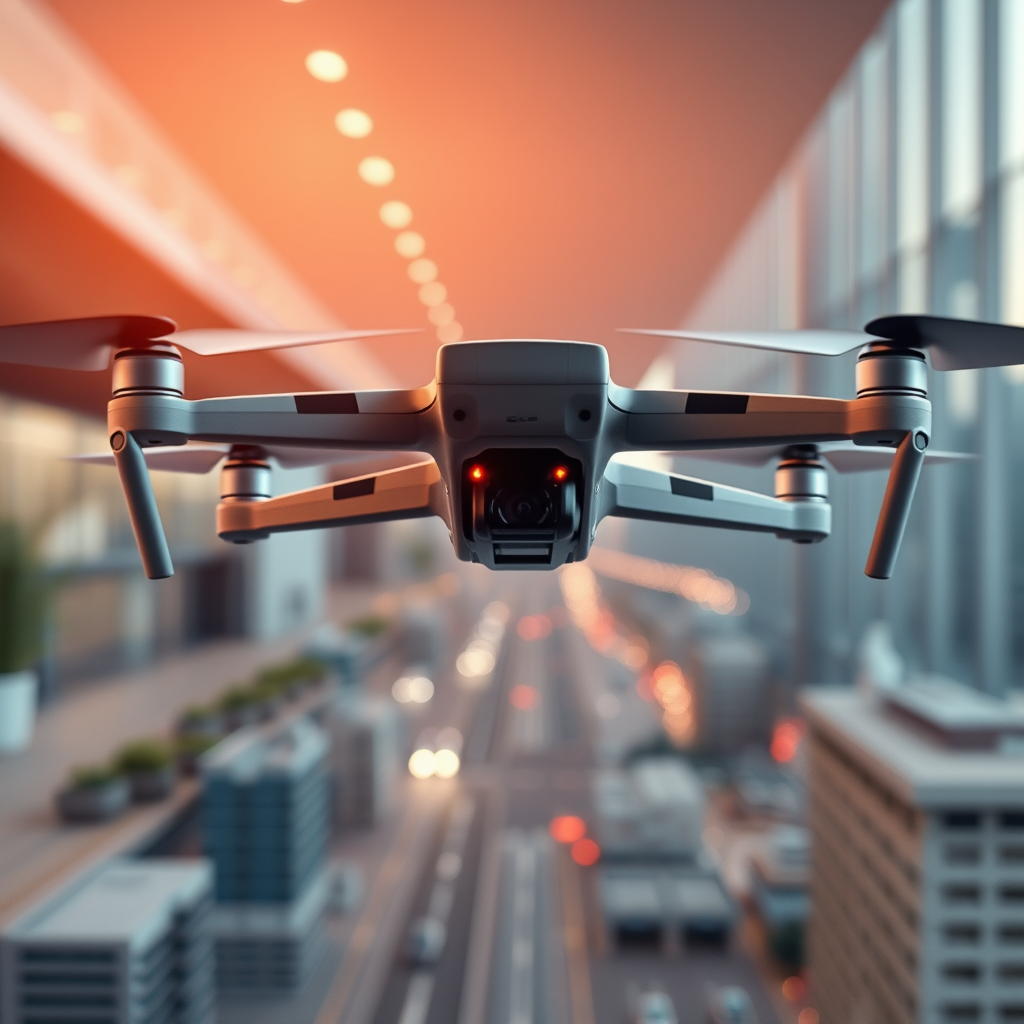
Yes, you can fly drones in cities, but there are specific regulations and restrictions you must follow. Understanding these rules is crucial to ensure safe and legal drone operation within urban areas. With the increasing popularity of drone usage for both recreational and commercial purposes, it is essential to navigate the complex web of federal, state, and local regulations that govern drone flights in urban settings. This article will provide a comprehensive overview of the key regulations and considerations to keep in mind while flying drones in cities.
Understanding FAA Regulations
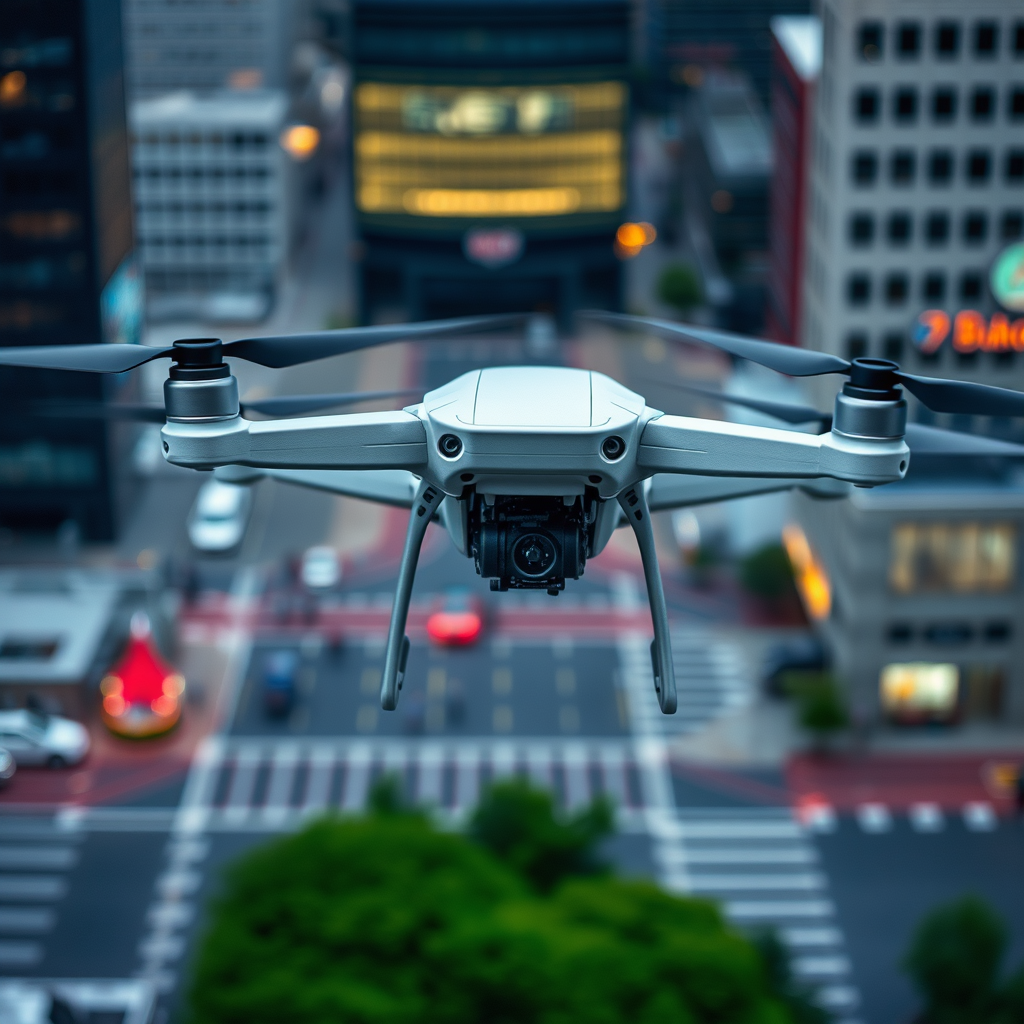
The Federal Aviation Administration (FAA) is the primary authority governing airspace in the United States, and its regulations apply universally to drone operations, including in urban areas. According to FAA guidelines, drones weighing more than 0.55 pounds must be registered, which is a straightforward process that can be completed online. Registration ensures that drone pilots are accountable for their flying activities and helps authorities track drone usage.
Additionally, commercial drone operators must adhere to Part 107 rules, which establish operational guidelines for flying drones for business purposes. Under these regulations, pilots must pass a knowledge test, obtain a Remote Pilot Certificate, and comply with various operational limitations, such as flying below 400 feet, maintaining visual line-of-sight, and not flying over people without specific waivers. Familiarity with these regulations is imperative for anyone considering using drones in urban environments, as non-compliance can lead to hefty fines and legal repercussions.
Local Laws and Ordinances
While federal regulations set a baseline for drone operation, cities often impose additional rules and ordinances that can vary significantly from one location to another. Many urban areas have designated no-fly zones where drone usage is prohibited, which can include parks, near schools, and in densely populated neighborhoods. For example, New York City has strict regulations on drone usage, making it illegal to fly in certain areas without explicit permission.
Before flying a drone in any city, it is essential to research and understand local laws. This might involve checking city websites, consulting with local authorities, or using resources like the Academy of Model Aeronautics (AMA) that provide information on local drone regulations. Ignoring these local laws can result in fines, confiscation of equipment, and even legal action.
Airspace Restrictions
Understanding airspace classifications is critical for safe drone operation in urban settings. The FAA categorizes airspace into several classifications, including controlled airspace, which requires authorization to fly, and restricted airspace, where drone flights are generally prohibited. Drone pilots must be aware of these classifications, as flying in controlled airspace without permission can lead to dangerous situations and potential penalties.
Temporary Flight Restrictions (TFRs) may also be issued due to special events, emergencies, or other situations requiring restricted airspace. For instance, during large public events or national security situations, TFRs can be put in place, limiting drone operations in those areas. To stay informed, drone operators should take advantage of apps and tools such as AirMap or the FAA’s UAS Data Delivery System, which provide real-time information on airspace status and TFRs. This proactive approach helps ensure that drone flights remain compliant with regulations and safe.
Safety Considerations
Safety is paramount when flying drones in urban environments. Pilots must maintain a safe distance from people and property to minimize the risk of accidents. The FAA recommends avoiding flying over crowds and keeping a buffer zone between the drone and any individuals or structures. Additionally, maintaining visual line-of-sight is essential for effective control of the drone, allowing the operator to respond quickly to any potential hazards.
Urban landscapes present unique challenges, such as tall buildings, power lines, and other aircraft. Pilots should familiarize themselves with the environment and plan their flight paths accordingly, avoiding low-altitude flights in congested areas. Furthermore, operators should conduct a thorough pre-flight inspection of their drone, checking for any mechanical issues or battery concerns that could compromise safety during the flight.
Privacy Concerns
The rise of drone technology has also raised significant privacy concerns among the public. Operators must be mindful of individuals’ privacy rights, avoiding flights over private property without permission. Many states have enacted laws regarding drone surveillance and recording, which can include restrictions on capturing images or videos of individuals without their consent. For instance, California has laws that make it illegal to use drones to invade someone’s privacy or to record individuals in private settings.
Drone pilots should also be aware of the ethical implications of their flights, particularly in public spaces. While flying in such areas may be legally permissible, respecting the privacy of others should always be a priority. Clear communication and obtaining consent when necessary can help mitigate privacy-related issues and foster positive relationships with the community.
Best Practices for Flying Drones in Cities
To ensure responsible and enjoyable drone flying in urban areas, operators should adopt best practices that promote safety and compliance. One effective strategy is to plan flight paths in advance, steering clear of densely populated areas and high-traffic zones. This not only mitigates the risks associated with flying over people but also enhances the flying experience by allowing for more scenic and open spaces.
Weather conditions play a crucial role in drone performance and safety. Pilots are encouraged to fly during optimal weather conditions, avoiding strong winds, rain, or low visibility, which can affect the drone’s operation. A pre-flight checklist is also highly beneficial, helping operators verify that their drone is in good working condition, batteries are charged, and all necessary equipment is accounted for.
Lastly, joining a local drone community or club can provide valuable resources and networking opportunities. Engaging with fellow drone enthusiasts not only helps pilots stay informed about the latest regulations and best practices but also fosters a sense of community and shared responsibility.
In conclusion, while flying drones in cities is possible, it requires careful attention to regulations, safety, and privacy issues. By understanding FAA regulations, local laws, airspace restrictions, and safety considerations, drone pilots can navigate urban environments responsibly. Embracing best practices and respecting the privacy of others will further enhance the positive impact of drone technology. Always stay informed and fly responsibly to enjoy the benefits of drone technology while adhering to the law.
Frequently Asked Questions
Can you fly drones in cities legally?
Yes, you can fly drones in cities, but it’s essential to comply with local regulations and laws. In most urban areas, flying drones is subject to Federal Aviation Administration (FAA) rules in the United States, which include restrictions on altitude, airspace classification, and no-fly zones. Additionally, many cities have specific ordinances that may prohibit drone use in certain areas, so it’s crucial to check both state and local regulations before flying.
What are the restrictions for flying drones in urban areas?
Urban areas often have strict restrictions for flying drones due to safety and privacy concerns. Common restrictions include flying above specific altitudes (typically 400 feet), maintaining visual line of sight, and avoiding crowded places. Additionally, drones are usually not allowed near airports, emergency response efforts, or other sensitive locations. Always consult the FAA’s B4UFLY app or local regulations to ensure compliance.
How do I find out if I can fly my drone in a specific city?
To determine if you can fly your drone in a specific city, start by checking the FAA’s guidelines for drone operation, as they provide valuable information on airspace restrictions. Next, visit your city or local government’s website for any drone-specific regulations. Additionally, apps like AirMap and B4UFLY can help you identify no-fly zones and airspace classifications, providing real-time data for safe flying.
Why are drones restricted in urban environments?
Drones are restricted in urban environments primarily due to safety, privacy, and security concerns. High-density areas pose increased risks of accidents involving people, buildings, and other aircraft. Furthermore, privacy issues arise when drones are flown near residential areas, as they can unintentionally invade personal space. These regulations are designed to protect the public and ensure responsible drone operation.
What is the best way to ensure safe drone flying in cities?
The best way to ensure safe drone flying in cities is to conduct thorough research and planning before each flight. Always check for local regulations and obtain any necessary permits. Practice responsible flying by maintaining a safe distance from people and property, and be sure to stay updated on weather conditions and airspace restrictions. Joining local drone clubs or communities can also provide valuable insights and tips for safe urban flying.
References
- https://www.faa.gov/uas/getting_started/remote_id
- https://www.faa.gov/uas/
- https://www.nytimes.com/2021/04/20/us/drone-regulations.html
- https://www.bbc.com/news/technology-57363010
- https://www.reuters.com/technology/us-drone-regulations-2021-08-31/
- https://www.nap.edu/catalog/25443/drone-operations-in-the-urban-environment
- https://www.c-span.org/video/?511694-1/drones-urban-air-mobility
- https://www.abc.net.au/news/science/2021-05-24/drones-in-cities-safety-regulations/100146118
