
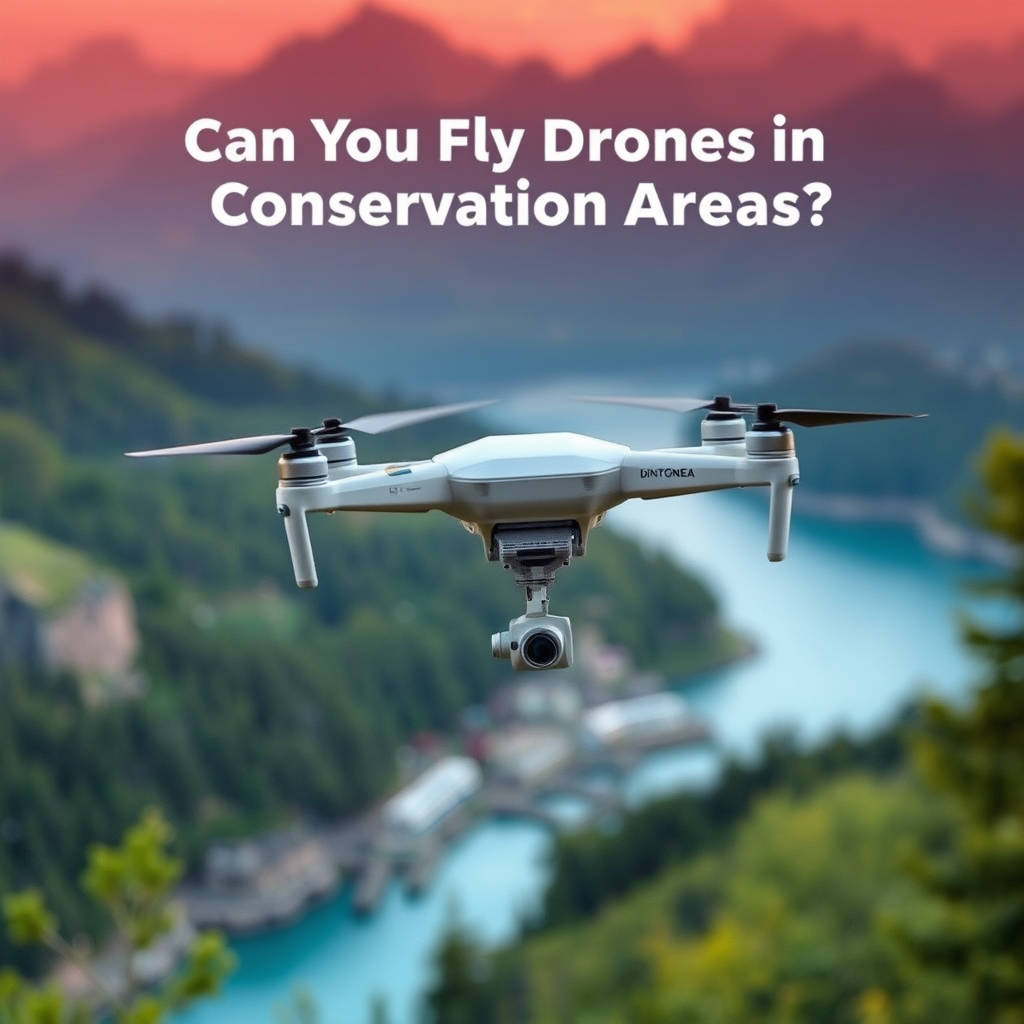
Yes, you can fly drones in some conservation areas, but there are strict regulations and guidelines you must follow. It’s essential to understand local laws, conservation goals, and the potential impact on wildlife before operating a drone in these sensitive environments. As drone technology becomes increasingly popular for recreational and research purposes, knowing how to navigate the complex interplay between drone use and conservation efforts is crucial.
Understanding Conservation Areas
Conservation areas are designated regions aimed at protecting natural resources, wildlife habitats, and cultural heritage. These areas often serve multiple purposes, including biodiversity conservation, recreation, and education. The primary goal is to preserve ecosystems and the species that inhabit them, ensuring that future generations can enjoy and benefit from these natural resources.
Preserving wildlife and natural habitats is critical, as many species are under threat from habitat destruction, climate change, and human activity. Conservation areas provide a sanctuary for these species, allowing them to thrive in a protected environment. By maintaining these areas, we help sustain the ecological balance necessary for the health of our planet. Understanding this context is vital when considering the use of drones, as their operation can potentially disrupt the very ecosystems these areas aim to protect.
Regulations Governing Drone Use
The use of drones is governed by a mix of federal and local regulations, reflecting the need to balance technological advancement with environmental protection. In the United States, the Federal Aviation Administration (FAA) sets forth regulations that apply to all drone operators, including requirements for registration, operational limits, and safety protocols.
When flying in conservation areas, additional rules often apply. Many of these areas are designated as protected lands, which may have specific restrictions on drone use. For instance, the National Park Service prohibits drone flights in national parks to minimize disturbances to wildlife and the visitor experience. Local regulations can also vary significantly; some states or municipalities may have their own rules regarding drone operation in conservation areas. Therefore, it is essential for drone operators to conduct thorough research on both federal and local regulations before planning a flight in these sensitive environments.
Potential Impacts of Drones on Wildlife
Flying drones in conservation areas can pose significant risks to wildlife. The noise generated by drones can disturb animals, causing them to flee from their natural habitats or interrupting crucial behaviors such as feeding, mating, and nesting. For instance, studies have shown that birds are particularly sensitive to disturbances, with certain species abandoning nests when exposed to drone activity.
Species such as sea turtles, which are vulnerable during nesting season, can be adversely affected by the presence of drones flying overhead. The stress induced by drone flights can lead to decreased reproductive success and increased mortality rates among young animals. As such, understanding the potential impacts of drones on wildlife is imperative for any operator considering flying in conservation areas, emphasizing the need for responsible and informed drone use.
Best Practices for Flying Drones in Conservation Areas
If you decide to fly a drone in a conservation area, adhering to best practices can help minimize your impact on the environment. Firstly, it is recommended to maintain a higher altitude—at least 400 feet above ground level—to reduce the risk of disturbing wildlife. Keeping a respectful distance from animals is also crucial; a general rule is to stay at least 1,500 feet away from nesting sites or areas where wildlife congregates.
Additional tips for minimizing disturbance include flying during off-peak hours when wildlife is less active and avoiding sensitive habitats, such as wetlands or breeding grounds. Operators should also consider using quieter drone models and limiting flight times to reduce noise pollution. By following these best practices, drone users can engage in their hobby while still respecting the delicate balance of conservation areas.
Permits and Permissions
Before flying a drone in a conservation area, it’s vital to understand the permits and permissions that may be required. In many cases, operators will need to obtain specific permits from local authorities or the managing agency of the conservation area. For instance, the U.S. Forest Service and Bureau of Land Management may have distinct requirements that must be fulfilled before drone operation.
To obtain necessary permits, it is advisable to contact the relevant local authorities well in advance of your planned flight. This process may involve submitting an application detailing your intended use of the drone, the specific areas you wish to fly in, and how you plan to mitigate any potential impacts on wildlife and the environment. Being proactive in this regard shows respect for conservation goals and enhances the likelihood of receiving approval for your drone activities.
Alternatives to Flying Drones in Conservation Areas
While drones offer unique opportunities for observation and data collection, several alternatives can achieve similar goals without the associated risks to wildlife. Traditional photography, for instance, allows enthusiasts to capture stunning images of nature while remaining grounded and minimizing disturbances.
Additionally, guided tours led by knowledgeable naturalists provide an excellent way to explore conservation areas while learning about local ecosystems and wildlife behaviors. These tours often adhere to strict guidelines that protect the environment and offer a more immersive experience. Other methods of observation, such as trail cameras or binoculars, can provide valuable insights into wildlife activity without the potential disruptions that drones may cause.
In conclusion, while flying drones in conservation areas is possible, it comes with significant responsibilities. Always check local regulations and prioritize the well-being of the environment and its inhabitants before taking to the skies. By understanding the rules, recognizing the potential impacts, and adhering to best practices, drone operators can responsibly engage with the natural world while contributing to conservation efforts.
Frequently Asked Questions
Can you fly drones in conservation areas legally?
Flying drones in conservation areas is often subject to strict regulations, which vary by region and specific area. In many places, conservation areas are designated to protect wildlife and natural resources, leading to restrictions on unmanned aerial vehicles (UAVs) to minimize disturbances. It is crucial to check local regulations and obtain any necessary permits before flying a drone in these sensitive locations.
What are the potential consequences of flying a drone in a conservation area without permission?
Flying a drone in a conservation area without permission can lead to significant consequences, including hefty fines, confiscation of the drone, and potential legal action. Additionally, unauthorized drone operations can disrupt wildlife, causing harm to sensitive ecosystems and potentially leading to stricter regulations or bans on drone usage in those areas.
Why are drones restricted in conservation areas?
Drones are often restricted in conservation areas primarily to protect wildlife and their habitats. The noise and presence of drones can disturb animals, disrupt breeding cycles, and interfere with natural behaviors. Furthermore, conservation areas aim to preserve biodiversity, and the introduction of drones can pose risks to the ecological balance that these protected areas strive to maintain.
How can I find out if a specific conservation area allows drone flying?
To determine if a specific conservation area permits drone flying, start by visiting the official website of the managing authority, such as a national park service or local conservation agency. They often provide guidelines and regulations regarding drone use. Additionally, you can contact the authority directly for the most accurate and up-to-date information.
What are the best practices for flying drones near conservation areas?
When flying drones near conservation areas, it’s essential to follow best practices to minimize impact. Always maintain a respectful distance from the boundaries of the conservation area, avoid flying during sensitive times such as nesting seasons, and adhere to all local regulations. Additionally, consider using drones equipped with quiet technology and opt for lower altitudes to reduce disturbances to wildlife.
References
- https://www.nps.gov/subjects/science/drones-in-national-parks.htm
- https://www.faa.gov/uas/
- https://www.usda.gov/media/blog/2017/08/30/using-drones-wildlife-conservation
- https://www.wildlife.org/using-drones-in-wildlife-research-and-management/
- https://www.sciencedirect.com/science/article/abs/pii/S0197397515000320
- https://www.conservation.org/blog/using-drones-to-help-conservation
- https://www.nature.com/articles/s41598-018-36862-5
- https://www.wildlife.org/wp-content/uploads/2021/01/Wildlife-Drones-Policy-Position-Statement.pdf
- https://www.wired.com/story/using-drones-in-conservation/
