
Yes, you can fly drones in Costa Rica, but there are specific regulations and requirements you must follow to do so legally and safely. As a popular destination for both tourists and locals, Costa Rica offers stunning landscapes and vibrant wildlife, making it an attractive spot for drone enthusiasts. However, understanding the legal framework and best practices for flying drones in this Central American paradise is essential to ensure a respectful and compliant experience.
Understanding Costa Rica’s Drone Regulations
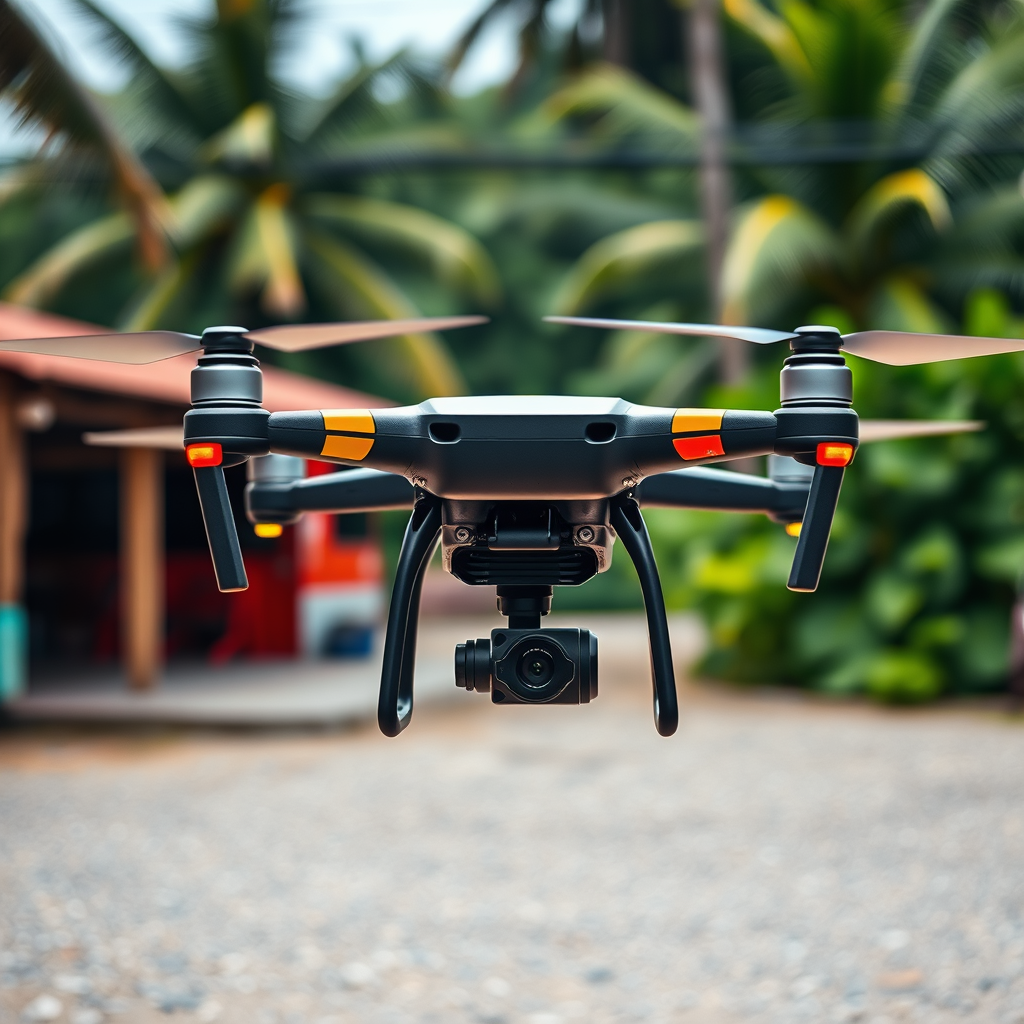
In Costa Rica, the use of drones is regulated by the Costa Rican Civil Aviation Authority (DGAC). To operate a drone legally, you must adhere to several key regulations. First and foremost, all drones must be registered with the DGAC, regardless of whether they are used for recreational or commercial purposes. This registration process involves submitting detailed information about the drone, including its make, model, and serial number.
For those intending to use drones for commercial purposes, obtaining a special permit is mandatory. This process may involve demonstrating your qualifications as a pilot, providing insurance documentation, and proving that your drone meets safety standards. It’s worth noting that the regulations are designed to enhance safety and minimize risks associated with drone usage, particularly in a country where biodiversity and conservation are paramount.
Requirements for Drone Registration
To register your drone with the DGAC, you need to provide proof of ownership, which can include a purchase receipt or invoice. Additionally, a valid identification document, such as a passport or national ID, is required to verify your identity. The registration application must be submitted to the DGAC, and it’s important to anticipate that this process may take some time—potentially several weeks—before you receive approval.
Once registered, you will receive a unique identification number for your drone, which must be displayed on the drone itself. This is crucial for compliance with local laws and for identification purposes in the event of any incidents or inquiries.
Restrictions on Where You Can Fly
Being aware of no-fly zones is critical for safe and legal drone operation in Costa Rica. Certain areas, such as regions near airports, military bases, and national parks, are off-limits for drone flying. For instance, the airspace around Juan Santamaría International Airport is tightly controlled, and unauthorized drone flights can result in severe penalties.
Moreover, it is vital to respect local privacy laws. Avoid flying over populated areas without explicit permission from residents or property owners. In addition to respecting privacy, consider the potential impact on wildlife, particularly in sensitive ecological areas where drone noise can disturb natural habitats.
Insurance and Liability Considerations
While liability insurance for drone operators in Costa Rica is not legally required, it is strongly recommended. Accidents can happen, and if your drone causes damage to property or injures someone, you could face significant financial liability. Obtaining insurance can mitigate these risks and provide peace of mind while flying.
Before taking to the skies, familiarize yourself with the specific terms of any insurance policy you consider. Look for coverage that includes damages to third parties, as well as any potential legal fees that may arise from incidents. This foresight is particularly important given the potential for high costs associated with legal actions or claims.
Best Practices for Flying Drones in Costa Rica
To ensure a safe and enjoyable flying experience, it’s essential to follow best practices when operating your drone. Start with a thorough pre-flight check to confirm that your drone is functioning correctly and that all systems are operational. This includes checking battery levels, GPS functionality, and camera equipment.
Weather conditions play a significant role in flight safety. Costa Rica is known for its unpredictable weather, especially during the rainy season. Before flying, always check the weather forecast and be prepared to postpone your flight if conditions are unfavorable. Wind, rain, and low visibility can drastically affect both the performance of your drone and your ability to control it safely.
Additionally, maintaining a line of sight with your drone is critical. This not only helps with control but also ensures that you can avoid obstacles and comply with regulations regarding flight altitude and distance from populated areas.
Resources for Drone Pilots in Costa Rica
For those seeking up-to-date information on drone regulations and local flying conditions, the DGAC website is an invaluable resource. It provides comprehensive guidelines, updates on regulatory changes, and specific contact information for assistance with the registration process.
Moreover, consider joining local drone enthusiast groups, either online or in-person. These communities can offer tips, share experiences, and provide support to both novice and experienced pilots. Engaging with fellow drone enthusiasts can also enhance your understanding of the local landscape and help you discover the best flying spots while adhering to regulations.
In addition, there are various apps and websites available that provide real-time information on airspace conditions, weather, and potential hazards, further enhancing your flying experience in Costa Rica.
In conclusion, while flying drones in Costa Rica is permissible under certain conditions, it’s vital to adhere to the regulations and practices outlined above. Understanding the registration process, being aware of no-fly zones, considering insurance options, and following best practices for safe flying will ensure that your experience is both enjoyable and compliant. As you prepare for your aerial adventures in this beautiful country, always stay informed and respectful of local laws to ensure a safe and fulfilling flying experience.
Frequently Asked Questions
Can you fly drones in Costa Rica legally?
Yes, you can fly drones in Costa Rica, but there are specific regulations you must follow. The Costa Rican Civil Aviation Authority (DGAC) regulates drone use, requiring that all recreational and commercial drone pilots register their drones, obtain permits, and comply with safety guidelines. It’s crucial to familiarize yourself with these regulations to avoid fines or confiscation of your equipment.
What are the restrictions for flying drones in Costa Rica?
In Costa Rica, there are several restrictions on flying drones. You are prohibited from flying drones in restricted airspace, near airports, over populated areas, and national parks without permission. Additionally, pilots must maintain a visual line of sight with their drone and should not fly above 120 meters (393 feet) in altitude. Always check local laws and obtain necessary permits to ensure compliance.
How do I register my drone in Costa Rica?
To register your drone in Costa Rica, you need to submit an application to the Costa Rican Civil Aviation Authority (DGAC). This process typically includes providing details about your drone, proof of ownership, and any required identification. Once registered, ensure you keep your documentation handy while flying to comply with Costa Rican drone regulations.
Why is it important to have a permit for flying drones in Costa Rica?
Obtaining a permit for flying drones in Costa Rica is crucial for legal compliance and safety. A permit ensures that drone operators are aware of the regulations and restrictions in place, which help protect wildlife, preserve privacy, and maintain air safety. Flying without a permit can result in hefty fines and legal repercussions, so it’s essential for responsible drone operation.
What are the best locations to fly drones in Costa Rica?
Some of the best locations to fly drones in Costa Rica include stunning beaches like Playa Manuel Antonio, lush rainforests in Corcovado National Park, and the breathtaking Arenal Volcano. However, always check local regulations and restrictions for each area, as some locations, particularly national parks, may require special permits or have flight limitations. Exploring less populated and scenic areas can provide fantastic opportunities for aerial photography while adhering to Costa Rican laws.
References
- https://www.dronelife.com/2021/01/15/drone-regulations-in-costa-rica-what-you-need-to-know/
- https://www.faa.gov/uas/getting_started/registration/
- https://www.gov.cr/
- https://www.wired.com/story/costa-rica-drone-regulations/
- https://www.researchgate.net/publication/328123456_Legal_and_ethical_aspects_of_drone_use_in_Costa_Rica
- https://www.bbc.com/news/world-latin-america-45179345
- https://www.aviation.gov.cr/
- https://www.itu.int/en/ITU-R/terrestrial/fmd/Pages/costa-rica.aspx
