
Yes, in many cases, you can fly drones in county parks, but regulations vary by location. It’s essential to check the specific rules of the county park you plan to visit, as some may have restrictions or require permits. Understanding these guidelines will help you enjoy your flying experience while respecting the park’s rules. This post will delve into the regulations surrounding drone usage in county parks, the necessary permits, safety considerations, privacy concerns, best practices, and resources available for drone enthusiasts.
Understanding County Park Regulations
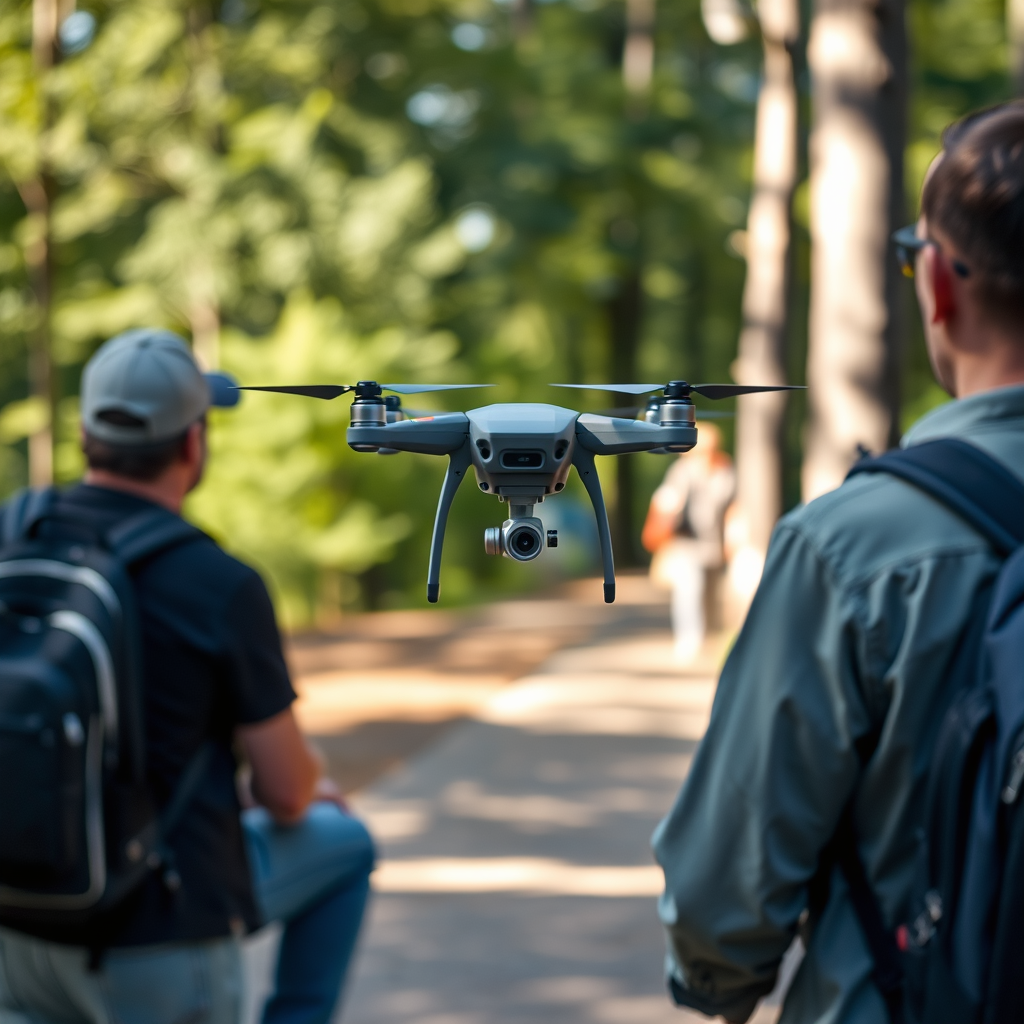
Drone regulations in county parks can differ significantly from one jurisdiction to another. Many counties have specific ordinances governing the use of drones, which may include designated flying zones, prohibition of flights near sensitive areas, or overall restrictions on drone operations. For instance, parks in densely populated areas may enforce stricter rules to minimize disturbances to the public.
Some parks, such as those operated by the National Park Service, generally prohibit drone usage entirely, as they prioritize the preservation of natural landscapes and the experience of visitors. Other parks may allow drone flying only in specified areas designed to minimize interference with wildlife and park visitors. Before heading out, it’s crucial to visit your local county park’s official website or contact the park office to access the most current regulations. This proactive approach can save you from potential fines and enhance your flying experience.
Obtaining Necessary Permits
While some county parks allow drone flying without any additional paperwork, others may require a permit that outlines the terms and conditions for drone operation. This can include completing an application that specifies your intended use, as well as paying any associated fees. For example, parks in California often have a streamlined permit process that can be completed online, while other locations might necessitate in-person applications.
In addition to county-specific permits, some drone operators may need to comply with Federal Aviation Administration (FAA) regulations, particularly if their drone weighs over 0.55 pounds. This may include obtaining a Remote Pilot Certificate or registering the drone. It’s important to familiarize yourself with both local and federal regulations before flying, ensuring that you remain compliant and responsible.
Safety Considerations for Drone Flight
Safety should be a top priority when flying drones, especially in public spaces such as county parks. One of the key safety guidelines is to maintain a safe distance from people, animals, and property. The FAA recommends keeping drones at least 25 feet away from bystanders and avoiding operations near wildlife, which can be easily disturbed by the noise and presence of drones.
Additionally, familiarize yourself with the basic safety protocols needed for flying drones. This includes pre-flight checks to ensure all equipment is functioning correctly, being aware of your surroundings, and knowing how to handle potential emergencies such as loss of signal or low battery. Using a “spotter,” another person who can help monitor the drone’s surroundings, can also enhance safety and provide an additional layer of oversight.
Respecting Privacy and Noise Concerns
When flying a drone in a county park, it’s vital to respect the privacy of park visitors and nearby residents. Many people may not be comfortable being filmed or photographed without their consent, which could lead to conflicts or complaints. To mitigate this, avoid flying your drone directly over individuals or groups and ensure that your flight path does not intrude on private properties adjacent to the park.
Noise is another factor to consider. Drones can produce considerable sound, which may detract from the natural ambiance of the park and disturb both visitors and wildlife. Opting for quieter drone models and flying during times when the park is less crowded can help minimize these concerns, fostering a more considerate relationship with fellow park-goers.
Best Practices for Flying Drones in Parks
Adhering to best practices is essential for a safe and enjoyable drone-flying experience in county parks. Start by following the FAA guidelines for recreational drone flying, which include keeping your drone within visual line-of-sight, flying below 400 feet, and avoiding restricted airspace.
Additionally, planning your flight times can significantly enhance your experience. Visiting early in the morning or later in the evening can help you avoid peak hours when parks are busiest, allowing for a more relaxed flying environment. Moreover, consider conducting a thorough reconnaissance of the area before flying to identify any potential hazards or obstacles.
Engaging with local drone communities can also provide valuable insights into best practices. Many enthusiasts share their experiences and tips online, which can help you navigate the complexities of drone flying in public spaces.
Resources for Drone Enthusiasts
Numerous resources are available for drone enthusiasts looking to enhance their flying experience in county parks. Joining local drone clubs can provide a supportive community where you can share tips, experiences, and advice. Many clubs also organize group flying events, which can be a great way to learn from more experienced pilots.
Online forums and websites dedicated to drone flying often feature discussions about drone-friendly locations, including parks that allow drone operations. Apps like “B4UFLY” offer real-time information on airspace restrictions and weather conditions, making it easier to plan your flights responsibly.
Additionally, websites like the FAA’s official site provide updated information on regulations, safety guidelines, and educational resources for drone operators of all skill levels. Utilizing these resources can greatly enhance your understanding and enjoyment of drone flying.
In conclusion, flying drones in county parks can be enjoyable and fulfilling, provided you adhere to the specific regulations and guidelines of each location. Always prioritize safety and respect for others to make the most of your drone-flying adventures. By doing your research, obtaining necessary permits, and following best practices, you can ensure a positive experience that contributes to the growing community of responsible drone enthusiasts. Check your local park’s rules today and prepare to take to the skies responsibly!
Frequently Asked Questions
Can I fly drones in county parks without permission?
Flying drones in county parks typically requires adherence to local regulations, which may include obtaining permission or a permit. Many county parks have specific rules prohibiting drone use to ensure safety and preserve wildlife. Always check the park’s official website or contact park authorities for the most accurate information regarding drone flight permissions.
What are the regulations for flying drones in county parks?
Regulations for flying drones in county parks vary by location, but they generally include restrictions on altitude, proximity to people, and areas where drones can be flown. Additionally, it is crucial to follow the Federal Aviation Administration (FAA) guidelines, which may include registering your drone and flying within visual line-of-sight. Research local and state laws, as well as specific rules set by the county park, to ensure compliance.
Why are there restrictions on flying drones in county parks?
Restrictions on flying drones in county parks are primarily in place to protect wildlife, maintain public safety, and preserve the park’s natural beauty. Drones can disturb animals, especially during nesting seasons, and pose risks to visitors if flown recklessly. Understanding these restrictions can help drone enthusiasts enjoy their hobby while respecting the environment and park regulations.
What should I do if I want to fly a drone in a county park?
If you want to fly a drone in a county park, start by researching the specific park’s regulations regarding drone usage. Contact park management to inquire about any necessary permits or guidelines you must follow. Additionally, familiarize yourself with FAA rules and local laws related to drone operation to ensure a safe and legal flying experience.
Which county parks are drone-friendly?
Not all county parks are drone-friendly, but some do allow drone flying in designated areas. To find drone-friendly parks, check local listings or websites that specifically mention drone policies. Online forums, drone community groups, and local government websites can also provide insights into parks that welcome drone enthusiasts, ensuring you have a positive flying experience.
References
- https://www.faa.gov/uas/getting_started/part_107
- https://www.nps.gov/articles/drone-use-in-national-parks.htm
- https://www.nytimes.com/2021/06/29/us/drone-laws.html
- https://www.wildlife.ca.gov/Conservation/Drone-Use
- https://www.nap.edu/catalog/24783/drones-in-fisheries-and-aquatic-sciences
- https://www.usgs.gov/centers/whsc/science/using-drones-science-and-research
- https://www.ed.gov/technology/using-drones-education
- https://www.parkplanning.nps.gov/document.cfm?parkID=100&projectID=50463&documentID=91147
