
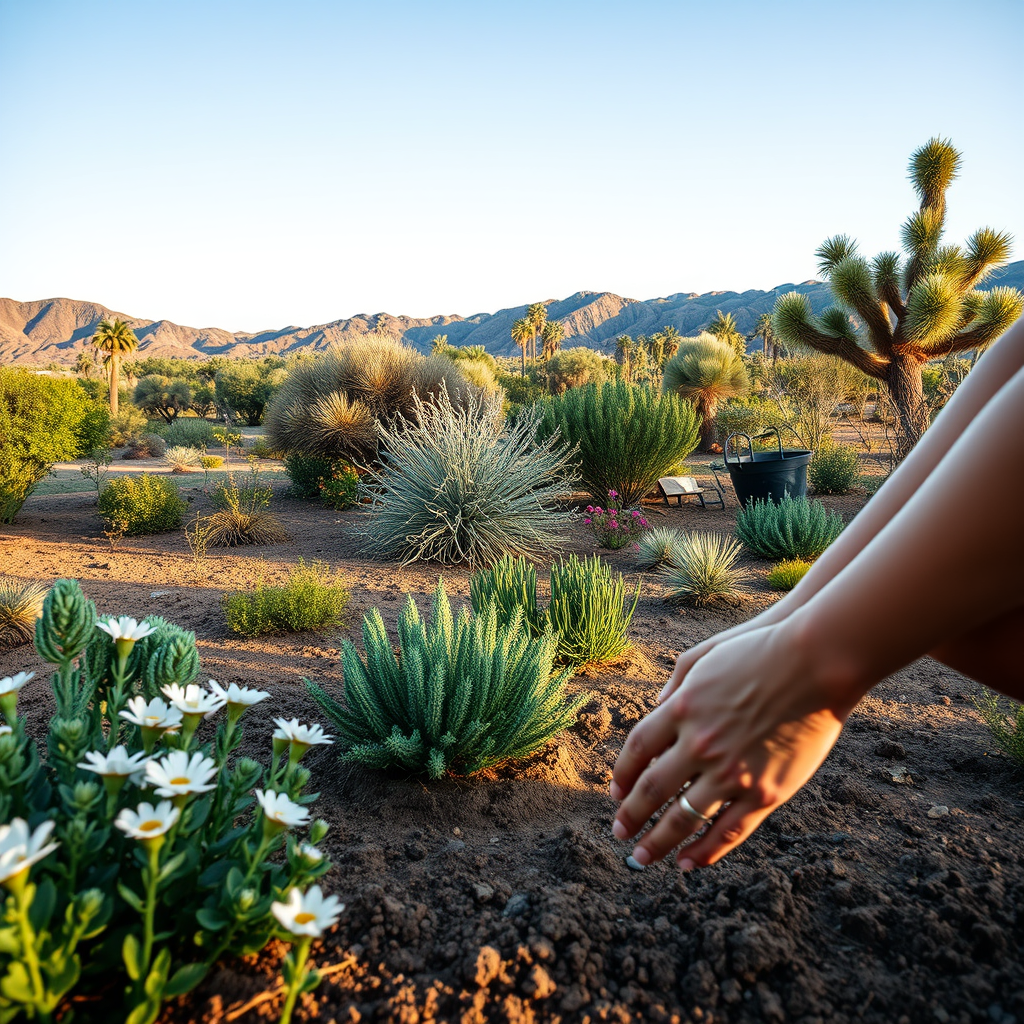
Yes, you can fly drones in Joshua Tree National Park, but there are specific regulations and guidelines you must follow to ensure safety and compliance with park rules. As a breathtaking and iconic desert landscape, Joshua Tree presents unique opportunities for aerial photography and exploration. However, enthusiasts must navigate a complex web of regulations set forth by the National Park Service (NPS) to protect the environment and maintain visitor safety. This article will provide a comprehensive overview of the legalities, best practices, and tips for flying drones in this stunning desert landscape.
Understanding Drone Regulations in Joshua Tree
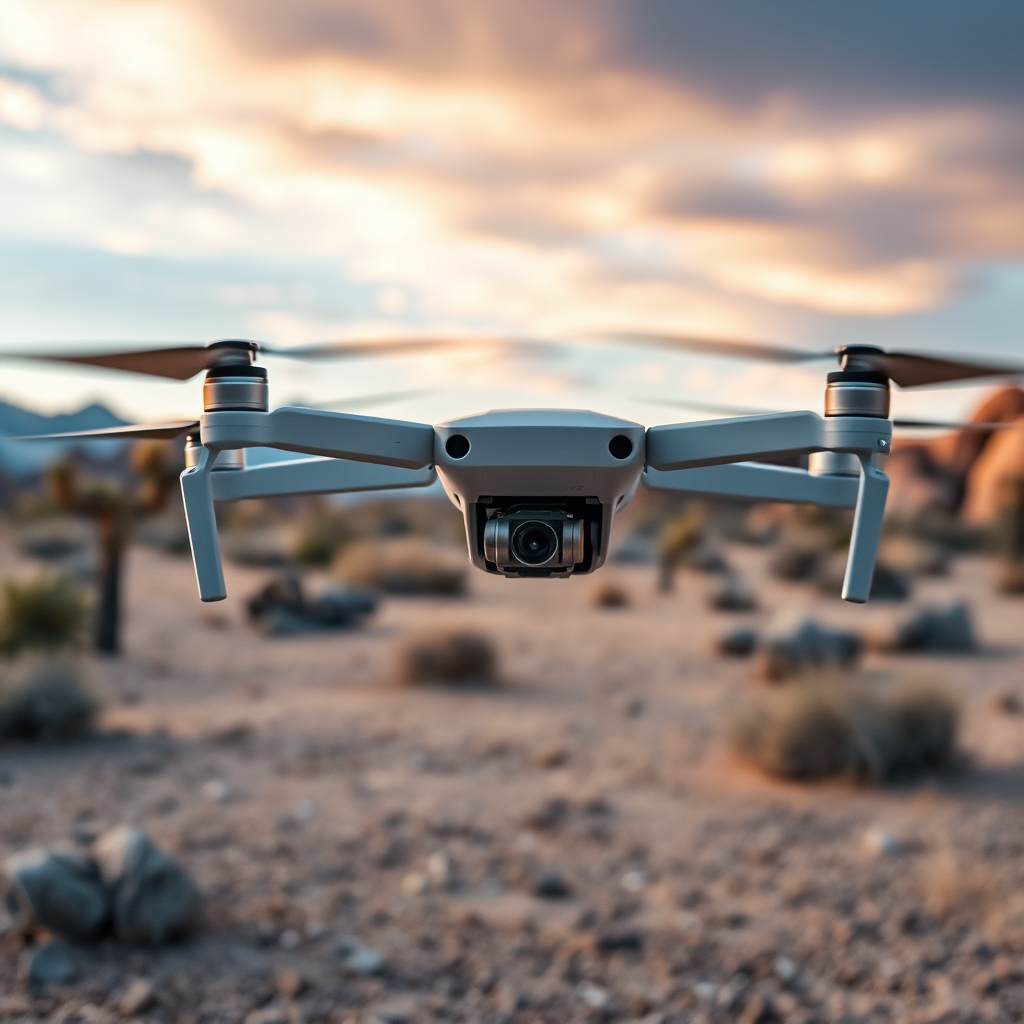
Drones are prohibited in most areas of Joshua Tree National Park, primarily to safeguard the park’s natural resources and wildlife. The NPS has implemented strict regulations to ensure that drone use does not disturb the habitat of sensitive species or intrude on the park experience of other visitors. For example, flying drones near wildlife can lead to stress and displacement of animals, which is detrimental to their survival. It’s essential to consult the latest regulations from the NPS, as they frequently update guidelines to align with environmental conservation efforts and visitor safety. Before planning your drone activity, visit the NPS website or contact park officials for the most current information.
Areas Where Drones Are Allowed
While most of Joshua Tree is off-limits for drone flying, there are certain designated zones that may permit drone usage. These areas are typically chosen based on their distance from wildlife habitats and visitor pathways to minimize disturbances. Researching these locations beforehand is crucial, as flying in unauthorized areas can lead to significant penalties. Furthermore, even in permitted zones, it is vital to respect the park’s wildlife and natural resources. For instance, maintaining a distance from animal nesting sites and ensuring that your drone does not interfere with other visitors’ enjoyment of the park is paramount. Always prioritize environmental stewardship while enjoying your aerial photography.
Required Permits for Drone Usage
Engaging in drone activities within Joshua Tree may require a special use permit from the NPS, especially for commercial photography or large group flights. The application process for these permits can take time, so it’s advisable to apply well in advance of your visit. The NPS typically requires detailed information about your intended drone activities, including the purpose, location, and duration of your flight. This ensures that they can assess the potential impact on the park and its resources. Always check the NPS website for specific requirements and forms necessary for your trip, as failing to obtain a permit when required can lead to significant fines.
Best Practices for Flying Drones
When flying drones in Joshua Tree, adhering to best practices is essential for both safety and compliance. First and foremost, maintain a safe distance from wildlife to avoid causing stress or disruption. Familiarize yourself with the park’s habitats and avoid flying in areas known for sensitive species. Furthermore, always fly below the maximum altitude limit set by the Federal Aviation Administration (FAA), which is typically around 400 feet. Keeping your drone within visual line of sight is also crucial; this not only ensures better control but also enhances safety for other park visitors and wildlife alike. Engaging in responsible flying practices helps maintain the integrity of the park and ensures an enjoyable experience for everyone.
Recommended Times for Drone Flying
Timing your drone flights can significantly enhance your experience in Joshua Tree. Early morning or late afternoon often provides optimal lighting conditions for photography, allowing for stunning shots of the park’s unique rock formations and desert flora. The golden hours of sunrise and sunset not only enhance the visual appeal of your photos but also minimize the number of visitors in the park, reducing potential conflicts with other park-goers. It is advisable to avoid peak visitor times, typically during weekends and holidays, to ensure a more peaceful flying experience. By planning your drone activities during these times, you can capture the beauty of the park while respecting the experience of other visitors.
Safety Tips for Drone Pilots
Safety should be a primary concern for all drone pilots, especially in a national park setting like Joshua Tree. Familiarize yourself with your drone’s controls and features before embarking on your flight in the park; this includes understanding battery life, camera functions, and emergency procedures. Always keep your drone within visual line of sight to ensure you can react to any unforeseen situations, such as sudden weather changes or wildlife encounters. Additionally, consider the wind conditions and avoid flying in adverse weather, which can lead to loss of control. Being prepared and knowledgeable about your equipment is key to a safe and enjoyable flying experience.
Consequences of Non-Compliance
Understanding the potential consequences of non-compliance with park regulations is crucial for anyone considering flying a drone in Joshua Tree. Violating drone regulations can result in hefty fines, confiscation of equipment, and even a ban from future visits to the park. The NPS takes violations seriously, as they can disrupt wildlife and the experience of other visitors. Therefore, it is imperative to stay informed and adhere strictly to the established guidelines. Regularly checking for updates on regulations and seeking clarification from park officials will help mitigate the risk of non-compliance.
In summary, while it is possible to fly drones in Joshua Tree, you must adhere to specific regulations and guidelines to do so responsibly. By understanding the legal landscape, obtaining necessary permits, and following best practices for safety and respect for the environment, you can enjoy the stunning vistas of Joshua Tree National Park. Always plan ahead, stay informed about the rules, and respect the natural environment to have a safe and enjoyable drone-flying experience.
Frequently Asked Questions
Can you fly drones in Joshua Tree National Park?
Yes, you can fly drones in Joshua Tree National Park, but there are strict regulations in place. The National Park Service prohibits drone use within the park boundaries to protect wildlife, preserve the natural landscape, and ensure visitor safety. If you’re planning to fly a drone, consider researching alternative locations outside the park where drone flying is permitted.
What are the rules for flying drones near Joshua Tree?
When flying drones near Joshua Tree, it is essential to adhere to both federal and state regulations. This includes following the Federal Aviation Administration (FAA) guidelines, such as maintaining a line of sight, flying below 400 feet, and not flying over crowds. Additionally, be mindful of local ordinances and private property when choosing your flying location.
Why are drones prohibited in Joshua Tree National Park?
Drones are prohibited in Joshua Tree National Park primarily to protect the park’s fragile ecosystems and wildlife. The noise and disturbance caused by drones can disrupt animal behavior and interfere with the natural experience for other visitors. Moreover, the park’s remote and rugged terrain poses safety risks for drone operators, making it important to respect the no-drone policy to preserve the park’s integrity.
Where can I fly my drone near Joshua Tree?
While drones are not allowed in Joshua Tree National Park, there are several nearby areas where drone flying is permitted. Look for open spaces such as the Mojave Desert, BLM (Bureau of Land Management) lands, or private property with the owner’s permission. Always check local regulations and airspace restrictions to ensure compliance with flying laws.
What should I consider before flying a drone near Joshua Tree?
Before flying a drone near Joshua Tree, consider factors such as local regulations, weather conditions, and potential wildlife disturbances. It’s crucial to check for airspace restrictions and ensure you are not infringing on any private property rights. Additionally, being respectful of the environment and other visitors by flying in designated areas can enhance your experience while minimizing your impact on the natural landscape.
References
- https://www.nps.gov/jotr/planyourvisit/drones.htm
- https://www.faa.gov/uas/getting_started/
- https://www.joshuatree.org/faq
- https://www.nps.gov/subjects/drones/index.htm
- https://www.theguardian.com/us-news/2021/apr/20/drone-usage-national-parks-controversy
- https://www.jstor.org/stable/10.5325/jgeoggeostudieduc.3.1.0031
