
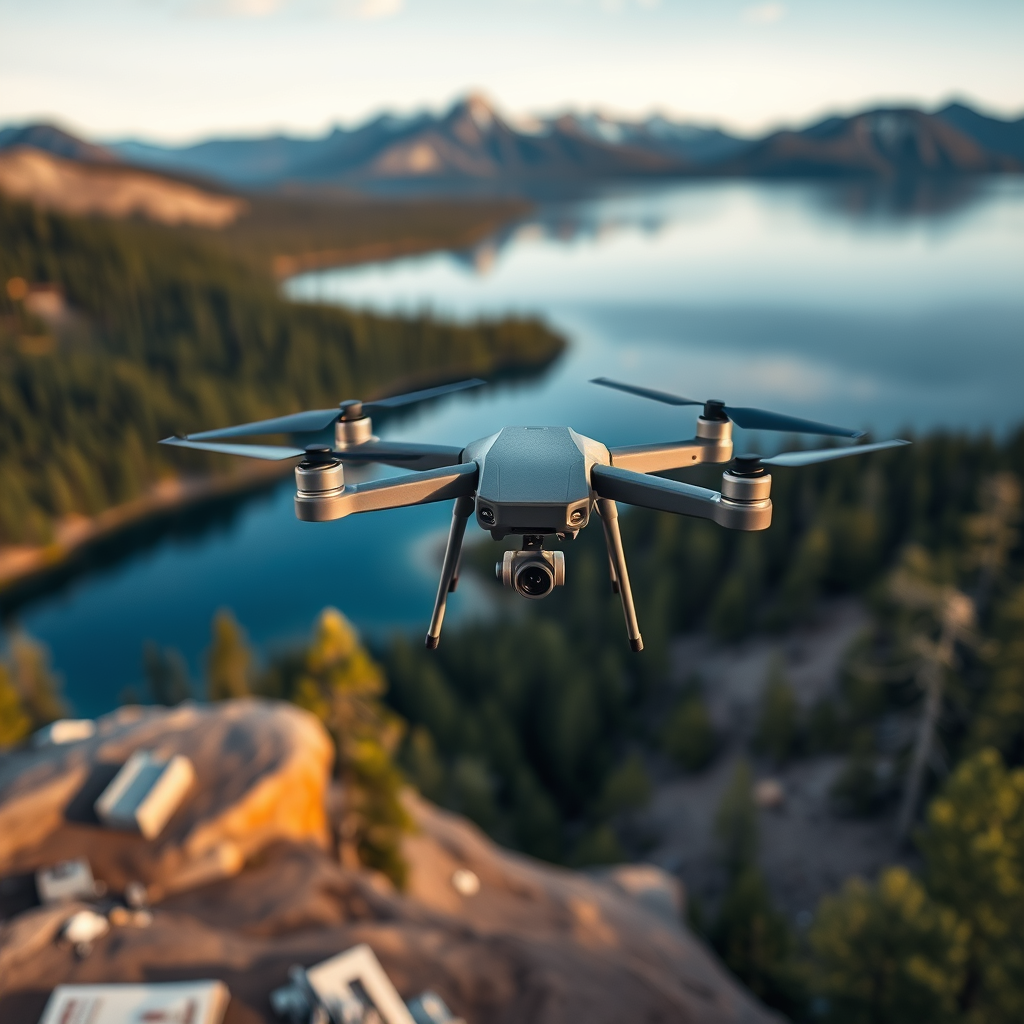
Yes, you can fly drones in Lake Tahoe, but there are specific regulations and guidelines you must follow to ensure compliance with local laws and protect the stunning environment. The breathtaking landscapes of Lake Tahoe provide an ideal backdrop for drone enthusiasts, yet it is crucial to navigate the intricacies of both federal and local regulations. This article will guide you through the essential information about flying drones in this beautiful area, from understanding the legal framework to best practices for responsible flying.
Understanding Drone Regulations
Federal regulations
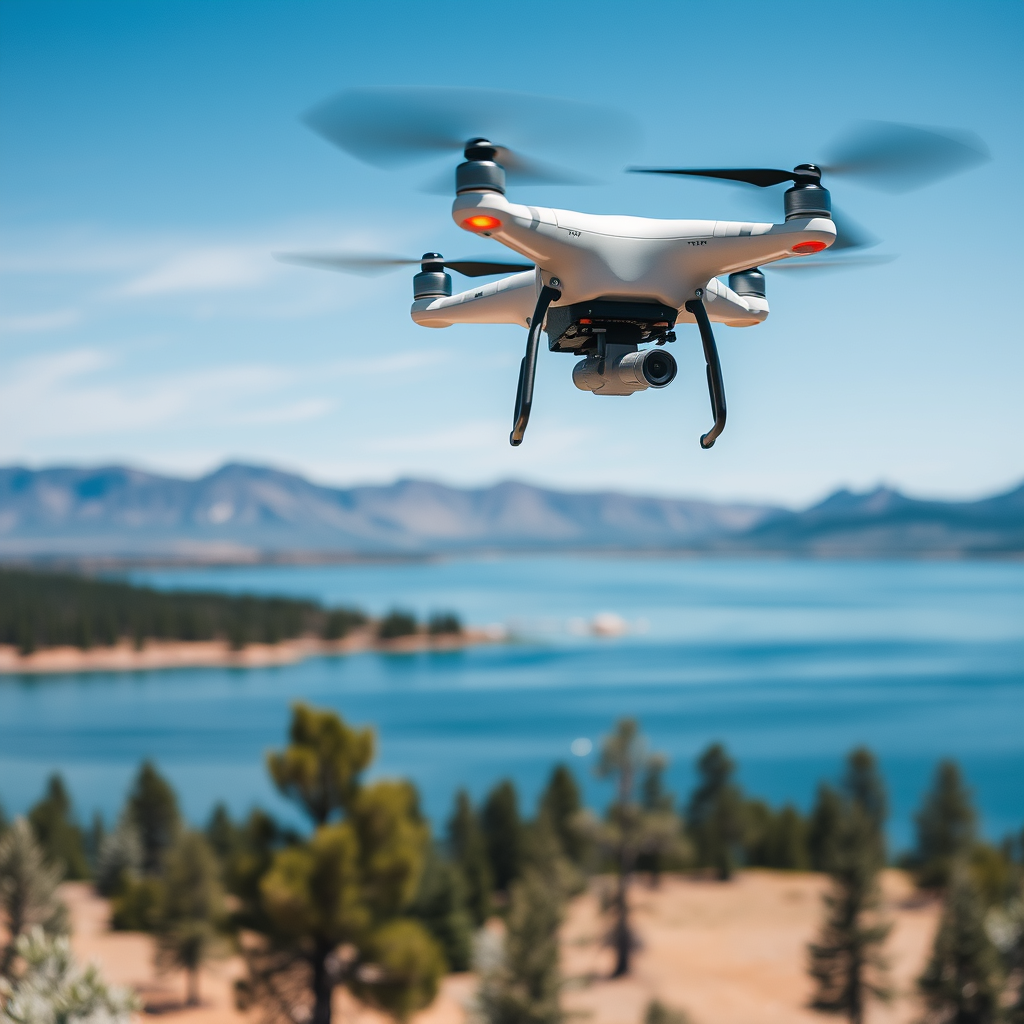
At the federal level, the Federal Aviation Administration (FAA) governs all drone operations in the United States. Under FAA guidelines, all drone operators must adhere to the following rules: drones must weigh less than 55 pounds, must be flown within the operator’s line of sight, and cannot be flown above 400 feet. Additionally, operators must register their drones if they exceed 0.55 pounds and adhere to airspace restrictions, particularly in controlled airspace near airports. It is essential for drone pilots to familiarize themselves with the FAA’s Part 107 regulations, which outline the requirements for commercial drone operations, including obtaining a remote pilot certificate.
State laws
Lake Tahoe is situated on the border of California and Nevada, meaning that drone operators must also comply with state-specific laws. In California, the state has implemented laws that prohibit drone flights over state parks and certain wilderness areas. Similarly, Nevada has regulations restricting drone use in specific zones, particularly around sensitive sites like the Lake Tahoe Basin. Operators should check both state and local regulations, as violations can lead to penalties, including fines and confiscation of the drone.
Local Restrictions and Permits
Restricted areas
In Lake Tahoe, several restricted areas exist where drone flying is strictly prohibited. For instance, drone operators must refrain from flying near airports, such as the Lake Tahoe Airport, as this poses a significant safety risk to manned aircraft. Additionally, drone flights are restricted in sensitive wildlife habitats and protected areas, such as the Lake Tahoe Nevada State Park and the Desolation Wilderness. These restrictions are in place to preserve the unique ecosystems and natural beauty of the region, ensuring that wildlife remains undisturbed and that the environment is protected.
Permits required
If you plan to operate a drone for commercial purposes in Lake Tahoe, you may need to obtain specific permits. The Tahoe Regional Planning Agency (TRPA) requires commercial drone operators to apply for a permit, which often includes demonstrating compliance with environmental regulations and safety standards. It is advisable to contact local authorities to understand the permitting process, as each jurisdiction may have its own requirements.
Best Practices for Responsible Drone Flying
Respect for nature
When flying drones in Lake Tahoe, it is imperative to minimize your impact on wildlife and the natural environment. Drones can disturb animals, particularly during nesting seasons or in sensitive habitats. To promote responsible flying, operators should maintain a safe distance from wildlife and avoid flying in areas known for high animal activity. Adhering to the “Leave No Trace” principles can significantly contribute to the preservation of Lake Tahoe’s pristine environment.
Safety guidelines
Safety should be a top priority for all drone operators. It is essential to conduct a pre-flight check of your equipment to ensure that it is in proper working condition. Additionally, operators should be mindful of their surroundings, avoiding crowded areas and private properties without permission. Flying during optimal weather conditions—clear skies and low wind speeds—can significantly reduce the risk of accidents and enhance the flying experience.
Popular Drone Flying Locations in Lake Tahoe
Scenic spots
Lake Tahoe is replete with breathtaking locations perfect for capturing stunning aerial views. Some of the most popular spots include Emerald Bay State Park, where the iconic island and surrounding cliffs create a picturesque landscape; Sand Harbor, known for its crystal-clear waters and unique rock formations; and the South Lake Tahoe area, which offers sweeping views of the lake and surrounding mountains. Each of these locations provides unique opportunities for drone photography and videography, making them ideal for capturing the essence of Lake Tahoe.
Accessibility
Many of these scenic spots are easily accessible for drone operators. For example, Sand Harbor has designated areas for launching drones, allowing enthusiasts to take off and land safely. It is crucial to check local regulations and any specific access guidelines to ensure compliance and safety when visiting these locations. Additionally, some areas may have restrictions on drone use during peak tourist seasons, so it is wise to plan your flights accordingly.
Tips for Capturing Great Footage
Camera settings
To enhance your aerial photography and videography, it is essential to understand your drone’s camera settings. For capturing high-quality images, consider using a lower ISO to reduce noise, adjusting the shutter speed based on lighting conditions, and setting the aperture for optimal depth of field. Many drones also offer various shooting modes, such as HDR or burst mode, which can further improve image quality. Familiarizing yourself with these settings can make a significant difference in the quality of your footage.
Timing and lighting
The timing of your drone flights can greatly influence the quality of your images. Early mornings and late afternoons, known as the “golden hour,” provide softer, warmer lighting that enhances the natural beauty of the landscape. Additionally, flying during these times can help avoid harsh shadows and overexposed highlights. Planning your flights around weather conditions, such as clear skies or dramatic cloud formations, can also result in visually stunning footage.
Handling Drone Maintenance and Regulations Updates
Regular checks
Maintaining your drone is crucial for ensuring optimal performance and safety. Regular checks of the battery life, propellers, and camera functionality can prevent malfunctions during flights. It is advisable to establish a maintenance schedule that includes cleaning the drone, updating software, and inspecting all components for wear and tear. Keeping your drone in peak condition not only enhances flight safety but also improves the overall flying experience.
Staying informed
Drone regulations can change over time, so it is essential for operators to stay informed about any updates or modifications. Resources such as the FAA website, local government offices, and drone enthusiast forums can provide valuable information on regulatory changes. Additionally, subscribing to newsletters or joining local drone clubs can help you stay connected with other enthusiasts and professionals who can share insights and updates.
In summary, flying drones in Lake Tahoe is permissible with the right knowledge and adherence to regulations. Understanding federal and state laws, being aware of local restrictions, and practicing responsible flying can ensure that you enjoy your aerial adventures without compromising safety or the environment. Always check for the latest guidelines and respect the stunning natural surroundings to make the most of your drone flying experience in Lake Tahoe.
Frequently Asked Questions
Can you fly drones in Lake Tahoe?
Yes, you can fly drones in Lake Tahoe, but there are specific regulations and guidelines you must follow. The area is subject to Federal Aviation Administration (FAA) rules, which require you to maintain a visual line of sight with your drone and avoid flying near airports. Additionally, certain parts of Lake Tahoe, particularly those within state parks and national forests, have restrictions on drone usage, so it’s essential to check local regulations before flying.
What are the regulations for flying drones in Lake Tahoe?
The regulations for flying drones in Lake Tahoe include adhering to FAA guidelines, which mandate that drones must be flown below 400 feet and away from populated areas. In addition, the California State Parks and the United States Forest Service may have specific prohibitions or requirements, especially in designated wilderness areas and parks. Always verify local drone laws to ensure compliance and avoid fines.
How can I find out if a specific area in Lake Tahoe allows drone flying?
To determine if a specific area in Lake Tahoe allows drone flying, you can start by checking the FAA’s website for airspace classifications. Additionally, consult the official websites of the Lake Tahoe Basin Management Unit and California State Parks for any local restrictions or permits required. Local drone flying groups and forums can also provide insights and updates from fellow enthusiasts about specific areas.
Why is it important to follow drone regulations at Lake Tahoe?
Following drone regulations at Lake Tahoe is crucial to ensure the safety of wildlife, protect the natural environment, and maintain the enjoyment of other visitors. Violating drone regulations can result in fines, confiscation of your drone, and potential safety hazards, such as accidents with other aircraft or disturbances to local wildlife. Adhering to these rules not only helps you avoid legal issues but also fosters a responsible drone-flying community.
What are the best practices for flying drones in Lake Tahoe?
The best practices for flying drones in Lake Tahoe include checking weather conditions before your flight, maintaining a safe distance from people and animals, and respecting privacy by avoiding residential areas. Additionally, it’s advisable to fly during off-peak hours to minimize disruptions to other visitors. Always carry a first aid kit and ensure your drone is in good working condition before takeoff for a safe and enjoyable flying experience.
References
- https://www.fs.usda.gov/detail/ltbmu/home/?cid=fseprd565355
- https://www.laketahoeinfo.org/faq/
- https://www.nps.gov/lake/planyourvisit/drones.htm
- https://www.tahoe.ca.gov/2021/05/06/drone-use-in-the-lake-tahoe-basin/
- https://www.trpa.gov/tahoe-basin-drones/
- https://www.wildlife.ca.gov/Regions/1/Regulations#drones
- https://www.nrdc.org/stories/drone-flying-and-wildlife-protection
- https://www.tahoedailytribune.com/news/flying-drones-over-lake-tahoe-what-you-need-to-know/
