
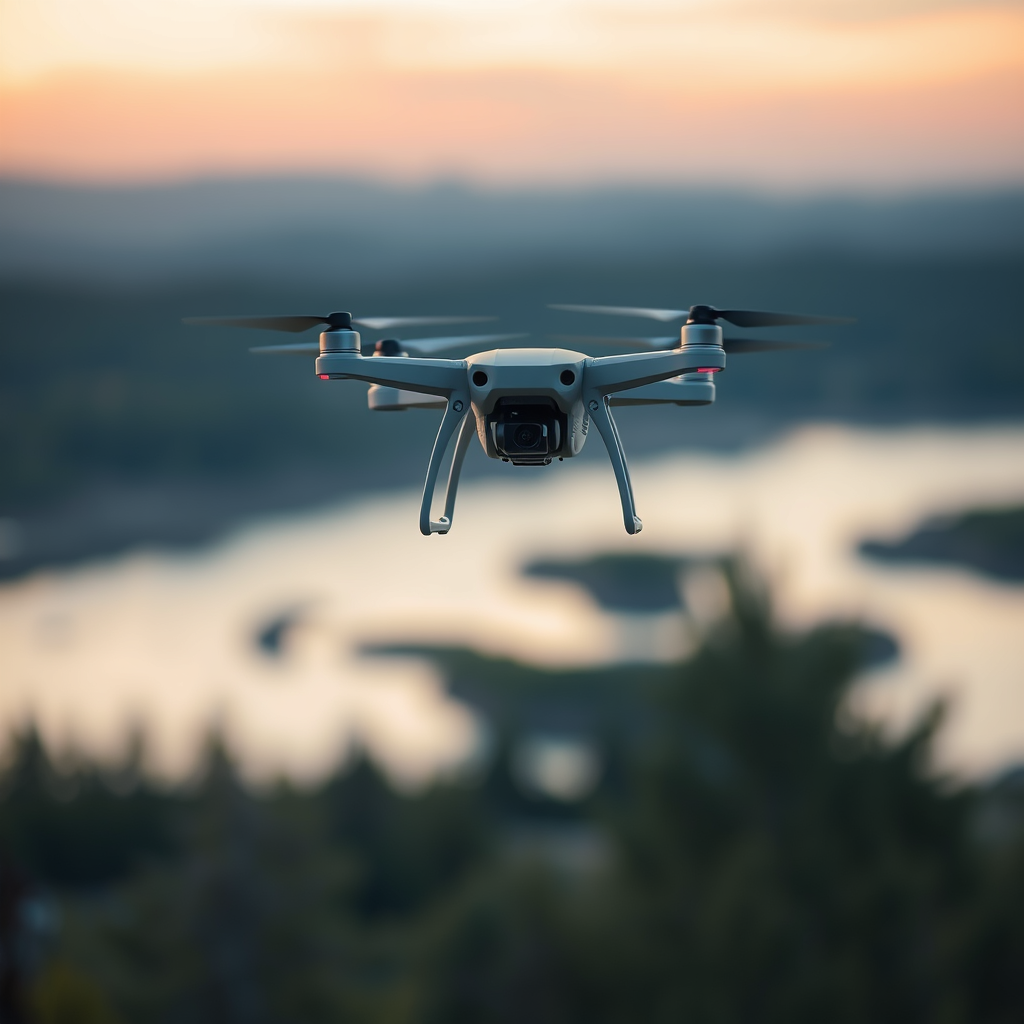
Yes, you can fly drones in some Minnesota state parks, but there are specific regulations and restrictions to consider. Understanding these rules is crucial for ensuring a safe and enjoyable experience while capturing the stunning landscapes Minnesota has to offer. Each park has its own set of guidelines that dictate where and how you can operate your drone, along with broader federal regulations that govern drone usage across the nation. Familiarizing yourself with these regulations will maximize your enjoyment and minimize potential issues.
Understanding Minnesota State Park Regulations
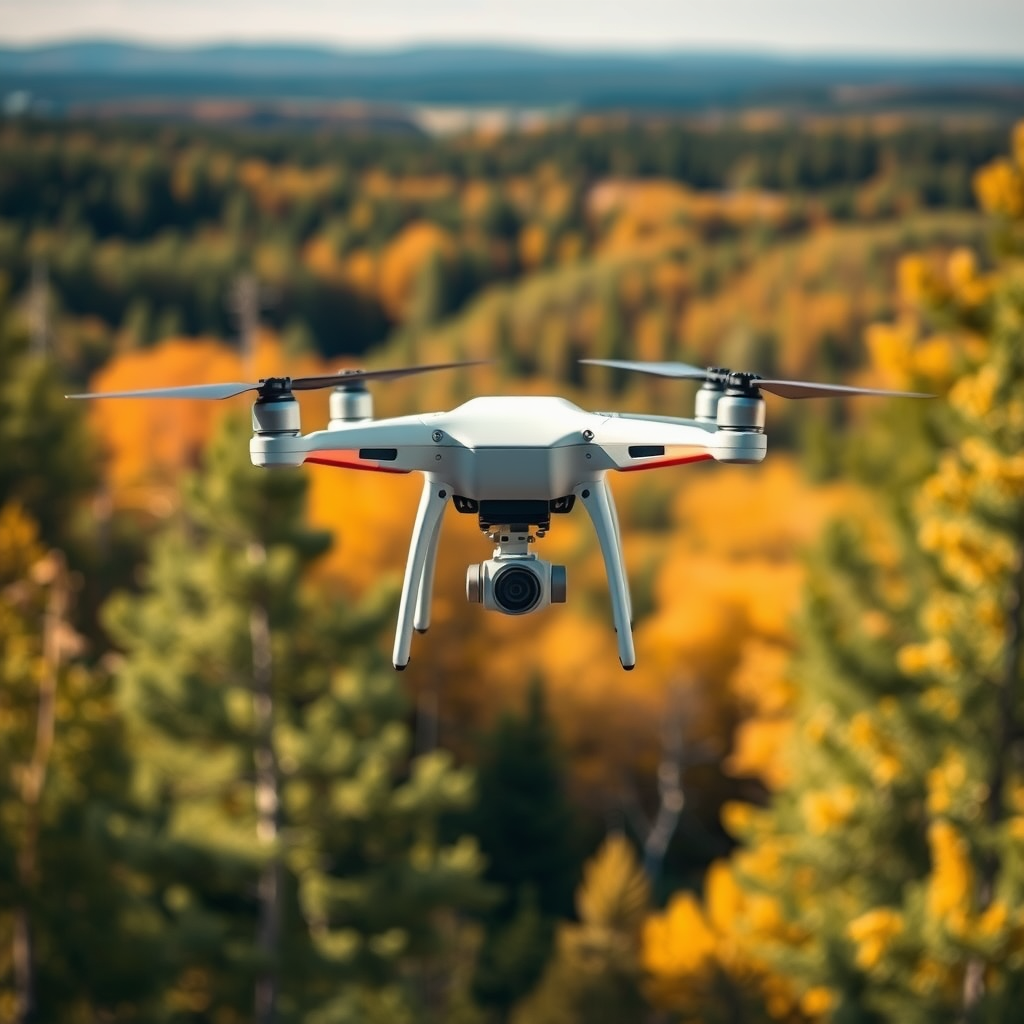
Minnesota’s state parks are cherished for their natural beauty and diverse ecosystems, which means that drone usage is subject to strict regulations to protect these environments. The Minnesota Department of Natural Resources (DNR) outlines specific guidelines regarding drone operation within state parks. Notably, some parks may completely prohibit drone flights to safeguard wildlife habitats and maintain the integrity of the natural landscape. For instance, parks like the Boundary Waters Canoe Area Wilderness have stringent restrictions due to their delicate ecosystems. Therefore, it is essential to check the specific rules of each park before planning your visit.
Moreover, even in parks where drone flying is permitted, there may be designated areas where drone activity is allowed. These areas are typically selected to minimize human impact on wildlife and other visitors. Understanding these local regulations can make a significant difference in your flying experience, ensuring that you remain compliant while enjoying breathtaking aerial views.
Federal Aviation Administration (FAA) Regulations
In addition to state-specific regulations, drone operators must adhere to the Federal Aviation Administration (FAA) guidelines. The FAA mandates that all drones weighing more than 0.55 pounds must be registered. This registration process is straightforward and can be completed online, providing a unique identifier that must be displayed on the drone. Furthermore, drone pilots must follow operational guidelines, including altitude restrictions, no-fly zones, and restrictions regarding flying over people.
A critical component of FAA regulations is the requirement for pilots to maintain a visual line of sight with their drone at all times. This ensures that operators are aware of their drone’s surroundings, which is vital for avoiding collisions with other aircraft or obstacles. Additionally, flying at night or in adverse weather conditions is generally prohibited unless the operator has obtained a specific waiver from the FAA.
Compliance with FAA regulations not only enhances safety but also fosters responsible drone use, which is essential in preserving the serene environments of Minnesota’s state parks.
Permissible Locations for Drone Flying
While some Minnesota state parks have restrictions on drone usage, others have designated areas where drone flying is permitted. For example, parks like Afton State Park and Lake Carlos State Park have specific zones that allow for drone activity, making them popular choices for enthusiasts looking to capture panoramic views of Minnesota’s picturesque landscapes. It is recommended to consult the individual park’s webpage or contact park management directly to obtain the most current information regarding drone policies and permissible zones.
Additionally, some parks may allow drone flying at certain times of the year or during specific events. It’s crucial to stay informed about these nuances to ensure compliance with the park’s guidelines. To enhance your drone flying experience, consider visiting during off-peak times when there are fewer visitors, allowing for a more tranquil environment and reducing the likelihood of disturbances.
Permit Requirements for Commercial Drone Use
If you plan to operate a drone for commercial purposes in Minnesota state parks, it is crucial to understand that special permits may be required. This includes any drone activity conducted for business, such as photography, videography, or surveying. The process for obtaining these permits typically involves a more detailed application, which may require you to demonstrate how your drone usage will not adversely affect the park’s environment or visitors.
To navigate this process effectively, it is advisable to contact park management well in advance of your planned visit. They can provide guidance on the necessary steps to obtain permits and inform you of any associated fees. In some cases, you may also need to provide proof of liability insurance or undergo a safety briefing to ensure that your drone operations align with park regulations.
Understanding and adhering to permit requirements is essential for avoiding fines or potential legal issues, allowing you to focus on capturing stunning imagery without the worry of regulatory complications.
Safety Precautions When Flying Drones
Safety should always be a top priority when flying drones, particularly in natural environments like Minnesota’s state parks. To ensure a safe flying experience, it is crucial to maintain a respectful distance from wildlife. Drones can be startling to animals, and flying too close can disrupt their natural behaviors or habitats. For instance, during nesting seasons, it is advisable to avoid areas where birds are known to nest, as drone activity can lead to abandonment of nests.
Additionally, when flying in public spaces, it is essential to maintain awareness of other park visitors. Keeping a safe distance from people not only promotes a positive experience for everyone but also minimizes the risk of accidents. Furthermore, operators should avoid flying near restricted areas, such as those designated for park events or maintenance activities.
Pre-flight checks are also an important safety precaution. Ensure your drone is in proper working order, batteries are fully charged, and firmware is updated. By taking these measures, you contribute to a safer flying environment for yourself and those around you.
Resources for Drone Operators in Minnesota
To stay informed about the latest regulations and opportunities for flying drones in Minnesota state parks, the Minnesota Department of Natural Resources (DNR) website is an invaluable resource. It provides up-to-date information on park-specific drone policies, including any changes to regulations or newly designated flying areas. Additionally, the website offers insights into conservation efforts and how drone operators can support these initiatives.
Joining local drone flying groups can also enhance your experience. These communities often share valuable information about the best locations for drone flying, tips for compliance, and safety practices. Networking with fellow enthusiasts can provide support and foster a sense of camaraderie, making your drone flying experiences more enjoyable and enriching.
Furthermore, various online forums and social media groups are dedicated to drone operation in Minnesota. Engaging with these communities can help you stay informed, share your experiences, and learn from others who are passionate about flying drones.
In conclusion, while flying drones in Minnesota state parks is allowed under certain conditions, it is crucial to familiarize yourself with the specific regulations and park guidelines. Understanding both state and federal regulations, seeking necessary permits for commercial use, and prioritizing safety will ensure a responsible and enjoyable drone flying experience. By respecting the environment and fellow visitors, you can fully embrace the beauty of Minnesota’s landscapes from a unique aerial perspective.
Frequently Asked Questions
Can you fly drones in Minnesota state parks?
Yes, you can fly drones in Minnesota state parks, but there are specific regulations you must follow. Most state parks require you to obtain a permit for drone use, and flying is generally restricted to certain areas to minimize disturbance to wildlife and other visitors. Always check the individual park’s regulations before your visit, as rules can vary by location.
What are the rules for flying drones in Minnesota state parks?
The rules for flying drones in Minnesota state parks include obtaining a permit from the Minnesota Department of Natural Resources (DNR) and adhering to the Federal Aviation Administration (FAA) regulations. Additionally, drone pilots must avoid flying over crowds, wildlife, and sensitive areas, and maintain a visual line of sight with their drone at all times. It’s important to respect any posted signage regarding drone use within the parks.
Why do some Minnesota state parks prohibit drone flying?
Some Minnesota state parks prohibit drone flying primarily to protect wildlife and the natural environment, as drones can cause stress to animals and disrupt their habitats. Additionally, limiting drone use helps ensure a peaceful experience for all park visitors who may prefer a serene natural setting without the noise and potential hazards associated with drones. Understanding these concerns can help drone operators be more responsible in their usage.
What are the best practices for flying drones in Minnesota state parks?
The best practices for flying drones in Minnesota state parks include always securing the necessary permits, respecting wildlife and park visitors by flying at appropriate altitudes and distances, and following all FAA regulations. Additionally, consider flying during off-peak hours to minimize disturbance and ensure that you are familiar with the park’s layout and any specific areas where drone use may be restricted.
Which Minnesota state parks allow drone flying?
While many Minnesota state parks allow drone flying with a permit, some parks may have specific restrictions or designated areas for drone use. Notable parks such as Itasca State Park and Gooseberry Falls State Park may permit drones, but it is crucial to verify the current rules through the Minnesota DNR website or by contacting park offices directly before planning your flight. Always prioritize safety and environmental respect when flying in these natural spaces.
References
- https://www.dnr.state.mn.us/parks/drone-use.html
- https://www.mn.gov/dnr/about-dnr/what-we-do/recreation/drone-use/
- https://www.leg.state.mn.us/laws/2017/0/15
- https://www.nps.gov/subjects/drones/index.htm
- https://www.abcnews.go.com/US/drone-regulations-state-parks/story?id=83509143
- https://www.washingtonpost.com/transportation/2021/01/19/drone-use-state-parks/
- https://www.nrc.gov/docs/ML1713/ML17139A284.pdf
