
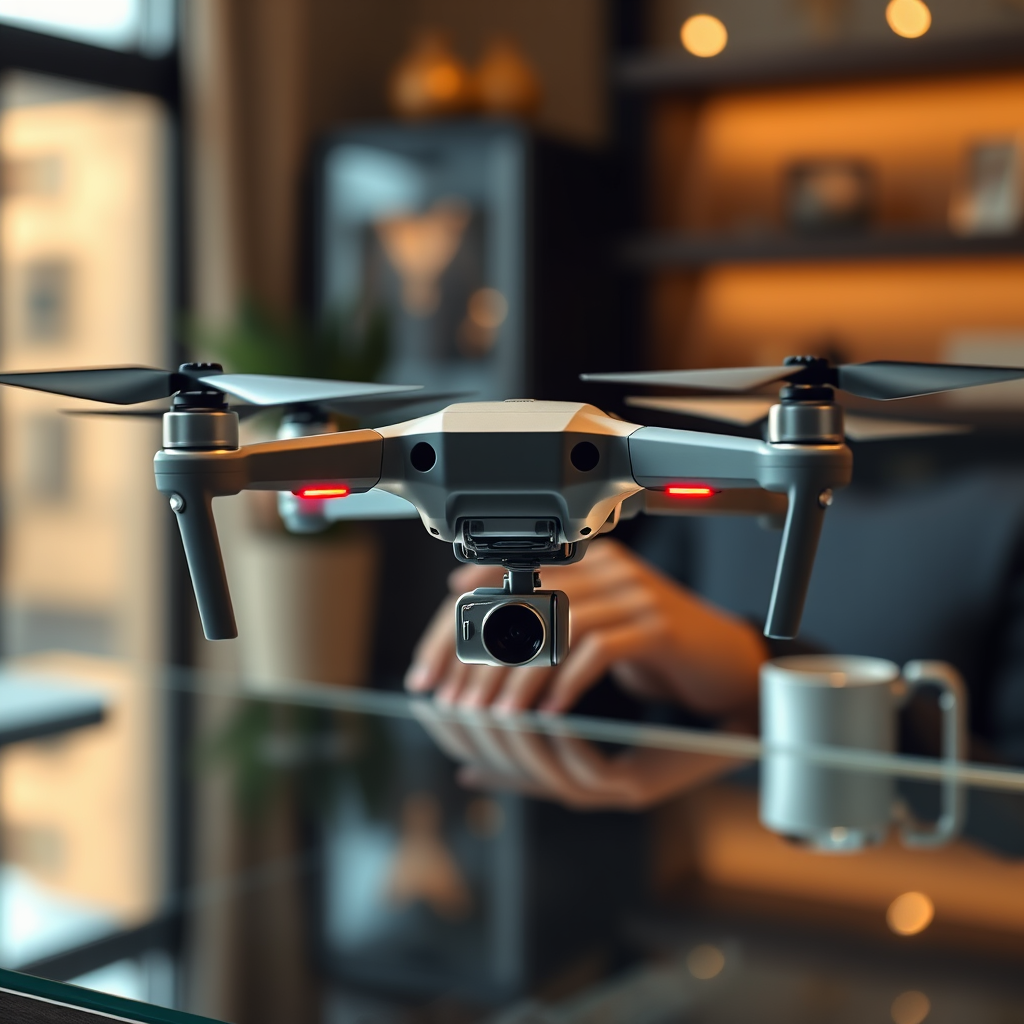
Yes, you can fly drones in neighborhoods, but there are specific regulations and guidelines that you must follow to ensure safety and compliance. Understanding these rules will help you enjoy your drone flying experience while respecting the privacy and safety of others. With the rise in drone popularity, it is essential to be informed about the legal landscape, community norms, and best practices that govern drone usage in residential areas.
Understanding Local Laws and Regulations
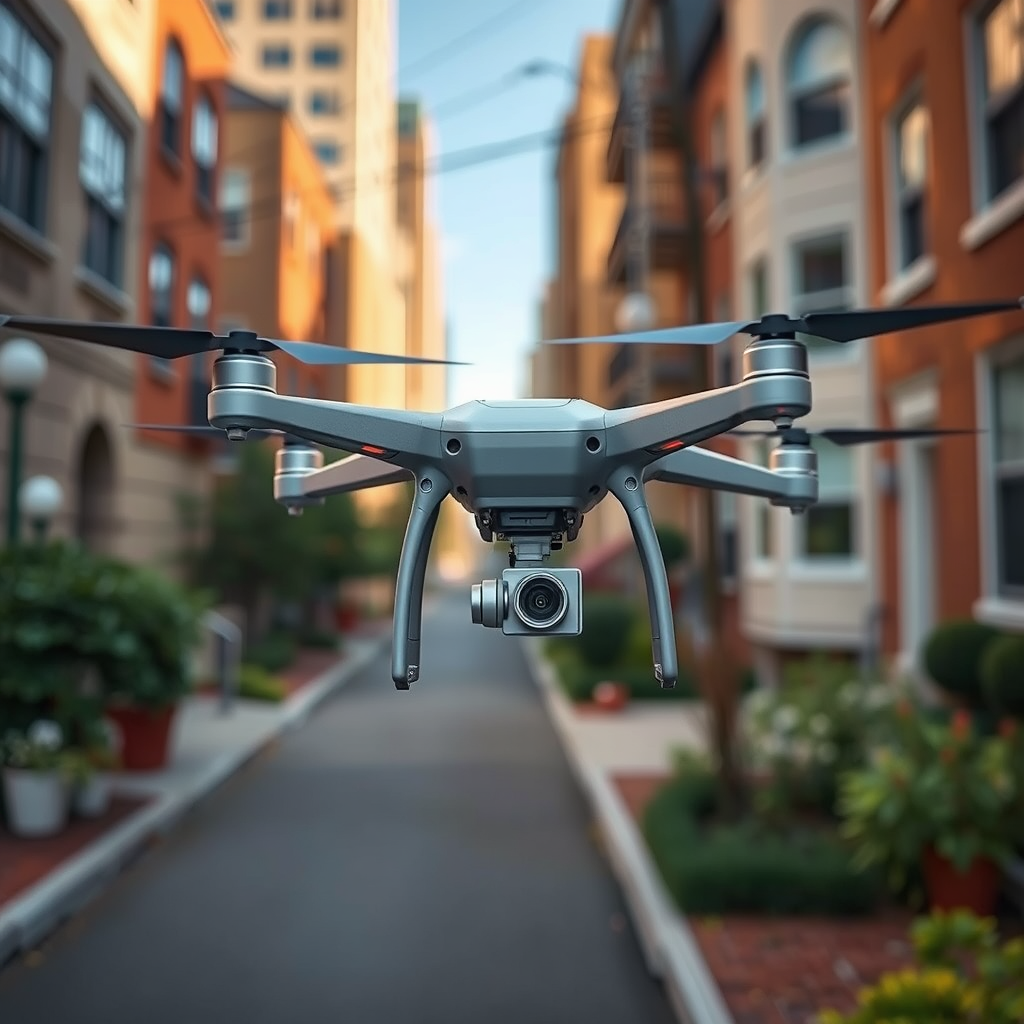
Drones must comply with Federal Aviation Administration (FAA) regulations, which are designed to ensure the safe operation of unmanned aircraft systems (UAS). According to the FAA, recreational drone pilots must register their drones if they weigh more than 0.55 pounds and adhere to specific operational guidelines, such as flying below 400 feet and staying away from airports.
In addition to federal laws, local ordinances may impose additional restrictions on drone usage in residential areas. Many municipalities have established their own regulations that could include no-fly zones, limitations on flying times, or even outright bans on drone flights in certain neighborhoods. It is crucial for drone operators to familiarize themselves with local laws to avoid legal issues. Checking with local government websites or contacting local authorities can provide clarity on what is permissible in your area.
Respecting Privacy Concerns
When flying drones in neighborhoods, it’s essential to be mindful of your neighbors’ privacy. Drones equipped with cameras can inadvertently capture images or video of private property, which may lead to privacy concerns or disputes. To foster goodwill and mitigate potential conflicts, avoid flying over private properties without explicit permission.
Moreover, consider the positioning of your drone and the direction it is facing. If your drone has a camera, ensure that it is not aimed at areas where individuals might expect privacy, such as backyards or windows. It might also be helpful to engage your neighbors in conversations about your drone activities, as transparency can alleviate concerns and foster a more harmonious community atmosphere.
Safety Considerations
Safety should always be a top priority when flying drones in residential areas. Operators must maintain a safe distance from people, pets, and property to avoid accidents. In crowded neighborhoods, this means being particularly vigilant and cautious about where you choose to fly. The FAA recommends keeping a minimum distance of at least 25 feet from people, though this is a guideline rather than a hard rule.
Additionally, keeping your drone within your line of sight at all times during flight is critical for safe operation. Most drones have a maximum range, and losing sight of the drone can lead to accidents or loss of control. Furthermore, be aware of environmental factors such as wind and weather conditions, which can affect flight stability and control. Always conduct pre-flight checks to ensure that your equipment is functioning properly and is in good condition.
Best Practices for Flying Drones in Neighborhoods
To minimize disturbance and potential conflicts while flying drones in residential areas, consider choosing appropriate times for your flights. Early mornings or weekdays may be ideal for flying when fewer people are outdoors. Conversely, avoiding flying during weekends or holidays can help you respect the downtime of others in your community.
Another best practice is to consider using drones equipped with quieter technology to reduce noise levels. Many manufacturers are now developing drones designed to operate more quietly, which can significantly enhance the flying experience for both the operator and bystanders. This consideration not only minimizes disruption but also contributes to a more positive perception of drone usage within your neighborhood.
Engaging with Neighbors
Building trust and rapport with your neighbors can significantly enhance your drone flying experience. Engaging in open communication about your drone activities can help to alleviate concerns and misconceptions. You might offer to demonstrate your drone and explain its capabilities, providing a first-hand understanding of its operation and purpose.
Taking the time to inform your neighbors about your drone flying schedule can also promote goodwill. If they are aware of when you are flying, they can plan their activities accordingly, reducing the likelihood of conflicts. Additionally, consider inviting them to participate in your drone flying sessions if they seem interested; this can foster a sense of community and shared enjoyment of the technology.
Insurance and Liability
Considering the potential risks associated with drone flying, obtaining drone insurance can be a prudent decision. Drone insurance can protect you against potential damages or accidents, covering liability in the event that your drone causes injury to a person or property. Various insurance providers offer specialized drone insurance policies, so it’s wise to shop around and find the one that best suits your needs.
Moreover, understanding your liability in case of an incident involving your drone is crucial. If your drone causes damage or injury, you could be held responsible, which may lead to significant financial repercussions. Familiarizing yourself with the legal implications of drone operation can help you take appropriate precautions and mitigate risks.
In conclusion, flying drones in neighborhoods is possible, but it requires adherence to regulations, respect for privacy, and consideration for safety. By following these guidelines and engaging with your community, you can enjoy your drone flying hobby while maintaining a positive relationship with your neighbors. Being informed and respectful can transform potential challenges into opportunities for connection and appreciation of this innovative technology.
Frequently Asked Questions
What are the legal requirements for flying drones in neighborhoods?
To fly drones in neighborhoods, you must adhere to local, state, and federal regulations. The Federal Aviation Administration (FAA) mandates that operators register their drones if they weigh more than 0.55 pounds and follow specific rules, such as maintaining a visual line of sight and avoiding flying over people. Additionally, check local ordinances, as some municipalities may have restrictions on drone use to ensure the safety and privacy of residents.
How can I respect my neighbors’ privacy while flying a drone?
Respecting your neighbors’ privacy while flying a drone is crucial for maintaining good relationships. Avoid flying over private property without permission, and be mindful of capturing images or videos that could intrude on someone’s personal space. Consider flying during reasonable hours and using your drone’s software features to limit the distance and altitude, ensuring you stay within the bounds of privacy and community standards.
Why do some neighborhoods have restrictions on drone flying?
Neighborhoods may impose restrictions on drone flying to address concerns related to safety, noise, and privacy. Drones can be disruptive, especially if they fly too low or too close to homes, leading to complaints from residents. Moreover, local authorities want to ensure that drone operations do not interfere with emergency services or violate airspace regulations, hence the implementation of specific rules and guidelines.
What are the best practices for flying drones in residential areas?
The best practices for flying drones in residential areas include flying at safe altitudes, avoiding busy times, and maintaining a respectful distance from people’s homes. Additionally, always inform neighbors of your drone activities, especially if you plan to fly frequently. Make sure to avoid flying near schools, parks, or crowded areas where people may be gathered, and always adhere to FAA regulations and local laws to ensure a safe flying environment.
Which drones are best suited for flying in neighborhoods?
When choosing a drone for flying in neighborhoods, look for models that are compact, quiet, and equipped with advanced safety features. Drones like the DJI Mini series are popular for residential areas due to their lightweight design, low noise levels, and ability to capture high-quality images without being obtrusive. Ensure that the drone you select has features like geofencing and obstacle detection to enhance safety and comply with neighborhood regulations.
References
- https://en.wikipedia.org/wiki/Drone_regulations_in_the_United_States
- https://www.faa.gov/uas/
- https://www.nolo.com/legal-encyclopedia/drone-laws-your-state-legal-restrictions-32951.html
- https://www.theguardian.com/technology/2021/jan/26/drone-delivery-uk-regulations
- https://www.reuters.com/business/aerial-drone-delivery-gets-boost-us-federal-regulators-2021-06-15/
- https://www.ncbi.nlm.nih.gov/pmc/articles/PMC6741346/
- https://www.ama-assn.org/delivering-care/public-health/drones-could-be-part-solution-transporting-vaccines
- https://www.techrepublic.com/article/how-to-follow-drone-regulations-in-your-area/
