
Yes, you can fly drones in many regional parks, but regulations vary widely depending on the park’s specific rules and local laws. Each park has unique guidelines that may impose restrictions on where, when, and how you can operate your drone. To ensure a safe and enjoyable flying experience, it is essential to check the regulations set forth by park authorities and adhere strictly to them.
Understanding Regional Park Regulations
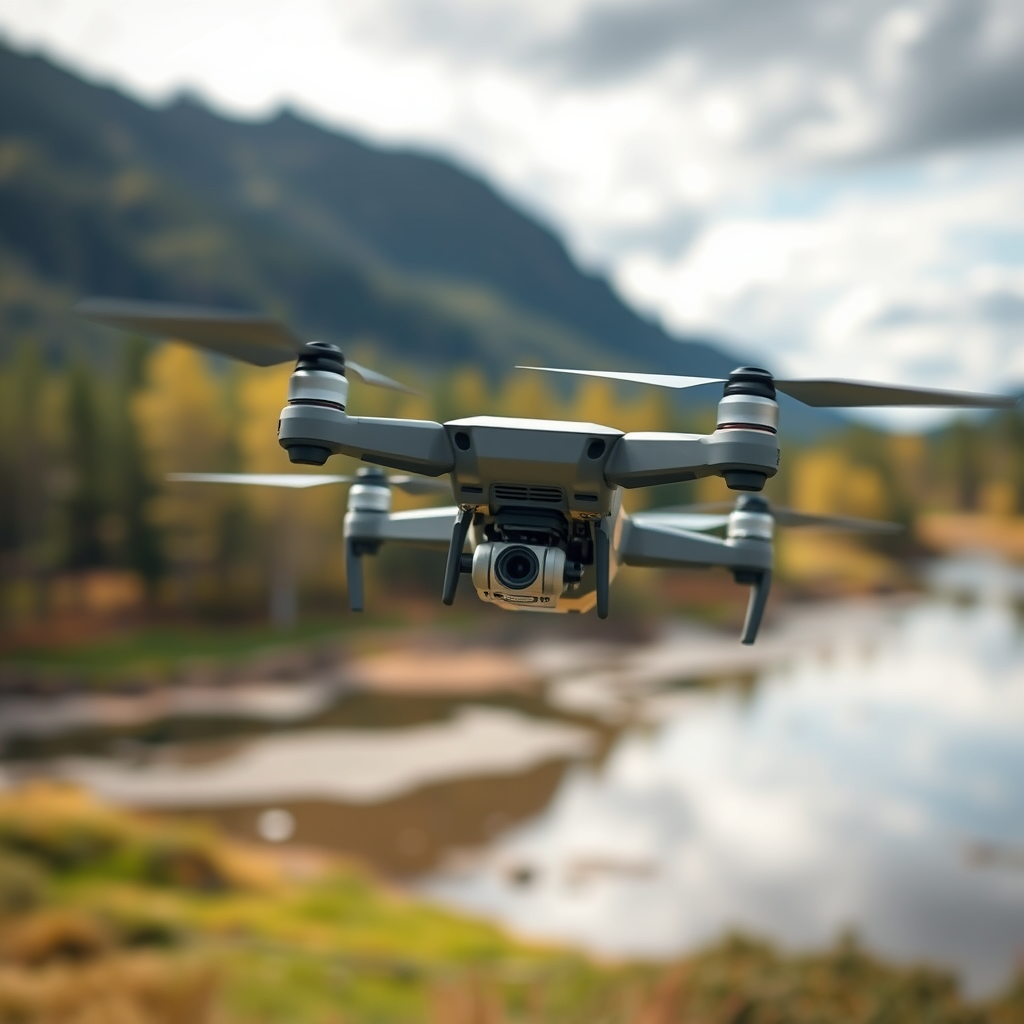
Regional parks often serve as a blend of natural habitats, recreational spaces, and cultural sites, making them sensitive areas when it comes to drone usage. Each regional park has its own set of rules governing drone usage, designed to protect wildlife, ensure visitor safety, and preserve the tranquility of the environment. For instance, some parks may have designated flying areas, allowing drone enthusiasts to operate in specific zones while prohibiting flights in others.
Altitude limits are another common regulation; many parks restrict drone flights to a certain height to minimize disturbances to wildlife and other visitors. Additionally, time restrictions may apply, such as prohibiting drone use during peak hours when parks are most crowded. It’s imperative for drone pilots to familiarize themselves with these regulations to avoid any potential infractions and to promote harmonious coexistence with nature and fellow park-goers.
Federal Drone Laws
At the national level, the Federal Aviation Administration (FAA) regulates airspace and drone operations across the United States, establishing a framework that all drone pilots must follow. This includes adhering to guidelines regarding drone registration, operational rules, and safety measures. For instance, the FAA mandates that drones weighing more than 0.55 pounds must be registered, which is a crucial step for any operator planning to fly in regional parks.
In addition to registration, drone pilots must comply with operational rules such as maintaining a maximum altitude of 400 feet and avoiding flight in restricted airspaces, like near airports or military bases. The FAA also emphasizes the importance of flying within the pilot’s visual line of sight. These federal regulations work in conjunction with local park rules, creating a comprehensive set of guidelines that ensure the safe and responsible use of drones.
Local Park Policies
While federal laws provide a baseline for drone operations, local park policies can greatly affect whether drone usage is permissible. Some regional parks may prohibit drone use entirely due to concerns over wildlife disturbance, privacy issues, or safety hazards. In these cases, park authorities may require pilots to obtain special permits or licenses to operate their drones within park boundaries.
It’s vital to contact the park management or visit their official website for the latest information regarding drone policies before planning your visit. Many parks provide clear and accessible guidelines detailing whether drones are allowed, any required permits, and specific rules that must be followed. This proactive approach not only aids in compliance but also enhances the overall experience for all park visitors.
Safety Guidelines for Flying Drones
Flying drones comes with a set of responsibilities that ensure the safety of both the pilot and the environment. One of the primary safety guidelines is to always maintain a visual line of sight with your drone. This practice allows pilots to maintain control and avoid potential hazards, such as trees, other park visitors, or wildlife.
Moreover, it’s crucial to avoid flying near wildlife, especially during nesting seasons or in habitats that are particularly sensitive. Disturbing animals can lead to unintended consequences for local ecosystems, including increased stress on wildlife and disruption of their natural behaviors. Pilots should also steer clear of crowded areas to minimize the risk of accidents and ensure the enjoyment of all park-goers. By adhering to these safety guidelines, drone pilots can foster a respectful and safe environment in regional parks.
Consequences of Violating Drone Rules
Violating park regulations can lead to serious consequences, ranging from fines to more severe penalties such as confiscation of equipment or bans from future drone usage in that park. Enforcement of these regulations is often taken seriously, as park authorities aim to maintain the integrity of the environment and the safety of its visitors.
In many cases, first-time offenders may receive a warning; however, repeated violations can lead to escalated penalties, which may include legal action. Understanding and following the rules not only protects the pilot from these consequences but also promotes a positive experience for all park visitors. Responsible drone operation helps ensure that these natural spaces remain enjoyable and accessible for everyone.
Best Practices for Responsible Drone Flying
Responsible drone flying goes beyond mere compliance with regulations; it encompasses a broader commitment to preserving the integrity of regional parks. Pilots should respect others’ enjoyment of the park by flying at appropriate times and in designated areas. Early mornings or late afternoons are usually less crowded and provide optimal conditions for flying without disturbing others.
Additionally, always be aware of your surroundings, including other park visitors, wildlife, and natural features. Practicing good judgment and adhering to the principles of responsible drone operation can significantly enhance the overall experience for both the pilot and fellow park-goers. Engaging with the park community, whether by sharing your experiences or participating in park events, can also foster goodwill and promote a culture of responsible drone use.
In conclusion, while flying drones in regional parks can be an exhilarating experience, it’s crucial to stay informed about regulations and practice responsible flying habits. By understanding the specific rules of each park, complying with federal drone laws, and following safety guidelines, pilots can ensure a positive and respectful drone flying experience. Before embarking on your next drone adventure, take the time to check local regulations to ensure compliance and safety, ultimately contributing to the preservation and enjoyment of these beautiful natural spaces.
Frequently Asked Questions
Can you fly drones in regional parks in the United States?
Yes, you can fly drones in some regional parks in the United States, but regulations vary by location. Many regional parks have specific rules regarding drone use, including designated areas for flying, required permits, and time restrictions. It’s essential to check the local regulations of the park you plan to visit, as some may prohibit drone use altogether to protect wildlife and ensure public safety.
What are the common restrictions for flying drones in regional parks?
Common restrictions for flying drones in regional parks include altitude limits, no-fly zones, and requirements for notifying park authorities before flying. Additionally, many parks prohibit flying drones near crowded areas, sensitive ecosystems, or wildlife habitats to minimize disturbances. Always review park-specific guidelines and the Federal Aviation Administration (FAA) regulations before your flight.
How can I find out if I can fly my drone in a specific regional park?
To find out if you can fly your drone in a specific regional park, start by visiting the park’s official website or contacting the park administration directly. Many parks provide comprehensive information about drone policies, including maps of no-fly zones and any necessary permits. Additionally, you can check resources like the FAA’s website for overarching regulations that apply to your area.
Why is it important to follow drone regulations in regional parks?
Following drone regulations in regional parks is crucial for ensuring the safety of both wildlife and park visitors. Non-compliance can lead to disturbances for animals, especially during nesting seasons, and create safety hazards for people enjoying the park. Adhering to these regulations also helps maintain the integrity of natural habitats and allows everyone to enjoy the park’s beauty without interference.
What are the best practices for flying drones in regional parks?
The best practices for flying drones in regional parks include obtaining any required permits, flying at safe altitudes, and keeping your drone within visual line-of-sight. Additionally, avoid flying during peak visitor hours and respect wildlife by maintaining a safe distance from animals. Always be mindful of local regulations and practice responsible flying to promote a positive experience for everyone in the park.
References
- https://www.nps.gov/subjects/drones/index.htm
- https://www.faa.gov/uas/
- https://www.nps.gov/blm/drones.htm
- https://www.wildlife.ca.gov/Conservation/Drone-Use
- https://www.parks.ca.gov/?page_id=28229
- https://www.abc.net.au/news/2020-01-13/drone-use-in-parks-has-increased/11864452
