
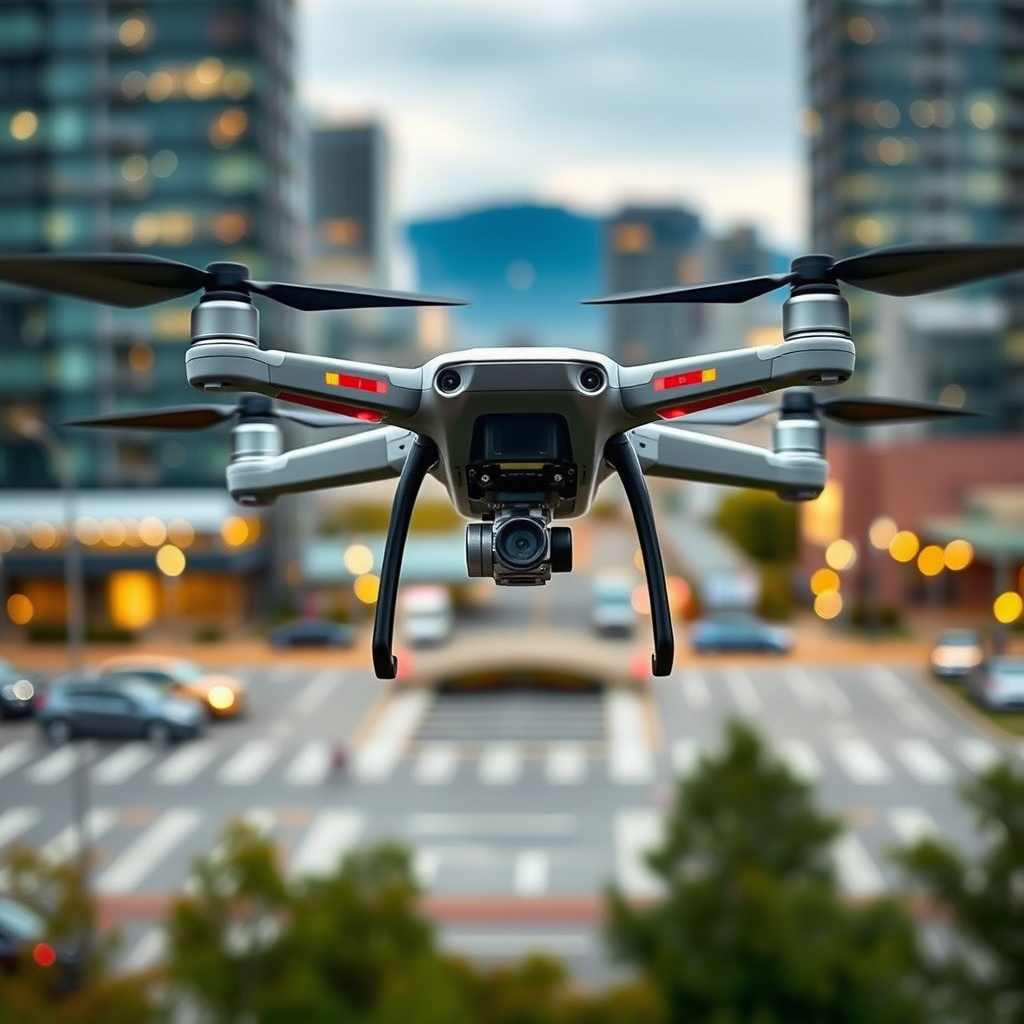
Yes, you can fly drones in Vancouver, but there are specific regulations and guidelines you must follow to ensure safe and legal operation. Understanding these rules is essential for both recreational and commercial drone pilots, as they are designed to protect public safety, privacy, and the environment. Whether you’re a hobbyist looking to capture stunning aerial views of the city’s iconic landscapes or a professional photographer seeking to utilize drone technology for business purposes, familiarity with the local laws will enhance your flying experience and ensure compliance.
Understanding the Legal Framework
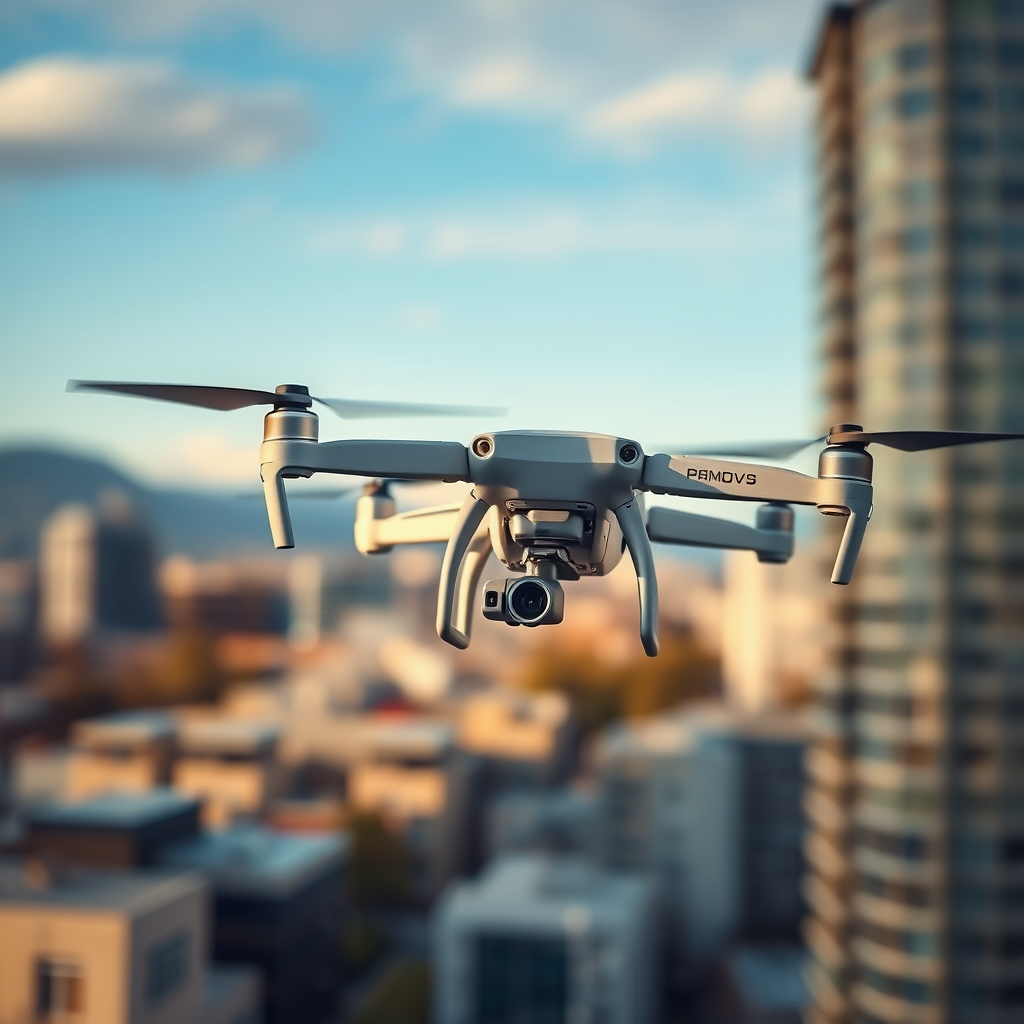
In Canada, drone operation is governed primarily by Transport Canada, which has set forth comprehensive regulations to promote safety in the national airspace. All drone operators must ensure that their drones are registered, and they must obtain a pilot certificate, which comes in two categories: Basic and Advanced. Basic certification allows for flying in uncontrolled airspace, while Advanced certification permits operations in controlled airspace and near people.
Moreover, drone pilots must be aware of different airspace classifications. Vancouver features a mix of controlled and uncontrolled airspace, influencing where and how drones can be flown. Controlled airspace is typically found around airports and requires pilots to follow stricter guidelines, including obtaining permission from air traffic control. On the other hand, uncontrolled airspace may offer more flexibility but still requires adherence to safety protocols.
Where You Can Fly Drones
Identifying suitable locations for drone flights is crucial for compliance and safety. In Vancouver, numerous designated parks and recreational areas allow drone usage, such as Jericho Beach Park and Queen Elizabeth Park. However, it is vital to check local bylaws, as regulations can vary between municipalities. Some parks may have specific restrictions on drone usage, particularly during busy seasons or events.
In addition to parks, many remote areas and open spaces are generally acceptable for drone flights. However, caution is advised when flying near airports, hospitals, and crowded public spaces. Transport Canada emphasizes the importance of maintaining a safe distance from these locations to minimize risks associated with drone operation. For instance, flying within a 5.5-kilometer radius of airports is typically prohibited without prior authorization.
Drone Flight Restrictions in Vancouver
While many areas in Vancouver are conducive to drone flying, there are significant no-fly zones that every pilot must respect. Sensitive locations, such as the downtown core, government buildings, and critical infrastructure like bridges and power plants, are often off-limits for drone operations. These restrictions are in place to ensure public safety and security.
Additionally, local governments can impose further restrictions on drone use. For example, certain events, festivals, or emergency situations may trigger temporary airspace restrictions. Therefore, it is prudent for drone operators to stay informed about local news and updates, checking municipal websites or contacting local authorities before embarking on a flight.
Safety Guidelines for Flying Drones
Safety should always be a top priority for drone pilots. Transport Canada outlines several key safety guidelines that operators must follow. First and foremost, maintaining a visual line-of-sight with the drone during flight is imperative. This practice ensures that pilots can react swiftly to any potential hazards or changes in the environment.
Additionally, drone pilots should avoid flying over people, as this not only endangers individuals but may also lead to legal repercussions. Respect for privacy laws is another critical aspect of responsible drone operation. Pilots must be aware of their surroundings and ensure they are not infringing on the privacy of others while capturing images or videos.
Furthermore, it is advisable to check the weather conditions before flying. High winds, rain, or fog can significantly impact flight safety and control. Always conduct a pre-flight inspection of the drone to ensure it is in optimal working condition, and keep a backup plan ready in case of emergencies.
Obtaining Necessary Permits
For commercial drone operations, obtaining the necessary permits is a vital step in ensuring compliance with regulations. Depending on the nature of the operation, additional certifications and approvals may be required from Transport Canada. For instance, if you plan to fly a drone for filming or photography in a populated area or for commercial purposes, an Advanced Pilot Certificate and a Special Flight Operations Certificate (SFOC) may be necessary.
It is crucial to apply for these permits well in advance of your planned flight date, as processing times can vary. Transport Canada advises submitting applications at least 20 days prior to the intended flight. Having the right permits not only ensures compliance but also enhances the professionalism and credibility of your drone operation, particularly in commercial contexts.
Best Practices for Responsible Drone Use
Engaging in responsible drone use goes beyond simply adhering to regulations; it involves a commitment to preserving the environment and fostering positive relations with the community. Familiarizing yourself with local wildlife and environmental considerations is essential. For example, flying in areas where nesting birds are present can disturb their habitat and lead to adverse ecological impacts.
Additionally, engaging with the local community and authorities is a proactive way to stay informed about evolving regulations. Many cities have forums or groups dedicated to drone enthusiasts, where members can share experiences, updates, and best practices. This engagement not only enhances your knowledge but also contributes to a responsible drone culture in Vancouver.
As technology continues to evolve, keeping abreast of new developments and regulations is vital. Following local news and updates from Transport Canada can help ensure that you remain compliant and well-informed.
In summary, while flying drones in Vancouver is permissible, adhering to regulations and safety guidelines is crucial. Compliance with Transport Canada requirements, awareness of local no-fly zones, and respect for safety protocols will not only enhance your flying experience but also contribute to a safer environment for all. By staying informed and responsible, drone pilots can enjoy the breathtaking views of Vancouver while ensuring the safety and privacy of its residents.
Frequently Asked Questions
What are the regulations for flying drones in Vancouver?
In Vancouver, drone pilots must adhere to Transport Canada regulations, which include flying below 400 feet, maintaining visual line of sight, and avoiding restricted airspace, such as near airports and military bases. Additionally, it’s essential to respect privacy laws and not fly over people without consent. Familiarizing yourself with the Canadian Aviation Regulations (CARs) and local bylaws will ensure a safe and legal flying experience.
How can I obtain a drone pilot certificate in Vancouver?
To obtain a drone pilot certificate in Vancouver, you must complete the necessary training and pass the Transport Canada exam. The Basic Operations Certificate is for recreational pilots flying drones under 250 grams or in uncontrolled airspace, while the Advanced Operations Certificate is for those flying heavier drones or in controlled airspace. Many online courses and local flight schools offer preparation for these certifications.
Why are there restrictions on flying drones in specific areas of Vancouver?
Restrictions on flying drones in specific areas of Vancouver are primarily in place for safety and privacy reasons. Certain zones, like near hospitals, airports, and densely populated areas, pose risks to public safety and privacy violations. Understanding these restrictions helps ensure responsible drone use and prevents potential fines or legal issues for drone operators.
What are the best places to fly drones in Vancouver?
The best places to fly drones in Vancouver include parks like Stanley Park, Queen Elizabeth Park, and Pacific Spirit Regional Park, where you can capture stunning landscapes without significant restrictions. Always check local regulations and guidelines, as some parks may have specific drone policies. Additionally, consider visiting the outskirts of the city for more open spaces, but ensure you’re still adhering to all Transport Canada rules.
Which apps can help me track no-fly zones for drones in Vancouver?
Several apps can assist you in tracking no-fly zones for drones in Vancouver, including AirMap, Drone Buddy, and UAV Forecast. These apps provide real-time updates on airspace restrictions, weather conditions, and other critical information for drone pilots. Utilizing these tools will help you stay informed and ensure your flights comply with regulations, enhancing safety and legality while operating your drone.
References
- https://www.canada.ca/en/transport-canada/services/drone-safety.html
- https://www.vancouver.ca/people-programs/drone-use-in-vancouver.aspx
- https://www.cbc.ca/news/canada/british-columbia/drone-regulations-bc-1.5115752
- https://www.tc.gc.ca/en/services/drone-safety.html
- https://www.faa.gov/uas/getting_started/registration/
- https://www.vancouverpolice.ca/news/press-releases/drone-use-in-vancouver-police-policy
- https://www.westcoastflying.com/drone-regulations-in-bc/
- https://www.droneblog.com/2020/09/15/drone-laws-in-canada/
