
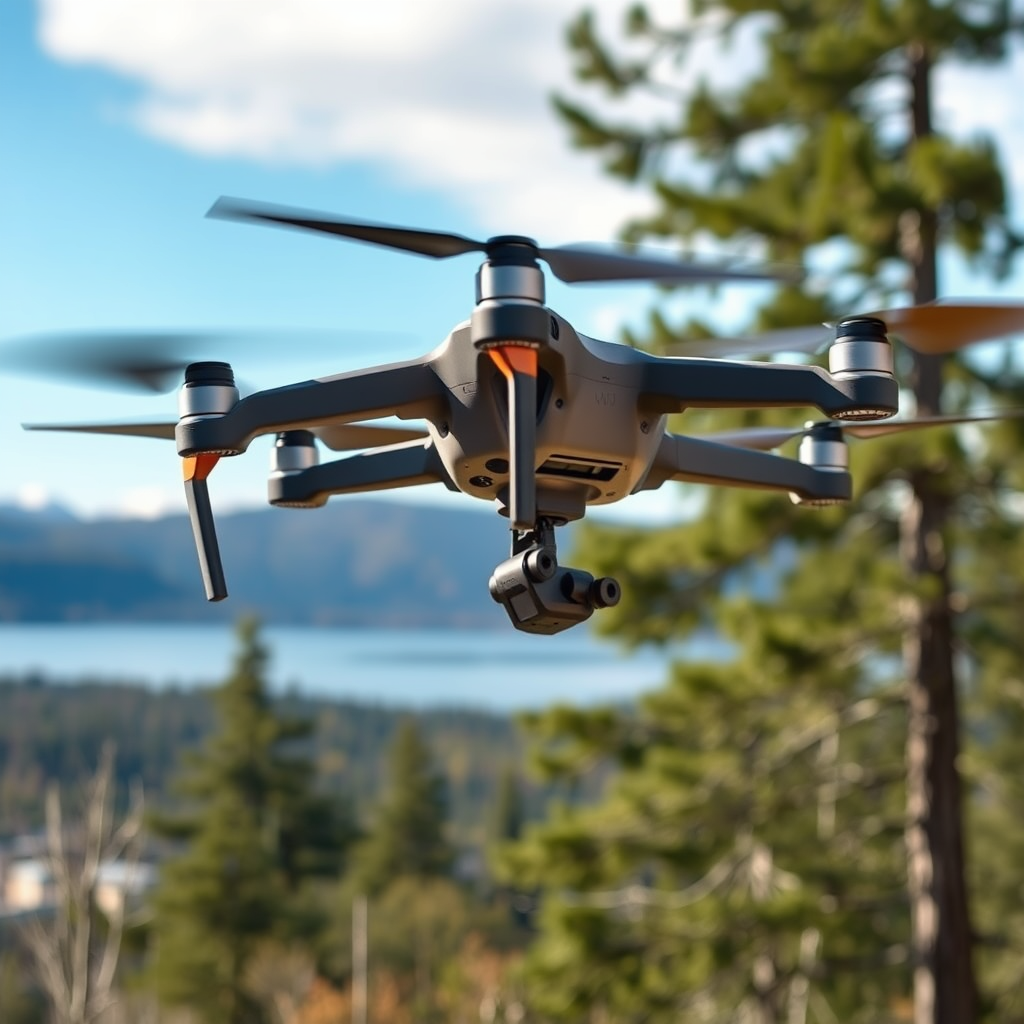
You cannot fly drones in Washington State Parks without a permit. While certain areas may allow drone use under specific conditions, the general prohibition exists to safeguard wildlife and preserve the natural environment. This article will explore the rules, regulations, and zones regarding drone flying in Washington State Parks, providing comprehensive insights for drone enthusiasts and nature lovers alike.
Understanding Washington State Parks Drone Regulations
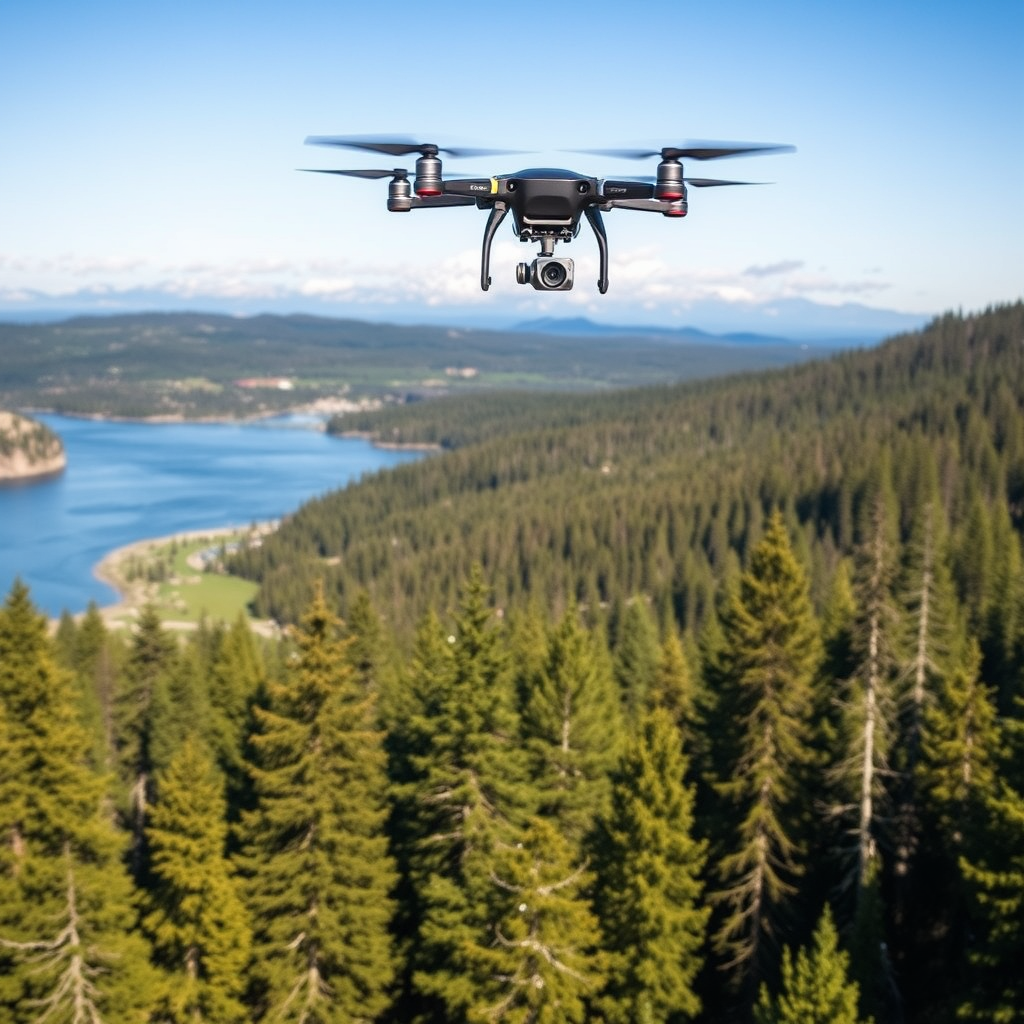
Washington State Parks have implemented strict policies regarding drone usage to ensure the protection of both the wildlife and the natural landscapes within these cherished areas. The overarching rule is that drone flying is prohibited in most state parks unless permitted otherwise. This regulation stems from a commitment to environmental stewardship, as drones can disturb wildlife, disrupt natural habitats, and interfere with the peaceful enjoyment of park visitors.
The Washington State Parks and Recreation Commission emphasizes the importance of maintaining a balanced ecosystem. Drones can pose risks to birds and other wildlife that may be sensitive to noise disturbances or the presence of unfamiliar objects in their environment. Therefore, understanding these regulations is crucial for any drone pilot looking to explore the scenic beauty of Washington’s parks.
Areas Where Drone Flying is Prohibited
Several specific parks and areas within Washington State have outright prohibitions against drone flying. Notable examples include:
1. Mount Rainier National Park: Known for its stunning landscapes and diverse wildlife, drones are strictly prohibited to prevent disturbances to animals and to preserve the park’s natural beauty.
2. Olympic National Park: This park is home to various ecosystems, including temperate rainforests and rugged coastlines. The use of drones can disrupt the delicate balance of these environments.
3. Snoqualmie Pass: This popular recreational area restricts drone use to minimize interference with other outdoor activities such as hiking, skiing, and wildlife observation.
These prohibitions are primarily enacted to protect sensitive habitats and maintain the park’s tranquility. Unauthorized drone usage can lead to unintended consequences, such as frightening wildlife or disrupting the natural experiences of park visitors.
How to Obtain a Drone Permit
For those interested in flying drones in designated areas of Washington State Parks, obtaining a permit is a necessary step. Here is a step-by-step guide to the application process:
1. Determine Eligibility: Before applying, ensure that your desired location allows drone flying with a permit. This information can typically be found on the Washington State Parks website or by contacting local park services.
2. Complete the Application: Fill out the required application form, which can often be found online. Be prepared to provide details about your drone, including its specifications and intended use.
3. Submit Documentation: Along with your application, you may need to submit supporting documents, such as proof of insurance or a safety plan outlining how you will mitigate risks to wildlife and visitors.
4. Pay Fees: Some parks may charge a fee for processing the permit. Be sure to check the current fee structure when submitting your application.
5. Await Approval: After submission, there may be a waiting period for approval. It is advisable to apply well in advance of your planned drone activity.
6. Follow Regulations: Once granted, ensure you adhere to all stipulations outlined in the permit to avoid penalties.
By following these steps, drone enthusiasts can responsibly enjoy their hobby while respecting the natural integrity of Washington State Parks.
Special Considerations for Recreational Drone Users
For recreational drone users, it is essential to practice responsible flying in non-restricted areas. Here are some tips and best practices:
– Research Local Laws: Before flying, familiarize yourself with local drone regulations, including altitude limits and no-fly zones. Respect any posted signs or guidelines.
– Minimize Noise Pollution: Select quieter drones when possible, as loud equipment can disturb wildlife and other visitors.
– Maintain Distance from Wildlife: Always keep a safe distance from animals to avoid causing stress or disorientation. Observing wildlife from afar is typically the best practice.
– Be Aware of Other Visitors: Flying a drone in crowded areas can disrupt the experience of other park-goers. Choose times and locations that are less populated to ensure everyone can enjoy the park.
– Leave No Trace: After using your drone, ensure you do not leave any litter or disturb the natural setting. Being a responsible drone user means respecting the environment you are exploring.
By adhering to these guidelines, drone pilots can ensure their activities do not negatively impact the parks they cherish.
Consequences of Violating Drone Regulations
Violating drone regulations in Washington State Parks can have serious consequences. Drone operators found using their devices without the proper permits may face potential fines and penalties, which can vary depending on the severity of the violation. Fines can range from a few hundred to several thousand dollars, depending on the specific park regulations and the nature of the infraction.
Moreover, enforcement actions can include confiscation of the drone and a ban from future access to the park. For example, there have been instances where law enforcement agencies issued citations to drone users who flew in restricted areas, emphasizing the state’s commitment to preserving park integrity. This vigilance serves as a reminder that compliance is not only a legal obligation but also a moral responsibility to protect natural spaces.
Resources for Drone Enthusiasts
For those interested in flying drones responsibly in Washington State, a variety of resources are available:
– Washington State Parks Website: The official site provides comprehensive information about park regulations, permit applications, and any updates on drone policies.
– Local Drone Clubs and Organizations: Joining local drone clubs can provide valuable insights into flying safely and responsibly. These organizations often hold events and workshops for enthusiasts.
– Federal Aviation Administration (FAA): The FAA’s website offers guidelines and regulations that drone pilots must follow, including airspace classifications and safety standards.
– Contact Park Services: For specific inquiries or clarifications about drone regulations in particular parks, reaching out to local park services can provide direct and accurate information.
These resources are essential for ensuring a safe and enjoyable drone flying experience while respecting the natural environment.
In conclusion, while flying drones in Washington State Parks is generally prohibited, there are specific guidelines and permits available for those seeking to enjoy this hobby responsibly. It is crucial for drone enthusiasts to familiarize themselves with the regulations, respect wildlife, and adhere to all park policies to ensure a positive experience for themselves and future visitors. Always check park regulations before planning your drone activities and stay informed about updates to ensure compliance, promoting a harmonious relationship between technology and nature.
Frequently Asked Questions
What are the regulations for flying drones in Washington State parks?
In Washington State, drone usage in state parks is governed by specific regulations set by the Washington State Parks and Recreation Commission. Generally, flying drones is allowed in state parks, but pilots must adhere to FAA regulations, which include keeping the drone within visual line of sight, not flying above 400 feet, and avoiding areas near airports. It’s essential to check individual park rules, as some parks may have restrictions or require permits for drone use.
How do I obtain a permit to fly a drone in a Washington State park?
To obtain a permit for flying a drone in a Washington State park, you must contact the park’s administrative office directly. Each park may have different requirements, and some may require a special use permit if you plan to fly for commercial purposes or if your drone activities could impact wildlife or visitor safety. Be prepared to provide details about your intended use, including dates, times, and the type of drone you will be using.
Why are there restrictions on flying drones in certain areas of Washington State parks?
Restrictions on flying drones in certain areas of Washington State parks are primarily in place to protect wildlife, preserve natural resources, and ensure visitor safety. Sensitive habitats, such as nesting areas for birds, can be disrupted by drone activity. Additionally, busy recreational areas may have increased pedestrian traffic, making it crucial to minimize risks associated with drone flying. Always check local regulations to ensure compliance with any restrictions.
What are the best practices for flying drones safely in Washington State parks?
To fly drones safely in Washington State parks, always adhere to FAA regulations and park-specific rules. Best practices include maintaining a visual line of sight with your drone, not exceeding the altitude limit of 400 feet, and avoiding crowded areas or wildlife habitats. Additionally, consider flying during non-peak hours to minimize disturbances to other park visitors and wildlife. Always be respectful and mindful of the environment while operating your drone.
Which Washington State parks are most drone-friendly for enthusiasts?
Some of the most drone-friendly Washington State parks include Olympic National Park, Mount Rainier National Park, and Riverside State Park, as they offer vast, open spaces ideal for drone flying. However, it’s crucial to verify the specific park rules and regulations before flying, as restrictions can vary. Parks with fewer visitors or more remote areas tend to be more accommodating for drone enthusiasts, allowing for a more enjoyable flying experience while respecting the natural environment.
