
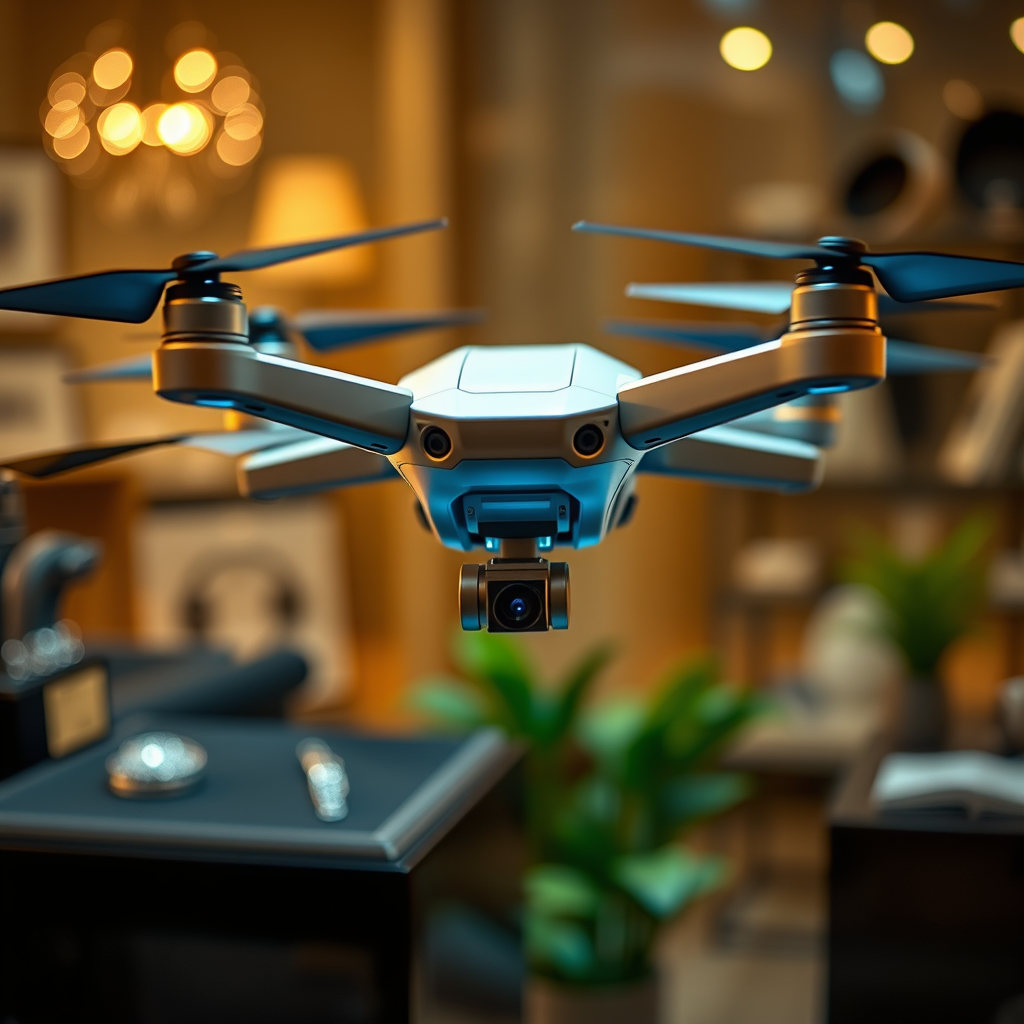
Yes, you can fly drones in your neighborhood, but there are specific regulations and considerations to keep in mind. Responsible drone use is essential, which involves understanding local laws, respecting privacy, and ensuring safety during flights. As drones become increasingly popular for recreational and commercial use, it is vital to be well-informed about the guidelines and best practices that govern their operation in residential areas.
Understanding Local Regulations
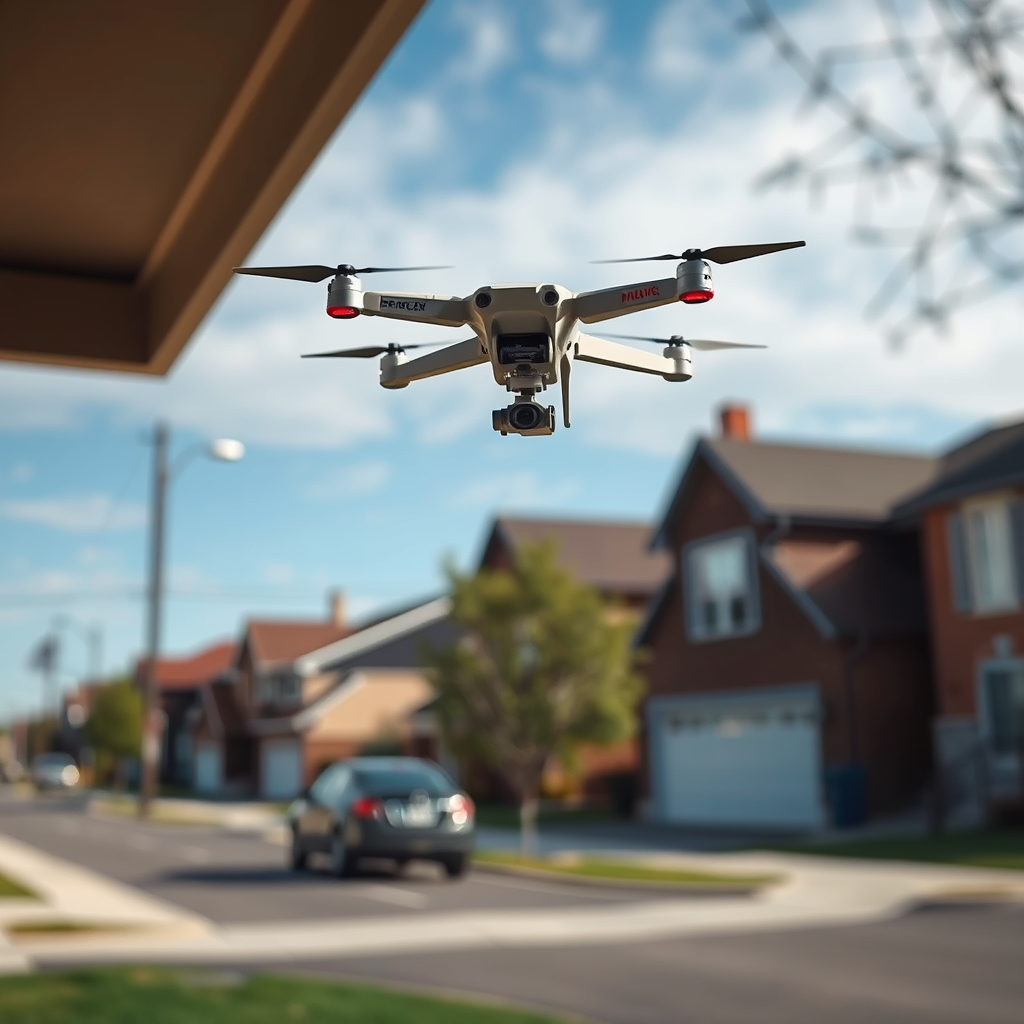
The first step in flying drones in your neighborhood is to familiarize yourself with the federal and state regulations that apply to your area. In the United States, the Federal Aviation Administration (FAA) governs drone operations, mandating that drone pilots adhere to specific rules. For instance, recreational drone users must register their drones if they weigh over 0.55 pounds and must follow the community-based guidelines set by organizations like the Academy of Model Aeronautics (AMA).
In addition to federal regulations, state laws can impose further restrictions on drone use. Some states may have laws regarding drone usage in public parks or near schools, while others may require specific permits for certain types of flights. Therefore, it is essential to check with your local government or municipal website for any ordinances or community rules that may restrict or regulate drone usage in your neighborhood. Engaging with local authorities can help clarify any ambiguities and ensure compliance with all applicable laws.
Airspace Restrictions
Understanding airspace restrictions is crucial when planning to fly your drone. Certain areas, such as airports, military bases, and emergency response locations, are designated as restricted airspace where drone operations are prohibited or heavily regulated. The FAA provides a comprehensive map of these restricted zones through its B4UFLY app, allowing drone pilots to check their surroundings before taking off.
Additionally, temporary flight restrictions can be enacted for various reasons, including public events, natural disasters, or security concerns. Utilizing apps or tools designed to provide real-time information on these restrictions is imperative for safe and legal drone operation. Always ensure that you are flying in authorized areas, as violations can result in fines or other penalties.
Privacy Considerations
Privacy considerations are paramount when flying drones in residential neighborhoods. Drones equipped with cameras can inadvertently capture images or videos of private property, raising concerns among neighbors about surveillance and privacy invasion. Understanding the legal implications of flying over private property is crucial. For instance, while it is generally legal to fly over someone else’s property, recording or photographing them without consent can lead to legal issues.
To foster good relationships with your neighbors, it is advisable to be mindful of their privacy. If you intend to fly your drone frequently, it may be courteous to inform your neighbors and, if necessary, obtain their consent, especially if your drone’s capabilities might infringe on their personal space. Many drone enthusiasts find that open communication can alleviate concerns and promote a more harmonious environment.
Safety Best Practices
Safety should be a top priority when operating drones in your neighborhood. Maintaining a safe distance from people, animals, and structures is essential to minimize the risk of accidents or injuries. The FAA recommends that drone pilots maintain a visual line of sight with their drones and avoid flying over crowds or moving vehicles.
Before each flight, conduct thorough pre-flight safety checks to ensure your drone is in good working condition. This includes checking battery levels, ensuring propellers are secure, and verifying that all software is up to date. Additionally, consider the local weather conditions; flying in high winds or during inclement weather can pose significant risks. By adhering to these safety best practices, drone operators can create a safer flying environment for themselves and those around them.
Insurance and Liability
Obtaining liability insurance for your drone is a prudent measure that can protect you from potential damages caused by your drone. While the FAA does not require drone insurance, accidents can happen, and having coverage can provide peace of mind. Liability insurance can cover damages to property or injuries to individuals resulting from drone accidents.
It is also worthwhile to check if your homeowner’s insurance policy includes coverage for drone-related incidents. Some policies may offer limited protection, while others may require an additional rider for comprehensive coverage. By understanding your insurance options, you can better mitigate the financial risks associated with drone operation.
Community Engagement
Engaging with your local community can enhance your drone flying experience and foster positive relationships with your neighbors. Joining local drone clubs or forums can provide invaluable networking opportunities, where you can share experiences, gain insights, and learn about best practices from other enthusiasts.
Additionally, attending community meetings can offer a platform to discuss drone flying and address any concerns from neighbors. Being proactive in these discussions can help alleviate fears and misconceptions regarding drone use in your neighborhood. Demonstrating a commitment to responsible flying and community engagement can significantly enhance the overall acceptance of drone usage in residential areas.
In conclusion, flying drones in your neighborhood is permissible with the right knowledge and precautions. Always stay informed about regulations, prioritize safety and privacy, and engage with your community to ensure a positive flying experience. Understanding the legal landscape, practicing responsible flying, and fostering good neighborly relations are essential steps in making the most of your drone. By following these guidelines, you can enjoy the benefits of drone flying while maintaining a respectful and safe environment for everyone.
Frequently Asked Questions
What are the laws regarding flying drones in my neighborhood?
The laws about flying drones in your neighborhood vary by location, but generally, the Federal Aviation Administration (FAA) regulates airspace for drone operations in the United States. You must fly below 400 feet, keep your drone within visual line of sight, and avoid flying over people or moving vehicles. Additionally, some neighborhoods may have specific homeowner association (HOA) rules or local ordinances that restrict drone use, so it’s essential to check both federal and local regulations before flying.
How can I find out if I can fly my drone in my local area?
To determine if you can fly your drone in your local area, start by checking the FAA’s B4UFLY app, which provides information on airspace restrictions and regulations. Furthermore, consult local city or county websites for any specific drone laws or ordinances that may apply. Additionally, consider reaching out to your local government offices or drone clubs for more specific guidance on flying drones in your neighborhood.
Why do some neighborhoods have restrictions on drone flying?
Some neighborhoods impose restrictions on drone flying to maintain privacy, reduce noise pollution, and ensure the safety of residents. Drones can inadvertently invade personal space, leading to discomfort or privacy concerns among neighbors. Additionally, local authorities may be worried about safety issues related to flying drones near congested areas or sensitive locations, prompting the need for regulations.
What is the best way to fly my drone in a residential area without disturbing neighbors?
The best way to fly your drone in a residential area without disturbing neighbors is to choose the right time and location for your flights. Opt for early morning or late afternoon when noise levels are typically lower and avoid flying on weekends or holidays when people are more likely to be home. Communicating with your neighbors beforehand can also help alleviate concerns, as they will appreciate your consideration and may even show interest in watching your drone in action.
Which drone features should I consider if I plan to fly in a neighborhood?
When choosing a drone for flying in a neighborhood, consider features such as quiet propellers, GPS capabilities, and advanced obstacle avoidance systems. Drones with low-noise technology can minimize disturbances, while GPS helps you maintain stable flights and return the drone home safely. Additionally, look for drones that offer geo-fencing features to prevent you from accidentally flying into restricted areas, ensuring both compliance with regulations and respect for your neighbors.
References
- https://www.faa.gov/uas/getting_started/where_to_fly
- https://www.faa.gov/uas/
- https://www.nolo.com/legal-encyclopedia/drone-laws-29078.html
- https://www.theguardian.com/technology/2021/jul/06/drones-flying-neighbours-privacy
- https://www.nytimes.com/2021/05/18/technology/drones-cities.html
- https://www.wired.com/story/drones-neighbors-privacy/
- https://www.ama.association.org/Drone_Operations_and_Neighbor_Concerns
- https://www.nationalgeographic.com/science/article/drone-laws-and-regulations-flying-guide
