
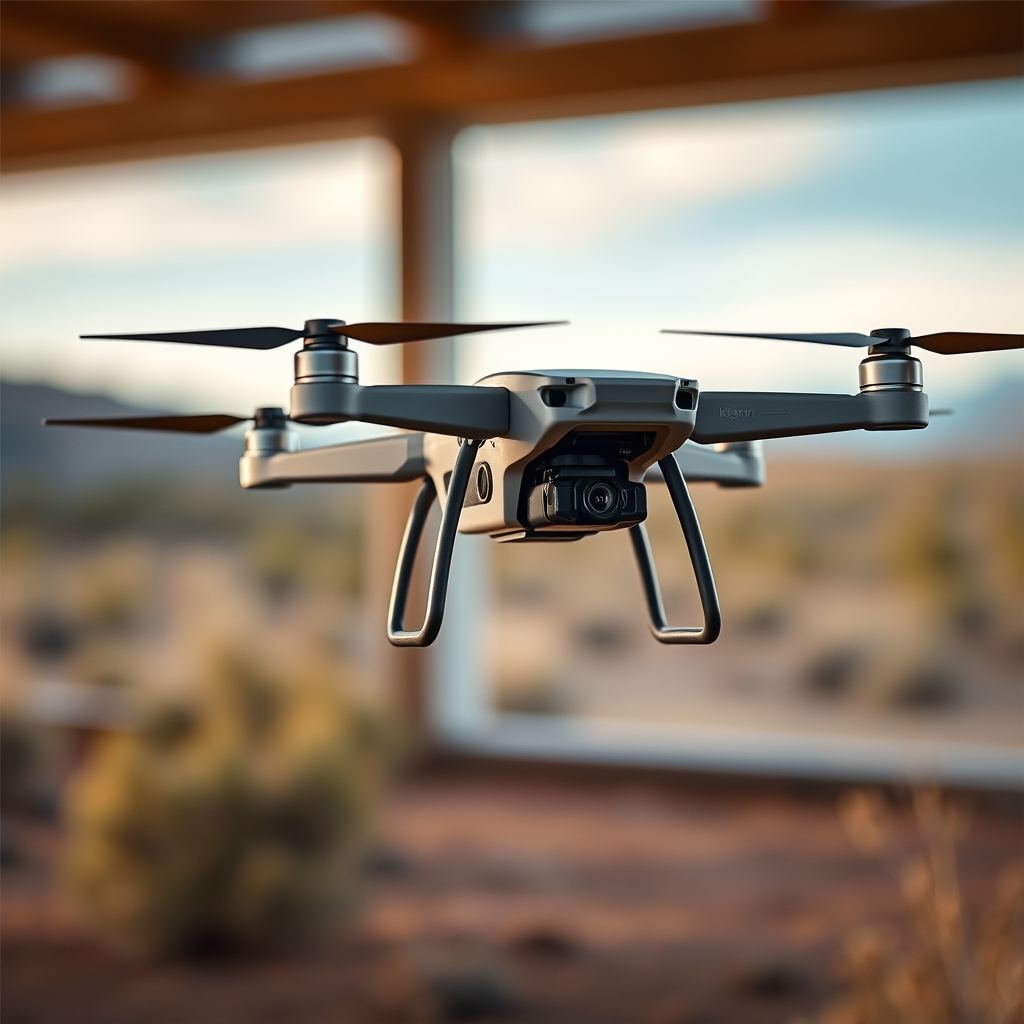
Yes, you can fly drones on Bureau of Land Management (BLM) land, but there are specific regulations and guidelines you must follow. Understanding these rules will help you enjoy your drone flying experience while complying with the law and preserving the environment. The BLM manages vast expanses of land across the United States, providing excellent opportunities for recreational drone use, but it is essential to be aware of the regulations that govern these activities to ensure a safe and responsible flying experience.
Understanding BLM Land Regulations
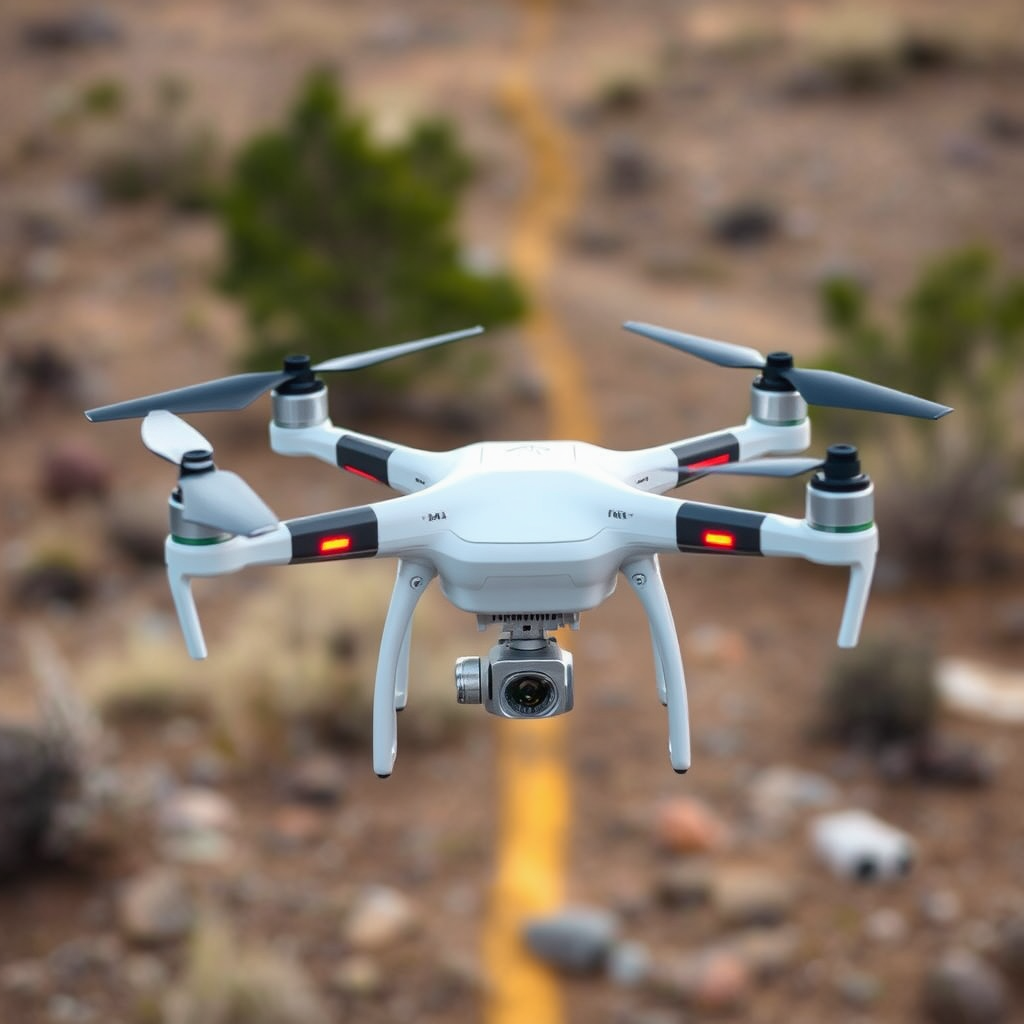
BLM land is designated for multiple uses, including recreation, resource extraction, and conservation. While drone flying is generally permitted, several specific regulations apply to ensure the responsible use of these lands. For example, drone operators must be aware of and adhere to the Federal Aviation Administration (FAA) regulations, which govern airspace usage and safety. Additionally, BLM rules require that users respect wildlife and natural resources, ensuring minimal disturbance to both. This means avoiding sensitive areas, such as those designated for wildlife protection, and ensuring that drone operations do not interfere with other recreational users or the natural environment.
Moreover, drone operators should familiarize themselves with the boundaries of BLM-managed lands, as regulations may vary between different states and regions. For instance, certain areas may have stricter rules due to proximity to national parks or other protected lands. Therefore, it is vital for drone users to stay informed and prepared before heading out.
Where You Can Fly Drones on BLM Land
Most BLM areas allow drone flying, but some designated sites may have specific restrictions. For example, areas near archaeological sites, cultural resources, or sensitive wildlife habitats may prohibit drone operations to protect these valuable assets. To ensure compliance, it is crucial to research specific locations ahead of time. The BLM website offers mapping tools and resources that can help identify areas where drone flying is permitted or restricted.
Additionally, certain BLM regions may have established designated “drone zones,” which are specifically set aside for drone use. These zones not only provide a safe environment for flying but also minimize disturbances to wildlife and other users. Always check the local BLM office for the latest information on where you can fly drones safely and legally.
Required Permits and Notifications
When it comes to permits and notifications, there are important distinctions between commercial and recreational drone operators. Commercial drone operators, those using drones for business purposes, typically need to obtain a permit or special authorization to fly on BLM land. This process may involve submitting a detailed plan outlining the intended use of the drone and any potential impacts on the environment.
Recreational users, on the other hand, generally do not need a permit; however, they should check for any required notifications or registration with the BLM office. It’s also advisable for recreational flyers to familiarize themselves with the FAA’s Part 107 regulations, which govern the operation of drones in the national airspace. Following these regulations not only ensures compliance but also enhances safety for both the drone operator and others in the vicinity.
Safety Guidelines for Drone Operations
Safety is paramount when operating drones, especially in natural and recreational settings like BLM land. One essential guideline is to maintain a visual line of sight with your drone at all times. This practice helps prevent accidents and ensures that you can react quickly to any potential hazards or changes in the environment.
Furthermore, it’s crucial to respect other users on the land, including hikers, campers, and wildlife enthusiasts. Keeping a safe distance from others not only fosters a positive experience for everyone but also minimizes disturbances to wildlife. For example, if you’re flying in an area popular with hikers, be mindful of their enjoyment and safety. Aim to fly at a reasonable altitude and avoid areas where people congregate.
Additionally, consider the time of day when flying. Early mornings or late afternoons may provide optimal lighting conditions for photography while minimizing the risk of disturbing wildlife during their active hours.
Environmental Considerations
Environmental stewardship is a critical aspect of responsible drone use on BLM land. Operators should avoid flying drones over sensitive habitats, such as nesting areas for birds or fragile ecosystems that may be adversely affected by noise and disturbance. The impact of drones on wildlife can be significant; therefore, understanding the local ecology and adhering to guidelines is vital.
To minimize your environmental footprint, follow the Leave No Trace principles. This means planning ahead, respecting wildlife, and leaving natural and cultural features as you found them. For instance, if your drone captures stunning images of a natural landscape, avoid sharing specific locations that could lead to increased foot traffic and potential harm to that environment.
Local Resources and Contacts
Utilizing local resources is essential for a successful drone flying experience on BLM land. The BLM website offers a wealth of information, including maps, regulations, and contact details for local offices. Engaging with local BLM offices can provide you with the most current regulations and insights about specific areas where you plan to fly.
Additionally, connecting with local drone communities can be invaluable. These groups often share tips, experiences, and best practices that can enhance your knowledge and enjoyment of drone flying. Online forums, social media groups, and local meetups are excellent ways to engage with other drone enthusiasts who can provide invaluable insights based on their own experiences.
In conclusion, flying drones on BLM land is permissible with certain considerations and regulations in place. Understanding the guidelines, respecting the environment, and prioritizing safety are essential for ensuring a positive experience. Always research the specific area where you plan to fly and adhere to local regulations. For more information, check the BLM website or contact your local office before your next drone adventure. Embracing these practices not only enriches your experience but also contributes to the preservation of our shared natural resources.
Frequently Asked Questions
Can you fly drones on BLM land without a permit?
Generally, you can fly drones on Bureau of Land Management (BLM) land without a permit, as long as you adhere to the Federal Aviation Administration (FAA) regulations and any specific BLM rules. However, certain areas may have restrictions or require permits, especially if you’re flying for commercial purposes or in sensitive regions. It’s important to check the specific BLM district’s guidelines before your visit to ensure compliance with local regulations.
What are the rules for flying drones on BLM land?
The rules for flying drones on BLM land include adhering to FAA regulations, such as maintaining visual line-of-sight and flying below 400 feet. Additionally, drone operators should avoid flying over people, near airports, or in restricted areas. It’s also crucial to respect wildlife and natural resources, ensuring that drone activities do not disturb habitats or other visitors.
Why should I check for local regulations before flying my drone on BLM land?
Checking for local regulations before flying your drone on BLM land is vital to ensure you are compliant with both federal and local laws. Certain BLM locations may have unique restrictions due to environmental concerns, archaeological sites, or recreational use. By being informed, you can avoid fines and ensure a safe and respectful flying experience.
Where can I find information about drone flying restrictions on BLM land?
Information about drone flying restrictions on BLM land can typically be found on the official BLM website or by contacting the local BLM office for the area you plan to visit. The site provides guidelines, maps, and resources that detail any specific rules or permits required for drone operation in particular regions. Additionally, you can reference FAA resources for broader regulations.
What is the best time to fly drones on BLM land for photography?
The best time to fly drones on BLM land for photography is during the golden hours, which are shortly after sunrise and before sunset. During these times, natural lighting creates stunning visuals and enhances the landscape. Additionally, flying during weekdays or off-peak seasons can help you avoid crowds and get clearer shots of the beautiful surroundings.
References
- https://www.blm.gov/programs/recreation/aircraft-and-drones
- https://www.nps.gov/subjects/drones/index.htm
- https://www.wildlife.ca.gov/Conservation/Drone-Use
- https://www.faa.gov/uas/getting_started/
- https://www.fs.usda.gov/managing-land/administration/drone-use
- https://www.nps.gov/articles/drone-policy.htm
- https://www.abc.net.au/news/2021-01-19/drone-use-on-national-parks-and-blm-lands/13045468
- https://www.nationalgeographic.com/science/article/how-to-fly-drones-in-national-parks-and-other-public-lands
