
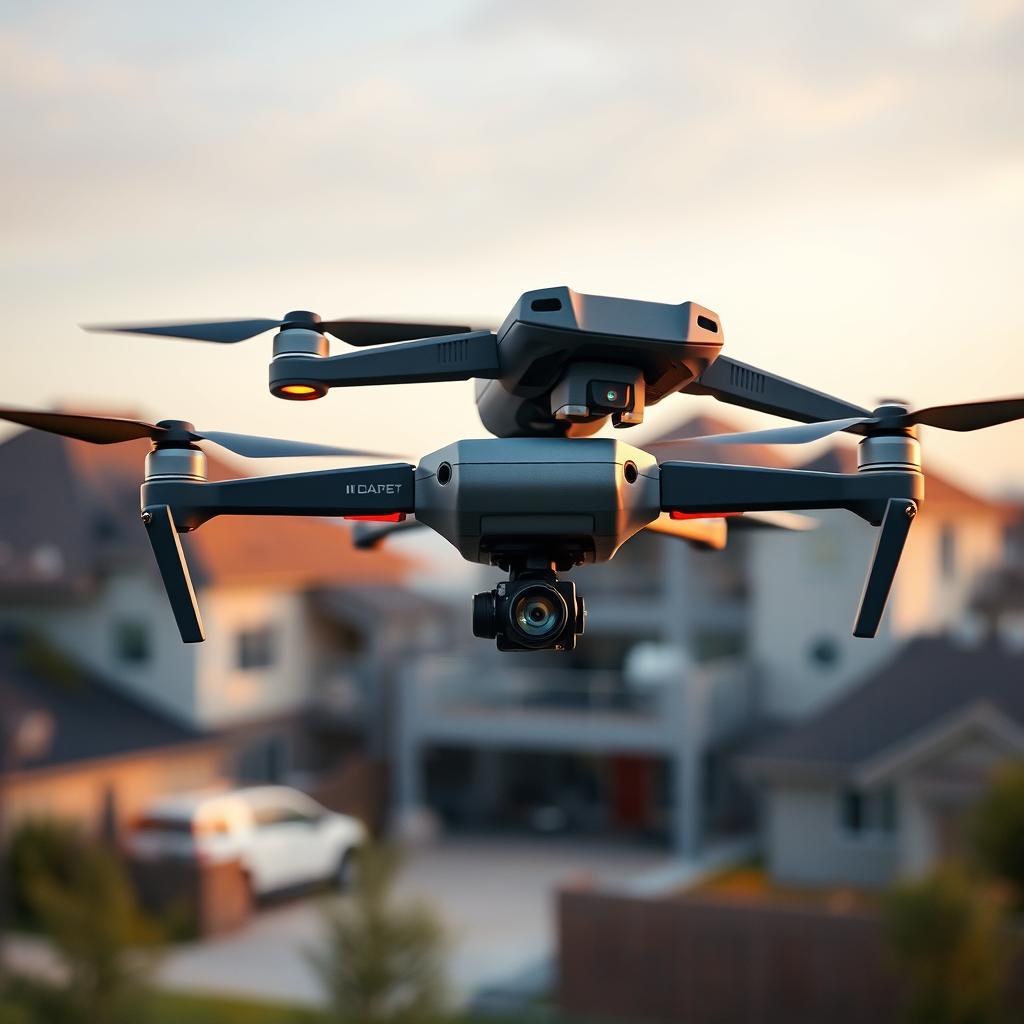
Yes, you can fly drones over residential areas, but there are important regulations and considerations to keep in mind. Understanding the legal framework, safety concerns, and community impact is essential for responsible drone operation. Drones have become increasingly popular for both recreational and commercial use, making it vital for operators to be informed about the rules that govern their use in residential settings. This article will guide you through the key aspects of flying drones in residential zones, ensuring you remain compliant and considerate of others.
Understanding FAA Regulations
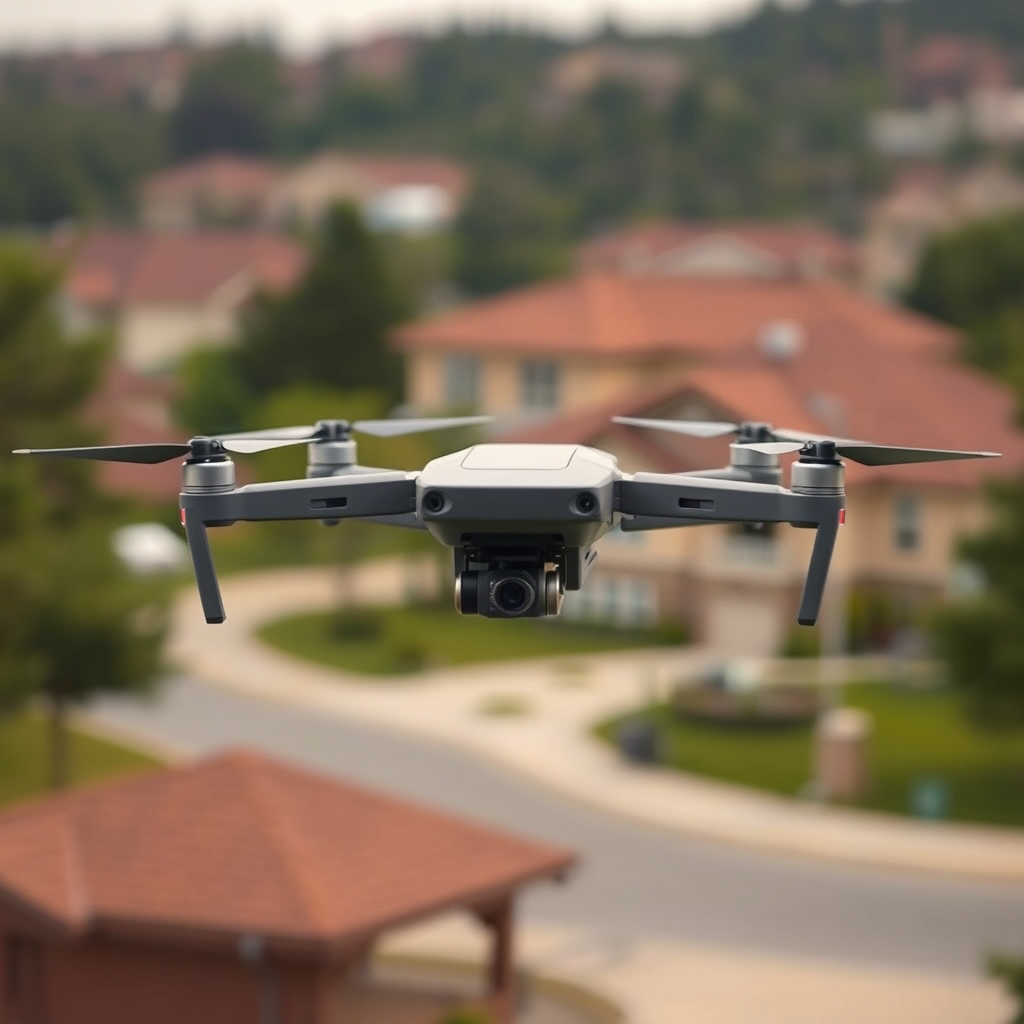
The Federal Aviation Administration (FAA) is the primary governing body that regulates drone operations in the United States. To ensure safe airspace usage, the FAA has established specific rules that all drone pilots must follow. One of the most significant regulations is that drones must not exceed an altitude of 400 feet above ground level when flying over residential areas. This altitude limit is designed to prevent interference with manned aircraft and to maintain safety in populated regions.
Moreover, drones that weigh more than 0.55 pounds must be registered with the FAA. This registration involves providing details about the drone and paying a nominal fee. Additionally, drone pilots are required to operate their devices within their visual line of sight, which means they must maintain a clear view of the drone at all times without the aid of binoculars or other visual enhancement devices. These regulations are crucial in ensuring that drone operations are conducted safely and responsibly.
Local Laws and Ordinances
While the FAA provides a federal framework for drone operations, local laws and ordinances can further restrict or regulate drone usage in residential areas. Many states and municipalities have enacted specific laws that address drone flights, often focusing on privacy concerns, noise ordinances, and safety. For instance, some cities may have designated no-fly zones over densely populated neighborhoods or sensitive areas, such as schools or parks.
Before flying your drone over residential properties, it is imperative to check local regulations. Failure to do so could result in fines or legal action. Websites of local governments or state aviation departments typically provide resources and information on drone laws. Additionally, consulting with local drone clubs or community groups can offer insights into any informal guidelines or community expectations related to drone usage.
Safety Considerations
Safety should always be a top priority when flying drones, particularly in residential areas where people and properties are present. Pilots should maintain a safe distance from individuals and buildings to mitigate risks in the event of a malfunction or crash. A general rule of thumb is to avoid flying within 25 feet of people and structures.
Situational awareness is also critical. Before launching a drone, operators should assess the immediate environment, checking for potential hazards such as power lines, trees, and crowded gatherings. Furthermore, it’s advisable to avoid flying over large public events, such as concerts or festivals, where the possibility of accidents increases significantly. By taking these safety precautions, drone pilots can help ensure a secure flying experience for themselves and their neighbors.
Privacy Concerns
Flying drones over residential areas can raise significant privacy issues for homeowners. Many individuals may feel uncomfortable or violated if they believe drones are invading their personal space or capturing images and videos without consent. To mitigate these concerns, drone operators should exercise discretion and avoid hovering over private properties.
It is also beneficial to familiarize yourself with local privacy laws, which can vary widely. Some states have enacted laws that specifically prohibit drone usage in ways that infringe upon an individual’s reasonable expectation of privacy. For example, using a drone to capture images or recordings of individuals in their backyards without permission could potentially lead to legal repercussions. Being respectful of privacy rights not only helps maintain good relations with neighbors but also fosters a responsible drone culture.
Community Impact
The impact of drone flying on the local community cannot be overlooked. Engaging with your neighbors and informing them of your drone activities can help mitigate concerns and build trust. Consider discussing your intentions to fly drones in the area, and be open to feedback. This proactive communication can help alleviate fears and foster a positive relationship between drone operators and the community.
Additionally, participating in local events or community forums related to drone technology can provide opportunities for education and collaboration. Sharing information on the benefits of drones, such as their use in photography, surveying, or even search and rescue missions, can help neighbors understand their value and potential applications. Ultimately, building a sense of community around responsible drone usage can enhance acceptance and cooperation among residents.
Best Practices for Responsible Flying
To ensure a safe and enjoyable drone flying experience, adhering to best practices is essential. First, always perform pre-flight checks to confirm that your drone is in optimal working condition. This includes checking battery levels, examining the propellers for damage, and ensuring all firmware and software are up to date.
Weather conditions should also be taken into account before flying. Avoid operating drones during adverse weather, such as high winds, rain, or snow, as these conditions can significantly increase the risk of accidents. Additionally, it is wise to have a clear flight plan that outlines where you intend to fly and any potential obstacles in the area.
Finally, consider using a drone that is equipped with features such as GPS, automatic return-to-home, and obstacle avoidance systems. These technologies can greatly enhance safety and improve the overall flying experience, allowing you to focus on enjoying your time in the air while minimizing risks.
In conclusion, flying drones over residential areas is permissible under certain conditions, but it requires adherence to legal regulations, respect for privacy, and consideration for community impacts. Understanding FAA regulations, local laws, and safety practices is crucial for responsible drone operation. Additionally, fostering open communication with neighbors can help alleviate concerns and promote a positive environment for drone enthusiasts. By staying informed and flying responsibly, you can ensure a safe and enjoyable experience for everyone involved.
Frequently Asked Questions
What are the regulations for flying drones over residential areas?
The regulations for flying drones over residential areas vary by country and sometimes by local jurisdiction. In the United States, the Federal Aviation Administration (FAA) allows drone flights in residential areas as long as they are below 400 feet, within the pilot’s line of sight, and not flown over people without a waiver. It’s essential to check local laws and ordinances, as some municipalities may have additional restrictions on drone use in residential neighborhoods.
How can I ensure my drone flights over residential areas are safe and respectful?
To ensure safe and respectful drone flights over residential areas, it is crucial to maintain a safe distance from people and private property, avoid flying at night, and be mindful of noise levels. Additionally, obtaining permission from property owners before flying is a best practice, as it fosters goodwill and minimizes potential complaints. Using a drone with obstacle avoidance technology can also enhance safety during your flight.
Why are there restrictions on flying drones over homes and neighborhoods?
Restrictions on flying drones over homes and neighborhoods are primarily in place to protect privacy and safety. Drones equipped with cameras can inadvertently invade personal space, leading to privacy concerns among residents. Furthermore, flying over populated areas increases the risk of accidents, which is why regulatory bodies impose specific rules to mitigate these risks and ensure public safety.
What is the best time to fly drones over residential areas?
The best time to fly drones over residential areas is during daylight hours when visibility is optimal and weather conditions are stable. Early mornings or late afternoons are often ideal, as there is typically less air traffic and more calm weather. Additionally, flying when residents are less likely to be outdoors can help avoid complaints and minimize disturbances.
Which drones are best suited for flying in residential areas?
Drones that are best suited for flying in residential areas are typically ones that are lightweight, quiet, and equipped with advanced safety features. Models such as the DJI Mini series or Parrot Anafi are popular choices due to their compact size and low noise levels, making them less intrusive. Additionally, drones with GPS stabilization and obstacle avoidance capabilities are recommended for safe navigation around homes and other structures.
References
- https://www.faa.gov/uas/resources/policy_library/
- https://www.nytimes.com/2022/06/14/technology/drone-regulations.html
- https://www.wired.com/story/drone-regulations/
- https://www.nolo.com/legal-encyclopedia/flying-drones-residential-areas-32869.html
- https://www.theguardian.com/technology/2023/jan/30/drone-regulations-uk-residential-areas
- https://www.faa.gov/uas/getting_started/part_107/
- https://www.nerdwallet.com/article/small-business/drone-regulations-ownership-101
