
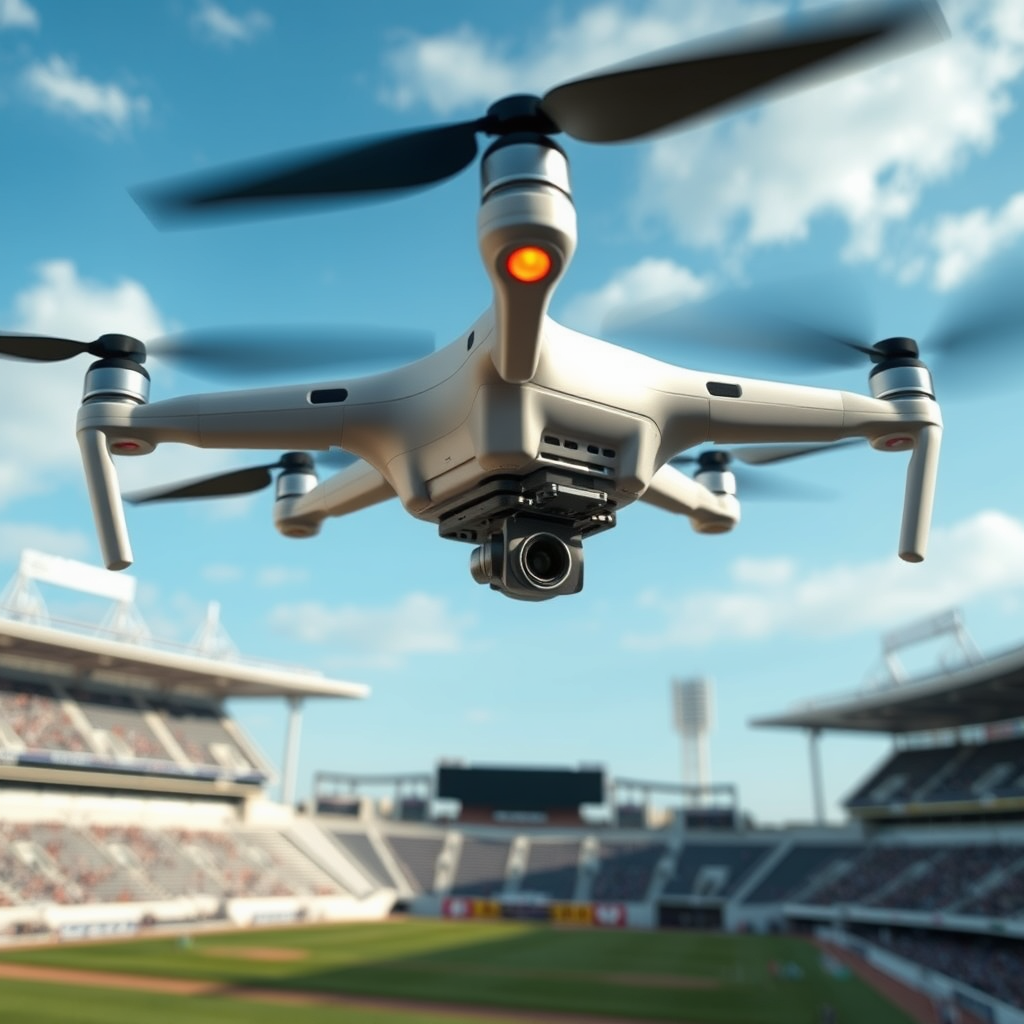
Yes, you can fly drones over stadiums, but there are strict regulations and restrictions you must follow. Navigating these rules is essential to ensure that drone operations are safe and compliant with legal standards. Stadiums, often bustling with crowds during events, present unique challenges for drone pilots. Understanding the legal framework, safety concerns, permissions needed, best practices, and technological considerations is critical for anyone looking to operate a drone in these high-traffic areas.
Legal Regulations Surrounding Drone Flights
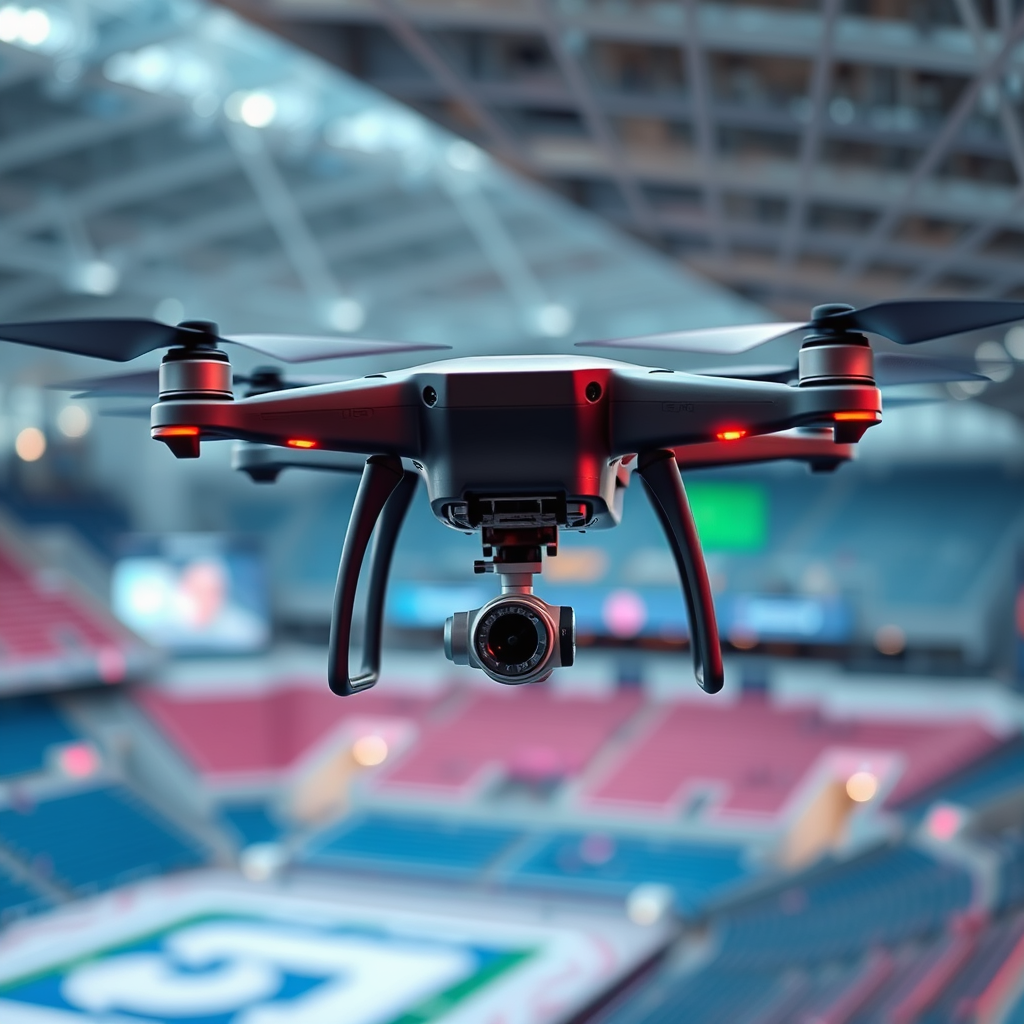
Familiarizing yourself with the Federal Aviation Administration (FAA) regulations is the first step in understanding the legal landscape for drone usage. The FAA governs all drone operations in the United States and has established guidelines that pilots must adhere to, particularly when flying in populated areas such as stadiums. Drones must be flown below 400 feet, and pilots must maintain visual line of sight with their drone at all times.
In addition to federal regulations, state and local laws may impose further restrictions. Some cities have enacted ordinances that specifically prohibit drone flights over public venues, including stadiums, during events. For instance, cities like New York and Los Angeles have strict no-fly zones around major sports arenas. It is vital to check local laws and regulations to avoid fines or other legal repercussions. Some stadiums also have their own rules regarding drone use, which can vary significantly from one venue to another.
Safety Concerns When Flying Drones
Safety is a paramount consideration when flying drones near large crowds. The risks associated with a drone malfunction or loss of control can lead to serious injuries, property damage, or even fatalities. A drone falling from the sky can pose a severe threat to spectators, athletes, and event staff. Moreover, the presence of a drone in the vicinity of a packed stadium can create panic and disrupt the event.
Additionally, drones can interfere with emergency services. In the event of a medical emergency or security incident, a drone in the air can obstruct helicopters or other emergency responders. This interference could delay critical assistance, potentially exacerbating a dangerous situation. Therefore, it is crucial to conduct a thorough risk assessment and consider all safety protocols before attempting to fly a drone over a stadium.
Permissions and Permits Needed
Before flying a drone over a stadium, it is essential to determine if you need special permits. For commercial drone flights, the FAA requires a Part 107 certification, which involves passing a test and adhering to specific operational guidelines. Furthermore, if you plan to use a drone for commercial purposes, you may need to obtain a waiver for operations that do not conform to standard regulations, such as flying over people.
In addition to FAA requirements, obtaining permission from stadium authorities or event organizers is critical. Many stadiums require drone operators to submit an application detailing their proposed flight plan, including the purpose of the flight, equipment being used, and safety measures in place. This process may involve a fee and could take time, so it’s advisable to start early. Engaging with local law enforcement can also be beneficial, as they may have insights into any additional regulations or concerns.
Best Practices for Flying Drones Over Stadiums
To minimize disruption and enhance safety, choosing appropriate times for drone flights is essential. Flying during pre-game festivities or at designated breaks can minimize interference with the event and reduce risks to spectators. Additionally, it is advisable to coordinate with event organizers to determine optimal times for operations.
When flying a drone over a stadium, it is crucial to follow guidelines for altitude and distance from the crowd. Maintaining a safe distance from spectators not only complies with regulations but also reduces the risk of accidents. A standard practice is to fly at least 500 feet away from crowds, though this distance may vary based on specific venue regulations.
Using a spotter to maintain visual contact with the drone can also enhance safety. This person can help monitor the drone’s position and alert the pilot to any potential hazards or changes in the environment, such as sudden weather changes or crowd dynamics.
Technology Considerations for Drone Operations
Investing in drones equipped with advanced safety features is critical for successful operations in challenging environments like stadiums. Drones with GPS capabilities can help ensure accurate positioning and return-to-home functions in case of signal loss. Geofencing technology can prevent drones from entering restricted airspace, which is particularly useful for avoiding no-fly zones around stadiums.
Moreover, having reliable communication equipment is essential for real-time monitoring. Live video feeds can help operators maintain visual contact with their drones, even in crowded environments. Additionally, using drones with obstacle detection systems can further enhance safety by preventing collisions with structures or people.
Alternatives to Flying Drones Over Stadiums
For those seeking aerial photography or videography without the complexities of flying over stadiums, consider alternative methods. Tethered balloons can provide stable aerial views without the risks associated with drones, while cranes offer a solid platform for capturing footage from above. These alternatives can be particularly useful for events where drone use is heavily restricted or prohibited.
Additionally, using drones in less populated areas can yield similar shots without the associated risks. Rural events or outdoor festivals may provide ample opportunities for drone photography without the legal and safety challenges that come with operating in stadiums.
In conclusion, while flying drones over stadiums is possible, it requires careful consideration of regulations, safety, and permissions. Understanding the legal framework established by the FAA and local authorities is essential for compliance. Safety concerns, particularly when flying near large crowds, cannot be overstated, and the proper permissions and permits must be obtained to operate legally. By following best practices and leveraging advanced technology, drone operators can minimize risks and enhance their operational effectiveness. For more insights on drone flying regulations, stay informed and adhere to local guidelines to enjoy a successful drone operation.
Frequently Asked Questions
Can you legally fly drones over stadiums during events?
Legally flying drones over stadiums during events is generally prohibited in many countries, including the United States. The Federal Aviation Administration (FAA) has strict regulations that classify stadiums as “no-fly zones” while events are ongoing, primarily to ensure public safety and security. If you’re considering flying a drone near a stadium, it’s essential to check local regulations and obtain necessary permissions from relevant authorities.
What are the risks of flying drones over stadiums?
Flying drones over stadiums poses significant risks, including the potential for collisions with other aircraft, injury to spectators, and disruption of events. Additionally, the presence of large crowds can create panic and chaos if a drone behaves erratically. These risks are a primary reason for the stringent regulations that prohibit drone flights in these areas, emphasizing the importance of following legal guidelines.
How can I get permission to fly a drone near a stadium?
To obtain permission to fly a drone near a stadium, you must contact the stadium management and consult local aviation authorities like the FAA in the U.S. Some events may have designated media drone operators that can provide access under specific conditions. It’s crucial to submit your request well in advance, provide details about your flight plan, and comply with any safety and operational guidelines they provide.
Why are drones banned over stadiums during large events?
Drones are banned over stadiums during large events primarily due to safety concerns. The risk of a drone malfunctioning, crashing, or causing harm to spectators is significant, given the dense crowd. Additionally, there are security concerns, as drones could potentially be used for malicious purposes. These regulations aim to protect the public and ensure a safe environment during high-attendance events.
What are the best practices for flying drones in areas near stadiums?
If you must fly a drone in areas near stadiums, adhere to best practices such as maintaining a safe distance, respecting no-fly zone boundaries, and flying during non-event times. Always check local regulations, inform nearby authorities of your flight plans, and keep your drone in visual line of sight. Additionally, monitor any temporary flight restrictions that may be in place during events to ensure compliance and safety.
References
- https://en.wikipedia.org/wiki/Drone_regulation
- https://www.faa.gov/uas/resources/policy_library
- https://www.nytimes.com/2021/05/17/us/drone-regulations.html
- https://www.theguardian.com/us-news/2020/jan/21/drones-sports-stadiums-faa
- https://www.npr.org/2021/11/22/1056500199/faa-drone-policing-sporting-events
- https://www.ajc.com/news/atlanta-news/faa-proposes-new-rules-for-drones-in-stadiums/3I4Q2Q2U6FEYBILK63H26XU47E/
- https://www.techdirt.com/articles/20180608/10175440165/faa-releases-new-guidance-on-drones-flying-over-crowded-areas.shtml
- https://www.reuters.com/technology/us-faa-issues-guidance-flying-drones-over-crowds-2021-05-17/
