
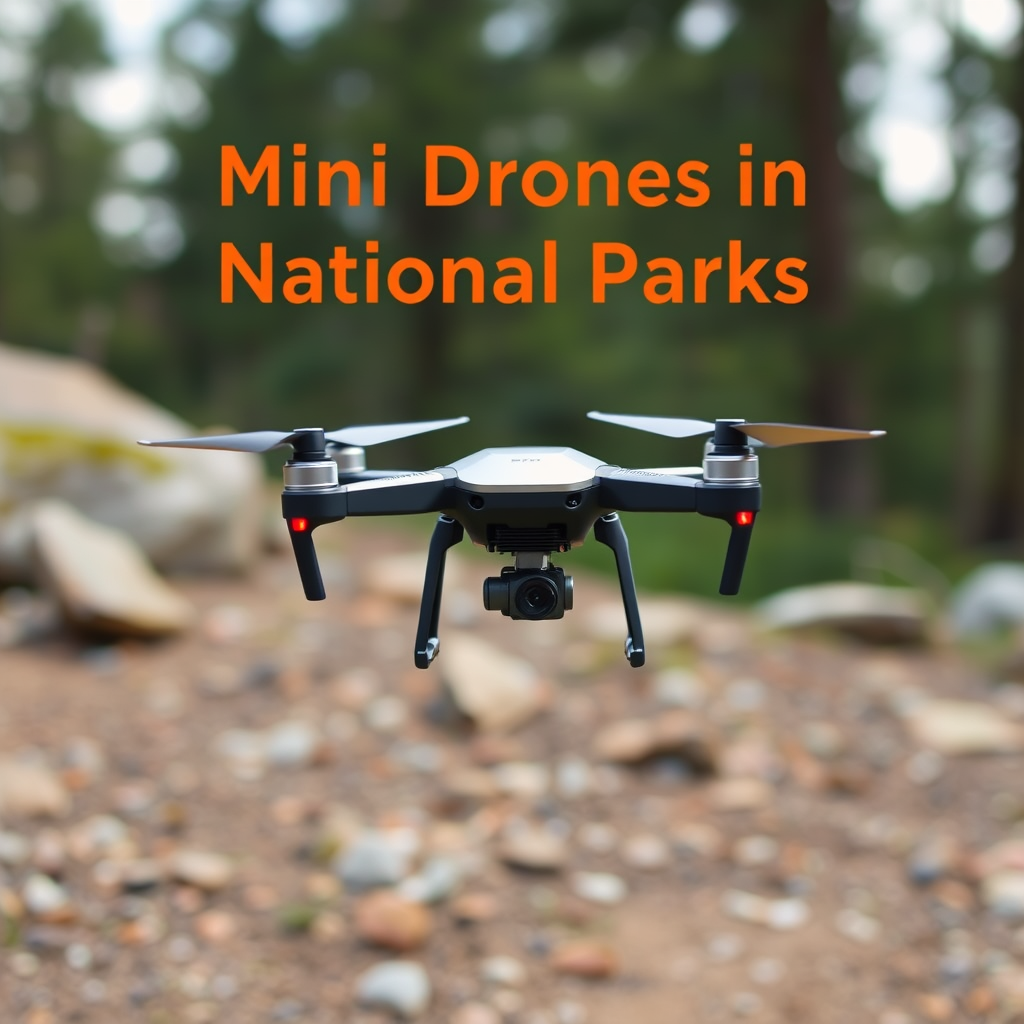
Yes, flying mini drones in national parks is generally prohibited. The National Park Service (NPS) restricts drone use to protect wildlife, preserve the natural landscape, and ensure visitor safety. These regulations are crucial for maintaining the integrity of these cherished environments. In this blog post, we will delve into the specifics of the regulations regarding drone usage in national parks, explore the reasons behind these restrictions, and discuss potential alternatives and exceptions.
Understanding National Park Regulations
The NPS has implemented strict rules against the use of drones in national parks, a policy that has been in place since 2014. The regulations are intended to safeguard both the natural and cultural resources of these protected areas. According to NPS guidelines, flying drones is considered a form of disruptive behavior that can interfere with the park experience for visitors and damage the habitats of wildlife. Violating these rules can lead to hefty fines, legal action, and a potential ban from national parks. The penalties can vary by state and the severity of the violation, with fines reaching up to $5,000 for individuals and $10,000 for organizations.
In addition to the penalties, the NPS emphasizes the importance of these regulations through educational programming. Park rangers often provide information on why these rules are in place, creating a culture of respect for the natural environment. The overarching goal is to foster a safe and serene atmosphere for all visitors while preserving the unique ecosystems that national parks represent.
Reasons for Drone Restrictions
Wildlife Protection
One of the primary reasons for the prohibition of drones in national parks is the potential disturbance to wildlife. Drones can create noise and visual disturbances that may stress animals, disrupt mating behaviors, and displace them from their natural habitats. For instance, nesting birds may abandon their nests if they are frequently disturbed by drone activity. The NPS aims to minimize such disturbances to maintain healthy wildlife populations and ecosystems.
Safety Concerns
In addition to wildlife protection, safety concerns are a critical factor in drone restrictions. Drones can pose risks to visitors and park staff, particularly in crowded areas where a malfunction or collision could result in injury. The potential for accidents increases significantly in remote or rugged landscapes, where retrieval of downed drones can be dangerous. Moreover, the presence of drones can distract park staff from their duties, including wildlife monitoring and search and rescue operations. For these reasons, the NPS prioritizes visitor safety by enforcing strict drone regulations.
Where Can You Fly Drones?
While national parks are off-limits for drone flying, there are various locations outside these protected areas where enthusiasts can legally operate their mini drones. Many state parks, local parks, and private lands have more lenient regulations regarding drone use. For instance, some state parks permit drone flying in designated areas, provided that operators adhere to local guidelines and safety protocols.
Moreover, drone operators should also consider federal regulations set by the Federal Aviation Administration (FAA), which govern all drone operations in the United States. The FAA requires drone operators to register their drones and follow specific operational guidelines, such as flying below 400 feet and maintaining a line of sight with the drone. It is essential for drone pilots to research and understand both state and federal regulations before taking to the skies.
Special Permits and Exceptions
In limited circumstances, special permits may be granted for specific activities involving drones in national parks. For instance, researchers conducting ecological studies or documenting wildlife behavior may seek permission to use drones for data collection. Similarly, filmmakers or commercial photographers may be able to obtain permits for drone use if their work aligns with the goals of the NPS and does not disrupt the natural environment or other visitors.
To pursue a special permit, individuals must submit a detailed proposal to the local park office, outlining the intended use of the drone, potential impacts on wildlife and visitors, and how they plan to mitigate any risks. It is crucial to initiate this process well in advance, as the review and approval timeline can vary significantly between parks. Always check with the specific national park for their unique guidelines and requirements related to drone permits.
Responsible Drone Use Guidelines
For those flying drones in permitted areas, adhering to responsible drone use guidelines is essential to ensure the safety and enjoyment of all. Key principles include:
– Respect Wildlife: Maintain a safe distance from all wildlife to avoid causing stress or disruption. This includes keeping drones away from nesting sites and breeding grounds.
– Follow FAA Regulations: Abide by all FAA guidelines, including registering your drone, flying at appropriate altitudes, and avoiding restricted airspace.
– Stay Clear of Crowds: Avoid flying drones in crowded areas to minimize the risk of accidents and ensure a safe experience for everyone.
– Be Mindful of Noise: Drones can be noisy; operators should be considerate of other visitors seeking a peaceful experience in nature.
– Educate Yourself: Stay informed about local laws and regulations regarding drone usage and be prepared to adapt to changing guidelines.
By following these principles, drone operators can contribute to a safe and enjoyable environment for all visitors while respecting the natural landscape.
Alternatives to Flying Drones
If you’re disappointed by the restrictions on drone flying in national parks, there are numerous alternatives for capturing stunning visuals and enjoying the great outdoors. Here are a few suggestions:
– Photography with Smartphones or Cameras: Many smartphones and traditional cameras offer high-quality photography capabilities. Consider using these tools to capture breathtaking landscapes and wildlife without the need for a drone.
– Hiking and Nature Walks: Engage in hiking or nature walks to experience the beauty of national parks up close. These activities allow for a more intimate connection with the environment and provide ample opportunities for photography.
– Guided Tours: Participate in guided tours that often include expert insights into the park’s ecology, geology, and history. Many tour operators offer unique perspectives and access to off-the-beaten-path locations.
– Wildlife Observation: Consider spending time at designated wildlife observation points. Bring binoculars to enhance your viewing experience and enjoy the sights and sounds of nature without the disruption of drones.
These alternatives not only allow you to appreciate the natural beauty of national parks but also align with conservation efforts to protect these valuable ecosystems.
In conclusion, while flying mini drones in national parks is largely prohibited due to concerns for wildlife, visitor safety, and the preservation of natural landscapes, there are alternatives and specific conditions under which you may seek permission. It is vital to stay informed about local regulations and be mindful of the impact on the environment and fellow visitors. By respecting these guidelines, you can enjoy the outdoors responsibly and contribute to the conservation of these treasured spaces.
Frequently Asked Questions
Can you fly mini drones in national parks?
No, flying mini drones in national parks is generally prohibited. The National Park Service (NPS) has strict regulations against the use of unmanned aircraft systems (UAS) within park boundaries to protect wildlife, preserve natural landscapes, and ensure visitor safety. If you’re considering drone use, it’s crucial to check specific park regulations, as some areas may have designated zones for drone flying.
What are the consequences of flying a drone in a national park?
The consequences of flying a drone in a national park can include hefty fines, confiscation of the drone, and potentially facing criminal charges. The NPS takes violations seriously to maintain the tranquility and safety of the park environment. It’s advisable to adhere to rules and regulations to avoid legal repercussions and ensure the preservation of these natural spaces.
Why are drones banned in national parks?
Drones are banned in national parks primarily to protect wildlife and their habitats, minimize disturbances to visitors, and preserve the natural landscape. The noise produced by drones can disrupt animal behavior and the overall serene experience that national parks offer. Additionally, the risk of accidents and the potential for damage to delicate ecosystems are significant concerns for park authorities.
How can I find out about drone regulations in specific national parks?
To find out about drone regulations in specific national parks, visit the official National Park Service website or the website of the particular park you plan to visit. Each park may have its own set of rules regarding drone use, and the NPS provides detailed information on permitted activities, including any designated areas for drone flying if applicable. Always check for updates before your visit, as regulations can change.
What are the best alternatives to flying drones in national parks?
If you’re looking for alternatives to flying drones in national parks, consider using high-quality cameras or smartphones for photography and videography. Hiking and exploring parks on foot can also provide stunning vistas without the need for aerial views. Additionally, many parks offer guided tours that include unique perspectives on the landscape, allowing you to capture the beauty of nature responsibly and legally.
References
- https://www.nps.gov/subjects/drones/index.htm
- https://www.nps.gov/subjects/drones/faqs.htm
- https://www.nps.gov/subjects/drones/regulations.htm
- https://www.faa.gov/uas/where_to_fly/national_parks/
- https://www.faa.gov/uas/
- https://www.wilderness.org/initiatives/drone-use-wilderness-areas
- https://www.nrdc.org/stories/what-you-need-know-about-drones-national-parks
- https://www.sciencenews.org/article/drones-national-parks-regulations
- https://en.wikipedia.org/wiki/Drone#Regulations_and_laws
