
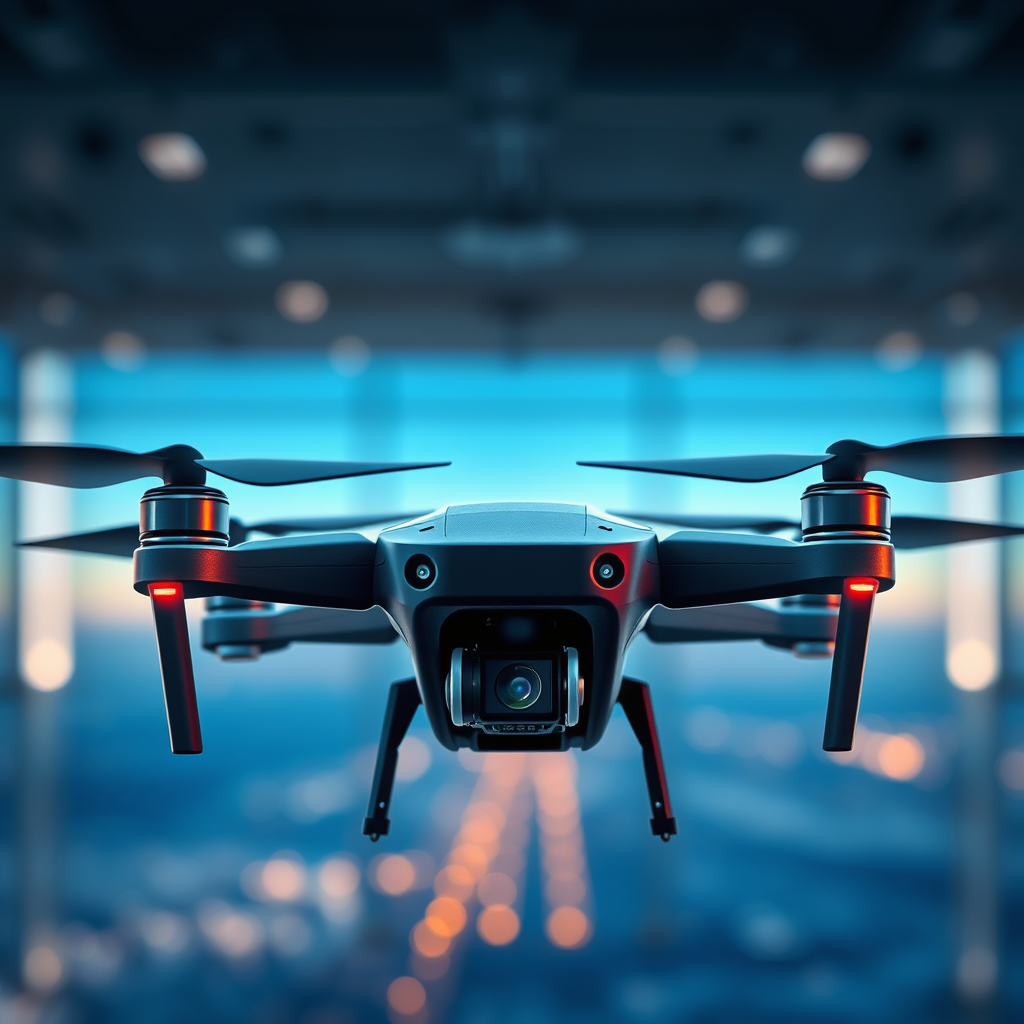
Yes, you can bring a drone on a plane, but there are specific regulations and guidelines you must follow. Understanding airline policies and safety regulations is crucial for a smooth travel experience with your drone. As the popularity of drones continues to rise, it is essential for travelers to be aware of the rules governing drone transport, ensuring compliance with both airline and aviation authorities. This article will provide a comprehensive overview of the necessary steps to take when flying with a drone, covering airline policies, TSA guidelines, and more.
Airline Policies on Drones
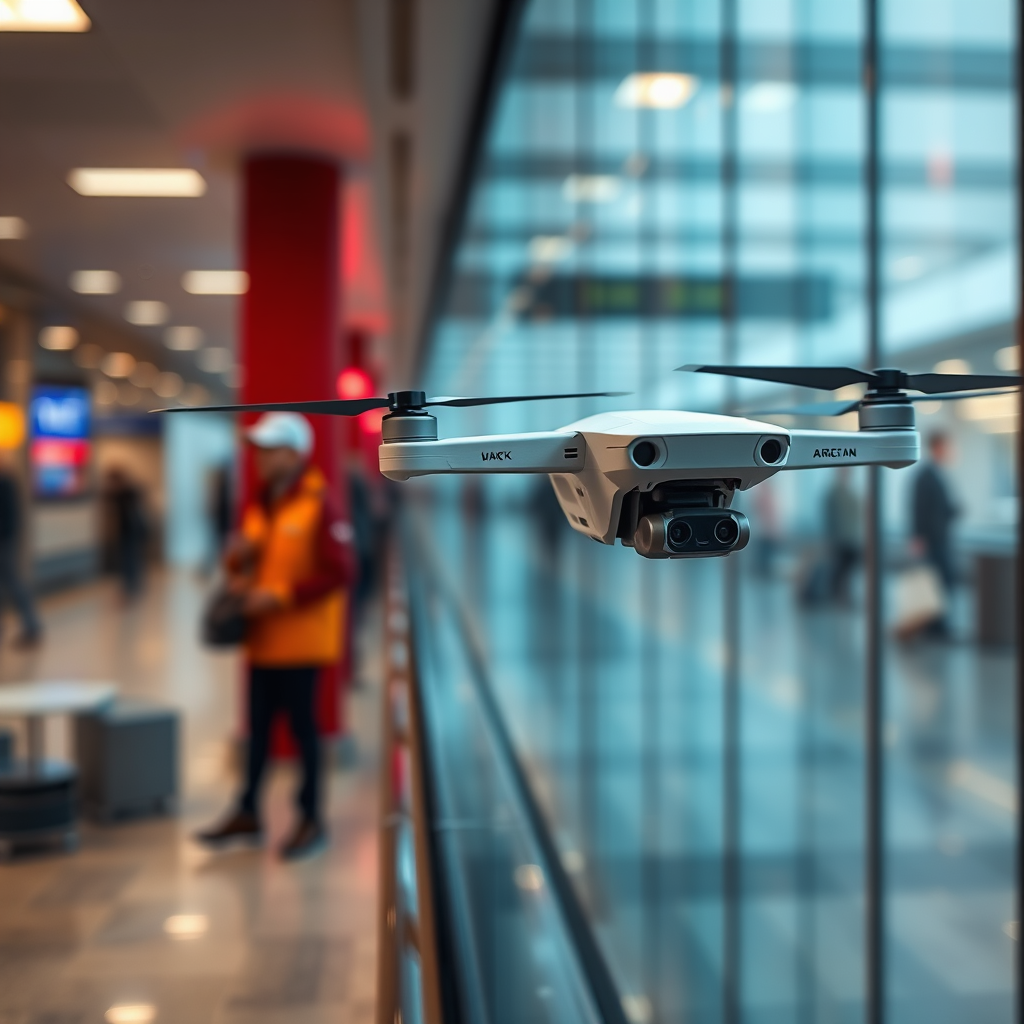
Different airlines have varying rules regarding drone transport, and it’s vital to familiarize yourself with these policies before your trip. Major airlines like American Airlines, Delta, and United have specific guidelines that dictate how and where you can store your drone during the flight. For instance, some airlines may require that drones be transported as carry-on luggage rather than checked baggage to prevent damage and ensure safety.
Always check the airline’s website for specific regulations before you fly. This includes verifying size limitations, weight restrictions, and any additional fees associated with bringing a drone on board. Additionally, it’s wise to confirm whether the airline has any restrictions on flying drones at your destination, as these can differ significantly from one airline to another. By doing this preliminary research, you can avoid potential hassles at the airport and ensure a seamless travel experience.
TSA Guidelines for Drones
The Transportation Security Administration (TSA) allows drones in carry-on luggage, which is often the safest option for transporting these devices. When packing your drone, ensure that it complies with TSA regulations. The TSA requires that all lithium batteries, which are commonly used in drones, must be properly stored and meet specific safety requirements. Batteries should not exceed 100 watt-hours to be carried in your carry-on luggage without special permission.
When traveling with a drone, it’s advisable to keep the batteries in their original packaging or in protective cases designed to prevent short-circuiting. In addition to these storage recommendations, travelers should be prepared to remove their drone and batteries from their bags during the security screening process. By being organized and proactive, you can help ensure that your experience at security checkpoints goes as smoothly as possible.
Traveling Internationally with a Drone
When traveling internationally with a drone, it is your responsibility to research the drone laws of your destination country. Some countries have strict regulations governing the use of drones, which can include registration requirements, specific flight zones, and even bans on drone usage in certain areas. For example, countries like Canada and Australia have comprehensive drone regulations that mandate registration for drones over a certain weight.
Failing to comply with these laws can lead to severe penalties, including fines and confiscation of your drone. It is also important to consider local customs and regulations regarding privacy and airspace, as these can vary significantly from one jurisdiction to another. As a best practice, consult the local aviation authority or a reliable online resource that outlines drone regulations for your destination well in advance of your trip.
Drone Battery Regulations
Lithium batteries must be under a specific watt-hour rating to be carried on planes. Most airlines allow lithium-ion batteries with a maximum rating of 100 watt-hours in carry-on luggage. However, batteries exceeding this limit may require special handling or may not be permitted at all. It’s essential to check both the watt-hour rating and the quantity of batteries you can bring, as some airlines impose limits on the number of spare batteries allowed per passenger.
To mitigate the risk of short-circuiting, keep spare batteries in protective cases. Many drone enthusiasts opt for battery bags designed specifically for air travel, which provide additional safety features. Proper storage not only protects the batteries but also ensures compliance with airline regulations, allowing you to travel with peace of mind.
Tips for Packing Your Drone
When packing your drone, using a padded case is essential to protect your device during travel. Drones can be incredibly delicate, and a well-designed case helps prevent physical damage from impacts and jostling during transit. Look for cases that are specifically made for your drone model, as they will offer tailored protection and compartments for accessories.
Additionally, consider removing props and other removable parts to save space and avoid damage. This approach not only facilitates easier packing but also minimizes the risk of losing small components during your journey. Ensure that all parts are securely packed and that your drone is easily accessible for security checks at the airport.
What to Do at Security Checkpoints
Be prepared to take your drone out of the bag for inspection at security checkpoints. TSA agents may require you to remove your drone and batteries from your carry-on for closer examination. To expedite this process, have your drone and batteries easily accessible, ensuring that they are in a separate bin when going through the X-ray machine.
Being organized can save you time and reduce stress at security checkpoints, allowing you to focus on your travel experience rather than potential delays. If you encounter any issues, remain calm and cooperative with TSA staff, as they are trained to handle such situations.
Best Practices for Flying Drones Post-Travel
Upon arrival at your destination, familiarize yourself with local drone laws before flying. Many regions have specific regulations that dictate where and how you can operate a drone, including restrictions on flying in urban areas or near airports. Always check for no-fly zones and restricted areas to ensure compliance with local laws.
Additionally, consider joining local drone enthusiast groups or forums, as they can provide valuable insights and tips for flying in new locations. Engaging with the local drone community can enhance your experience and ensure that you respect the rules and customs of your destination.
Traveling with a drone can be an exciting adventure if you follow the right protocols. By understanding airline policies and safety regulations, you can enjoy your journey while ensuring your drone complies with all necessary guidelines. Make sure to do your research and be prepared for a hassle-free experience! As you explore new locations with your drone, always prioritize safety and compliance, allowing for unforgettable aerial photography and videography experiences.
Frequently Asked Questions
Can you bring a drone on a plane as carry-on luggage?
Yes, you can generally bring a drone as carry-on luggage when flying on a plane, but it’s essential to check the airline’s specific policies before your flight. Most airlines allow drones in the cabin, but they may have restrictions on battery size and weight. Lithium batteries, which power most drones, must typically be carried in your carry-on bag and not in checked luggage due to safety regulations.
What are the TSA regulations for flying with a drone?
The Transportation Security Administration (TSA) allows passengers to carry drones in their carry-on luggage, but you must comply with regulations regarding lithium batteries. Batteries over 100 watt-hours (Wh) may require special handling, and it’s advisable to keep batteries in their original packaging or in protective cases. Always declare your drone and batteries at security checkpoints to avoid delays.
Are there restrictions on flying drones internationally when traveling by plane?
Yes, there are numerous restrictions and regulations regarding flying drones internationally, and these can vary significantly by country. Before you travel, research the specific drone laws of your destination, including registration requirements and local flying restrictions. Additionally, ensure that your drone complies with the International Air Transport Association (IATA) guidelines for safe transport.
How can I ensure my drone is transported safely on a plane?
To ensure your drone is transported safely on a plane, disassemble it if possible, and use a protective case designed for drones. Keep the drone and its batteries in your carry-on luggage to avoid damage or loss. Additionally, inform the airline staff about your drone during check-in to help mitigate any potential issues.
What should I do if my drone is damaged during air travel?
If your drone is damaged during air travel, report the damage immediately to the airline’s customer service department. Document the damage with photographs and keep all receipts related to the repair or replacement. Many airlines have policies regarding compensation for damaged luggage, so familiarize yourself with these policies before your trip to understand your rights.
References
- https://www.faa.gov/uas/getting_started/registration
- https://www.faa.gov/uas/
- https://www.npr.org/2021/01/09/954150047/what-you-need-to-know-about-flying-drones
- https://www.theguardian.com/technology/2020/nov/24/drone-safety-aircraft-regulations
- https://www.wired.com/story/flying-with-a-drone/
- https://www.ncbi.nlm.nih.gov/pmc/articles/PMC6610134/
- https://www.airlines.org/drones-airlines/
- https://www.transportation.gov/briefing-room/blogs/what-you-need-know-about-drones-air-travel
