
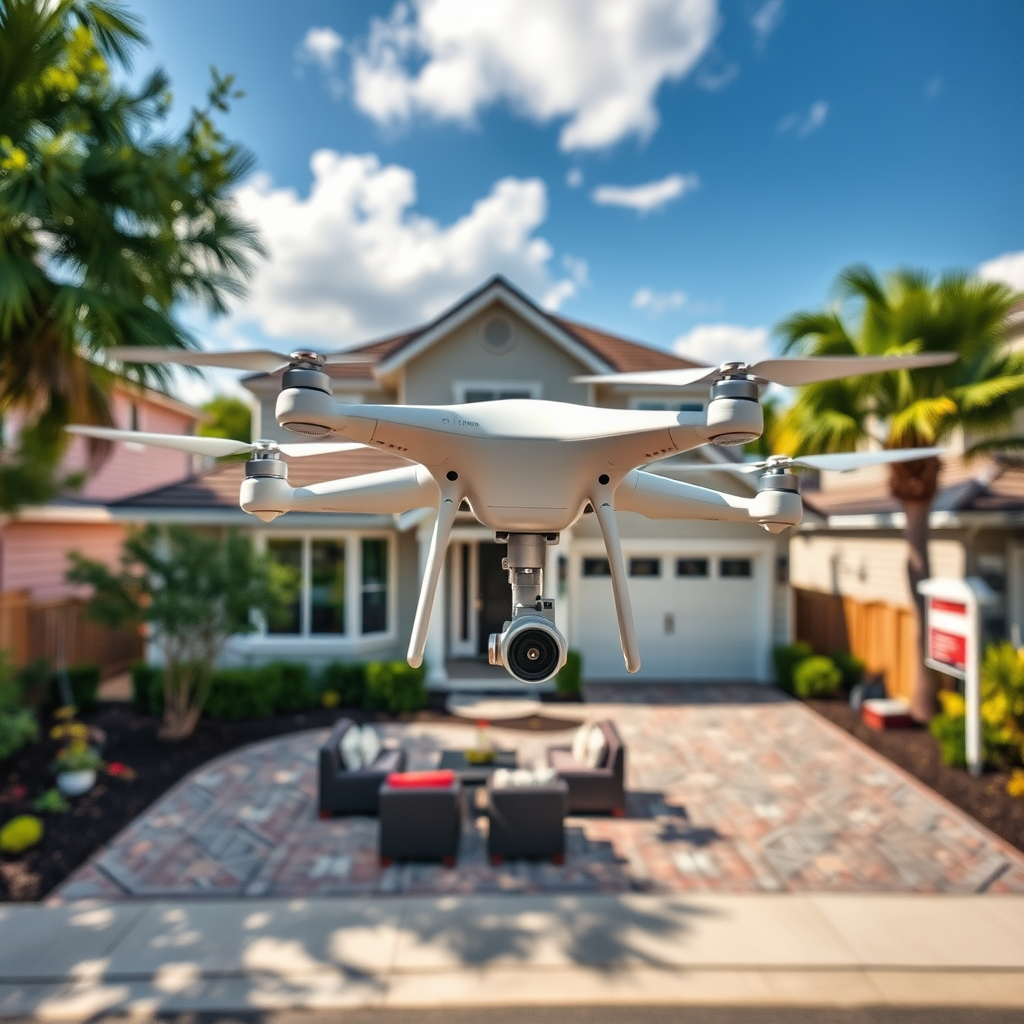
Yes, you can fly over private property with a drone, but there are important legal and ethical considerations to keep in mind. Understanding these factors is crucial for responsible drone usage and can help prevent conflicts with property owners. As drone technology becomes more accessible, it is vital for operators to be informed about the rights and responsibilities that come with flying a drone over someone else’s land.
Understanding Airspace Regulations
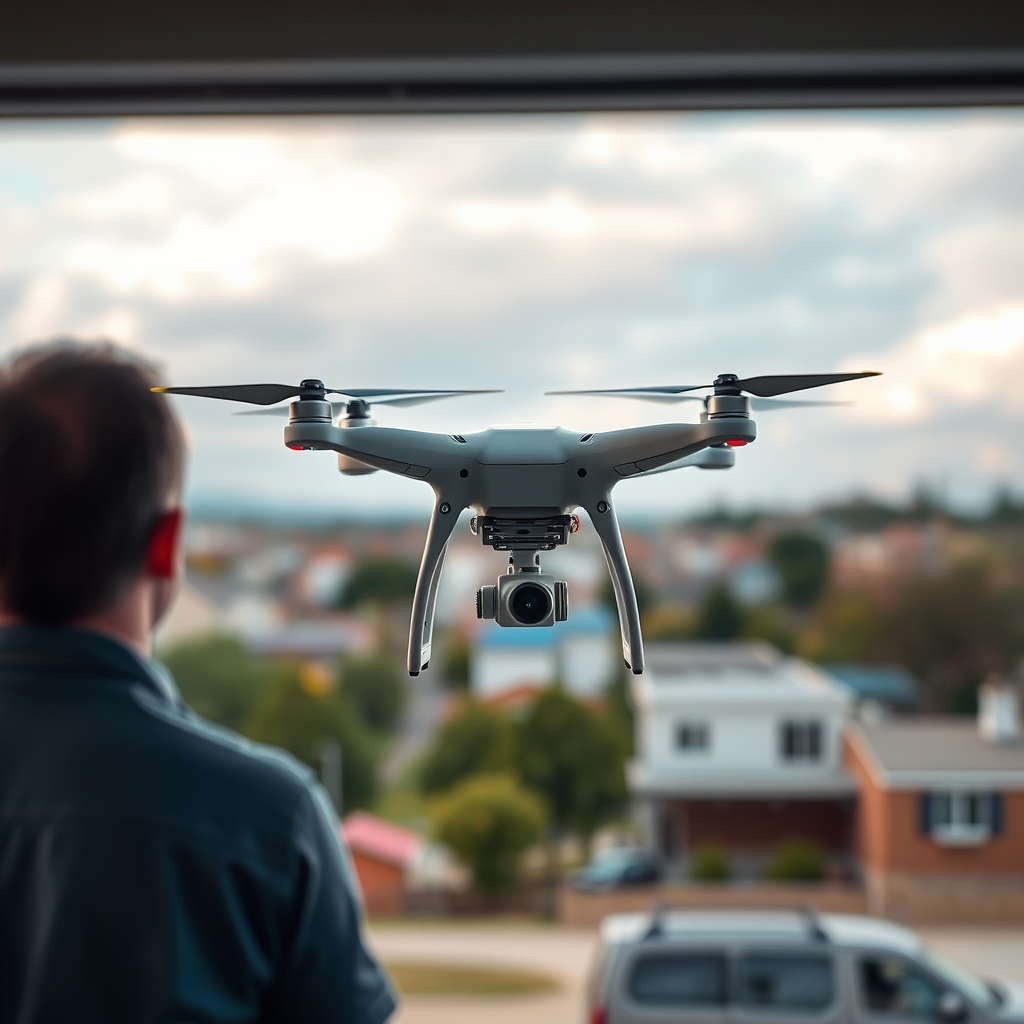
The Federal Aviation Administration (FAA) plays a significant role in regulating airspace in the United States, including the operation of drones. According to FAA guidelines, drones are allowed to fly in most airspace, provided they adhere to established regulations. However, it is essential to recognize that property owners have rights to the airspace above their property, although these rights can vary by local laws.
Generally, the FAA designates that airspace begins at 500 feet above ground level, meaning that flying a drone at or below this altitude could potentially infringe upon a property owner’s rights. However, the legal interpretation of airspace rights can differ significantly from state to state. For instance, some states may recognize a property owner’s rights up to the “navigable airspace,” while others may have more lenient definitions. Therefore, drone operators must research local regulations to ensure compliance.
Legal Considerations
Familiarizing yourself with local drone laws is essential, as they can differ widely depending on the state or municipality. For example, some cities have enacted specific ordinances that restrict drone flights in urban areas or near sensitive locations, such as schools or hospitals. As a drone operator, it is your responsibility to stay informed about these regulations to avoid legal repercussions.
Additionally, trespassing laws may come into play if your drone captures images or videos that invade a person’s privacy. In many jurisdictions, flying a drone over private property can be viewed as trespassing if it results in the invasion of privacy, especially if the drone is used to capture images of individuals without their consent. It’s not only about legality; respecting these laws reflects ethical drone operation and builds trust within the community.
Privacy Issues
Respecting the privacy of property owners is a critical aspect of responsible drone operation. While drones have the capability to capture stunning aerial imagery and video, using this technology to record individuals or their property without consent can lead to significant legal disputes. In many states, filming or surveilling individuals without their permission could be considered an invasion of privacy, resulting in civil liability or even criminal charges.
To illustrate, a case in California highlighted this issue when a homeowner sued a drone operator for capturing video footage of their backyard without permission. The court ruled in favor of the homeowner, emphasizing the importance of consent in private property matters. Thus, drone operators should always be mindful of the potential privacy implications and ensure they have the necessary permissions before capturing any footage over private property.
Best Practices for Drone Operation
To foster a positive flying experience and maintain good relationships with property owners, consider implementing the following best practices:
1. Notification: Whenever possible, notify property owners before flying over their land. A simple conversation can go a long way in alleviating concerns and establishing trust.
2. Safe Altitude: Keep your drone at a safe altitude, ideally above 400 feet, to minimize disturbances to both people and animals on the ground. This also helps to maintain compliance with FAA regulations.
3. Avoid Sensitive Areas: Be mindful of flying over private property that may be sensitive or controversial, such as homes, schools, or places of worship. These locations often have heightened privacy concerns, and avoiding them can prevent unnecessary conflicts.
4. Educate Yourself: Stay updated on drone technology and regulations by attending workshops, webinars, or local drone meetups. The more informed you are, the more responsible your flying will be.
By adhering to these best practices, drone operators can enjoy their hobby or profession while respecting the rights and privacy of others.
Exceptions and Special Cases
While it is generally permissible to fly over private property, certain exceptions and special cases may apply. For instance, no-fly zones, which include areas around airports and government buildings, prohibit drone flights altogether. Additionally, local authorities may impose specific restrictions on drone flights due to safety concerns or special events, such as festivals or parades.
Commercial drone operators, in particular, must navigate a more complex regulatory landscape. They may need to obtain special permits to fly in restricted areas or to conduct commercial activities, such as aerial photography or surveying. For example, a commercial drone operator planning to capture real estate footage might need to provide proof of insurance and obtain a waiver if flying near a no-fly zone. Understanding these nuances is vital for successful drone operations.
Community Guidelines and Ethical Considerations
Joining local drone clubs or communities is an excellent way to stay informed about etiquette and best practices in your area. Many communities have established guidelines that promote responsible flying and encourage respectful interactions with property owners. Engaging with fellow drone enthusiasts can provide valuable insights and help you navigate any challenges that may arise.
Moreover, consider the impact of your drone activities on the neighborhood. Be aware of noise levels, especially in residential areas, and strive to minimize disturbances. Building good relationships with residents can foster a supportive environment for your drone activities. If neighbors express concerns, listen to their feedback and adjust your flying habits accordingly.
By prioritizing community engagement and ethical considerations, you can contribute to a positive perception of drones and enhance the overall experience for everyone involved.
In conclusion, while flying over private property with a drone is generally permissible within regulatory guidelines, it is essential to be aware of legal restrictions and ethical considerations. Researching local laws, respecting privacy, and communicating with property owners are crucial steps for responsible drone operation. By prioritizing these aspects, drone operators can ensure a positive flying experience and build a respectful relationship with the communities in which they operate.
Frequently Asked Questions
Can I fly my drone over my neighbor’s private property without permission?
No, flying a drone over your neighbor’s private property without permission can lead to potential legal issues. In the United States, property owners have a right to the airspace above their land, typically extending to the height of their property. To avoid any disputes or legal complications, it’s best to ask for permission before flying over someone else’s property.
What are the laws regarding drone flights over private property?
Drone laws vary by country and sometimes by state or region, but generally, the Federal Aviation Administration (FAA) in the U.S. allows drone pilots to fly in uncontrolled airspace, which includes flying over private property. However, local regulations may impose restrictions, so it’s crucial to check both federal and local laws, as well as any specific ordinances that might apply to drone operations in residential areas.
How can I avoid conflicts when flying a drone near private property?
To avoid conflicts when flying a drone near private property, it’s advisable to communicate with neighbors beforehand, informing them about your intentions and the purpose of your flight. Additionally, flying at a higher altitude can help minimize any concerns about privacy, and adhering to the FAA’s guidelines regarding drone operation can help ensure a respectful and lawful flying experience.
Why is it important to respect private property when flying a drone?
Respecting private property when flying a drone is important to maintain good neighborly relations and to avoid legal repercussions. Infringing on someone’s airspace can be seen as an invasion of privacy, leading to complaints or even lawsuits. Understanding and respecting property boundaries helps foster a positive community environment and ensures that drone enthusiasts can continue to enjoy their hobby without conflict.
What should I do if my drone unintentionally flies over private property?
If your drone unintentionally flies over private property, it’s best to land the drone as soon as it is safe to do so and avoid hovering or capturing images over the property. If you are approached by the property owner, calmly explain the situation and express your intent to avoid any further issues. Being open and respectful can help mitigate any concerns they may have and lead to a more amicable resolution.
References
- https://www.faa.gov/uas/
- https://www.nolo.com/legal-encyclopedia/drone-laws-flying-over-private-property-32302.html
- https://www.nerdwallet.com/article/investing/drone-laws
- https://www.privacyrights.org/resources/drone-privacy
- https://www.theguardian.com/technology/2016/jun/22/drone-laws-fly-over-private-property
- https://www.abc.net.au/news/2021-01-26/drones-flying-over-private-property-law/13072614
- https://www.wired.com/story/drones-property-rights/
- https://www.usatoday.com/story/tech/2021/03/29/drone-flying-rules-tips/6974058002/
