
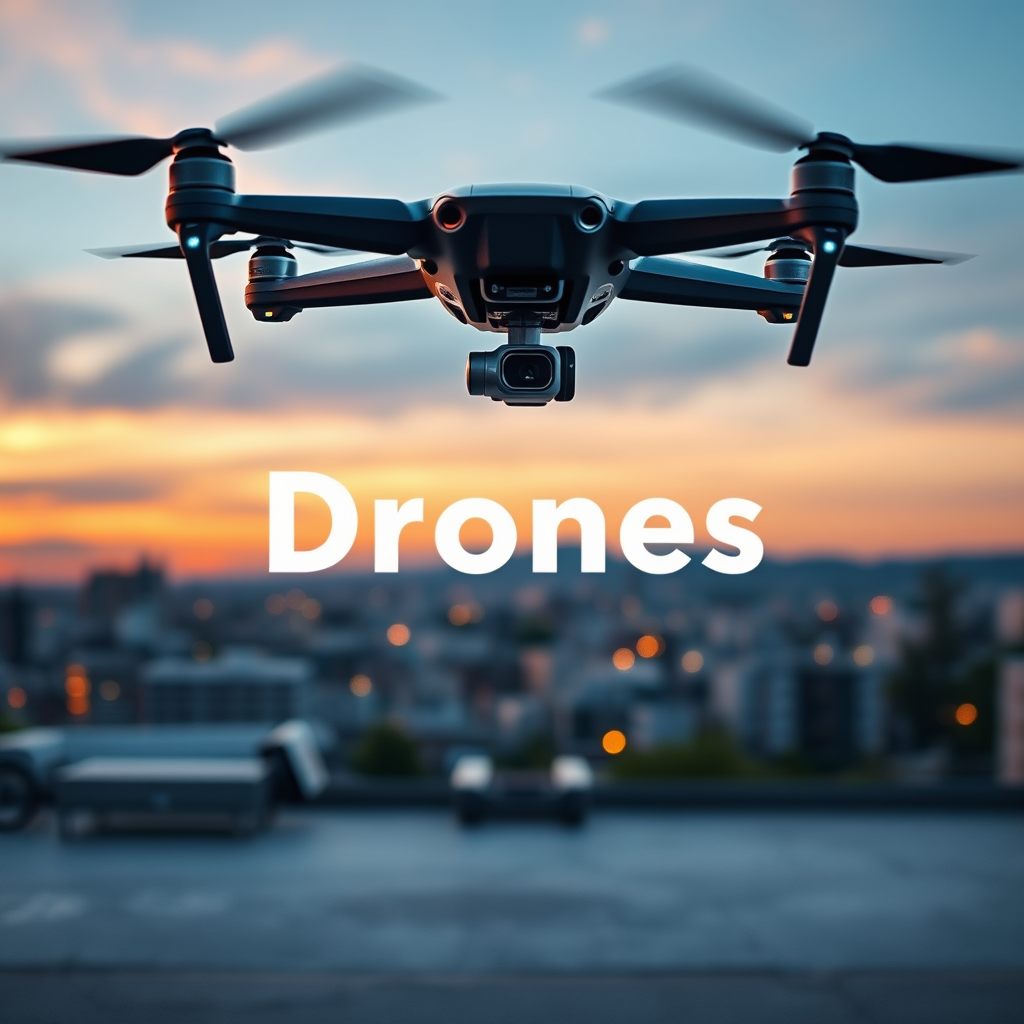
Yes, you can fly with drones, but there are specific regulations and guidelines you need to follow. As the popularity of drone technology skyrockets, understanding how to navigate the legal and practical aspects of flying drones is essential for both hobbyists and professionals. This article will explore the essential aspects of flying drones, including legal considerations, safety tips, and technical requirements, ensuring a comprehensive grasp of this exciting field.
Understanding Drone Regulations
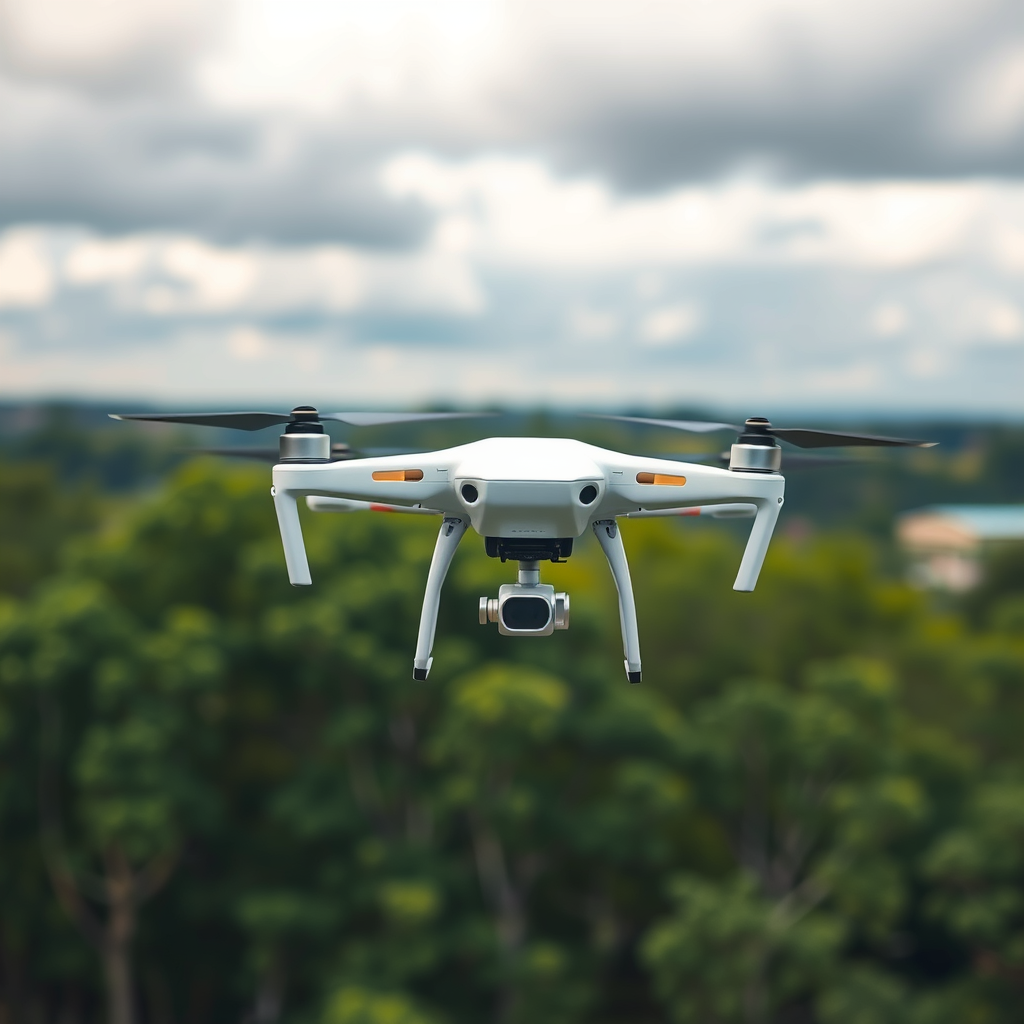
Flying a drone is governed by specific regulations set forth by the Federal Aviation Administration (FAA) in the United States. These regulations are designed to ensure safety in the national airspace system and to protect the rights of others. For any drone pilot, understanding these regulations is crucial.
One of the primary requirements is that all drones weighing more than 0.55 pounds must be registered with the FAA. This registration process is straightforward, requiring the drone owner to provide basic information and pay a nominal fee. Registration not only helps in tracking and accountability but also signifies that the pilot acknowledges their responsibilities while operating a drone. Additionally, drone pilots must adhere to operational guidelines, such as flying below 400 feet, maintaining visual line-of-sight with the drone, and avoiding restricted airspace, such as near airports and military bases.
The FAA also distinguishes between recreational and commercial drone use, with specific rules applicable to each. For instance, commercial drone pilots must obtain a Remote Pilot Certificate, which involves passing a knowledge test and demonstrating an understanding of airspace regulations.
Types of Drones and Their Uses
Drones come in various shapes and sizes, each designed for specific purposes. Understanding the types of drones available is fundamental for choosing the right one for your needs.
1. Consumer Drones: These are typically used for recreational purposes. They are user-friendly and often equipped with cameras, making them ideal for aerial photography and videography. Popular models include the DJI Mavic and the Parrot Anafi.
2. Commercial Drones: These drones are used in various industries, including agriculture, construction, and real estate. For example, drones like the DJI Phantom 4 RTK are used for precision agriculture to monitor crop health, while others assist in surveying land for construction projects.
3. Racing Drones: Designed for speed and agility, racing drones are built for competitive flying. They are lightweight and can achieve high speeds, making them popular in drone racing leagues. Brands like Fat Shark and ImmersionRC cater specifically to the racing community.
Each category of drones has unique applications, with consumer drones often focusing on leisure activities, while commercial drones offer advanced functionalities for specific industry needs, such as surveying and mapping.
Safety Tips for Flying Drones
Safety is paramount when flying drones. Pilots should always conduct pre-flight checks to ensure their drone is fully functional. This includes checking battery levels, ensuring propellers are secured, and testing controls before takeoff.
Moreover, when flying in public areas or near people, it is crucial to maintain a safe distance and be mindful of privacy concerns. The FAA recommends keeping drones at least 25 feet away from individuals who are not involved in the operation. Additionally, pilots should avoid flying over crowds and respect the privacy of others, which can help prevent potential legal issues.
Being aware of weather conditions is another essential safety tip. Windy or rainy conditions can significantly impact drone performance and control. Pilots should avoid flying in adverse weather to reduce the risk of accidents.
Choosing the Right Location to Fly
Selecting a suitable location for flying your drone involves considering several factors, including airspace restrictions and local laws. Before flying, pilots should consult resources like the FAA’s B4UFLY app, which provides information about airspace classifications and any temporary flight restrictions in the area.
Local laws may vary significantly, with some municipalities imposing additional regulations on drone use in public parks or residential areas. Researching these local laws is vital to avoid fines or legal trouble.
For recreational flying, parks and open fields often provide ideal conditions. Areas with fewer obstacles and lower population density enhance safety and enjoyment. Additionally, some drone clubs and organizations host events in designated flying areas, offering a community aspect to the hobby.
Technical Skills Required for Flying Drones
Mastering the technical skills of flying drones is essential for both safety and performance. Beginners should focus on the basic piloting skills, including takeoff, landing, and maneuvering.
Pilots need to familiarize themselves with the drone’s controls, which typically include throttle, yaw, pitch, and roll. Understanding how these controls work in conjunction with one another is crucial for smooth operation. Many drones come equipped with features like GPS stabilization, which simplifies flight for beginners, but it is still important to practice manual flying skills.
As pilots gain confidence, they should explore advanced techniques like flying in different orientations, performing flips, and capturing aerial footage creatively. This progression will enhance their overall flying experience and capabilities.
Maintenance and Care for Your Drone
Proper maintenance is vital for prolonging the life of your drone and ensuring optimal performance. Regular inspections should be conducted to check for wear and tear on propellers, motors, and electronic components.
Battery care is particularly important, as they are often the most susceptible to damage. Pilots should avoid overcharging batteries and should store them in a cool, dry place. Additionally, following the manufacturer’s guidelines for charging cycles can help prolong battery life.
Software updates are another critical aspect of drone maintenance. Manufacturers frequently release updates to improve functionality and address security vulnerabilities. Regularly updating the drone’s firmware ensures that pilots are taking advantage of the latest features and enhancements.
Resources for Aspiring Drone Pilots
For those looking to delve deeper into the world of drones, numerous resources are available. Online courses can provide valuable information on drone operation, regulations, and industry-specific applications. Websites like Udemy and Coursera offer courses tailored to different skill levels.
Joining online communities, such as forums and social media groups, can also provide support and camaraderie among drone enthusiasts. These platforms allow pilots to share experiences, ask questions, and learn from one another.
Moreover, utilizing apps designed for flight planning and airspace awareness can greatly enhance the flying experience. Apps like AirMap and DroneBuddy help pilots navigate airspace, plan flights, and stay informed about local regulations.
In conclusion, flying drones is an exciting hobby and profession, but it comes with responsibilities. By understanding regulations and best practices, you can ensure a safe and enjoyable flying experience. If you’re considering flying a drone, start by researching local laws and joining a community of drone enthusiasts for guidance. With the right knowledge and preparation, you can unlock the full potential of this fascinating technology.
Frequently Asked Questions
What are the regulations for flying drones in the United States?
In the United States, the Federal Aviation Administration (FAA) regulates drone flights under specific rules. Recreational drone users must register their drones weighing over 0.55 pounds and adhere to guidelines such as flying below 400 feet, keeping the drone within visual line of sight, and avoiding restricted airspace. Commercial drone operators must obtain a Part 107 certification, which involves passing a knowledge test and following additional operational rules.
How can I ensure my drone is safe to fly?
To ensure your drone is safe to fly, perform a pre-flight checklist that includes checking the battery levels, inspecting the propellers for damage, and confirming that the GPS and software are updated. Additionally, familiarize yourself with the area you plan to fly in, checking for obstacles and environmental conditions that may affect your flight, such as weather changes and wildlife.
Why is it important to know the no-fly zones for drones?
Knowing no-fly zones is crucial for drone operators to avoid legal issues and ensure safety. No-fly zones are areas where drone flights are restricted, such as near airports, military bases, and certain public events. Violating these restrictions can lead to hefty fines, legal repercussions, and compromised safety for manned aircraft and people on the ground.
What is the best way to fly a drone for beginners?
The best way for beginners to fly a drone is to start with a model designed for novice pilots, which typically includes features like altitude hold and one-key takeoff/landing. Additionally, practicing in an open, unobstructed area away from people and obstacles can help build confidence. Utilizing flight simulators and taking online tutorials can also provide valuable insights and improve piloting skills before flying in real-world conditions.
Which drones are recommended for travel?
When choosing a drone for travel, look for lightweight, foldable models that are easy to pack and carry. Popular options include the DJI Mini 2 and the Autel Robotics EVO Lite, both known for their compact design and excellent camera capabilities. Additionally, consider battery life, ease of use, and the drone’s ability to connect to your smartphone for seamless operation, all of which enhance the travel experience.
References
- https://en.wikipedia.org/wiki/Drone_flying
- https://www.faa.gov/uas/
- https://www.nytimes.com/2021/01/11/us/drone-regulations.html
- https://www.nasa.gov/centers/dryden/pdf/88158.pdf
- https://www.bbc.com/news/technology-58102225
- https://www.nap.edu/catalog/25581/assessing-the-future-of-drones-in-the-us
- https://www.safewise.com/resources/drone-safety/
