
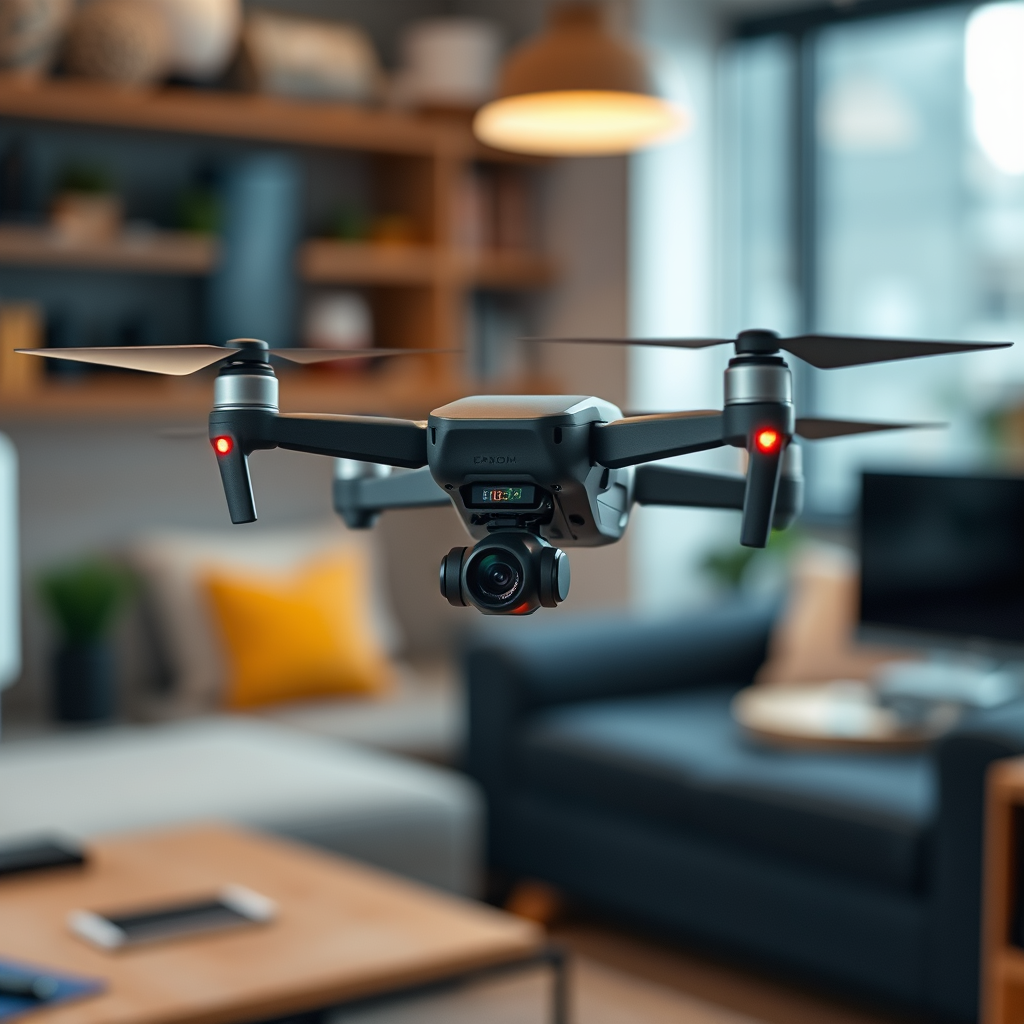
Yes, you can program a drone using various methods and tools. The growing interest in drone technology has led to an increasing number of individuals and organizations seeking to harness their capabilities through programming. Whether for hobbyist projects, commercial applications, or research, understanding how to program a drone can significantly enhance its functionality and versatility. This article explores the different approaches to drone programming, essential programming languages, tools you can use, and some practical applications that highlight the impact of this technology.
Understanding Drone Programming Basics
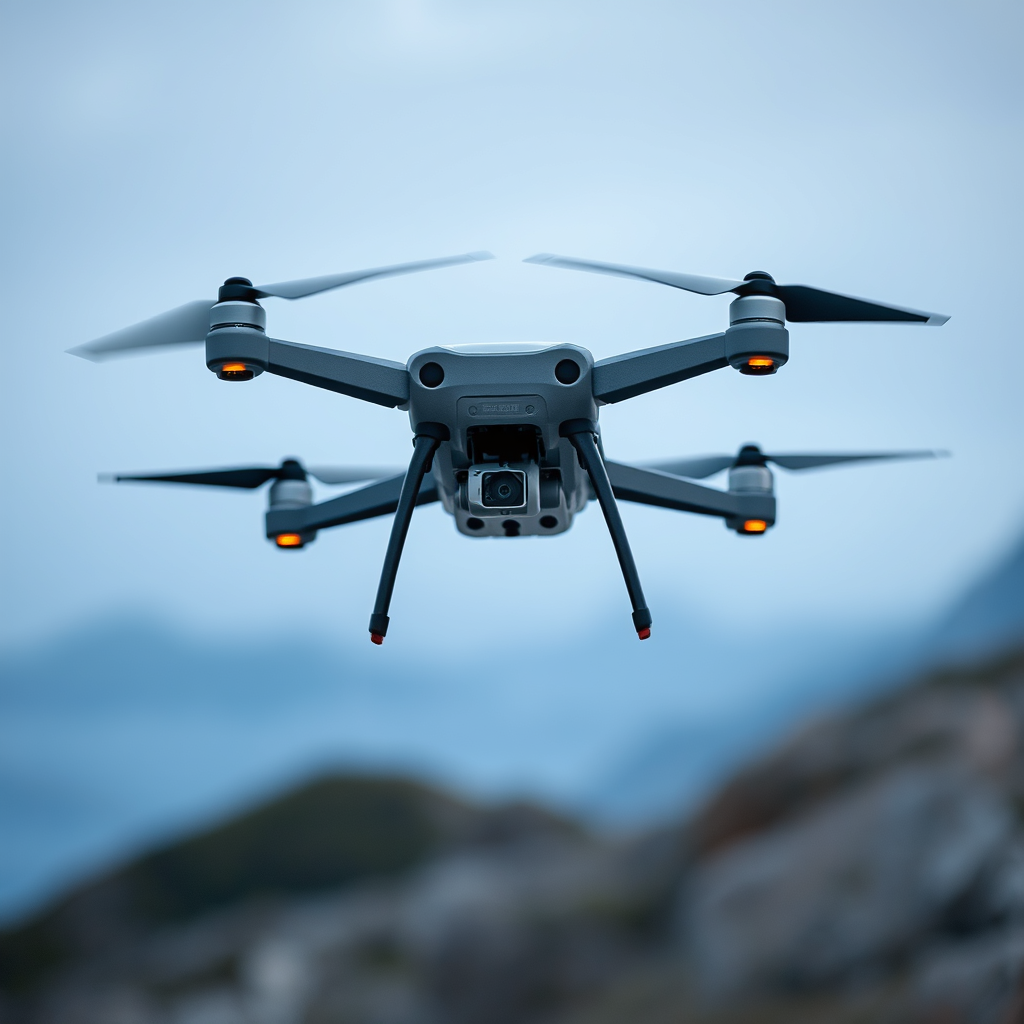
Drones can be programmed for specific tasks such as following predetermined flight paths, executing automated maneuvers, and performing complex aerial tasks. By learning the basics of drone programming, individuals can unlock the potential of their devices, allowing for customized flight operations and enhanced control. Basic programming skills are essential in this regard, as they enable users to modify existing drone software or even create their own from scratch.
At its core, programming a drone involves understanding its hardware and software components. Most drones operate using a flight controller, which interprets commands from the pilot or an onboard computer. By integrating programming skills, users can manipulate flight parameters, sensor data, and even communication protocols, leading to more sophisticated and tailored applications. Understanding concepts such as APIs (Application Programming Interfaces) and firmware can further empower programmers to create innovative solutions.
Popular Programming Languages for Drones
When it comes to programming drones, certain programming languages stand out due to their ease of use, efficiency, and the support they provide for various drone applications.
– Python is widely favored in the drone programming community for its simplicity and extensive libraries. Libraries such as DroneKit allow programmers to interact with the drone’s autopilot systems easily. Python’s readability makes it accessible for beginners while offering advanced features for seasoned developers. This versatility has made Python a go-to choice for developing scripts that control flight paths or process sensor data.
– C++ is another predominant language in drone programming, particularly for applications that require real-time processing and performance-critical operations. Many flight controllers, including popular open-source platforms like ArduPilot, are developed in C++. The language allows for fine-tuning of system resources and memory management, which is crucial for achieving optimal performance in aerial maneuvers.
Other languages like Java and JavaScript are also used in specific contexts, particularly for web-based drone control applications. The choice of programming language often depends on the specific requirements of the drone system being developed and the developer’s familiarity with the language.
Tools and Platforms for Drone Programming
To effectively program drones, various tools and platforms can facilitate the development process, making it more streamlined and efficient.
– DroneKit and MAVSDK are popular open-source frameworks that provide high-level abstractions for drone programming. DroneKit enables users to write Python scripts that control drones with ease, while MAVSDK provides APIs for multiple programming languages, including C++, Python, and Go. Both frameworks support popular autopilot systems, making them versatile choices for developers.
– Integrated Development Environments (IDEs) like PyCharm and Visual Studio Code offer powerful features for coding, debugging, and testing drone software. These IDEs support syntax highlighting, code completion, and integration with version control systems, enhancing the overall development experience. By utilizing these tools, programmers can write cleaner, more efficient code while minimizing errors.
In addition, simulation tools such as Gazebo and AirSim provide a virtual environment to test drone code safely before deploying it in real-world scenarios. This simulation capability is invaluable for debugging and refining algorithms without the risk of damaging hardware.
Practical Applications of Drone Programming
The potential applications of drone programming are vast and varied, reflecting the versatility of drone technology across different industries.
– Aerial Photography and Videography: Drones equipped with cameras can be programmed to capture images or videos from specific angles and heights, making them invaluable in fields like real estate, film production, and event coverage. Advanced flight patterns can be programmed to create cinematic shots that would be challenging to achieve manually.
– Mapping and Surveying: Drones are increasingly used for aerial mapping and surveying due to their ability to cover large areas efficiently. By programming drones to follow specific flight paths and capture geospatial data, professionals in agriculture, construction, and environmental monitoring can generate accurate maps and conduct land assessments.
– Surveillance and Security: Drones can be programmed to autonomously patrol areas, providing real-time surveillance for security purposes. They can be equipped with sensors to detect motion or specific activities, offering organizations enhanced security measures without the need for constant human oversight.
– Autonomous Delivery Systems: Companies like Amazon and Google are exploring drone delivery systems that involve programming drones to navigate and deliver packages to customers. This emerging field showcases the potential for drones to revolutionize logistics and supply chain management.
– Agricultural Monitoring: Drones can be programmed to monitor crop health and assess irrigation needs by capturing multispectral images. This capability allows farmers to make informed decisions, optimize resource use, and improve crop yields.
Learning Resources for Aspiring Drone Programmers
For those eager to delve into the world of drone programming, numerous resources can help build foundational knowledge and skills.
– Online Courses and Tutorials: Platforms such as Udemy and Coursera offer structured learning paths, ranging from beginner to advanced courses on drone programming. These courses often include hands-on projects that provide practical experience in coding and operating drones.
– Community Forums and Documentation: Engaging with community forums like the DroneCode community or the ArduPilot discussion groups can provide valuable insights from experienced programmers. Additionally, thorough documentation provided by drone manufacturers can help users understand specific hardware features and programming capabilities.
– Books and Publications: Several books cover drone programming and development, offering deeper insights into the technical aspects of drones and their applications. These resources can be beneficial for those looking to specialize or gain a more comprehensive understanding of the field.
Safety and Legal Considerations
While programming a drone offers exciting opportunities, it is crucial to adhere to safety guidelines and legal regulations to ensure responsible use.
– Compliance with Local Regulations: Different countries have varying regulations governing drone operations. It is essential to familiarize yourself with these laws to avoid legal repercussions. In the United States, for example, the FAA has specific guidelines regarding drone usage, including altitude limits and no-fly zones.
– Implementing Fail-Safes: Programmers should incorporate fail-safes into their code to prevent accidents. This could include automatic return-to-home features in case of signal loss or battery failure. Such precautions are vital for ensuring the safety of both the drone and its surroundings.
– Ethical Considerations: As drones become more capable, ethical considerations regarding privacy and safety become increasingly relevant. Programmers should be mindful of how their creations impact individuals and communities, striving to use drone technology responsibly.
In conclusion, programming a drone is not only possible but also opens up a world of possibilities for innovation and creativity. Understanding the basics of drone programming, the languages and tools available, and the wide range of practical applications can empower individuals to leverage this technology effectively. As you explore the resources mentioned, you will enhance your skills and embark on an exciting journey into the realm of drone programming, whether for personal passion or professional development.
Frequently Asked Questions
What programming languages can I use to program a drone?
You can program a drone using several programming languages, with Python, Java, and C++ being the most popular. Python is favored for its simplicity and extensive libraries, making it ideal for beginners. C++ is often used for performance-critical applications, while Java can be used for Android-based drones, allowing for a range of functionalities and controls.
How do I start programming a drone for autonomous flight?
To start programming a drone for autonomous flight, you will need to familiarize yourself with the drone’s SDK (Software Development Kit) and programming environment. Begin by selecting a compatible drone that supports programming, such as those from DJI or Parrot. You can then write scripts using languages like Python or C++, utilizing libraries that support flight control and navigation, and gradually implement features like waypoints, obstacle avoidance, and automated maneuvers.
Why should I program my drone instead of using pre-built software?
Programming your drone allows for customization and the ability to tailor functionalities specifically to your needs, which might not be possible with pre-built software. This is particularly beneficial for developers and hobbyists interested in exploring advanced features such as custom flight paths, data collection, or integration with other systems. Additionally, coding your own solutions can provide a deeper understanding of drone operation, enhancing your skills in robotics and aerodynamics.
What are the best drones for programming beginners?
The best drones for programming beginners include the DJI Tello, Parrot Mambo, and the Ryze Tello EDU. These models are user-friendly, come with comprehensive support documentation, and often have SDKs that make programming accessible. Additionally, they are relatively affordable, making them perfect for experimentation and learning without a significant financial investment.
Which platforms provide resources for drone programming?
Several platforms provide excellent resources for drone programming, including GitHub, DroneCode, and the official websites of drone manufacturers like DJI and Parrot. These platforms offer open-source code repositories, tutorials, and community forums where you can learn from other developers. Online courses on platforms like Udacity and Coursera also provide structured learning paths for drone programming, often covering both theoretical and practical aspects.
References
- https://en.wikipedia.org/wiki/Drone_programming
- https://www.nasa.gov/audience/forstudents/5-8/features/nasa-knows/what-is-a-drone-58.html
- https://www.faa.gov/uas/getting_started/
- https://www.sciencedirect.com/topics/engineering/drone-programming
- https://www.ntu.edu.sg/home/yangzheng/teaching/courses/DRONE/
- https://www.societyofrobots.com/robot_drone_programming/
- https://www.roboticsbusinessreview.com/education/drone-programming-resources-for-beginners/
- https://www.theguardian.com/technology/2020/sep/01/drones-future-technology-uses
- https://www.researchgate.net/publication/327424901_Programming_drones_for_autonomous_navigation
