
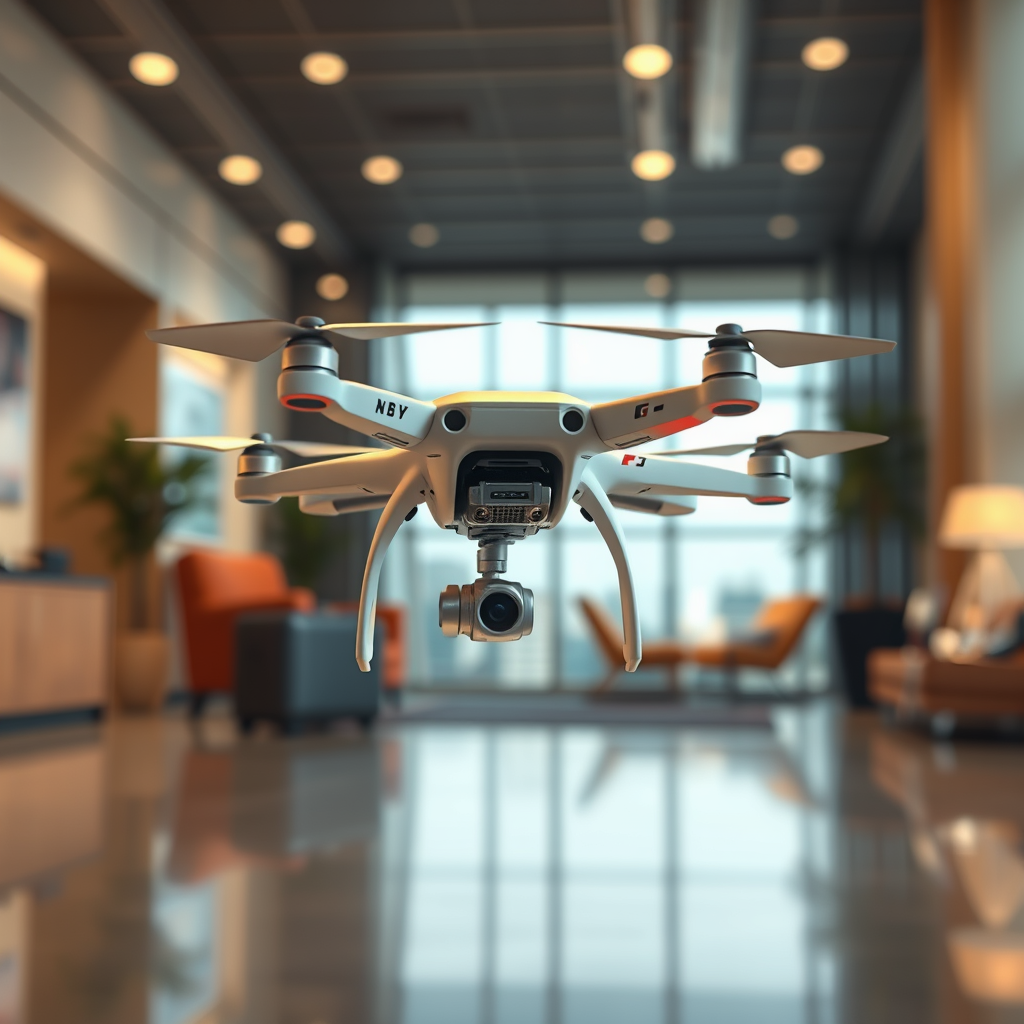
Yes, you can put a drone in checked luggage, but there are specific regulations and guidelines you should follow to ensure safe and compliant travel. With the growing popularity of drones, airlines have adapted their policies, but these can vary significantly from one carrier to another. Understanding airline policies, battery regulations, and packing tips will not only help you avoid potential issues but also ensure your valuable equipment arrives safely at your destination.
Airline Policies on Drones
Different airlines have varying rules regarding drones in checked luggage. While some airlines permit drones in checked bags, others may restrict or prohibit them entirely. For instance, major carriers like American Airlines and Delta generally allow drones in checked luggage, but they may impose weight and size restrictions. Conversely, low-cost airlines might have stricter rules or may charge additional fees for transporting drones. Always check the specific airline’s website or contact customer service for clarification before your trip. This proactive approach can help you avoid last-minute surprises at the airport.
Additionally, familiarize yourself with the airline’s regulations regarding the transport of other accessories, such as remote controls and spare batteries, as these may have their own restrictions. It’s also beneficial to be aware of any seasonal or temporary restrictions that airlines might implement, especially during peak travel times or heightened security alerts.
Battery Regulations
Lithium batteries, commonly used in drones, have restrictions for air travel due to their flammable nature. The International Air Transport Association (IATA) has specific guidelines regarding lithium-ion and lithium-polymer batteries that must be adhered to when traveling. Most airlines allow batteries in checked luggage only if they are within certain watt-hour limits. Typically, batteries under 100 watt-hours can be transported in checked luggage without special permissions. However, batteries between 100 and 160 watt-hours can only be carried if you have airline approval.
For instance, if your drone uses multiple batteries, it is crucial to check whether the combined watt-hour rating exceeds the allowed limit. Moreover, airlines often require that spare batteries be carried in your carry-on luggage and must be protected against short circuits, which can be achieved by placing them in their original packaging or by using battery cases. Failure to comply with these regulations may lead to confiscation by security personnel.
Packing Your Drone Safely
When preparing to travel with your drone, it is essential to pack it safely to prevent damage during transit. Use protective cases specifically designed for drones, as these cases often feature padding and compartments for various components. For example, hard-shell cases can provide robust protection against impacts, while soft cases may be lighter and easier to carry but might not offer the same level of security.
Ensure that propellers and other delicate parts are securely packed. It’s advisable to remove the propellers and store them separately to avoid breakage. Additionally, consider wrapping the drone body in bubble wrap or using foam inserts to cushion it against shocks. Labeling your case as “Fragile” can also prompt careful handling by airline staff. Remember that proper packing minimizes the risk of damage, ensuring your drone is ready for action upon arrival.
Security Checks and Inspections
Be prepared for additional security checks when traveling with a drone, as these devices can attract attention from airport security personnel. It is essential to have all relevant documentation, such as purchase receipts or proof of ownership, readily available in case you are asked to provide verification.
During security inspections, you may be required to remove your drone from your luggage for closer examination. This process can take additional time, so arriving at the airport early is advisable to accommodate any unforeseen delays. Be ready to explain the contents of your luggage to security personnel, as they may inquire about the purpose of your drone and its accessories.
Furthermore, familiarize yourself with the Transportation Security Administration (TSA) guidelines, as they provide crucial information on how to properly transport drones and their components. Awareness of these guidelines can expedite your experience at security checkpoints.
International Travel Considerations
Traveling internationally with a drone introduces another layer of complexity due to varying laws regarding drone usage and transport in different countries. Each country has its own set of regulations that govern drone operation, including registration requirements, operational restrictions, and even outright bans in some locations.
Before traveling, research the regulations of your destination country to ensure compliance. For instance, countries like Canada and the United Kingdom have specific laws regarding drone weight and registration, which may differ significantly from those in the United States. Failure to adhere to local laws can result in hefty fines, confiscation of your drone, or, in extreme cases, legal action.
It’s also wise to check local customs regulations regarding the importation of electronic devices. Some countries may have restrictions on the importation of drones, especially if they are considered advanced technology. Consulting the embassy or consulate of your destination country can provide clarity on any specific requirements you must fulfill.
Alternatives to Checked Luggage
Consider carrying your drone in your carry-on bag for easier access and added security. Many travelers find that this option minimizes the risk of damage and loss, particularly for high-value drones. Check if your drone meets the size requirements for carry-on luggage, as most airlines have specific dimensions you must adhere to.
Carrying your drone on board allows you to monitor its condition throughout your journey and makes it readily available for use upon arrival. Additionally, this option can expedite the security screening process, as you can directly present your drone and its components to security personnel without the need for rummaging through checked luggage.
However, if you choose this route, ensure that you have room in your carry-on for your drone and any associated gear, as space can be limited. Using a compact, lightweight case that offers adequate protection is advisable for this scenario.
In conclusion, while you can put a drone in checked luggage, it’s crucial to stay informed about airline policies, battery regulations, and international laws that may affect your travel plans. Understanding specific airline requirements, ensuring compliant battery transport, and packing your drone securely will contribute to a smoother travel experience. Additionally, consider the option of carrying your drone on board for added convenience and security. By following these guidelines, you can enjoy your travels while ensuring that your drone arrives at your destination safely and ready for use.
Frequently Asked Questions
Can you put a drone in checked luggage when flying?
Yes, you can generally put a drone in your checked luggage when flying, but it’s essential to check the specific airline’s policies beforehand, as regulations can vary. Additionally, airlines may have restrictions on battery types and sizes, particularly lithium batteries, which can pose a fire hazard. It’s advisable to remove the batteries and carry them in your carry-on luggage for safety.
What are the rules for transporting drones by air?
The rules for transporting drones by air include checking with your airline regarding their specific regulations, particularly concerning battery limitations. Most airlines allow drones in checked luggage if they comply with safety guidelines, but you should also follow TSA regulations, which mandate that lithium batteries over a certain watt-hour rating must be carried in the cabin. Always declare your drone at security checkpoints to avoid complications.
How should I pack my drone for checked luggage?
To pack your drone for checked luggage, ensure it is securely cushioned to prevent damage during transit. Use a hard-shell case or padded backpack designed for drones, and disassemble any detachable parts like propellers. Additionally, remove the battery and carry it in your carry-on luggage to comply with airline regulations and enhance safety.
Why is it important to check airline policies about drones before traveling?
It’s important to check airline policies about drones because each airline has different regulations regarding the transport of drones and their batteries. Some airlines may prohibit drones entirely in checked luggage or require that the batteries be carried in the cabin. By being informed, you can avoid potential fines, delays, or the risk of having your drone confiscated at the airport.
What is the best way to travel with a drone to avoid damage?
The best way to travel with a drone to avoid damage is to invest in a quality hard-case or padded carrying bag specifically designed for drones. Make sure to secure all components, such as the camera and propellers, and use foam inserts or bubble wrap for extra protection. Carrying the drone in your cabin luggage, if allowed, is also advisable, as this minimizes the risk of damage compared to checked luggage handling.
References
- https://www.faa.gov/uas/getting_started/recreational_fliers/
- https://www.tsa.gov/travel/security-screening/whatcanibring/all-list
- https://www.droneflyers.com/drone-packing-tips/
- https://www.wired.com/story/flying-with-drones-tips/
- https://www.nytimes.com/2017/06/29/travel/flying-with-drones.html
- https://www.nasa.gov/feature/nasa-helps-educate-drone-operators-about-transportation-safety
- https://www.ama-assn.org/delivering-care/public-health/drone-delivery-health-care-what-know
- https://www.theguardian.com/us-news/2019/jun/10/drone-flying-america-regulations
