
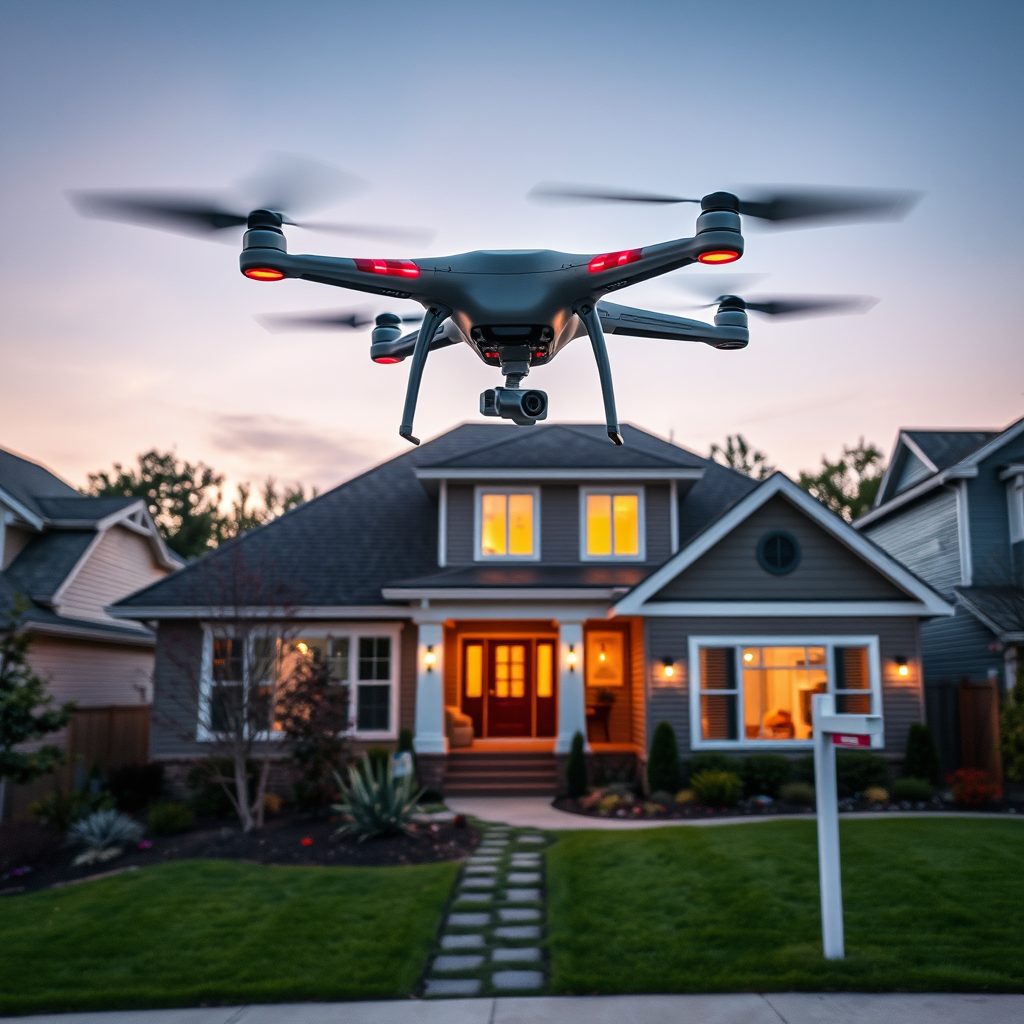
Yes, you can report a drone flying over private property if it violates privacy or local laws. However, the legal implications can vary based on jurisdiction and specific circumstances. Understanding your rights and the regulations surrounding drone usage is essential, as it can guide your actions and help ensure that your privacy is respected while navigating the complexities of drone technology.
Understanding Drone Regulations
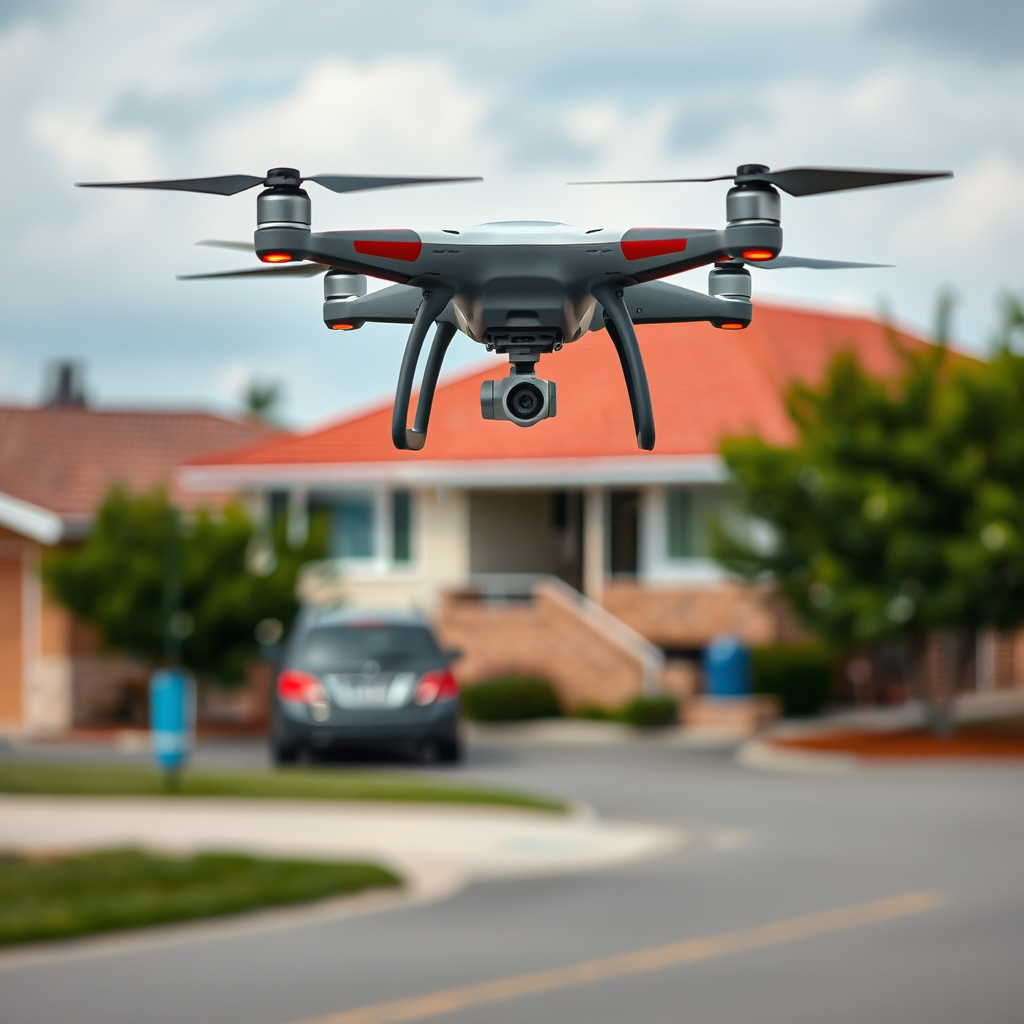
Drones, or unmanned aerial vehicles (UAVs), are primarily regulated by the Federal Aviation Administration (FAA) in the United States. The FAA establishes guidelines that govern where and how drones can be flown, emphasizing safety and the need to avoid conflicts with manned aircraft. Notably, the FAA has created regulations that dictate drone operations, such as altitude limitations and airspace restrictions. For instance, drones are generally prohibited from flying above 400 feet in uncontrolled airspace and must remain clear of airports and other aircraft.
In addition to federal regulations, local laws may impose further restrictions on drone flights. Many municipalities have enacted ordinances that address drone usage over private property, often focusing on privacy considerations and public safety. For example, some cities may prohibit drone flights over residential neighborhoods without explicit permission from property owners. Understanding both the federal and local regulations is crucial for anyone considering reporting a drone incident, as it helps clarify whether the drone’s operation constitutes a violation.
Your Privacy Rights
Property owners have certain rights to privacy, including the airspace above their land. The extent of these rights can vary depending on jurisdiction, but generally, homeowners can expect a reasonable degree of privacy in their backyards and inside their residences. As drone technology has advanced, the potential for privacy infringements has increased, particularly with drones equipped with high-resolution cameras.
If a drone is hovering above your property and capturing images, it could be considered a violation of your privacy rights. For instance, if a drone is used to record video or take photographs of individuals in private settings without consent, the operator may be liable for invasion of privacy. Some states have enacted specific laws that address the use of drones for surveillance purposes, providing greater protection to property owners. It’s essential to understand these rights, as they can inform your response if you encounter a drone that you believe is infringing on your privacy.
How to Report a Drone
When you encounter a drone that you believe is flying inappropriately over your property, it is important to take systematic steps to document the incident. Start by recording the drone’s activity, including the times it flies over your property, its locations, and any identifiable features such as markings or colors. This documentation will be crucial when you report the incident, as it provides concrete evidence of the drone’s behavior.
Once you have gathered enough information, you can contact local law enforcement or the FAA to report the incident. Local law enforcement can investigate potential violations of privacy laws or local ordinances, while the FAA can address concerns regarding airspace regulations and safety. It’s advisable to provide them with all the documentation you have collected to support your case. Remember, while reporting a drone, it is vital to remain calm and factual to ensure that your concerns are taken seriously.
Potential Legal Consequences for Drone Operators
Drone operators who violate privacy laws or local regulations may face significant legal consequences. Depending on the severity of the violation and local laws, they could incur fines, face legal action, or even have their drone confiscated. For example, if a drone operator is found to be consistently infringing on the privacy of individuals by capturing images or video without consent, they may be subject to civil lawsuits from affected property owners.
Moreover, some states have enacted specific statutes that impose strict penalties on drone operators who engage in invasive surveillance practices. These laws may allow property owners to seek damages for emotional distress or invasion of privacy, further emphasizing the potential legal ramifications of irresponsible drone use. Understanding these consequences can deter operators from violating privacy rights and encourage responsible drone flying practices.
Steps to Take Before Reporting
Before rushing to report a drone, it is crucial to assess whether the drone’s activity is genuinely intrusive or simply a nuisance. Drones may fly over private properties for various reasons, including recreational use or commercial purposes like surveying land or delivering goods. If the drone appears to be operating within legal parameters, it may not warrant a report.
If you feel comfortable doing so, consider attempting to communicate with the drone operator, especially if you can identify them. Engaging in a calm and respectful conversation can sometimes resolve misunderstandings and encourage the operator to fly their drone at a more appropriate distance from your property. However, safety should always be your priority—if approaching the operator poses any danger, it is best to refrain from doing so and instead focus on documenting the incident for a formal report.
Resources for Reporting
If you decide to report a drone, there are several resources available to assist you. First, you can reach out to your local law enforcement agency. Most police departments have protocols in place to handle nuisance complaints, including those related to drones. Having your documentation ready will help them address your concerns effectively.
Additionally, the FAA provides resources for reporting drone misuse. Their website includes information on how to file a complaint and outlines the types of incidents they can investigate. By utilizing these resources, you can ensure that your concerns are directed to the appropriate authority and addressed properly.
In conclusion, while you can report a drone flying over your private property, understanding the regulations and your rights is crucial. Familiarizing yourself with federal and local drone laws can help you assess the situation accurately and determine whether action is warranted. If you believe your privacy is being violated, follow the appropriate steps to document the incident and seek assistance from local authorities, ensuring your rights and privacy are protected in this evolving technological landscape.
Frequently Asked Questions
What should I do if a drone is flying over my private property?
If a drone is flying over your private property, the first step is to assess the situation. Determine if the drone is posing a threat or invading your privacy. You can attempt to identify the operator by looking for a person nearby. If you feel uncomfortable or believe the drone is violating your privacy rights, you can contact local law enforcement or your neighborhood watch to report the incident.
Can I legally shoot down a drone that is over my property?
No, shooting down a drone over your property is illegal and can lead to serious legal consequences, including criminal charges. Instead, it’s advisable to report the drone to local authorities or the Federal Aviation Administration (FAA). Drones are considered aircraft under U.S. law, and taking such actions could also endanger public safety.
How do I report a drone that I believe is violating my privacy?
To report a drone that you believe is violating your privacy, gather as much information as possible about the drone, including its make, model, and any identifiable markings. You can contact local law enforcement or the FAA to file a report. Additionally, documenting the drone’s activity and your observations can provide valuable evidence if needed.
Why are drones allowed to fly over private property?
Drones are allowed to fly over private property because, under U.S. federal law, airspace is considered public from ground level to 400 feet. This means that drone operators can legally fly over private property as long as they comply with FAA regulations. However, issues related to privacy and trespass can arise, leading to legal gray areas that vary by jurisdiction.
What are the best practices for dealing with a drone over my property?
The best practices for dealing with a drone over your property include remaining calm and not confronting the operator aggressively. Educate yourself about local laws regarding drone flights, and consider talking to your neighbors to see if they have experienced similar issues. If the drone is causing a disturbance or invading your privacy, document the incidents and report them to local authorities for further action.
References
- https://www.faa.gov/uas/resources/policy_briefings/media/UAS-Policy-Brief.pdf
- https://www.nolo.com/legal-encyclopedia/drone-laws-what-you-need-know-29719.html
- https://www.wired.com/story/drone-privacy-laws/
- https://www.brookings.edu/research/drone-privacy-and-the-law/
- https://www.theguardian.com/us-news/2021/jun/17/drone-privacy-laws-what-you-need-to-know
- https://www.ncsl.org/research/transportation/drone-laws.aspx
- https://www.nytimes.com/2021/04/19/us/drone-law-privacy.html
- https://www.law.upenn.edu/live/files/10442-droneprivacyandthelawbriefingpaperpdf
