
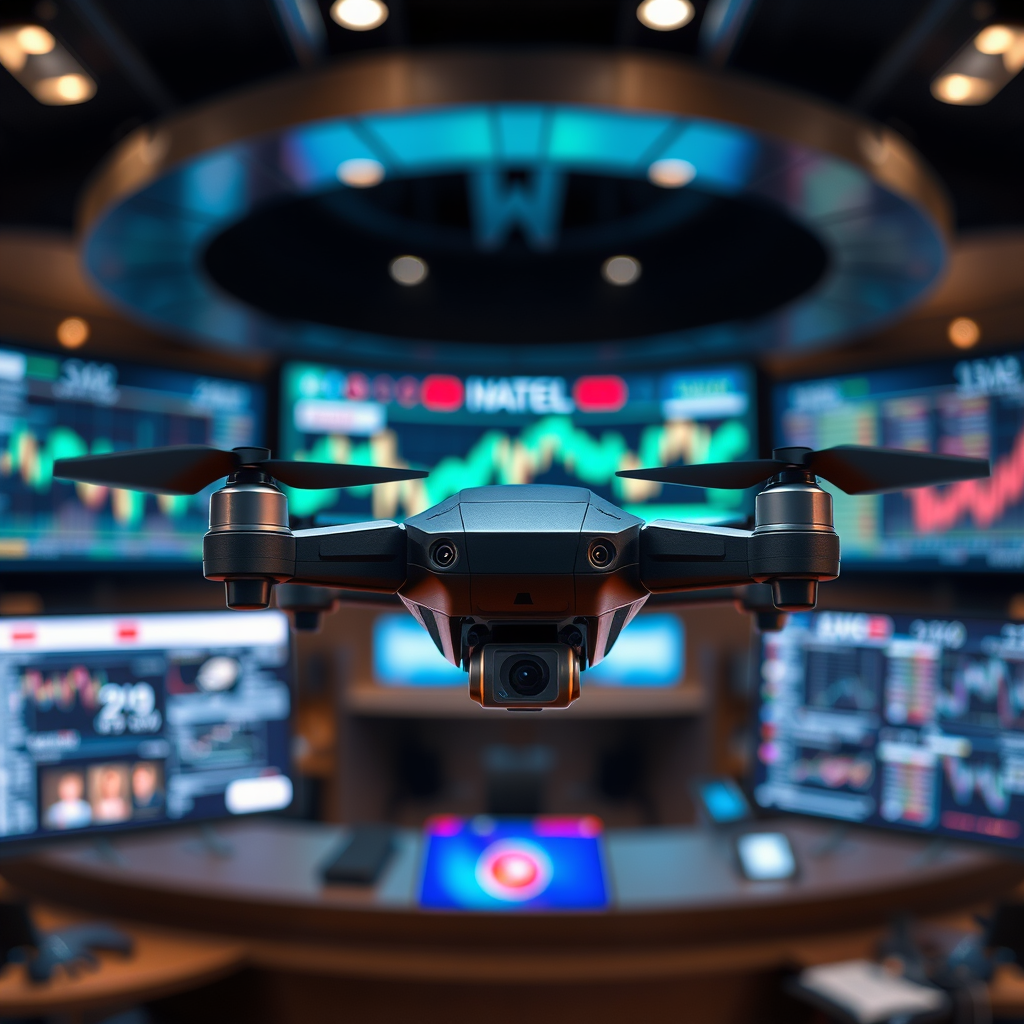
Yes, you can revive with a crypto drone, as blockchain technology can enhance drone functionalities and secure transactions. This innovative intersection of cryptocurrency and drone technology is reshaping various industries by introducing new operational efficiencies and security measures. In this article, we will delve into how crypto drones operate, explore their potential applications, assess their advantages and challenges, and consider the future prospects of this transformative technology.
Understanding Crypto Drones
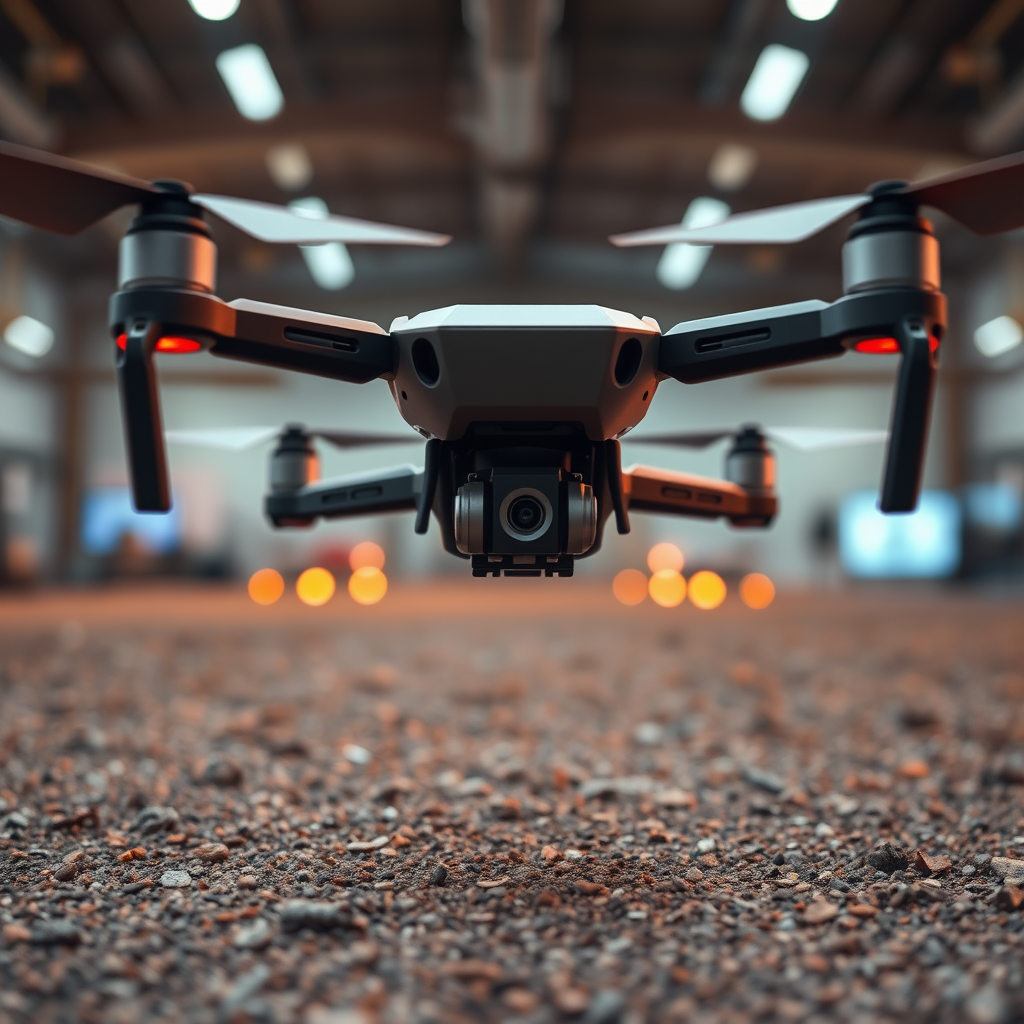
Crypto drones are unmanned aerial vehicles (UAVs) that integrate blockchain technology to streamline their operations and enhance the security of transactions. At their core, these drones leverage the decentralized nature of blockchain to provide a secure and immutable record of all transactions, from data sharing to payment processing. The technology behind drone operation typically includes GPS navigation, sensors, and cameras, enabling them to perform a variety of tasks autonomously. When combined with cryptocurrency transactions, these drones can facilitate real-time financial exchanges for services rendered, ensuring that payments are both secure and transparent.
The integration of blockchain enhances the functionality of drones by providing a tamper-proof ledger of flight paths, maintenance records, and other critical data. This is particularly important in industries where accountability and traceability are paramount, such as logistics and agriculture. By utilizing smart contracts, crypto drones can automate various processes, including payment release upon successful delivery confirmation, thus increasing efficiency and reducing the potential for fraud.
Applications of Crypto Drones
Crypto drones have a wide array of applications across various sectors. One of the most prominent use cases is in delivery services, where companies like Amazon and Zipline have already begun to explore drone delivery systems. Blockchain technology ensures secure transactions by providing an immutable record of delivery confirmations and payment receipts, thereby increasing customer trust. For instance, a user could pay for a drone delivery using a cryptocurrency wallet, with the transaction recorded on the blockchain to ensure both the sender and receiver have verifiable proof of the exchange.
Agriculture is another field where crypto drones are making a significant impact. Farmers can utilize drones equipped with sensors to monitor crop health and growth patterns. By employing blockchain for data sharing, farmers can securely transmit agronomic data to agronomists or other stakeholders without fear of tampering or misuse. For example, a farmer could sell data on soil health or crop yields directly to a research institution using a cryptocurrency transaction that is recorded on the blockchain.
Advantages of Using Crypto Drones
The advantages of using crypto drones are numerous, primarily revolving around enhanced security and operational efficiencies. The use of blockchain technology significantly increases security by encrypting transactional data and ensuring that it cannot be altered once recorded. This is crucial for businesses that rely on accurate data for compliance and operational integrity.
Moreover, the automation of payments through smart contracts leads to increased efficiency in operations. For instance, a delivery service can automate payments to drone operators upon successful delivery, reducing administrative overhead and minimizing the time between transaction initiation and completion. This streamlined approach not only improves cash flow but also enhances the overall user experience, as customers receive their goods faster and with greater assurance of transaction security.
Challenges Facing Crypto Drones
Despite their potential, crypto drones face several challenges that could hinder widespread adoption. One significant hurdle is regulatory compliance. Different regions have varying regulations regarding drone operations and cryptocurrency transactions. For example, while some countries may have embraced drone technology, they may still be apprehensive about the integration of cryptocurrency due to concerns over money laundering or fraud.
Technical challenges also persist, particularly in the integration of blockchain technology with existing drone software. Ensuring that drones can reliably communicate and execute transactions on the blockchain requires robust infrastructure and software development. Any failures in this technology could lead to operational disruptions or financial losses, making it a critical area that requires ongoing research and development.
Future Prospects of Crypto Drones
The future prospects for crypto drones are promising, with predictions indicating a significant growth trajectory in both the drone and cryptocurrency markets. Analysts suggest that as blockchain technology continues to mature, the integration of crypto into drone operations will become more seamless, allowing for a broader range of applications. Innovations could include advancements in autonomous flight capabilities, enhanced data analytics, and more sophisticated smart contracts that allow for complex transaction arrangements.
Emerging use cases may also evolve, such as environmental monitoring, search and rescue operations, and infrastructure inspections. For instance, a drone equipped with environmental sensors could gather data on air quality and automatically sell this information to local governments using cryptocurrency, streamlining data collection and payment processes.
Comparing Crypto Drones to Traditional Drones
When comparing crypto drones to traditional drones, several key differences emerge, particularly in transaction security and operational efficiency. Traditional drones typically rely on conventional payment methods and may lack the transparency and security that blockchain technology provides. This can lead to inefficiencies and increased risk of fraud, especially in commercial applications.
Cost implications are another factor to consider. While the initial investment in crypto drones may be higher due to the integration of blockchain technology, the long-term benefits of lower operational costs, faster transactions, and enhanced security can outweigh these upfront expenses. Additionally, businesses that adopt crypto technology may find themselves at a competitive advantage as consumers increasingly demand secure and efficient service delivery.
In conclusion, the merging of cryptocurrency and drone technology holds great promise for various industries. Crypto drones can enhance operational efficiencies, improve transaction security, and create new business opportunities. However, challenges such as regulatory compliance and technical integration must be addressed as the technology evolves. Staying informed about these developments can help businesses leverage the benefits of crypto drones in their operations and position themselves for success in this dynamic market.
Frequently Asked Questions
What is the process to revive a cryptocurrency using a drone?
Reviving a cryptocurrency does not directly relate to using a drone, as drones are primarily utilized for tasks like delivery, surveillance, or data collection. However, if you’re referring to monitoring or managing crypto assets via drone technology, you could leverage drones for tasks such as surveying mining sites or transporting hardware. For actual revival of a cryptocurrency, one would typically need to engage in community efforts, development, or marketing strategies.
How can drones be used to enhance cryptocurrency mining?
Drones can enhance cryptocurrency mining operations by surveying mining sites for optimal locations and monitoring environmental conditions. They can assist in logistics by transporting equipment to remote locations, which can be vital for miners operating in less accessible areas. Furthermore, drones equipped with thermal cameras can identify overheating mining rigs, enabling timely maintenance and improving overall efficiency.
Why are cryptocurrencies considered a volatile investment for drone technology entrepreneurs?
Cryptocurrencies are considered volatile due to their susceptibility to market fluctuations, regulatory changes, and technological advancements. For drone technology entrepreneurs, investing in cryptocurrencies can be high-risk but also high-reward, as the market’s unpredictability can lead to significant gains or losses. Entrepreneurs must conduct thorough market research and risk assessments to navigate the complexities of integrating crypto into their business models.
What are the best cryptocurrencies to invest in for drone businesses?
The best cryptocurrencies to consider for drone businesses often include Bitcoin (BTC) for its stability and Ethereum (ETH) for its smart contract capabilities, which can facilitate transactions and contracts in the drone industry. Other options might be niche cryptocurrencies focused on logistics and delivery, such as VeChain or Waltonchain, which aim to improve supply chain processes, relevant to drone operations. It’s crucial to evaluate market trends and individual project fundamentals before investing.
Which regulations should drone operators consider when dealing with cryptocurrency transactions?
Drone operators dealing with cryptocurrency transactions should be aware of both aviation regulations and financial regulations. In the U.S., the Federal Aviation Administration (FAA) governs drone operations, while the Financial Crimes Enforcement Network (FinCEN) oversees cryptocurrency-related activities. Operators should ensure compliance with local laws regarding drone usage, cryptocurrency trading, and data privacy to mitigate legal risks associated with their operations.
References
- https://www.bbc.com/news/technology-58805979
- https://www.nytimes.com/2021/06/16/technology/drone-delivery.html
- https://www.wired.com/story/how-drones-are-changing-the-world/
- https://www.nap.edu/catalog/23466/drones-in-transportation-a-report-of-the-transportation-research-board
- https://www.sciencedirect.com/science/article/pii/S2352146516300183
- https://www.theguardian.com/technology/2021/may/24/what-is-the-future-of-drones
- https://www.itu.int/en/ITU-T/focusgroups/ai4d/Pages/default.aspx
- https://www.researchgate.net/publication/330996014_The_Impact_of_Drones_on_Society
- https://www.un.org/development/desa/dspd/2020/10/drones-and-their-potential-for-the-sustainable-development-goals/
