
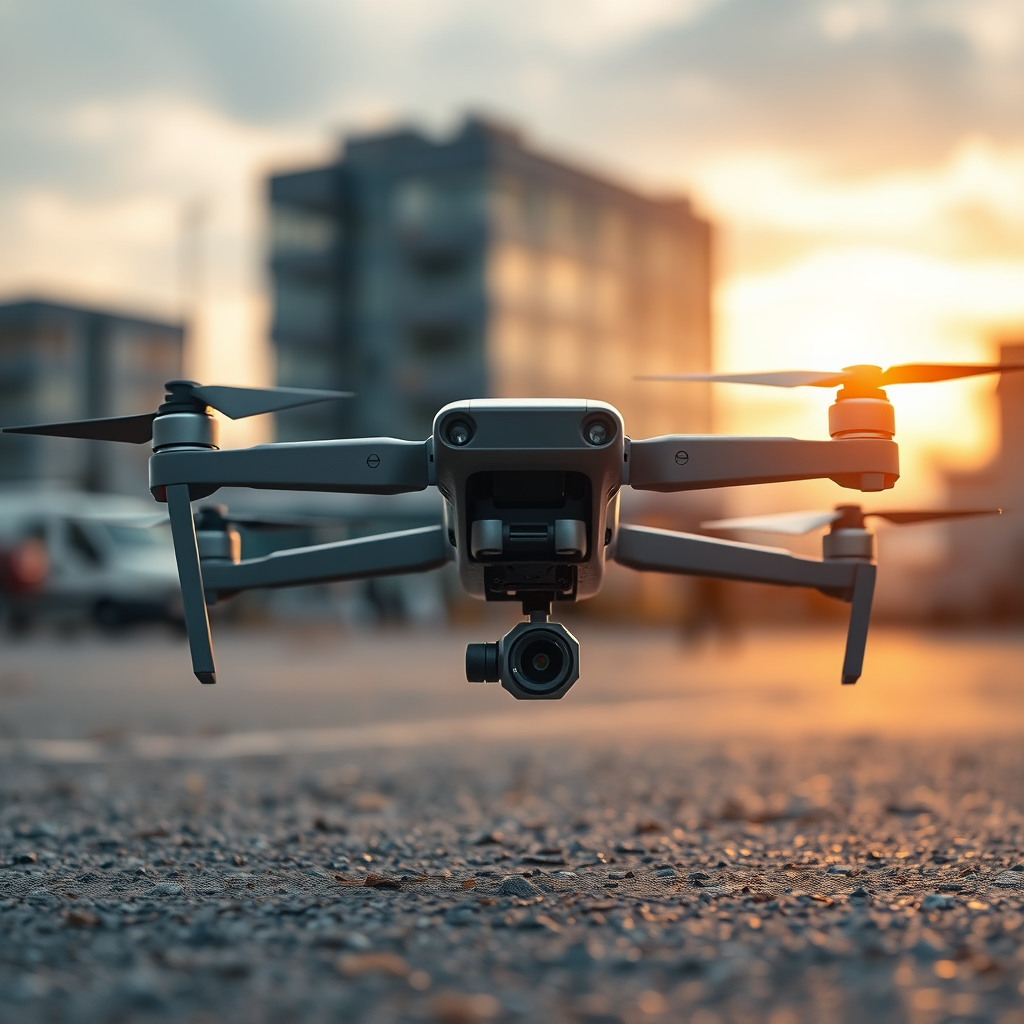
Yes, you can see a drone from the ground, but visibility depends on various factors such as altitude, size of the drone, and environmental conditions. Drones can vary significantly in appearance and behavior, making it easier or harder to spot them based on their specific characteristics and the context in which they are flying. In this article, we will delve into the critical factors that influence drone visibility, examine the environmental conditions that can affect your ability to see them, and provide actionable insights on how to improve your spotting skills.
Factors Affecting Drone Visibility
Altitude
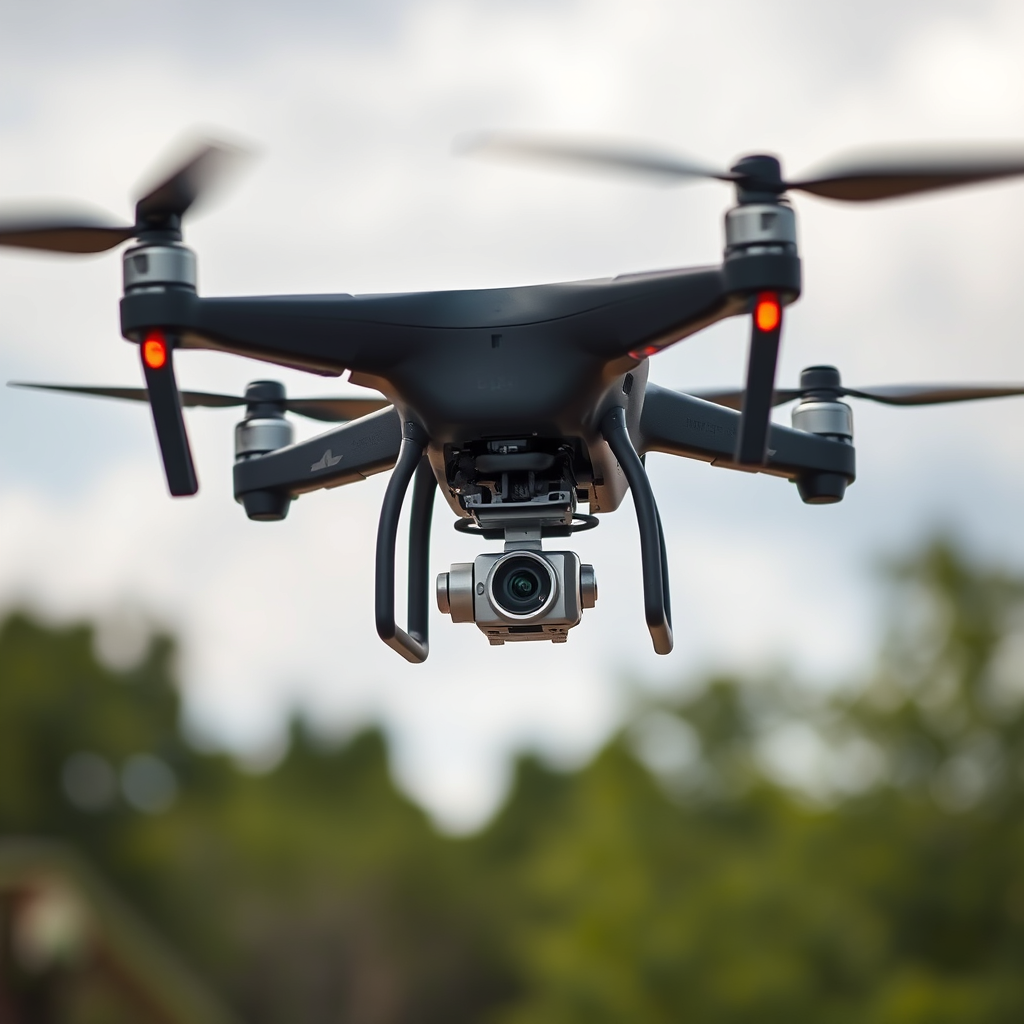
One of the most significant factors affecting a drone’s visibility is its altitude. The higher a drone flies, the smaller it appears to the human eye, making it increasingly difficult to identify. For instance, a drone flying at a height of 400 feet or more may be virtually indistinguishable, especially against a bright sky. In contrast, drones operating at lower altitudes—such as those used for photography or surveying—are more likely to be spotted due to their proximity to the ground.
Size and Design
The size and design of a drone also play a crucial role in its visibility. Larger drones, like those used for commercial purposes, are generally easier to spot than smaller, compact models designed for hobbyists. For example, a DJI Phantom, with a wingspan of around 23 inches, is more likely to be seen than a small racing drone that may be less than 10 inches across. Additionally, the design of the drone—whether it has a sleek, aerodynamic profile or a bulkier construction—can impact how it reflects sunlight and blends into the sky.
Color
The color of the drone significantly affects its visibility as well. Drones that are brightly colored, such as neon greens, yellows, or reds, tend to stand out against the blue sky, making them easier to spot. Conversely, darker-colored drones, particularly those painted in shades of black or gray, may blend into the background, especially on overcast days. Manufacturers are increasingly creating drones with vibrant color schemes precisely for this reason, helping users maintain better visual contact.
Environmental Conditions
Weather
Weather conditions can greatly influence the visibility of drones. On clear, sunny days with minimal cloud cover, spotting a drone becomes significantly easier. However, adverse weather conditions—such as fog, heavy rain, or snow—can obscure visibility, making it challenging to locate drones in the sky. For example, a drone flying in thick fog may be completely invisible, while the same drone on a clear day could be easily spotted from miles away.
Lighting
Lighting conditions also play a vital role in drone visibility. During daylight hours, natural light enhances visibility, allowing observers to spot drones more easily. In contrast, spotting a drone at dusk or nighttime can pose a challenge, as the lack of ambient light makes it difficult to detect objects in the sky. While some drones are equipped with LED lights for visibility during low-light conditions, these lights may not be enough to make them easily identifiable.
Surroundings
The surrounding environment can either aid or hinder your ability to see a drone. In urban settings, tall buildings, trees, and other structures can obstruct your line of sight, making it difficult to discern flying drones. Conversely, open areas such as fields or parks provide unobstructed views of the sky, significantly increasing the chances of spotting a drone. When assessing your surroundings, consider the layout of the area, as this can dictate how easily you can spot aerial activity.
Distance from the Drone
Proximity
Proximity plays a crucial role in spotting a drone. The closer you are to the drone, the more likely you are to see it. For instance, if you are standing directly beneath a drone flying at a low altitude, it can be quite noticeable. Conversely, if you are several hundred yards away, the same drone may be challenging to detect, particularly if it is small or camouflaged.
Obstructions
Obstructions in your line of sight can significantly affect your ability to see a drone. Natural barriers like trees and hills, as well as man-made structures such as buildings and fences, can block your view. In areas densely populated with such obstructions, even larger drones may go unnoticed. It’s essential to be aware of potential obstructions in your environment to improve your chances of spotting any aerial activity.
Drone Behavior
Flight Patterns
The flight patterns of drones can also influence their visibility. Drones that hover in one spot or fly erratically are often easier to spot than those that maintain a steady, high altitude. For example, a drone performing aerial maneuvers during a photography session will likely attract more attention than one silently cruising at 400 feet. Observers should pay attention to unusual movements in the sky, which can indicate the presence of a drone.
Sound
Some drones emit a noticeable sound during flight, which can aid in locating them even when they are not visible. Drones equipped with larger propellers or those that fly at lower altitudes often produce more noise. For instance, the sound of a DJI Mavic Pro can be heard several hundred feet away, alerting individuals on the ground to its presence. Being aware of the typical sounds associated with drones can enhance your ability to spot them.
Legal and Safety Considerations
Regulations
Understanding local laws regarding drone usage is essential, as it can inform you about where and when drones are commonly flown. Various regions have specific regulations dictating drone flight altitudes, no-fly zones, and permissible hours of operation. By familiarizing yourself with these laws, you can better anticipate drone activity in your area and enhance your awareness of when and where to look for them.
Safety
Knowing how to identify drones is not just a matter of curiosity; it also enhances your safety in public spaces. In crowded areas, being aware of nearby drones can help you avoid potential accidents or privacy infringements. Educating yourself on the characteristics and sounds of common drones can significantly improve your situational awareness, allowing you to navigate public spaces more safely.
Best Practices for Spotting Drones
Use Binoculars
Using binoculars is one of the most effective ways to enhance your ability to spot drones from a distance. A pair of quality binoculars can magnify the view and make it easier to identify drones flying at higher altitudes or further away. Investing in a good pair of binoculars designed for outdoor use can amplify your spotting skills significantly.
Stay Aware
Being mindful of your surroundings and staying aware of the sky in areas known for drone activity can increase your chances of spotting one. Whether you are at a park, attending an outdoor event, or simply enjoying a sunny day, take a moment to look up periodically. Engaging in active observation can lead to the exciting discovery of drones in flight.
Educate Yourself
Familiarizing yourself with different types of drones and their sounds can improve your spotting skills. There are countless online resources, including videos and articles, that showcase various drone models and their unique characteristics. By educating yourself about what to look for and listen for, you can become more adept at identifying drones in your vicinity.
In conclusion, while you can see a drone from the ground, your ability to do so is influenced by various factors including altitude, size, environmental conditions, and your own awareness. By understanding these elements and employing best practices for spotting drones, you can enhance your chances of identifying them in the sky. Staying informed and observant will not only improve your spotting skills but also contribute to a safer and more enjoyable experience in areas where drone activity is prevalent.
Frequently Asked Questions
Can you see a drone from the ground, and how far can it be seen?
Yes, you can see a drone from the ground, but visibility largely depends on the drone’s altitude, size, and color. Smaller drones may be harder to spot, especially at high altitudes, while larger models or those with bright colors can be seen more easily. Additionally, environmental factors like lighting conditions and distance play a significant role in how visible a drone is from the ground.
What factors affect the visibility of a drone from the ground?
Several factors affect the visibility of a drone from the ground, including its size, color, and flight height. Drones that are flying at lower altitudes are generally easier to see. Other considerations include the background against which the drone is flying; for example, a white drone against a blue sky is more visible than the same drone against a cloudy backdrop.
How can I identify a drone while standing on the ground?
To identify a drone from the ground, look for its unique characteristics such as the shape, size, and the sound it makes. Drones often have a distinct buzzing sound that can help you locate them. Additionally, you can look for blinking lights, which are common on many drones, and pay attention to their flight patterns, as they often hover or move in a more stable manner compared to birds.
Why is it important to be able to see a drone from the ground?
Being able to see a drone from the ground is important for several reasons, including safety and privacy concerns. Understanding the presence of drones in your vicinity can help you avoid potential collisions, especially if you are in an area where drones are prohibited. Furthermore, awareness of drones can help you protect your privacy, as drones can be equipped with cameras that might intrude on your personal space.
What should I do if I see a drone flying over my property?
If you see a drone flying over your property, it’s essential to first assess the situation and determine if the drone is posing any safety or privacy threat. If you feel uncomfortable or believe the drone is violating privacy laws, you can document the incident and report it to local authorities or the Federal Aviation Administration (FAA). It’s also helpful to know local regulations regarding drone usage to understand your rights and the drone operator’s obligations.
References
- https://en.wikipedia.org/wiki/Drone
- https://www.faa.gov/uas/
- https://www.nytimes.com/2019/06/24/us/drones-sightings.html
- https://www.theguardian.com/us-news/2020/oct/09/drone-sightings-privacy-issues
- https://www.sciencedirect.com/science/article/pii/S0360132317305054
- https://www.reuters.com/article/us-usa-drones-insight-idUSKCN1VZ1B8
- https://www.ncbi.nlm.nih.gov/pmc/articles/PMC7599056/
