
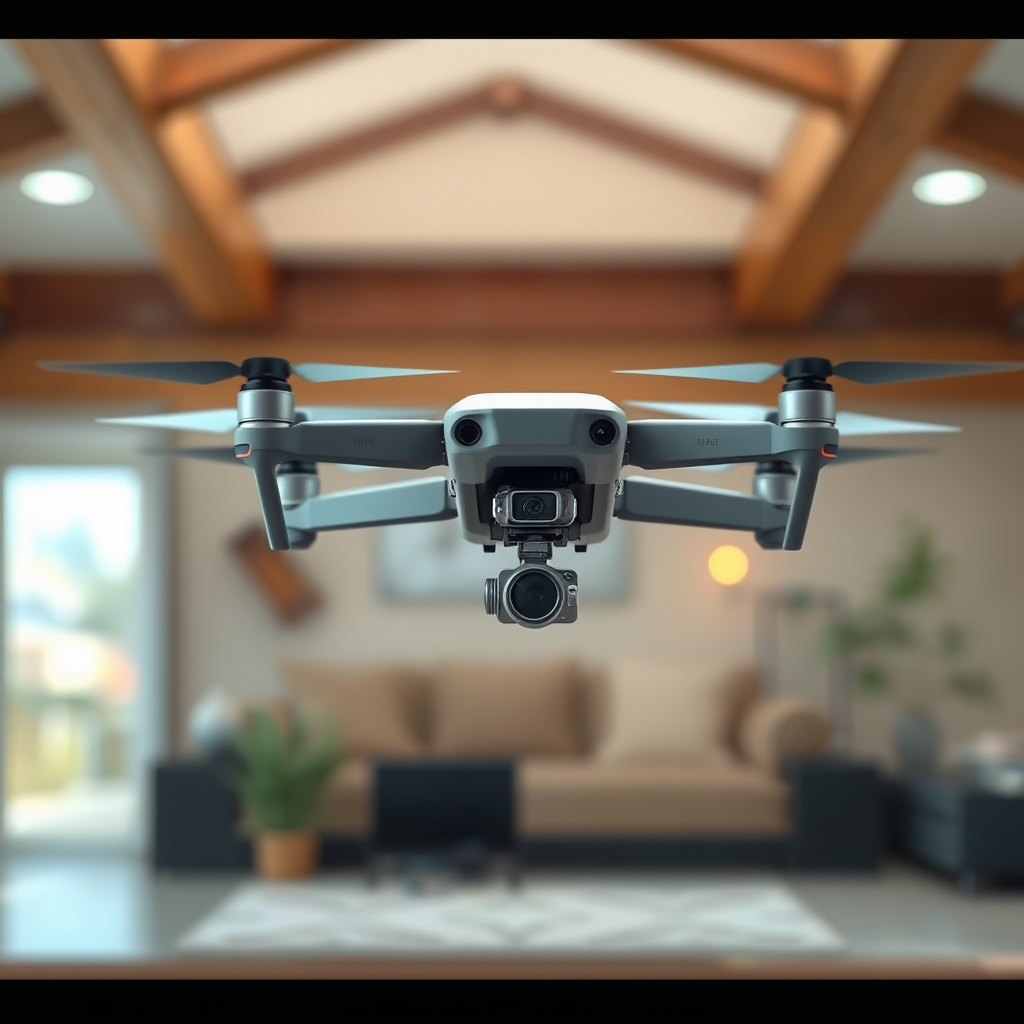
Yes, you can see a military drone from the ground, but visibility depends on various factors such as the drone’s size, altitude, and the surrounding environment. Military drones, also known as unmanned aerial vehicles (UAVs), have become integral to modern military operations, and understanding how to spot them can provide insight into their roles and functions. This article delves into the various elements that influence visibility, the characteristics of military drones, and what to do if you spot one.
Understanding Military Drones
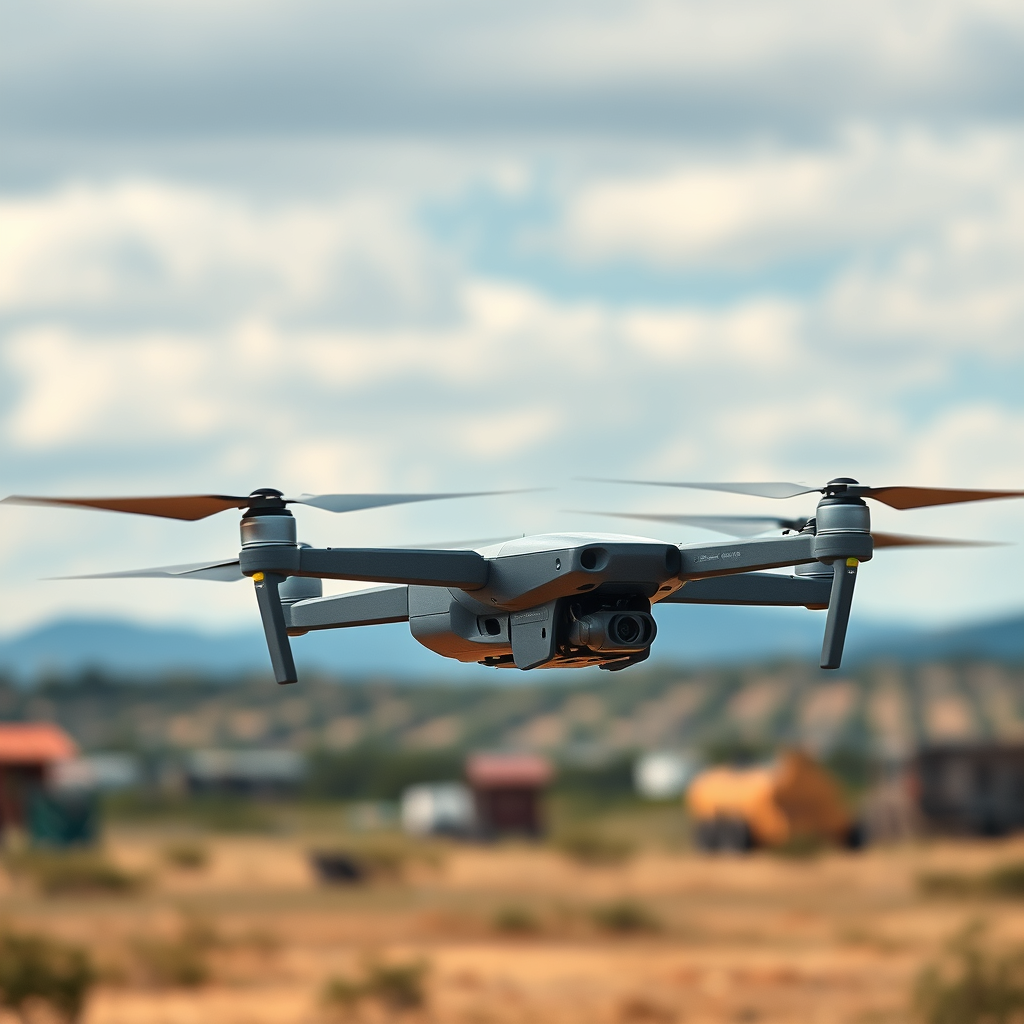
Military drones are unmanned aircraft designed for military purposes, primarily to gather intelligence, conduct surveillance, and support combat operations. They provide real-time data and can execute missions that are often too risky for manned aircraft. The use of drones in modern warfare has revolutionized how military forces operate, offering enhanced capabilities in reconnaissance and combat scenarios.
There are several types of military drones, each serving distinct roles. Reconnaissance drones are primarily used for gathering intelligence and monitoring enemy movements without direct engagement. Combat drones, on the other hand, are armed and designed for offensive operations, capable of delivering payloads precisely where needed. Surveillance drones focus on long-term monitoring of specific areas, collecting data over extended periods to inform strategic decisions.
Factors Affecting Visibility
One of the most significant factors affecting visibility is the altitude at which a drone operates. Military drones can fly at various heights, typically ranging from a few hundred feet to over 60,000 feet. At lower altitudes, drones are more visible to the naked eye, especially if they are large. However, at higher altitudes, they may appear as mere specks in the sky, making them considerably harder to spot.
The size and design of the drone also play crucial roles in visibility. Larger drones, like the MQ-9 Reaper, are generally easier to see than smaller, more stealthy models such as the RQ-170 Sentinel. Stealth drones are designed to minimize their radar and visual signatures, making them particularly difficult to detect from the ground. Their sleek designs often blend into the sky, reducing the chances of an observer noticing them.
Environmental Considerations
The surrounding environment can significantly impact the ability to see military drones. Terrain features such as mountains, tall buildings, and forests can obstruct views, making it challenging for observers to spot drones even if they are flying at lower altitudes. Urban environments, in particular, can create numerous vantage points that obscure sightlines, complicating the task of identifying a drone in flight.
Weather conditions also play a crucial role in visibility. Fog, rain, and low cloud cover can hinder the ability to see drones, as visibility is often reduced in adverse weather. On clear days, however, an observer might spot a drone soaring high above, particularly if they are aware of the drone’s typical flight patterns.
Typical Flight Patterns
Military drones typically operate at specific altitudes and often follow designated flight paths. Reconnaissance and surveillance drones may fly at lower altitudes to gather detailed information, while combat drones often operate at higher altitudes to reduce risk from enemy fire. Understanding these flight patterns can aid in recognizing when a drone might be in the vicinity.
During military operations, drones may follow planned routes that align with strategic objectives. For example, a surveillance drone might be deployed over a specific area of interest, following a predetermined path to maximize its observational capabilities. Familiarity with these patterns can enhance your chances of spotting a drone during its operation.
Legal and Safety Considerations
There are regulations governing military drone flights, which dictate where and how they can operate. In many countries, military drones are restricted from flying over populated areas without specific clearance. Public awareness of these regulations is crucial, as it helps civilians understand the implications of sightings.
Civilian sightings of military drones raise various safety and legal considerations. If you see a drone flying in your area, it is essential to report it to the appropriate authorities, as it may indicate an ongoing military operation. Understanding the legal framework surrounding drone operations can provide context to any sightings and the actions that should follow.
How to Identify a Military Drone
Identifying a military drone requires an awareness of its key visual and auditory characteristics. Many military drones have a distinctive shape, often with long wingspans and flat bodies. Additionally, the sound of a drone can be a telltale sign; many drones produce a low humming noise, which can be heard from a distance.
To enhance your chances of spotting a drone, consider using tools such as binoculars or smartphone applications designed to track aircraft. These tools can help you observe details that are not easily visible to the naked eye, such as specific markings or the drone’s flight path.
What to Do If You See One
If you spot a military drone in your area, it is important to approach the situation with caution. First, try to document your observation with notes or photographs, if safe to do so. This information can be valuable for reporting purposes.
Report your sighting to local law enforcement or relevant military authorities, especially if the drone appears to be operating in a restricted area. Understanding the implications of your sighting is crucial; military drones are often involved in sensitive operations, and civilian awareness can contribute to community safety.
In conclusion, while it is indeed possible to see a military drone from the ground, several factors affect visibility. Understanding the characteristics of military drones, the environmental conditions, and legal considerations can significantly enhance your chances of spotting these remarkable machines in the sky. Stay informed and vigilant, especially if you encounter one, as doing so contributes to a better understanding of the evolving landscape of military technology and its impact on our daily lives.
Frequently Asked Questions
Can you easily see a military drone from the ground?
While it is possible to see military drones from the ground, visibility largely depends on factors such as the drone’s altitude, size, and design. Military drones, particularly those designed for stealth operations, are often engineered to be less visible, using features like reduced radar cross-section and noise-dampening technology. In general, smaller drones flying at high altitudes can be difficult to spot with the naked eye, especially in urban environments where they may blend into the sky.
Why are military drones often hard to detect from the ground?
Military drones are often hard to detect due to their design and operational tactics. Many military drones feature stealth technology that minimizes their radar signature and visual profile, making them less noticeable from the ground. Additionally, they frequently operate at high altitudes, where they are less visible due to distance and atmospheric conditions, further complicating detection efforts.
What are the signs that a military drone is flying overhead?
Signs of a military drone flying overhead can include a low humming sound, a sudden increase in air traffic, or unusual movement patterns in the sky. If you notice an aircraft that maintains a steady, low altitude without the typical sounds of a manned aircraft, it could be a drone. Observing the drone’s size and shape, as well as its flight behavior, can also provide clues about its military classification.
How can I identify a military drone from a civilian drone when viewing from the ground?
Identifying a military drone from a civilian drone can be challenging, but there are key differences to look for. Military drones tend to be larger and may have a more robust design compared to most civilian drones. They also often fly at higher altitudes and may have unique features such as wings that resemble traditional aircraft, unlike the quadcopter designs common in civilian drones. Observing these characteristics can help differentiate between the two.
Which military drones are most commonly used, and how visible are they?
Some of the most commonly used military drones include the MQ-9 Reaper, RQ-4 Global Hawk, and the MQ-1 Predator. Visibility varies among these models; for instance, the MQ-9 Reaper is relatively large and may be visible at lower altitudes, while the RQ-4 Global Hawk operates at very high altitudes and is typically difficult to see. Understanding the operational altitudes and designs of these drones can provide insights into their visibility from the ground.
References
- https://en.wikipedia.org/wiki/Military_drone
- https://www.bbc.com/news/world-us-canada-44613373
- https://www.nytimes.com/2019/06/20/us/drone-iran.html
- https://www.govinfo.gov/content/pkg/CHRG-111hhrg48729/html/CHRG-111hhrg48729.htm
- https://www.reuters.com/article/us-usa-drone-insight-idUSKCN1RZ1UC
- https://www.defense.gov/Explore/Features/story/Article/Article/1972511/understanding-drones-what-you-need-to-know/
- https://www.airforce.com/technology/unmanned-aircraft-systems
- https://www.rand.org/pubs/research_reports/RR2608.html
