
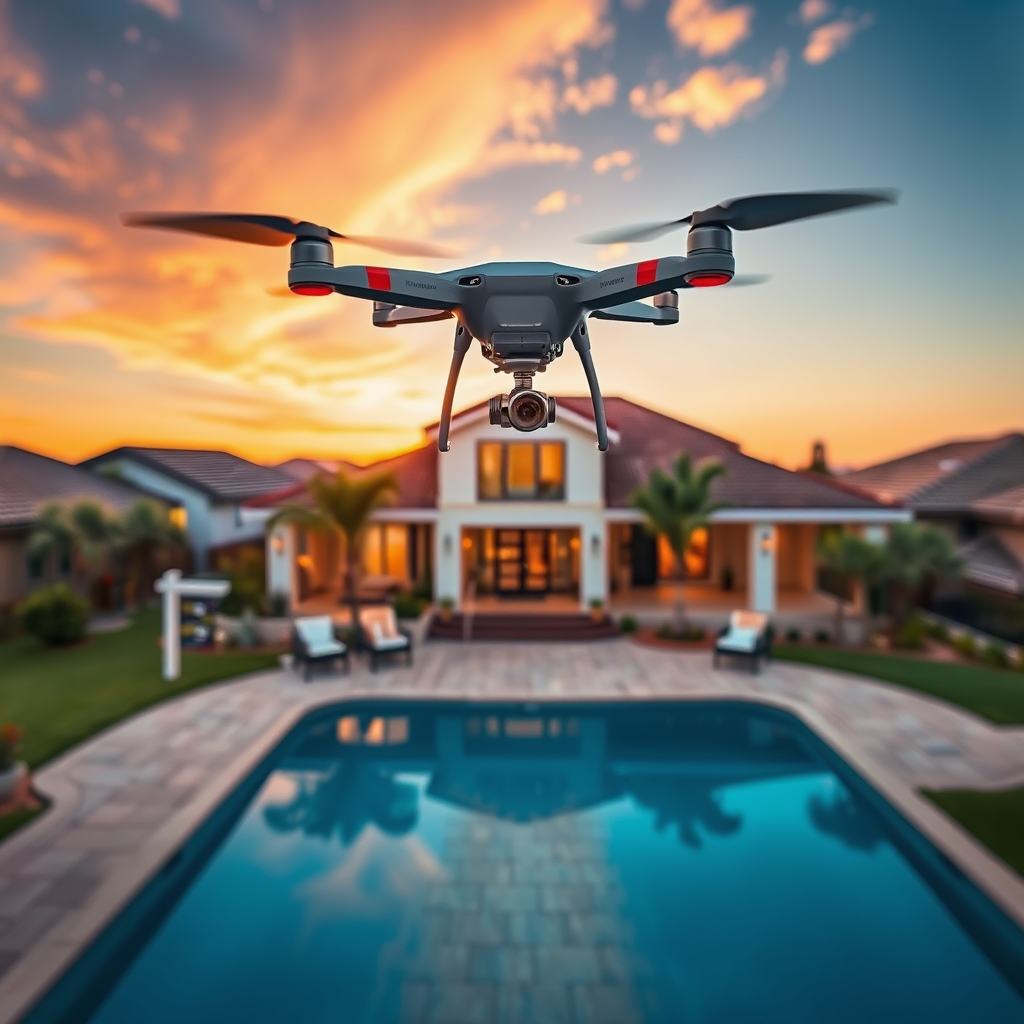
Yes, you can shoot a drone flying over your property, but it’s illegal in most jurisdictions and can lead to severe consequences. Many people may feel justified in wanting to protect their privacy or property, but the reality is that engaging in such actions can result in criminal charges, civil liabilities, and a host of legal troubles. Understanding the laws and regulations surrounding drone usage is crucial before considering any action against a drone that encroaches on your space.
Understanding Drone Laws
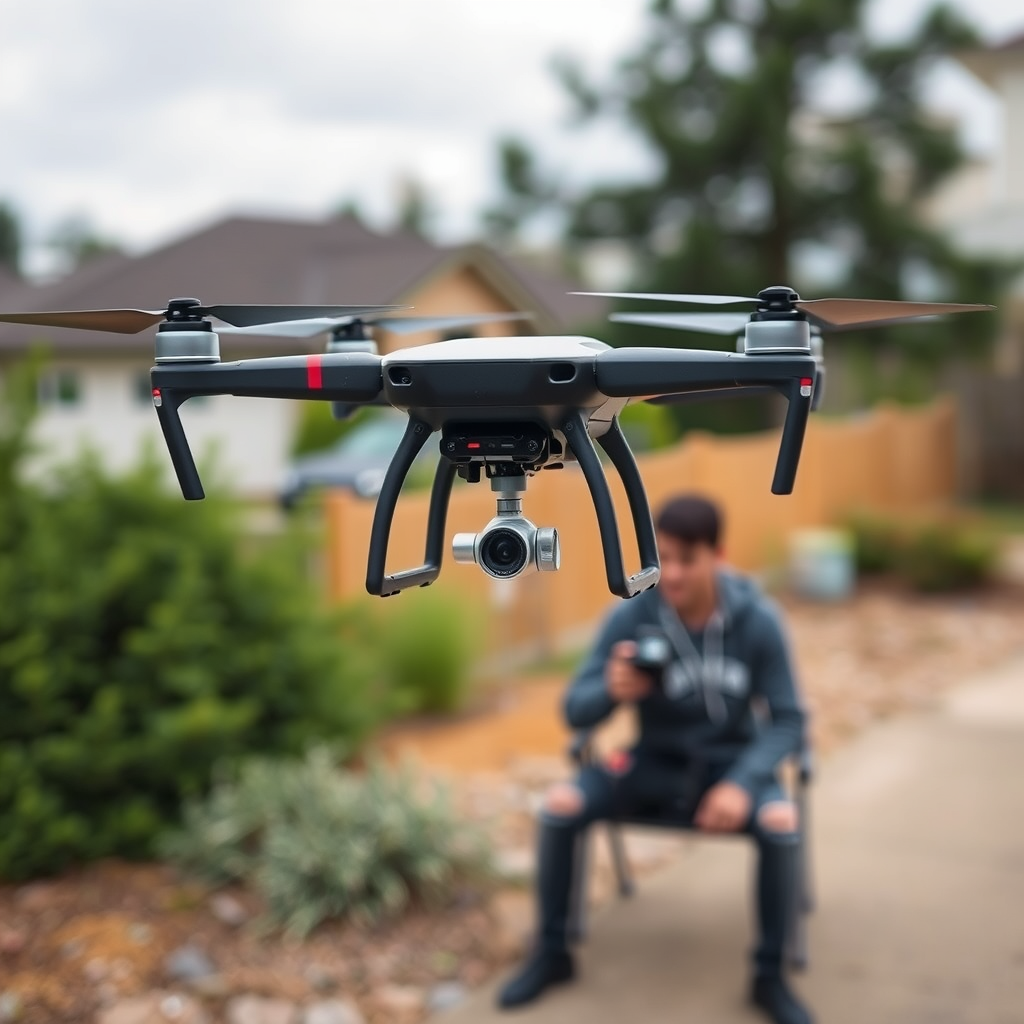
To fully grasp the implications of shooting a drone, it is essential to understand the regulations governing drone usage. At the federal level, the Federal Aviation Administration (FAA) has established clear guidelines that dictate how drones can be operated in U.S. airspace. Under these regulations, drones are classified as aircraft and must adhere to specific operational guidelines, including altitude restrictions and no-fly zones.
In addition to federal regulations, many states have enacted their own laws concerning drone usage. These laws can vary significantly from one state to another and may include provisions that protect privacy or define the airspace rights of property owners. For example, some states have laws that explicitly prohibit the use of drones to capture images or video over private property without consent. Therefore, it is crucial for property owners to familiarize themselves with both federal and local drone regulations to understand their rights and the legal framework governing these unmanned aerial vehicles.
Property Rights vs. Airspace Rights
A common misconception is that property owners have complete ownership and control over the airspace above their land. However, this is not entirely accurate. While property owners do possess rights to the airspace immediately above their land, those rights do not extend indefinitely upward. The FAA regulates navigable airspace, typically defined as the airspace above 400 feet, which is where most drones operate.
Property owners can indeed defend their rights against unauthorized drones, but such defenses must operate within legal limitations. For instance, while you may feel justified in reacting to a drone hovering just above your property, the law generally views the airspace above 400 feet as public domain. Therefore, engaging in aggressive actions, such as shooting at a drone, can lead to serious legal repercussions. It’s important to understand that exercising your rights regarding airspace must be balanced against federal aviation laws and local statutes.
Potential Legal Consequences
The legal ramifications of shooting a drone can be severe and multifaceted. First and foremost, engaging in such behavior may lead to criminal charges. In many areas, discharging a firearm in a populated region is a felony, regardless of the target. Additionally, shooting down a drone can be classified as destruction of property, especially if the drone belongs to someone else. This could result in hefty fines or imprisonment.
Moreover, civil liability is another significant concern. If you damage a drone or injure its operator while attempting to shoot it down, you may be liable for any costs associated with the damage, injuries, or losses incurred. This includes potential lawsuits from the drone owner for damages or loss of income if the drone was being used for commercial purposes. Therefore, before considering drastic measures, it is essential to weigh the potential legal consequences against your intentions.
Alternatives to Shooting Drones
Given the potential legal pitfalls associated with shooting a drone, it is wise to consider alternative courses of action. One effective approach is to report the drone to local law enforcement. Most police departments have protocols in place for handling complaints about drones, especially if they are invading privacy or posing a safety risk. By reporting the issue, you can alert authorities who are trained and equipped to deal with such situations legally and safely.
Another alternative is to explore the use of technology designed to deter or disable drones without causing harm. There are jamming devices available that can disrupt the drone’s communication signals, forcing it to land safely. However, it’s critical to note that the use of such devices may also fall under legal scrutiny, as jamming signals can interfere with other legitimate communications. Always research and consult legal experts before employing any technological solutions.
Best Practices for Drone Management
To prevent drone-related issues proactively, property owners should consider implementing best practices for drone management. One effective method is to post clear signage indicating that your property is private and that drone operations are not permitted without permission. This can serve as a deterrent to unauthorized drone operators who may not be aware of the boundaries.
Additionally, if you encounter a drone operator in your vicinity, consider reaching out to them directly. Many drone pilots are hobbyists or professionals who may not realize they are intruding on your property. A polite conversation can often resolve misunderstandings and lead to a mutually agreeable arrangement regarding their drone usage.
The Role of Insurance
As drone-related incidents become more common, understanding the role of insurance in these scenarios is increasingly important. Homeowners should review their liability insurance policies to determine whether they offer coverage for incidents involving drones. Depending on the provider and policy, you may find that your coverage extends to damages caused by drone activities.
Furthermore, specific drone insurance policies are available that cover damage to or from drones, whether you are the operator or the affected party. These policies can provide additional peace of mind for both recreational users and those concerned about potential drone-related incidents.
In summary, while the idea of shooting a drone may seem tempting, it is fraught with legal risks and consequences. Engaging in such actions can lead to serious criminal and civil ramifications that outweigh any perceived benefits. Instead, consider legal alternatives for addressing concerns about drones over your property. By staying informed about the laws in your area and implementing proactive strategies, you can effectively protect your rights while navigating the complexities of drone interactions.
Frequently Asked Questions
Can I legally shoot down a drone flying over my property?
Legally, you cannot shoot down a drone flying over your property, as this can be considered illegal use of force and destruction of property. Instead, it is recommended to report the drone to local authorities or the Federal Aviation Administration (FAA) if it poses a safety risk or is violating privacy laws. Understanding the legal implications is crucial to avoid potential criminal charges or civil liability.
What should I do if a drone is hovering over my house?
If a drone is hovering over your house, the first step is to assess whether it poses a threat to your privacy or safety. If you feel uncomfortable, gather evidence by taking photos or videos, then contact your local authorities or the FAA. It’s important to know your rights regarding drone privacy laws in your area, as regulations can vary significantly from state to state.
Why are drones allowed to fly over private property?
Drones are allowed to fly over private property because the airspace above properties is generally considered public airspace regulated by the FAA. This means that as long as the drone operates within legal limits, such as altitude and distance from airports, it can legally fly over your property. However, there are ongoing discussions about privacy rights and potential regulations that may impact this in the future.
What are the best ways to protect my privacy from drones?
To protect your privacy from drones, consider installing privacy screens or planting tall trees around your property to obstruct aerial views. Additionally, being aware of local privacy laws can empower you to take appropriate action if a drone invades your space. Some homeowners also choose to use anti-drone technology, although these solutions can be expensive and may have legal restrictions.
Which federal regulations apply to drones flying over residential areas?
Federal regulations governing drones, primarily enforced by the FAA, include rules about altitude limits, no-fly zones, and requirements for remote pilot certification. Drones must operate below 400 feet and remain within the visual line of sight of the operator. Additionally, drones cannot be flown over people or moving vehicles unless the operator has obtained a special waiver, ensuring that safety is prioritized in residential areas.
References
- https://en.wikipedia.org/wiki/Drone#Legal_issues
- https://www.theguardian.com/us-news/2022/jun/27/drone-privacy-laws-property-rights
- https://www.nolo.com/legal-encyclopedia/can-you-shoot-drone-flying-over-your-property-29771.html
- https://www.faa.gov/uas/resources/policy_library/
- https://www.law.cornell.edu/wex/drone
- https://www.nytimes.com/2021/05/04/us/drone-law-property-rights.html
- https://www.irs.gov/newsroom/drones-and-the-law
- https://www.aclu.org/news/privacy-technology/the-a-clue-to-drones-and-privacy-rights
