
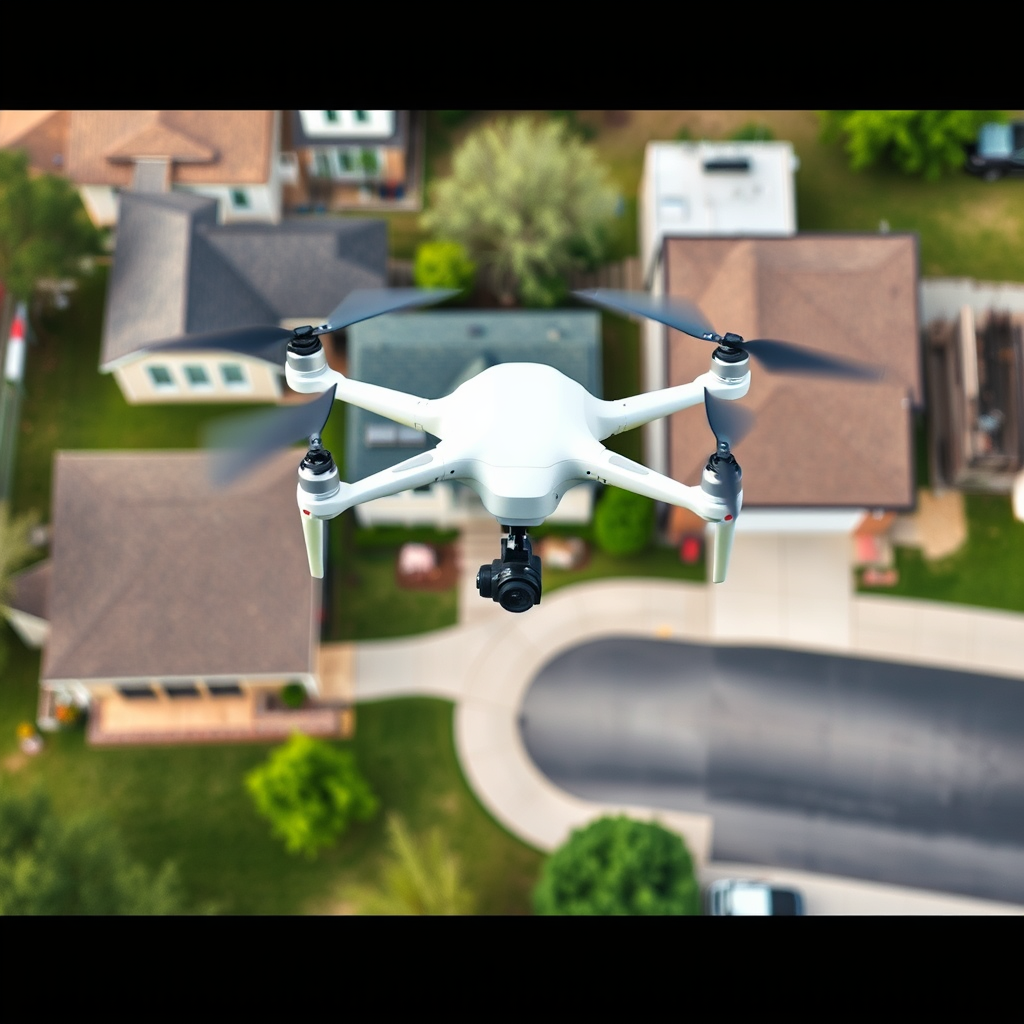
Yes, you can generally fly a drone over your property in Wisconsin, but there are specific regulations and guidelines you need to follow. Understanding these rules is crucial to ensure you’re compliant and can enjoy your drone flying experience safely and legally. In this blog post, we will delve into the laws governing drone usage in Wisconsin, including federal regulations, state laws, privacy considerations, flight restrictions, best practices, and insurance options.
Understanding FAA Regulations
The Federal Aviation Administration (FAA) governs all airspace in the U.S., including drone operations. Under FAA regulations, if your drone weighs more than 0.55 pounds (approximately 250 grams), it must be registered before you can legally fly it. Registration involves a simple online process, and the fee is relatively modest, typically around $5 for a three-year registration period. For commercial drone operators, adhering to Part 107 rules is mandatory. These rules include obtaining a Remote Pilot Certificate, adhering to specific altitude limits, and maintaining visual line of sight during flights. Understanding these FAA regulations is critical for both recreational and commercial drone operators in Wisconsin to avoid potential fines or legal repercussions.
Wisconsin State Laws
In addition to federal regulations, Wisconsin has its own set of laws governing drone usage that could impact your flying experience. For instance, Wisconsin Statute 114.045 prohibits the use of drones to interfere with hunting or fishing activities. Furthermore, local municipalities may have their own ordinances that impose further restrictions on drone flights. It is advisable to consult local regulations, especially if you live near parks, lakes, or other public areas where drone use might be restricted. For example, some municipalities may require permits for flying drones in densely populated areas or near schools. Staying informed about these laws can help you avoid any legal issues and ensure that you can fly your drone without unnecessary interruptions.
Privacy Considerations
Flying over someone else’s property can raise significant privacy concerns, which can potentially lead to legal issues. Wisconsin law recognizes an individual’s right to privacy, and using a drone to capture images or videos of private property without consent could result in civil liability. It is crucial to be mindful of state privacy laws, which may prohibit aerial surveillance without permission. For instance, if you are flying your drone and inadvertently capture footage of a neighbor’s backyard, this could be construed as an invasion of privacy. To mitigate the risk of legal complications, consider informing your neighbors about your drone activity and obtaining their consent if you plan to capture any footage that includes their property.
Drone Flight Restrictions
Even when flying over your own property, certain no-fly zones apply, particularly near airports and specific government buildings. In Wisconsin, many airports are accompanied by designated airspace restrictions, which can extend several miles around the airport itself. For example, the airspace around General Mitchell International Airport in Milwaukee is classified as Class B airspace, which imposes stringent rules on drone operations. Additionally, temporary flight restrictions (TFRs) may be enacted for various events, such as airshows or security-related incidents, which can further limit your ability to fly. It’s essential to familiarize yourself with the FAA’s B4UFLY app or similar resources to check for any active TFRs or airspace restrictions before flying your drone.
Best Practices for Flying Drones
To ensure a safe and enjoyable drone flying experience, adhering to best practices is vital. Always keep your drone within visual line of sight, which is crucial for avoiding collisions and ensuring compliance with FAA regulations. Avoid flying over large crowds, sensitive areas, or wildlife habitats to minimize the risk of accidents or disturbances. Additionally, make sure to use appropriate safety gear, such as a high-visibility vest if flying in crowded areas, and follow the manufacturer guidelines for your specific drone model. Before launching your drone, pre-flight checks should include verifying battery levels, ensuring that the drone’s firmware is up to date, and checking for any potential weather issues. These practices help promote safety and professionalism in the growing field of drone operations.
Insurance and Liability
Considering the potential for accidents and damages, obtaining drone insurance is a prudent decision for both recreational and commercial operators. Drone insurance can cover a range of liabilities, including property damage, bodily injury, and legal fees arising from incidents involving your drone. While not legally required, insurance provides peace of mind and financial protection in case of unforeseen circumstances. Understand your liability in case of an incident involving your drone, as you could be held responsible for damages caused to others or their property. Many insurance providers offer specialized drone insurance policies that cater to the unique risks associated with aerial operations, giving you the flexibility to choose coverage that aligns with your specific needs.
In summary, while you can fly a drone over your property in Wisconsin, it is essential to stay informed about federal and state regulations, privacy issues, and best practices to ensure a safe and enjoyable flying experience. By understanding FAA regulations, adhering to state laws, respecting privacy concerns, and following best practices, you can confidently take to the skies. Always do your research and consider local laws before embarking on your drone-flying adventures to ensure compliance and safety.
Frequently Asked Questions
Can I legally fly a drone over my property in Wisconsin?
Yes, you can legally fly a drone over your property in Wisconsin, as long as you adhere to federal and state regulations. The Federal Aviation Administration (FAA) governs drone use, which includes ensuring that you maintain visual line-of-sight and do not fly higher than 400 feet. Additionally, it’s important to check for any local ordinances that may impose further restrictions on drone operations in your area.
What are the restrictions for flying a drone in Wisconsin?
In Wisconsin, drone operators must comply with FAA regulations, which include restrictions such as not flying near airports, restricted airspace, or over gatherings of people. Additionally, it’s crucial to avoid flying drones over private property without permission from the landowner, as this could lead to privacy violations or legal issues. Always stay informed about state-specific laws regarding drone usage to ensure compliance.
How high can I fly my drone over my property in Wisconsin?
In Wisconsin, as per FAA regulations, you can fly your drone up to a maximum altitude of 400 feet above ground level when operating within uncontrolled airspace. If you are flying near structures or in controlled airspace, you may need to stay lower or request permission. Always ensure that you are aware of your surroundings and avoid flying over people or moving vehicles for safety.
Are there any permits required to fly a drone in Wisconsin?
Generally, recreational drone users in Wisconsin do not need a specific permit to fly as long as they comply with FAA regulations. However, if you plan to use your drone for commercial purposes, you must obtain a Remote Pilot Certificate from the FAA and register your drone. Additionally, check with local authorities for any specific permits or regulations that might apply in your area.
Why is it important to understand local drone laws in Wisconsin?
Understanding local drone laws in Wisconsin is crucial to avoid fines, legal issues, and potential safety hazards. Local regulations can vary significantly and may impose additional restrictions that are not covered by federal law. By being informed about these laws, you can ensure that your drone operations are safe, responsible, and respectful to your neighbors and the environment.
References
- https://wisconsin.gov/Pages/AllTopics.aspx
- https://www.wisconsindot.gov/Pages/doing-bus/air/drones.aspx
- https://www.wisconsin.gov/Pages/AllTopics.aspx
- https://www.nolo.com/legal-encyclopedia/drone-laws-wisconsin-36915.html
- https://www.wisconsinpolicyforum.org/research/understanding-drones-and-regulations-wisconsin
- https://www.theverge.com/2019/4/12/18306653/drone-laws-wisconsin-property-rights-legal-issues
- https://www.brookings.edu/research/drone-policy-and-regulation/
- https://www.faa.gov/uas/
